yahoo Press
Keir Starmer announces resignation, becoming 6th U.K. prime minister to leave office in the past 10 years
Images
1 / 9
2 / 9

3 / 9

4 / 9

5 / 9
6 / 9
7 / 9

8 / 9

9 / 9
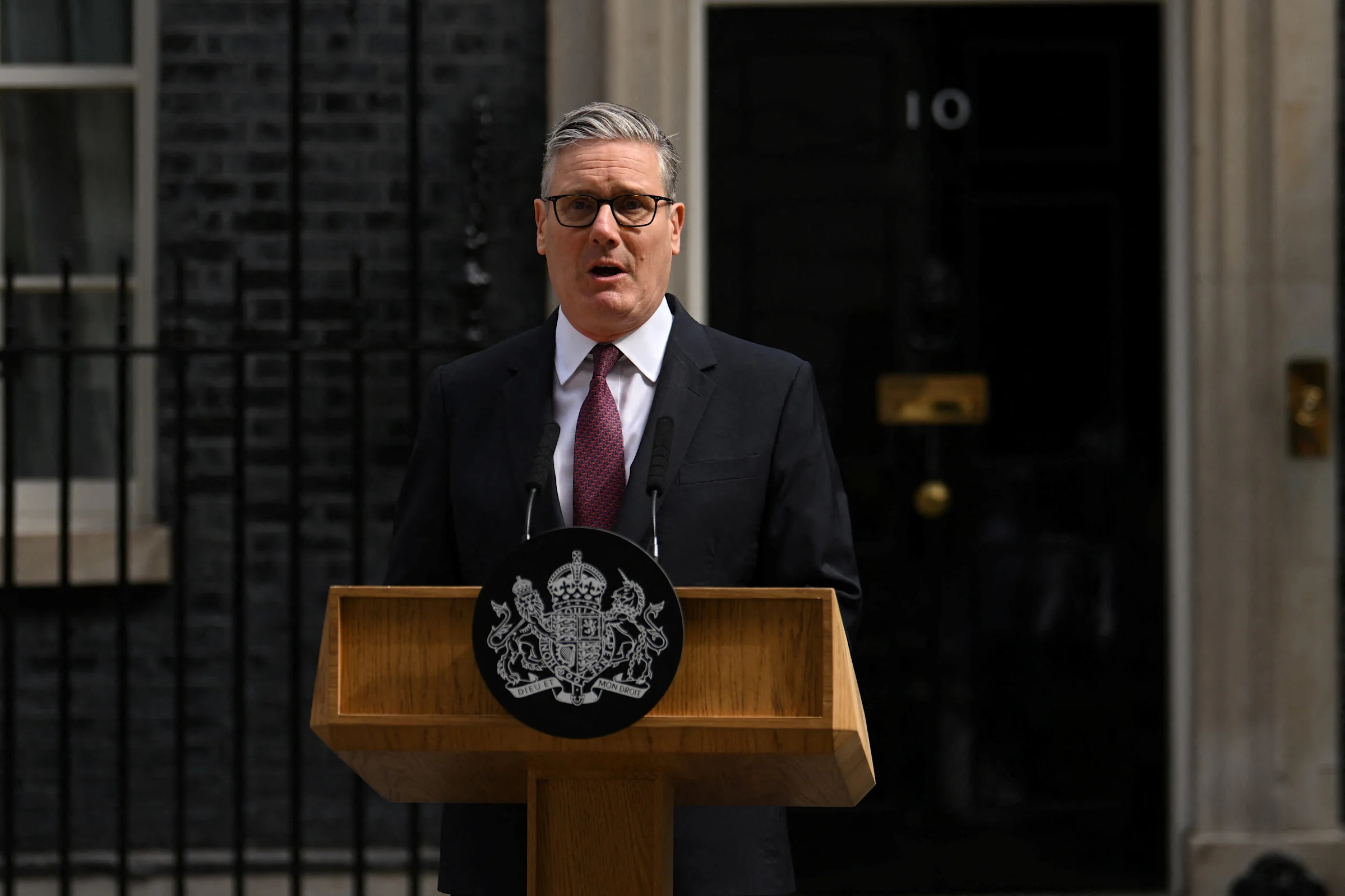
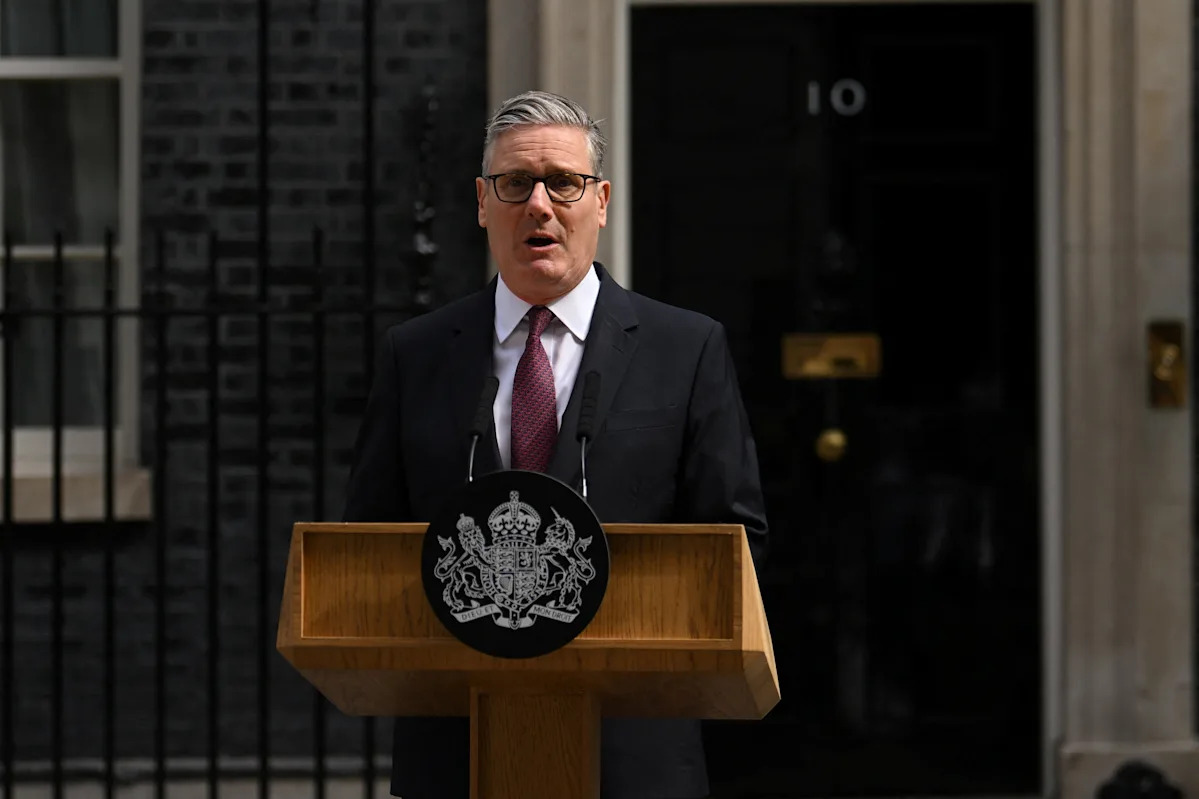
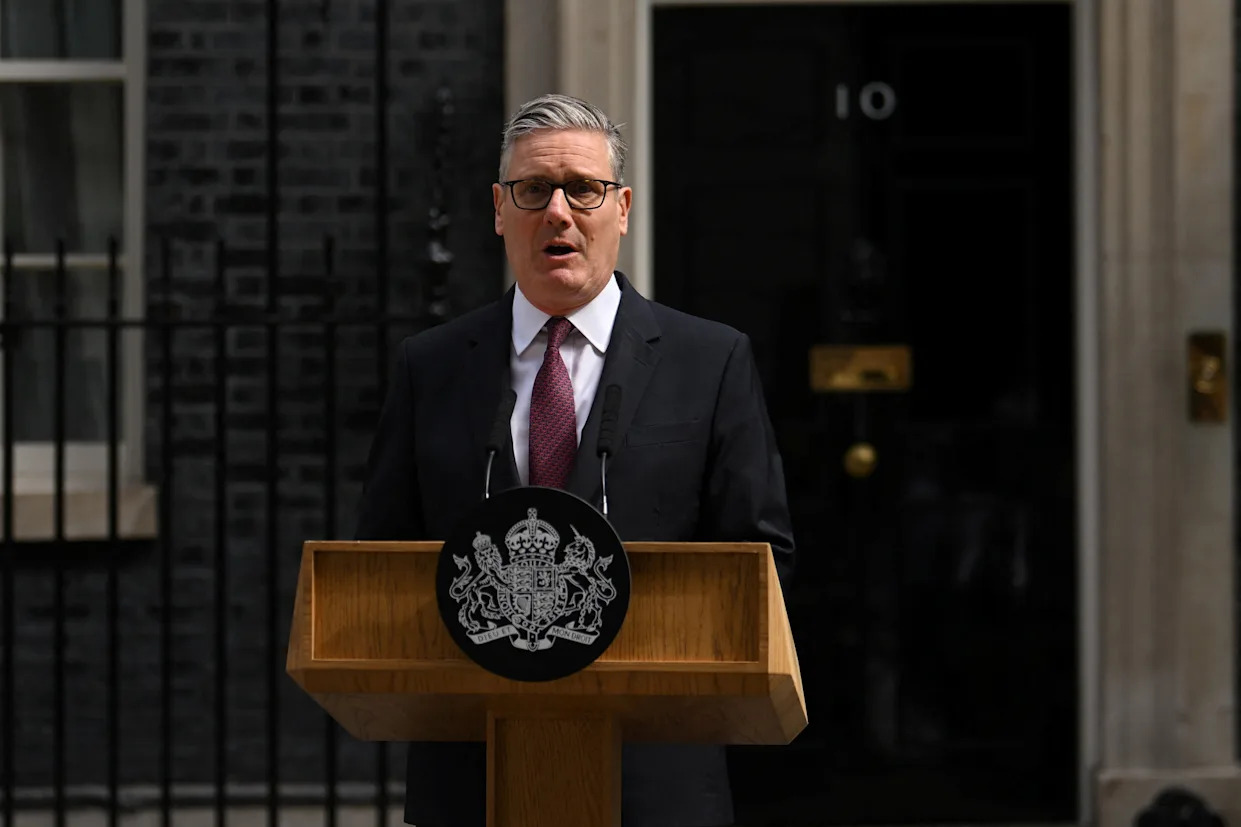
Keir Starmer has announced he will resign as Labour leader and step down as U.K. prime minister.

Starmer confirmed on Monday morning that he will quit following weeks of mounting speculation amid falling poll numbers and growing unrest within the ruling Labour Party.

He said he had informed King Charles of his decision and that he would remain as prime minister until any contest to replace him is complete, which he said will be by September at the latest.

An emotional Starmer's voice cracked as he thanked his wife, Victoria, and their children at the end of his brief speech.

He becomes the sixth British prime minister to leave office in just the past 10 years.

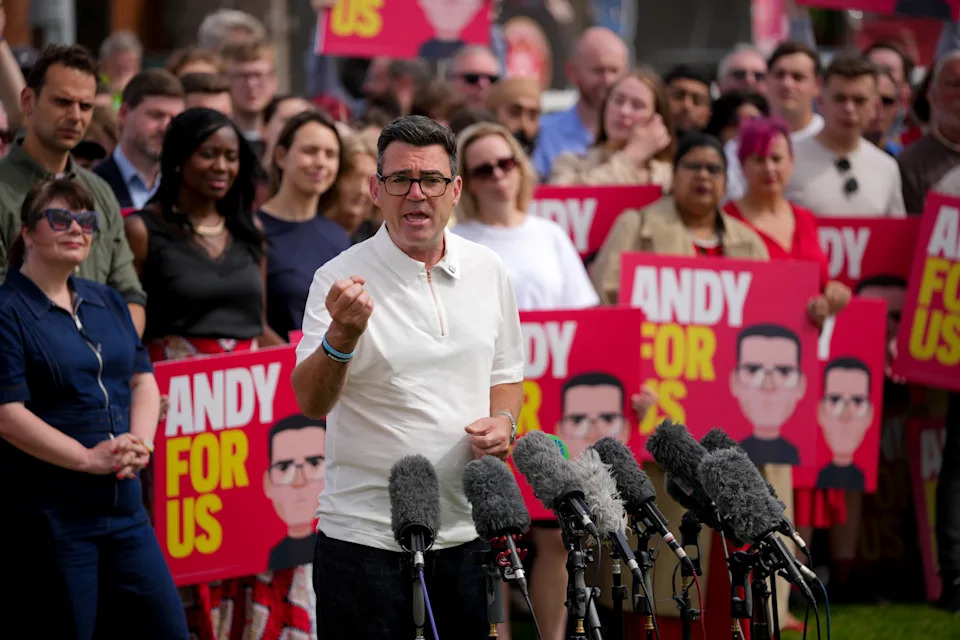
While Starmer had repeatedly insisted he would fight any challenge to his leadership, pressure intensified last week when Andy Burnham, the mayor of the Greater Manchester region in northwest England, made a dramatic return to Parliament to set up a potential contest.

Shortly after Starmer's speech, Burnham confirmed he would put his name forward in any leadership contest. Under the U.K.'s parliamentary system, whoever is named the next Labour leader will automatically become the new prime minister as leader of the largest party.

Starmer's fall in popularity has been remarkable, particularly given the party's huge general election victory in July 2024, which swept Labour to power for the first time since 2010. In hindsight, that victory was as much a result of the unpopularity of the Conservative government it replaced as of any overwhelming support for Labour or for Starmer himself.

In the subsequent months, Starmer's support in the polls has shrunk, with critics repeatedly highlighting poor economic growth and a number of policy reversals on key promises, including benefits, taxes and workers' rights.

Labour MPs have also grown increasingly worried by the significant rise in popularity of Nigel Farage's Reform Party, which has taken a hardline stance on mass immigration and illegal border crossings. Many experts say the party now poses a genuine challenge at the next general election.

One of the most important diplomatic tests of any new prime minister will be forming a good relationship with Donald Trump.

Starmer and Trump's relationship started well, with the prime minister scoring a surprise diplomatic victory in February 2025 when he presented the president with a letter from King Charles inviting him to the U.K. for an unprecedented second state visit in September of the same year.

However, the friendly relationship soured in recent months, most notably when the U.K. government refused to allow U.S. forces to use British military bases in the initial wave of attacks against Iran, which led to heavy criticism by Trump. Last week, Starmer announced a social media ban for under-16s, despite the Trump administration warning against such a move.

In his Truth Social post on Sunday, Trump was critical of Starmer, saying, "He failed badly on two very important subjects — IMMIGRATION AND ENERGY."

If Burnham does replace Starmer, he will need to tread a fine line between forming strong diplomatic ties with the U.S. and not being seen as too close to an ally that faces some criticism in the U.K.

Burnham may come under scrutiny for comments he made last week, in which he said the U.K. was heading toward the "poisonous" politics of the U.S.

"Things are getting harder, and politics is getting more polarised … the path we're on, if we are not careful, is a path towards the politics of the United States of America — a polarized, poisonous politics where people in communities don't work together anymore," he said.

Burnham, 55, is a Liverpool-born Labour stalwart with deep roots in the party's traditional heartlands in the northwest of England.

He was a Member of Parliament for 16 years, during which time he twice lost Labour leadership elections. He quit national politics in 2017 to become mayor of Greater Manchester, overseeing devolved powers on transport, housing and skills.

He was dubbed the "King of the North" for his scrutiny of former prime minister Boris Johnson's lockdown rules during the COVID-19 pandemic, and has transformed the region through projects such as a major new transport system.

Burnham has made little secret of his desire to return to front-line politics, which he achieved on June 18 after winning a high-profile parliamentary by-election, clearing the path for him to launch a challenge to Starmer's leadership.

Widely known for his strong communication skills, Burnham has been vocal about the need for a change in direction for the U.K. — but has yet to provide any detail on how he would tackle major issues such as bringing down the cost of living, foreign affairs, the economy and defense.

He will also inherit the same problems that have stifled Starmer, including high borrowing costs and minimal economic growth.

Starmer has laid out a timetable for his departure. Nominations to replace him will open on July 9, with a new prime minister in place by September.

If one candidate — such as Burnham — can prove to the rest of the Labour Party that they have overwhelming support, any leadership contest may then be considered unnecessary, and Burnham would replace Starmer as party leader and automatically become prime minister sooner than that. This could potentially be before MPs go on their summer break in mid-July.

Alternatively, more than one candidate may put their name forward, resulting in a leadership contest. The most likely challenger was thought to be Wes Streeting, the former health secretary, or Angela Rayner, the former deputy prime minister.

However, on Monday, Streeting confirmed he would not be standing and would back Burnham.

Questions are already being raised within Labour about how a change of leader would come about, with some backing a leadership contest and others a swift transfer of power to Burnham. However, some feel a leadership contest will be a better approach than a coronation of Burnham, which would mean the U.K's next prime minister would have been decided without him winning a national vote.

Whoever succeeds Starmer will follow David Cameron, Theresa May, Boris Johnson, Liz Truss and Rishi Sunak to become the seventh British prime minister in a chaotic decade since Cameron left office in July 2016.