buzzfeed Press
"Dragonheart" Turns 30: 10 Fascinating Behind-The-Scenes Stories From The Crew Who Brought Draco To Life
Images
1 / 18
2 / 18

3 / 18
4 / 18
5 / 18
6 / 18
7 / 18
8 / 18
9 / 18
10 / 18
11 / 18
12 / 18
13 / 18
14 / 18
15 / 18
16 / 18
17 / 18
18 / 18
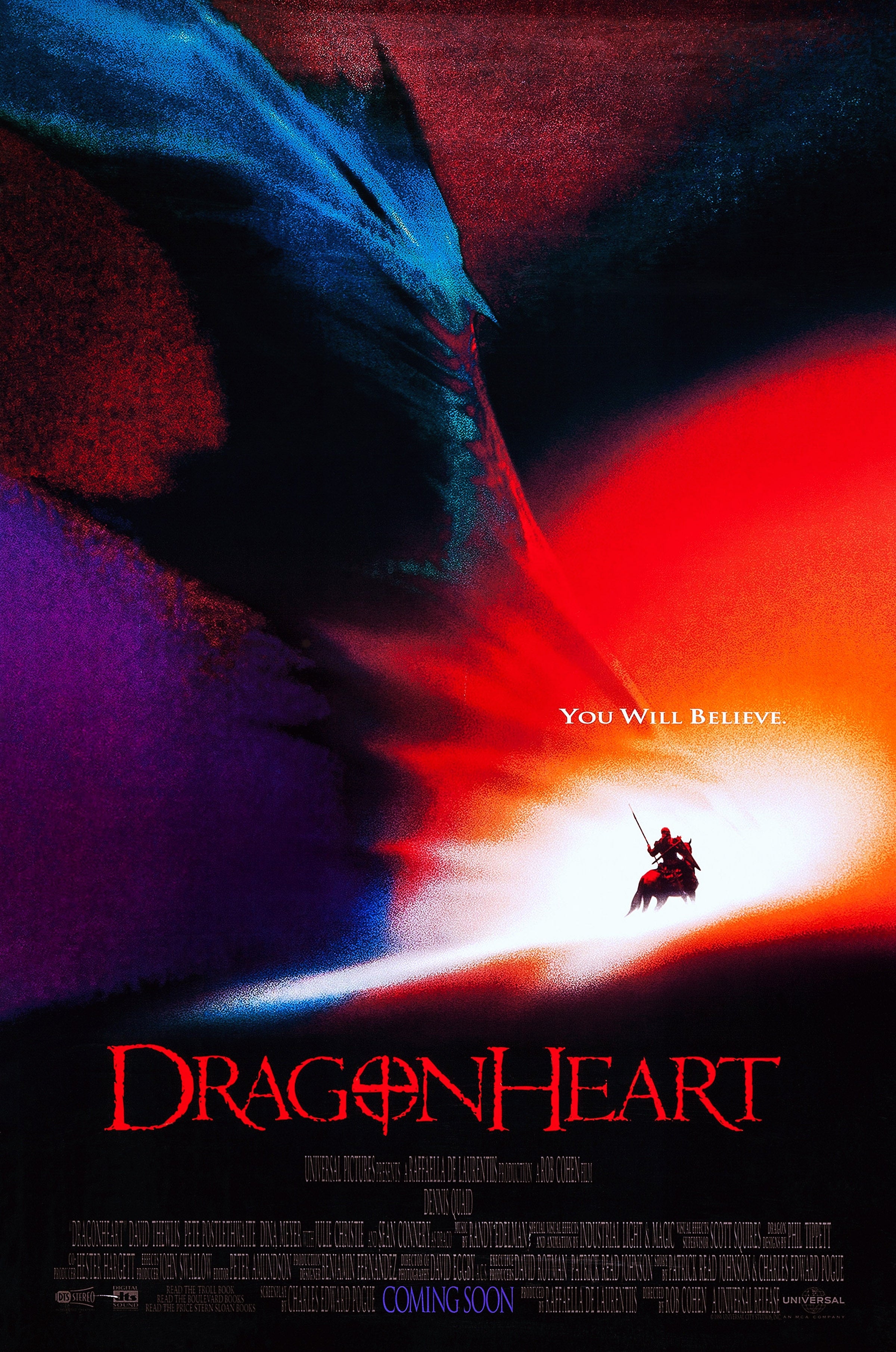
From Draco’s design and animation to Sean Connery’s unforgettable voice, we sat down with legends Phil Tippett and Rob Coleman to look back at Dragonheart, 30 years later.

I’m a pop-culture writer covering everything from TV and movies, to music, Broadway, books, and games.

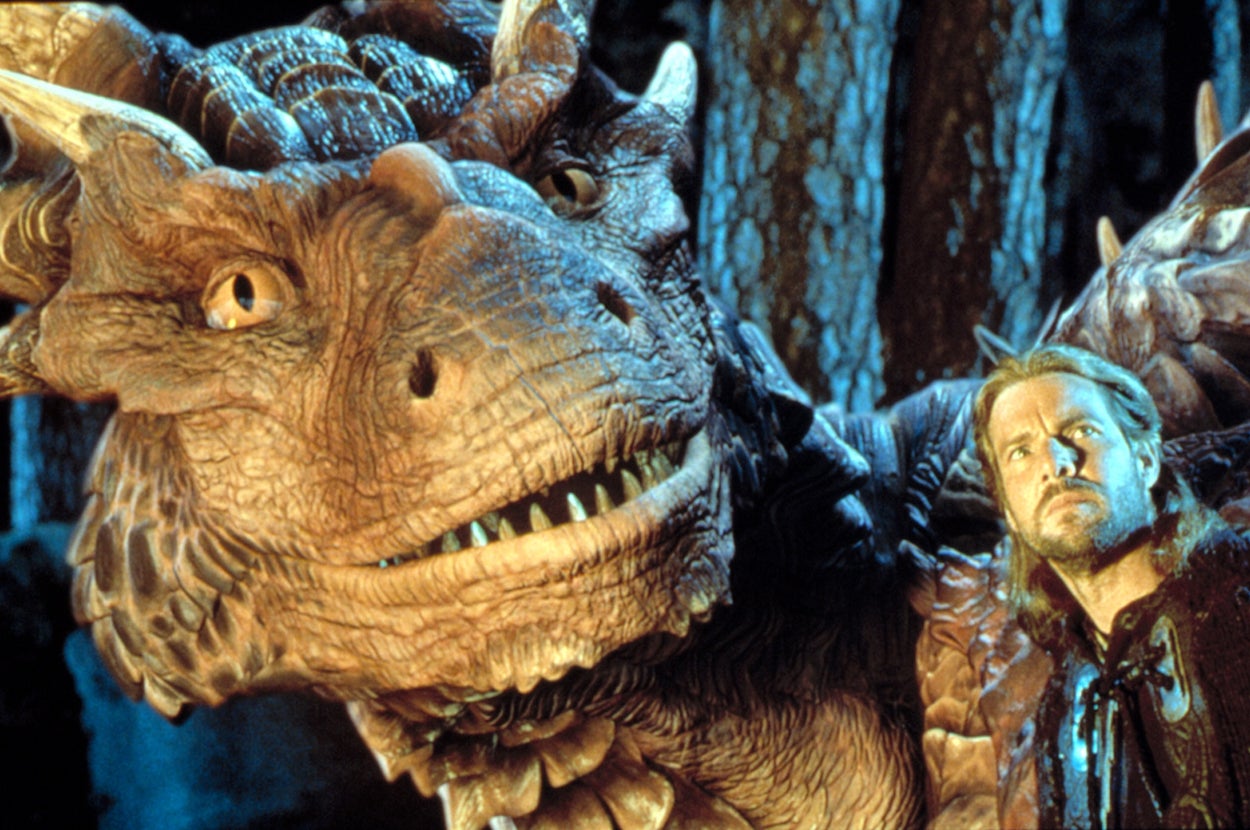
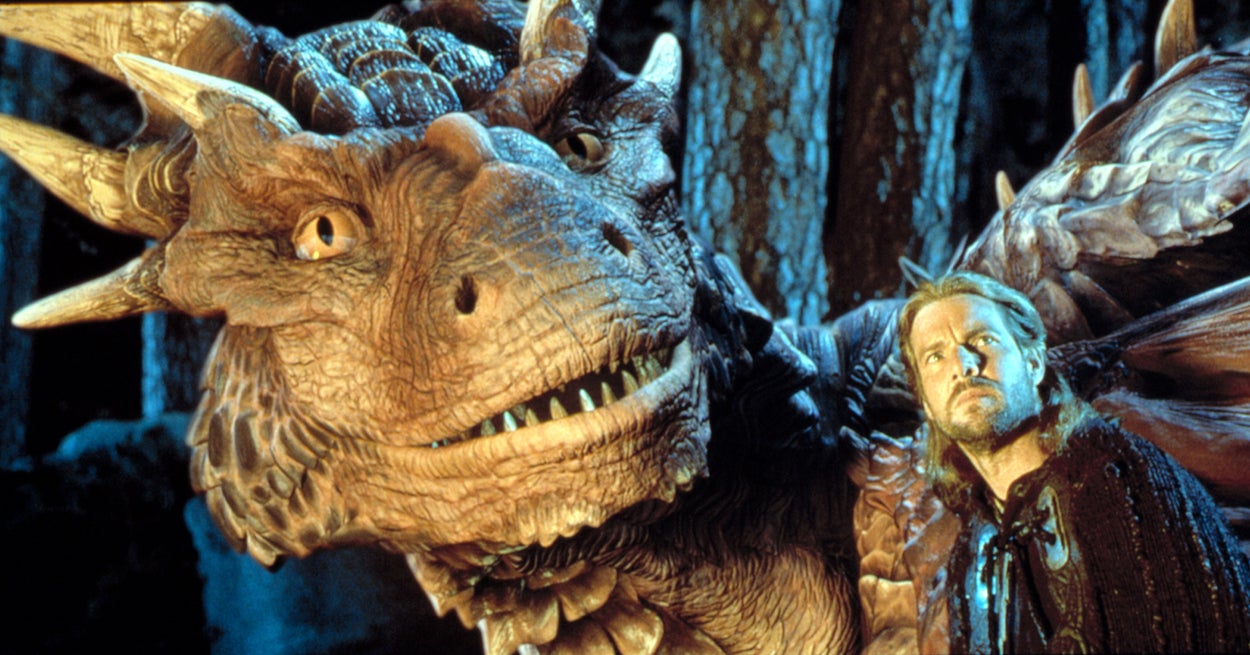
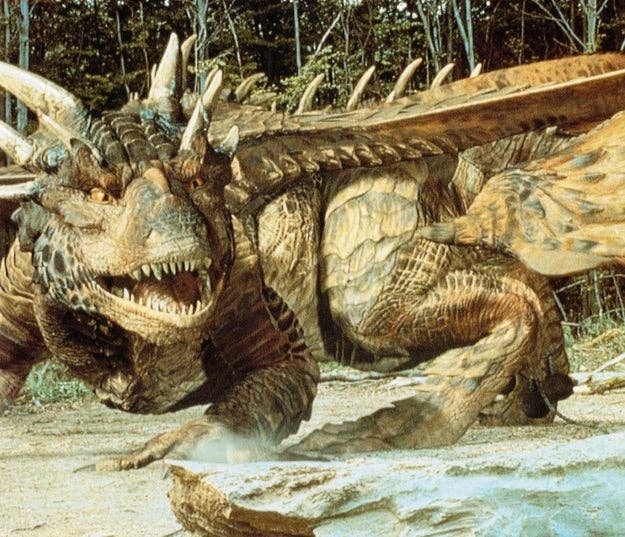
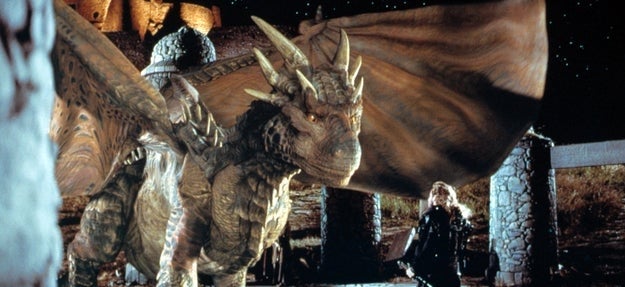
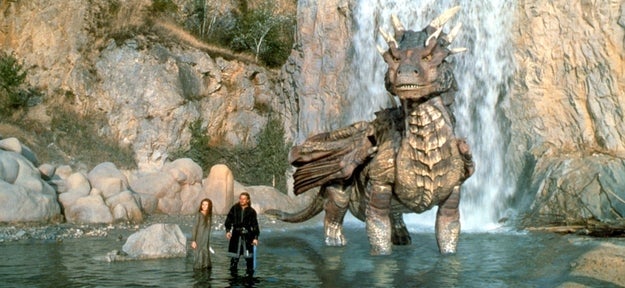
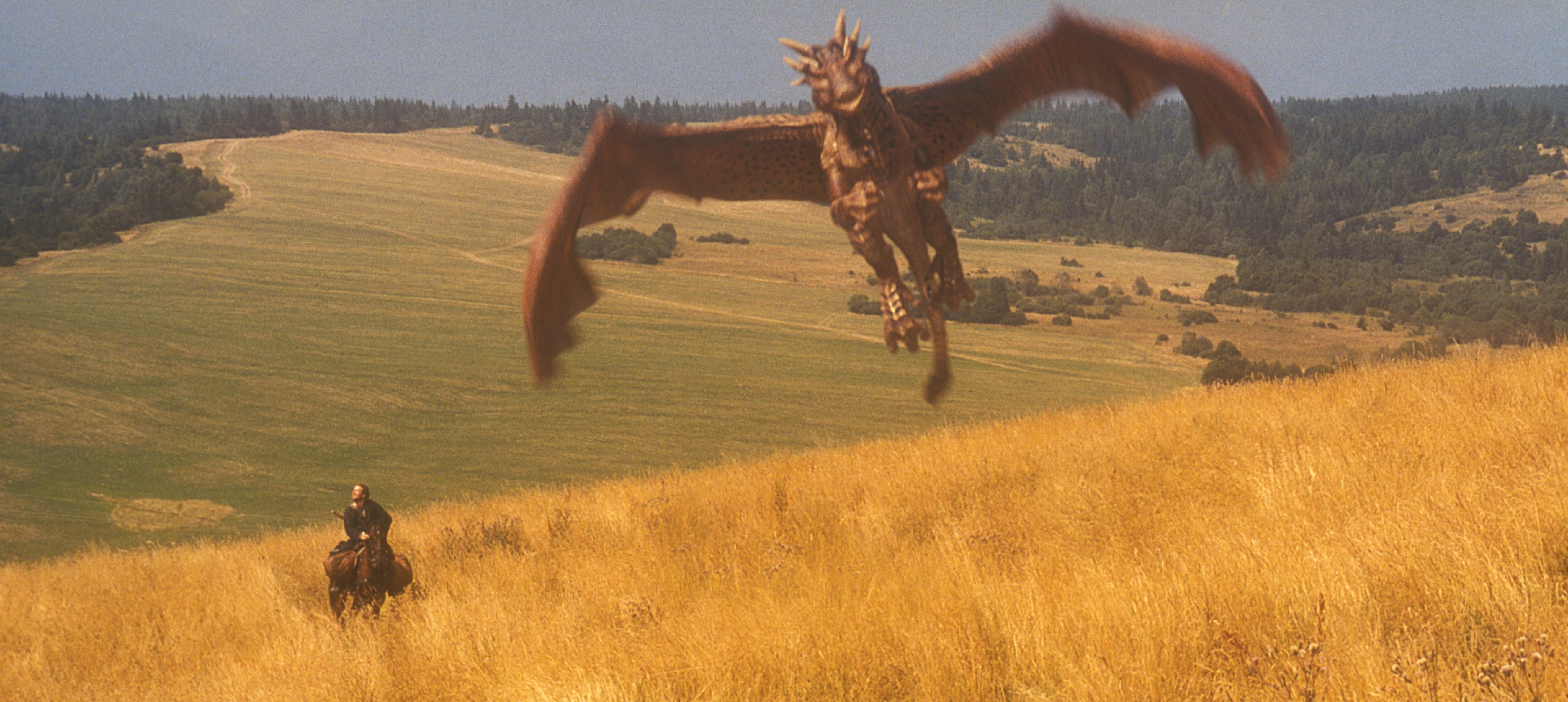
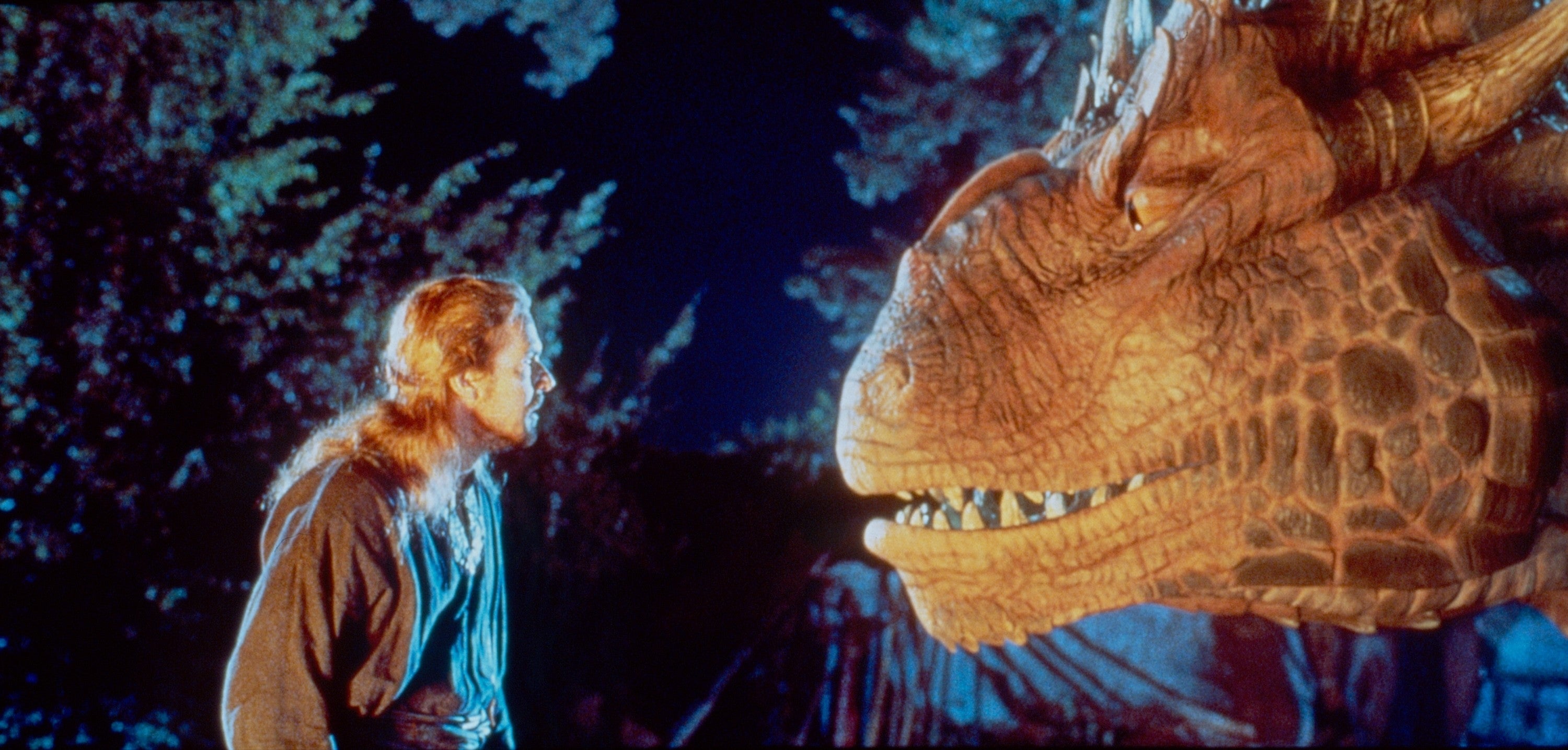
Voiced brilliantly by Sean Connery, Draco stood apart from the terrifying dragons audiences were used to seeing on screen. Draco believed in the "old code," brought warmth to the film, and delivered one of fantasy's most emotional lines: "To the stars, Bowen. To the stars." (Cue the tears.)

Fresh off his groundbreaking work on Jurassic Park, visual effects legend Phil Tippett joined Dragonheart in pre-production to help design Draco, shaping how the character would look, move, and feel.

On the animation side, ILM [Industrial Light & Magic] veteran Rob Coleman was part of the team that brought the design to life on screen, working directly on some of Draco's most emotional scenes.

To celebrate the film’s 30th anniversary, I reached out to Phil and Rob to hear their memories of creating the lovable and iconic dragon.

Note: This interview has been edited for length and clarity.

Phil: When I came onto the project, ILM had already contracted the job with [director] Rob Cohen and [producer] Raffaella De Laurentiis, but they ran into a snag with the dragon’s design. At the time, computer graphics had many limitations. Everything had to be measured in terms of rendering hours, texture complexity, all of that.

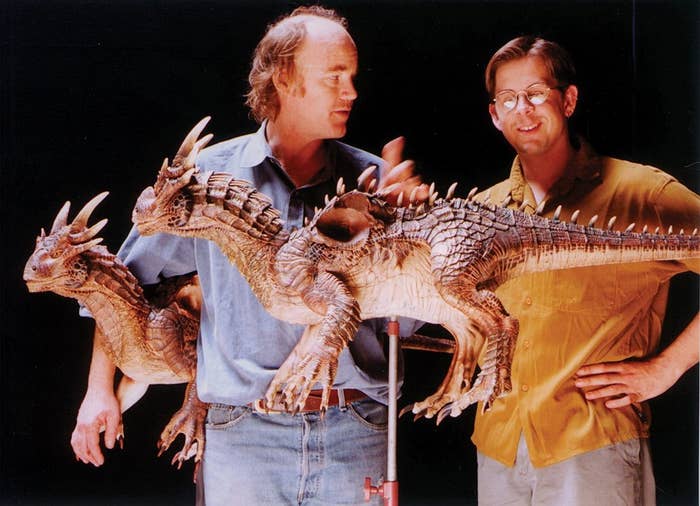
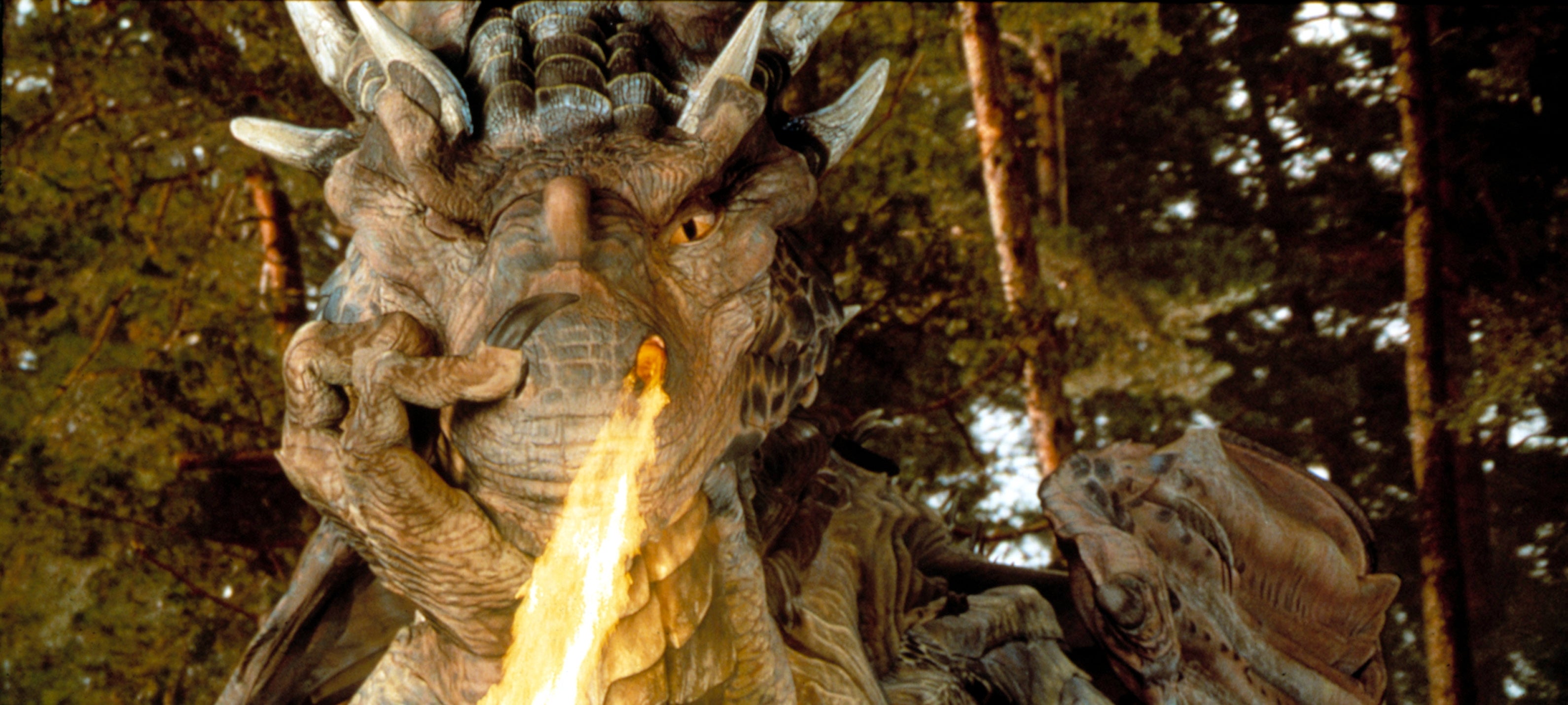
I was brought in to develop a redesign of what Draco could be. I had a meeting with Rob and Raffaella to propose my ideas. My proposal was: since the character was going to talk, we needed to do a couple of things. We needed to design the face so that it wasn't like a crocodile's face, but rather the topography of at least an ape's face. This way, when we added the muscles and lips, the character could talk convincingly, and not quack like a duck.

The other thing that I thought was important was that the character should be able to gesture with his hands to underline emphatic points — just like any human would. That would mean making it a quadruped [four-legged creature] with wings, which created other design issues. Rob bought the idea, and I hired a young guy, Pete Konig, and we made a number of maquettes.

(See this cool gallery for more photos!)

Phil: Steve Price was the ILM visual effects supervisor, and we would drive up to Rob's house in Lake Tahoe for design meetings. We eventually got this character down to how you see it in the movie and made some relatively small maquettes, maybe not more than a foot long.

We needed to create a scanning maquette, a much larger version of the character, maybe like three and a half feet long. This made ILM a bit mad, because I just focused on making it look good, but it had a lot of texture. It created a huge problem with rendering. I didn't know that much about computers — and I wasn't confined by the technology.

Phil: Draco's wing design was incredibly tricky. I hired an anatomy specialist to engineer them because they needed to fold up and get out of the way when Draco was moving around — but when they spread open, they also had to feel believable enough to lift a creature that large.

Those kinds of details were major challenges early on.

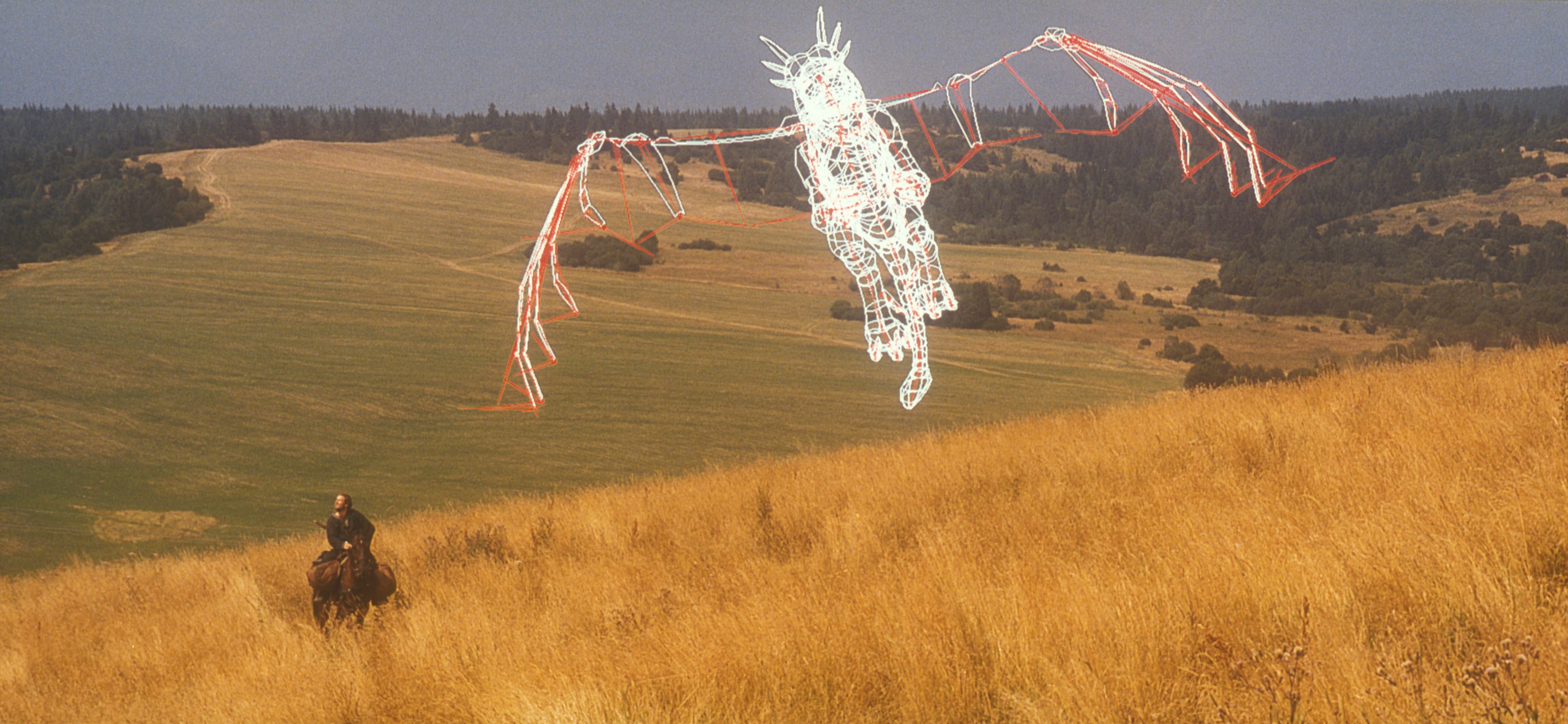
Phil: I also created a series of animatics [animated storyboards]. My studio was not completely set up at that time to do computer graphics characters, but we did a very low-resolution version of Draco. I had a motion-capture suit made for a performer, and they would actually perform the work in the suit.

Then we would take that information and transpose it onto a dragon model, rearranging the nodes and everything so we could get it moving. It didn't have to be perfect for the animatics; it just had to essentially give the shot length and what the action was.

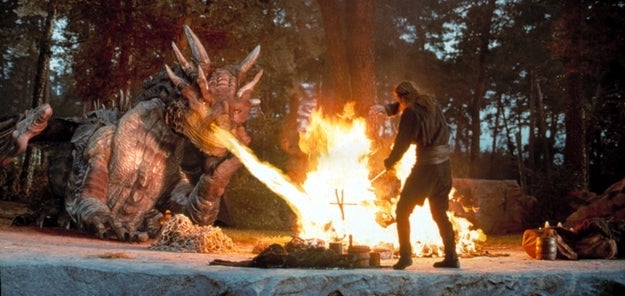
Phil: In a general dragon movie, dragons are malevolent, and they breathe fire, and they destroy villages, and they eat people. Draco was more quizzical in nature and had a great deal of humor and pathos. There was also the humanity and star power of Sean Connery behind him. Draco wasn't the "classic" dragon at all. He was a surprise.

There’s this magic age window, probably around eight to thirteen years old, where the movies you see become the films that stay with you for the rest of your life. Whenever I talk to people about Dragonheart, that’s usually the age they were when they first saw it. Those movies become part of you.

Rob: I joined Industrial Light & Magic in 1993 as an animator, and we were in production for Dragonheart in 1995. James Straus was our animation supervisor — a brilliant animator — he'd been at ILM long before me, and he was one of the key animators on Jurassic Park. He had been instrumental in convincing the director, Rob Cohen, that we could do a "performing dragon."

I remember my first task, which, looking back, failed miserably. It was a quadrupedal walk for Draco. I had never animated a four-legged creature before and was really struggling with it, but all my colleagues at ILM were, too.

I remember poor James teaching us how to do a quadrupedal walk. I then went off, did all my research, and got much better at it quickly, but that was sort of a shock, like, "Oh my goodness, this is going to be really, really hard."

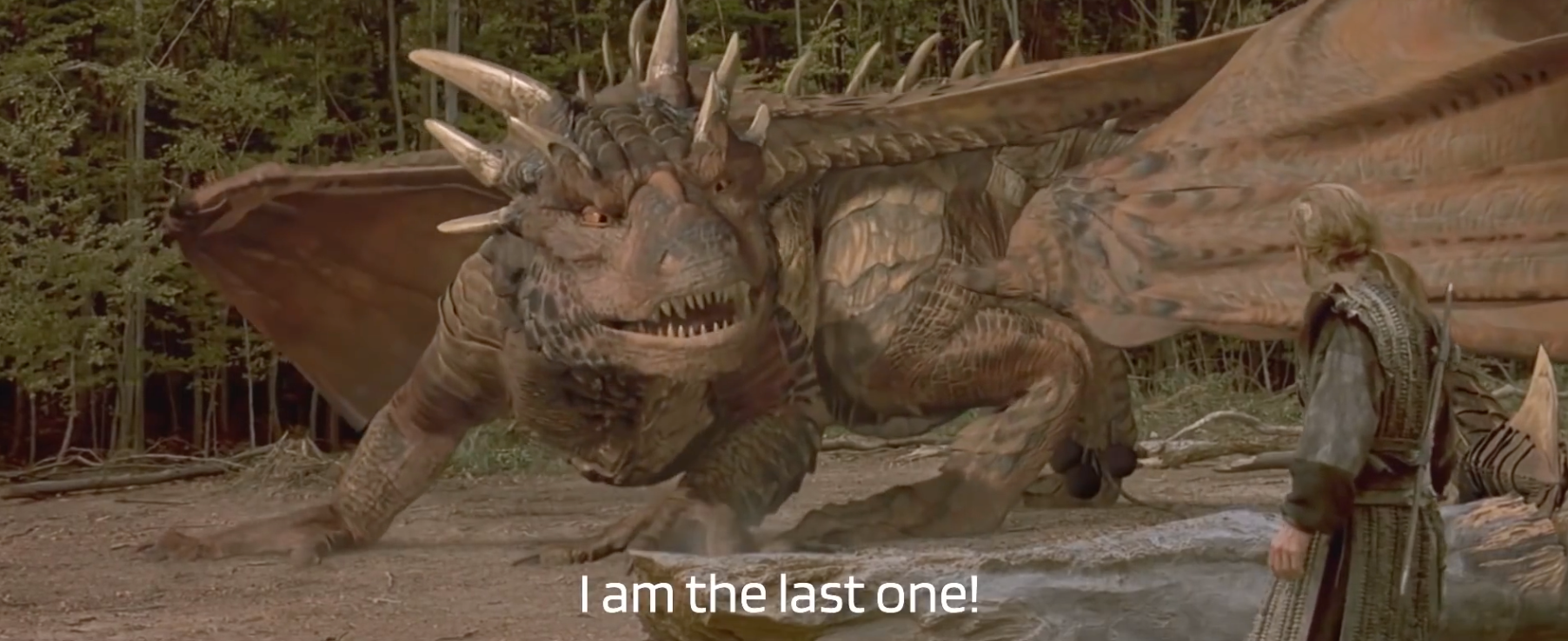
Rob: There are two scenes that stay with me to this day. I think the most famous shot I animated on the film was Draco saying, "I am the last one."

I did about four or five shots in that little sequence when Draco has his tail stuck in the log, and he's going up against Bowen, and he spins around. I actually get goosebumps thinking about that scene. I knew at the time that it was such an important shot, and I just threw myself at it.

I remember studying Sean Connery's face and my own face in a mirror, just trying to get the essence of that line and his attitude. That was a high point, for sure.

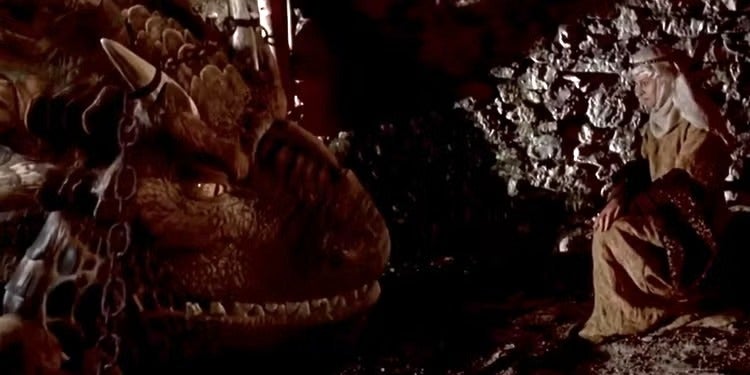
Rob: I also remember animating when Draco was captured in the castle. He's got the chains holding him down, and he's doing a scene with Julie Christie. Julie Christie was one of my dad's favorite actresses, and I called him and said, "Dad, I'm doing a scene with Julie Christie!" I never met her, I never got to talk to her, but here I was sharing a scene with her through Sean Connery.

The problem with that shot was that we had to animate each link of the chain independently. We didn't have a simulation to do it, and it was so painful every time we moved his head. I'd have to reanimate all the links in the chain to make it look taut.

Rob: Before and after Jurassic Park, ILM used two Canadian animation programs: one called Alias, which came out of Toronto, and one called Softimage, made in Montreal. I knew both Alias and Softimage when I got hired by ILM in '93. They had built the Jurassic Park T-Rex in Alias and animated it in Softimage.

Softimage had what we call "inverse kinematics." What that allows you to do is take a foot, keyframe it on the ground, and then the math will figure out how the leg has to move, and the foot will remain locked. Before that, the feet would just bounce around.

The problem was that Draco was so complicated and had so much detail. Every time we even rotated his head, we would wait upwards of 30 seconds. Then you're like, "Oh, I moved it too far," so you'd move it back slightly and wait another 30 seconds.

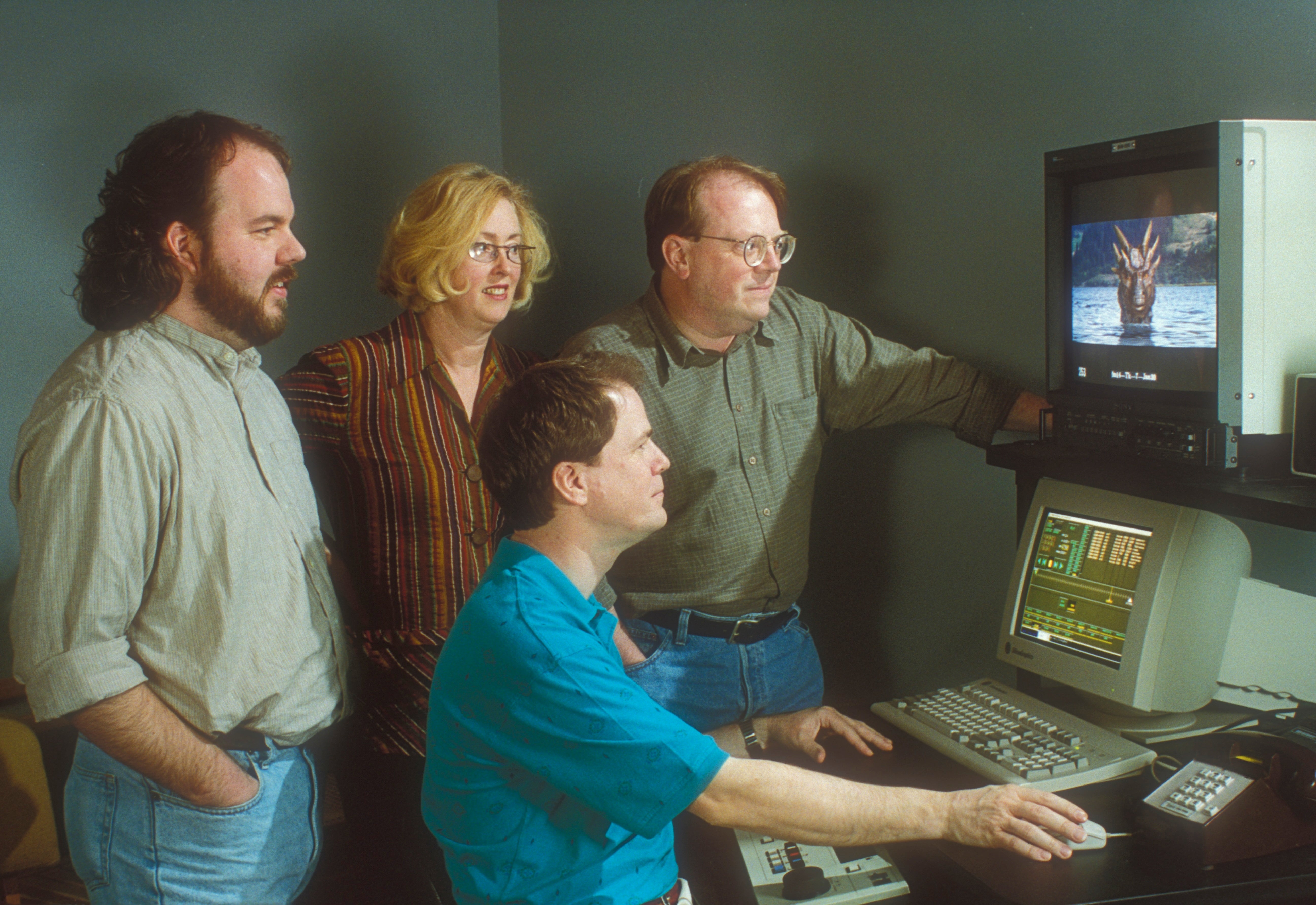
One of the geniuses in the research and development department, Cary Phillips, sat down with James Straus, me, and some of the other animators. He heard about our plight, went off, and created what became known as "caricature." We called it "Cari."

This made everything real-time. We could move Draco’s head and instantly see the result on screen, which was game-changing. It was an amazing innovation that allowed us to work much more fluidly and craft more detailed performances.

Rob: I got to meet Sean in a group. I didn't get to shake his hand or anything like that, but yes, he did arrive, and he walked into the theater. It was hilarious because our producer, Judith Weaver, was really short. She walked him in, and Sean towered over her.

We were all there, and it was amazing. I'd been a James Bond fan, and The Hunt for Red October is one of my guilty pleasures. He did tour around, and I think James Straus was able to show him a bunch of our animation. It was a thrill to have him in the building.

Draco had all kinds of extra nuances, and we had Sean Connery to lean on. We did try to capture things like Connery talking out of one side of his mouth. Watching the voice actors was a practice Disney animators would use. We did the same thing with Draco.

James Straus had stills of Sean and all these different facial expressions up by his desk. I remember he would point to certain things, and we would then try to match that, because that would help the audience connect with the voice that was coming from Draco.

Because Sean Connery's voice was so distinctive, there was a worry that audiences would not accept his voice as coming from the dragon. In retrospect, I think we were successful, and they forgot they were listening to Sean Connery and just heard Draco.

Rob: I have not seen Dragonheart in a very long time, but I was very proud to be at ILM and to be on that team. I knew at the time that we were doing something that was groundbreaking. It launched my career in a major way, and I went on to do Men in Black. Dragonheart and Men in Black convinced George Lucas that ILM was ready to do the digital characters that he had thought of in the Star Wars prequels. I became the animation director on those films.

When animation is done at its highest level, you can convince an audience that they're watching a living, breathing, thinking being. As animators, our goal is always to breathe some of our own humanity into our performances. To become a great animator, you have to be a great observer of human beings. If you do that, the majority of the audience will come along with you.

I have a very warm spot in my heart for Dragonheart, and for being at the right studio at the right time. I learned so much about animation from James Straus, and the company believed in me.

It makes me happy to hear from people, like yourself, who still think of it fondly. I'm very proud to have been part of it.

I'm off to re-watch Dragonheart for the millionth time!

If you want to learn more about the film, here are some additional behind-the-scenes:

- A look back on Dragonheart's influence on Star Wars