yahoo Press
NASA releases new ‘Earthset’ and eclipse images taken during historic flyby of the moon
Images
1 / 16
2 / 16

3 / 16

4 / 16

5 / 16

6 / 16
7 / 16
8 / 16
9 / 16
10 / 16
11 / 16
12 / 16
13 / 16

14 / 16

15 / 16

16 / 16
It was a moment for the history books: The Artemis II mission performed its much anticipated lunar flyby yesterday, and came within just 4,067 miles of the moon.

While soaring aboard their Orion capsule beyond the far side of the moon, the crew also reached an estimated 252,756 miles from Earth, breaking Apollo 13’s record for the farthest humans have traveled into space.

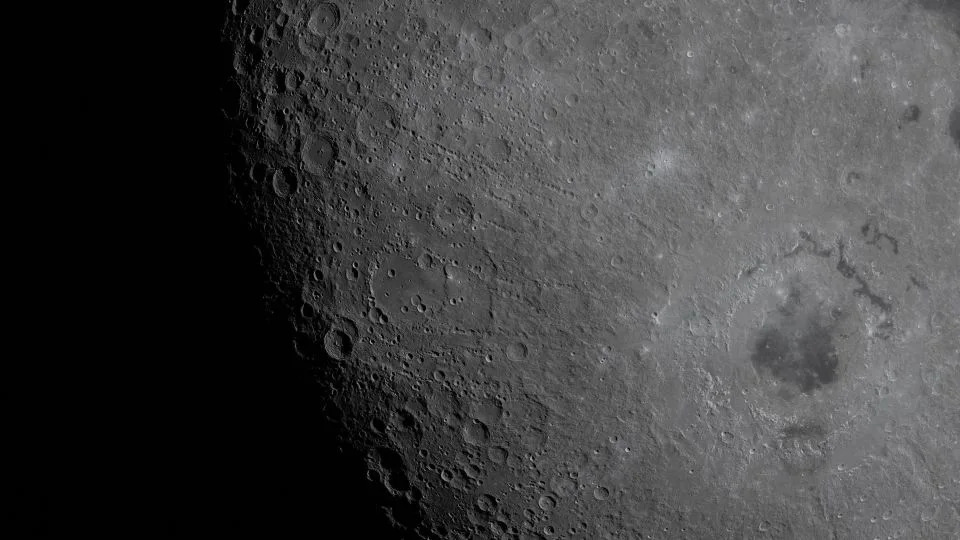
The flyby lasted seven hours, during which the astronauts could enjoy views of the lunar surface previously unseen by human eyes, with about 21% of the moon’s mysterious far side illuminated by the sun from the crew’s perspective.

Working in two shifts across roughly five hours, NASA astronauts Reid Wiseman, Victor Glover, Christina Koch, and Canadian Space Agency astronaut Jeremy Hansen took about 10,000 photos, according to NASA’s livestream of the mission.

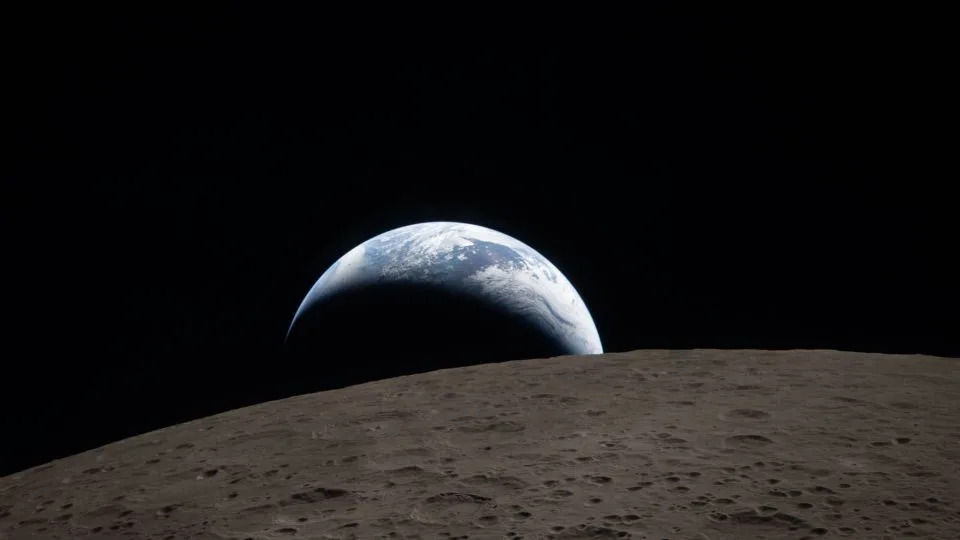
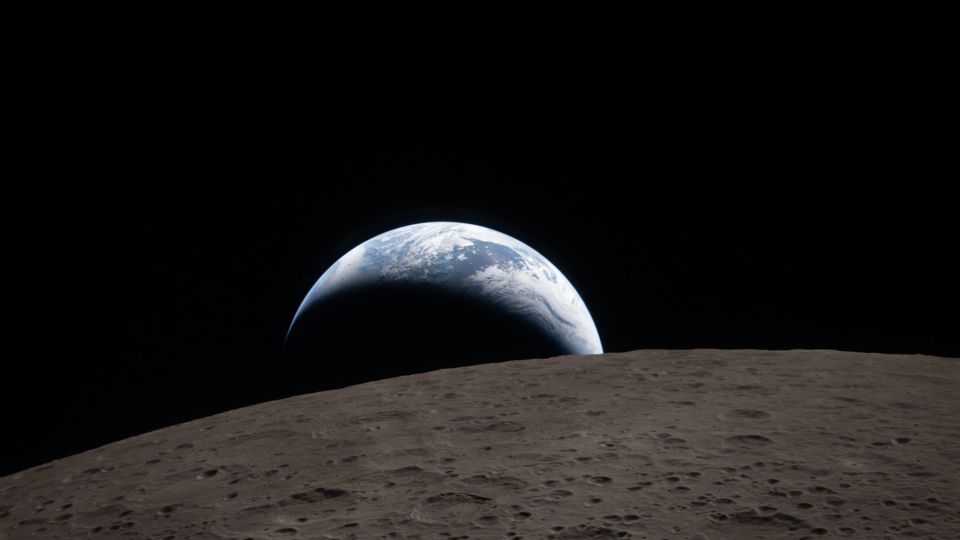
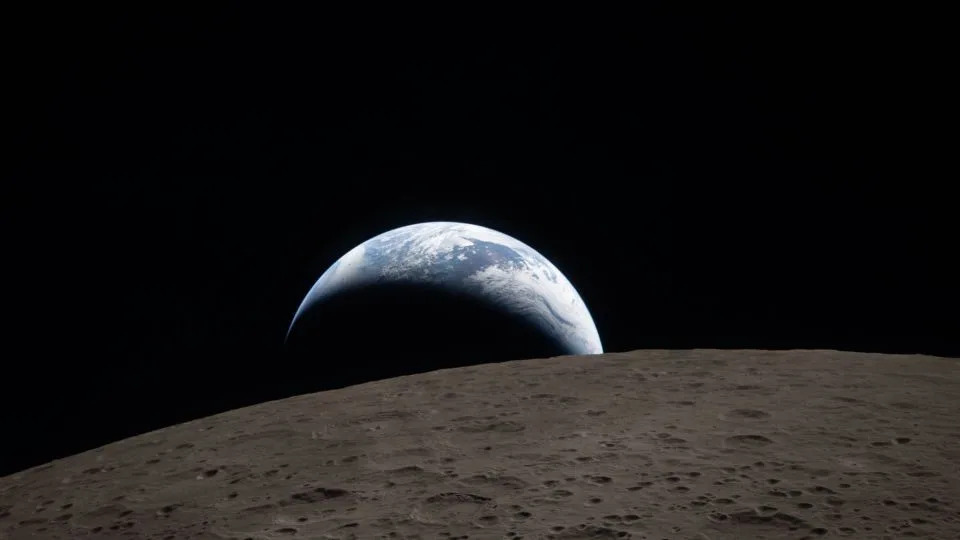
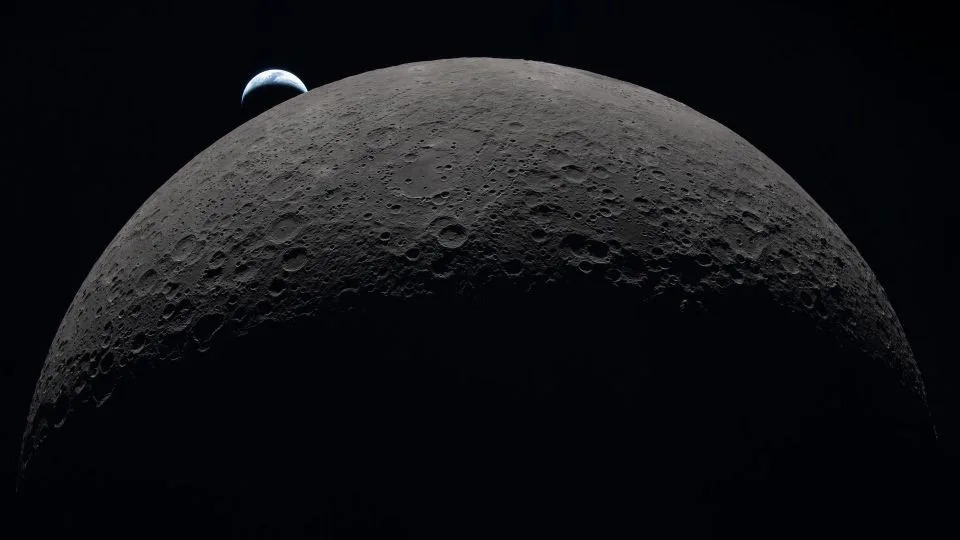
Communications stopped for about 40 minutes during Orion’s transit behind the moon. The crewmembers saw “Earthset,” or Earth appear to set behind the moon, not dissimilar to what the Apollo astronauts witnessed in 1968.

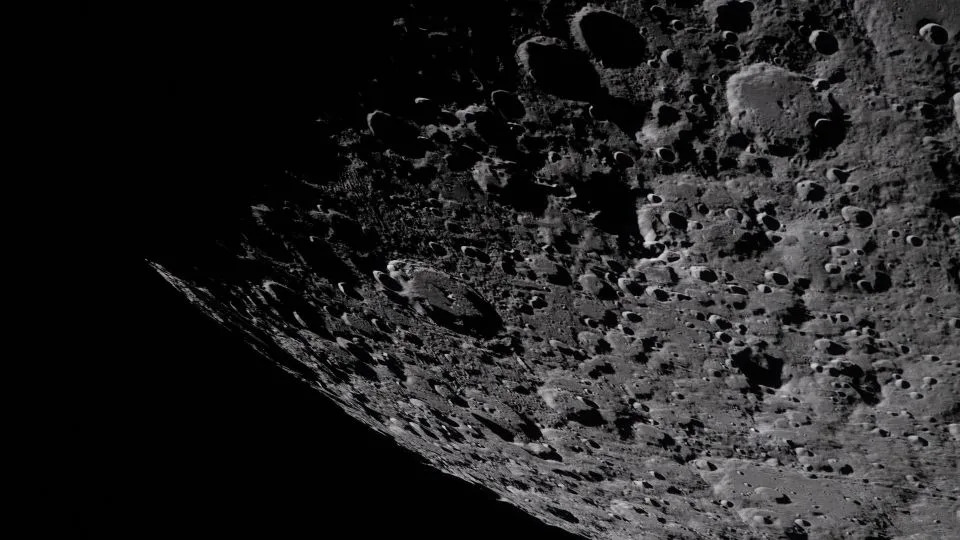
Craters are visible across the lunar surface. On the illuminated side of Earth, clouds are visible over Australia and Oceania, while the dark side is in nighttime.

The Artemis science team trained the crew to look for specific features on the moon, including ancient lava flows and impact craters. In this Earthset image, the astronauts saw Hertzsprung Basin, which appears as two concentric rings.

The astronauts also spied rings around the Orientale Basin, one of the moon’s youngest large impact craters. Prior to this mission, Orientale had never been seen with human eyes before.

At the 10 o’clock position in relation to Orientale are two small craters. The astronauts suggested naming one Integrity for their Orion spacecraft, and the other Carroll for Artemis II Commander Reid Wiseman’s late wife. Carroll Taylor Wiseman, a nurse in a newborn intensive care unit, died in 2020 following a battle with cancer.

After naming the crater Carroll, the four astronauts hugged while shedding tears and a moment of silence was observed in NASA Mission Control in Houston.

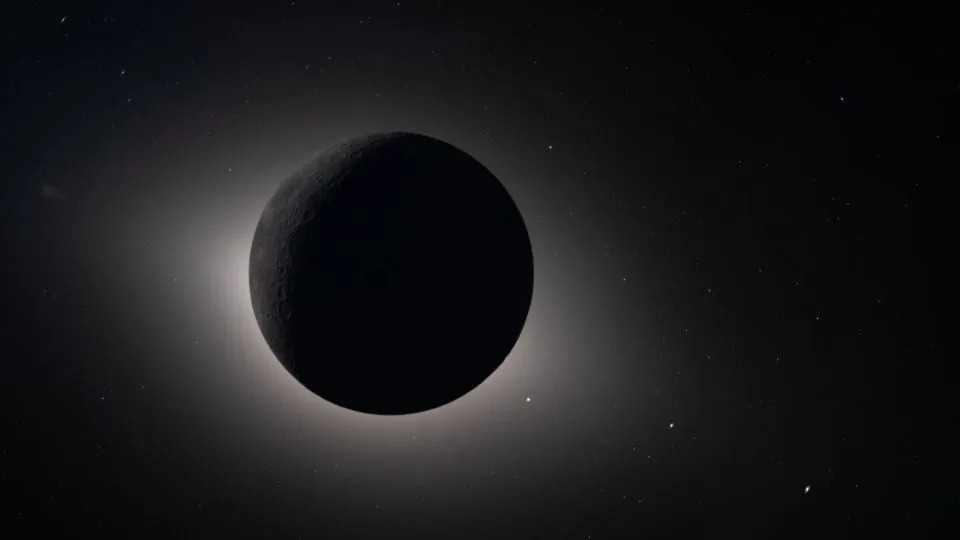
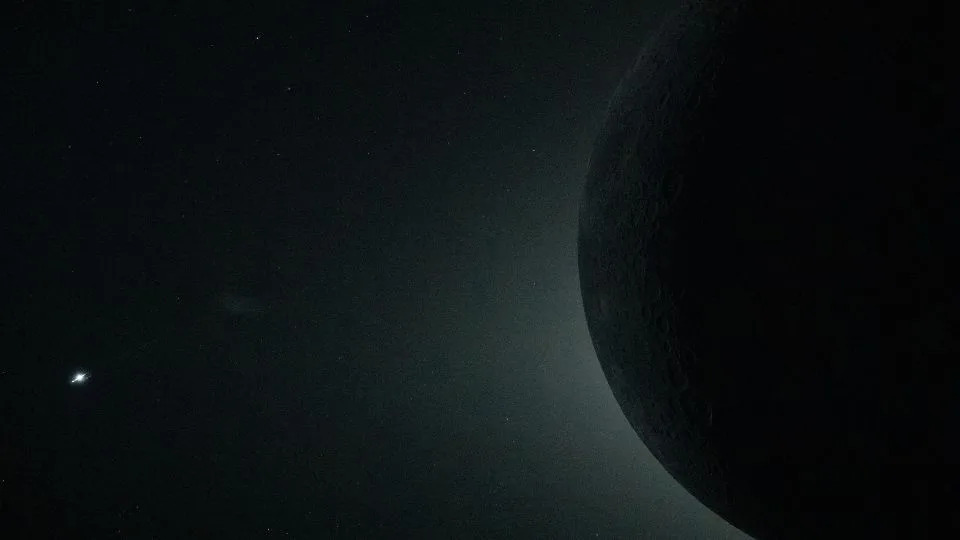
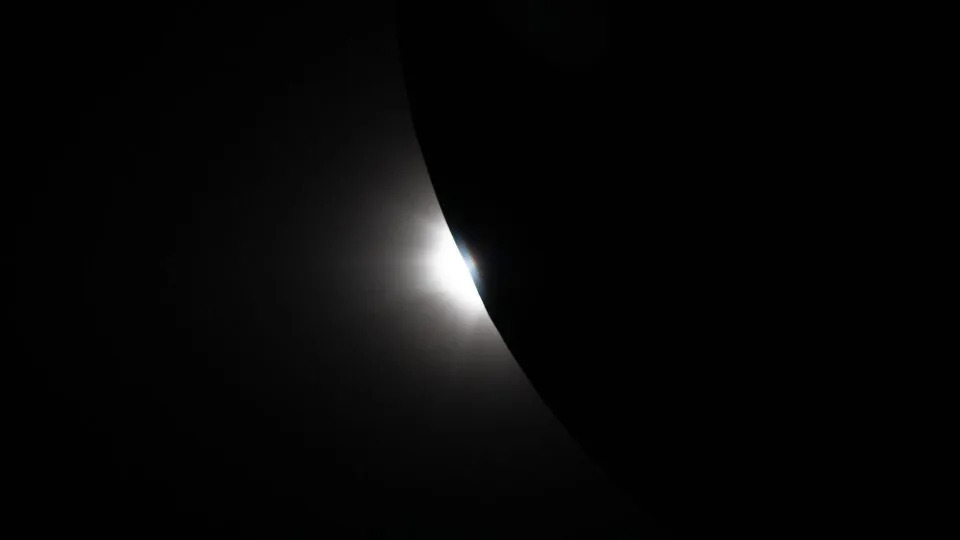
Later in the flyby, the astronauts were treated to a very special solar eclipse.

To the Artemis II crew, the moon appeared much larger through the windows of Orion than it does on Earth.

As the moon blocked the sun from view, parts of the solar corona, or the sun’s outer atmosphere, appeared visible, including structures called streamers they described as “baby hairs.”

Totality, or when the sun is entirely blocked from view during an eclipse, lasted nearly an hour for the astronauts, while totality on Earth is typically just a few minutes long.

During the eclipse, the astronauts could also see planets like Mars, Venus and Saturn, as well as stars, and Earthshine, or the glow of Earth’s light.

After the flyby, Artemis II Commander Reid Wiseman thanked the NASA science team for putting together such an exciting observing program for them, as well as “some great, truly human experience moments here.”

“We were well prepared, and we appreciate all of you, and this is what we do best when we all come together and work as a team,” Wiseman said. “So y’all knocked it out of the park. Thank you for giving us this opportunity.”

Science officer Dr. Kelsey Young in turn shared her gratitude with the crew: “I can’t say enough how much science we’ve already learned and how much inspiration you’ve provided to our entire team, the lunar science community and the entire world with what you were able to bring today. You really brought the moon closer for us today. And we cannot say thank you enough.”

The photos will help inform scientists’ understanding of the moon and its origins — and lay the groundwork for future missions to the lunar surface.

unknown content item

-

“You know from your experience of seeing the Earth from space how it just seems different,” said Canadian Space Agency astronaut Jeremy Hansen, while speaking with NASA Administrator Jared Isaacman about the flyby.

“When we were on the far side of the moon, looking back at Earth, you really felt like you weren’t in a capsule. You’d been transported to the far side of the moon. And it really just bent your mind. It was an extraordinary human experience. We’re so grateful for it.”

For more CNN news and newsletters create an account at CNN.com