yahoo Press
Treasury unveils new details on proposed U.S. dollar changes
Images
1 / 5
2 / 5

3 / 5

4 / 5
5 / 5
Donald Trump’s name has appeared on skyscrapers, golf courses, hotels even a meme coin. But, no one thought that the future dollar could have an image of the sitting president.

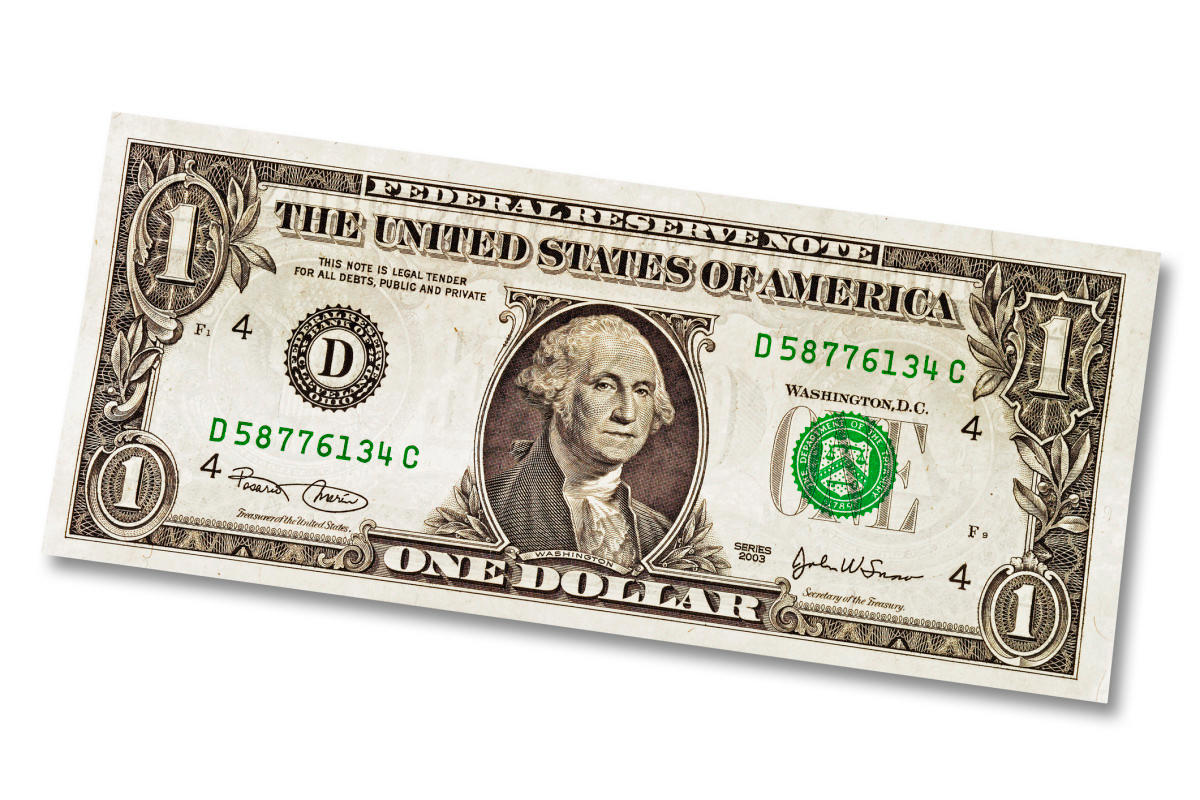
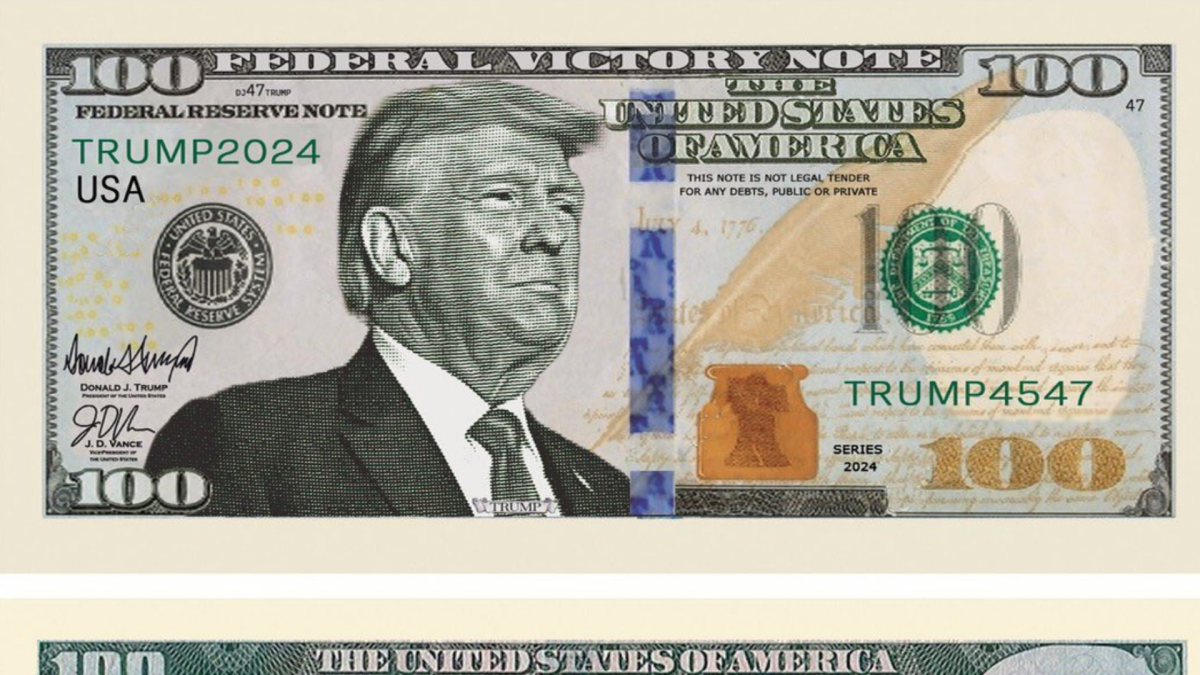
The U.S. Treasury announced on March 26 that President Donald J. Trump’s signature will appear on future U.S. paper currency, marking the first time a sitting president’s signature will be printed alongside that of the Treasury Secretary.

The move is being positioned as part of the United States’ 250th anniversary celebration.

“Under President Trump’s leadership, we are on a path toward unprecedented economic growth, lasting dollar dominance, and fiscal strength and stability,” said Treasury Secretary Scott Bessent. “There is no more powerful way to recognize the historic achievements of our great country and President Donald J. Trump than U.S dollar bills bearing his name, and it is only appropriate that this historic currency be issued at the Semiquincentennial.”

Related: Donald Trump crypto token surges 24 hours after donation appeal

The Treasury announcement does not indicate a full redesign of U.S. currency or the introduction of new imagery on banknotes.

Instead, the change is limited to adding President Donald Trump’s signature alongside the Treasury Secretary’s signature on future printed notes.

U.S. paper currency already includes two signatures:

The Secretary of the Treasury

The Treasurer of the United States

Under the new plan, Trump’s signature would be added to future issues, marking a historical first for a sitting president.

However, the Treasury has not yet clarified:

Whether this will apply to all denominations

How long the signature will remain in circulation

Whether older notes will be phased out or coexist

Modern U.S. banknotes follow a standardised design focused on security, continuity and recognisability.

Each note typically includes:

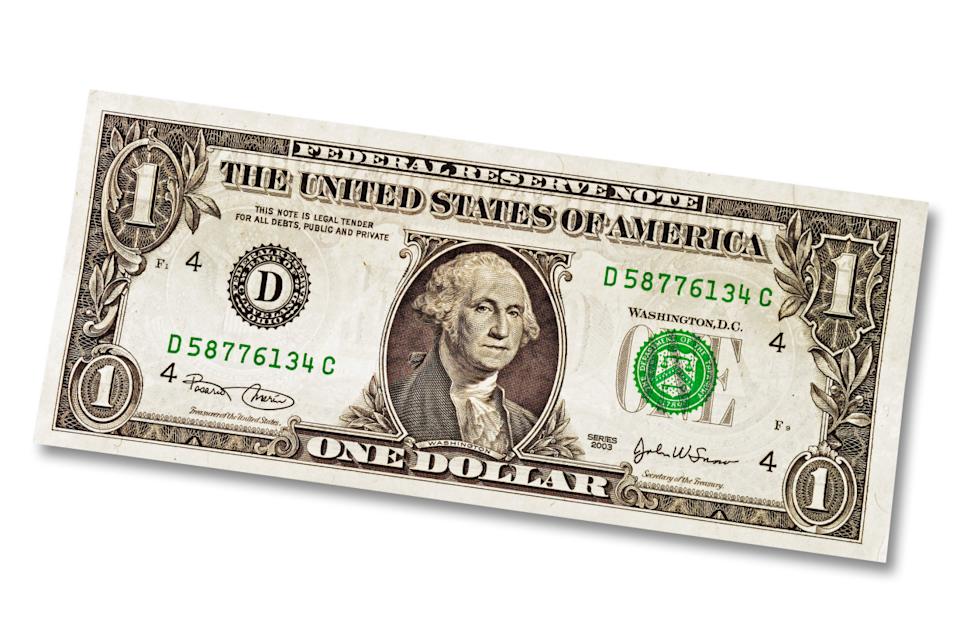
A portrait of a historical figure (e.g. George Washington on the $1 bill, Benjamin Franklin on the $100 bill)

The Federal Reserve seal and Treasury seal

Two official signatures (Treasury Secretary and Treasurer)

Security features such as watermarks, security threads and colour-shifting ink

Serial numbers and issuance details tied to Federal Reserve banks

Importantly, no sitting U.S. president appears on active currency, either through portraits or signatures, making this proposed change historically significant.

The U.S. dollar has undergone multiple design and structural changes over the past 100 years, but none have involved adding the signature of a sitting president.

Every time a new Treasury Secretary or Treasurer is appointed, their signatures appear on newly printed currency. This happens regularly and is purely administrative .

5-star analyst sets massive $150,000 target for Bitcoin

Morgan Stanley-backed crypto stock gets 86% upside rating

Cathie Wood sells Peter Thiel-backed crypto stock twice in a row

The push to feature President Donald Trump more prominently in U.S. currency comes alongside a parallel effort to place his likeness on a commemorative coin.

Earlier in March, the U.S. Commission of Fine Arts approved the final design for a 24-karat gold coin honoring Trump as part of the country’s 250th Independence Day celebrations in 2026. The coin is part of a broader commemorative program led by the U.S. Mint tied to the Semiquincentennial.

According to design documents reviewed by the commission, the coin will feature a portrait of Trump on the obverse (front), while the reverse side incorporates symbolic imagery tied to American history and national identity. The coin is expected to be struck in high-purity gold (24K) and positioned as a collector-grade commemorative issue, rather than general circulation currency.

Like other commemorative coins, it will likely be sold at a premium and targeted at investors, collectors and patriotic-themed buyers.

The announcement lands at a time when the broader U.S. economic picture remains under pressure.

The national debt has surpassed $39 trillion, continuing to grow as deficits widen. At the same time, inflation risks are rising again.

A new forecast from the Organization for Economic Cooperation and Development (OECD) projects U.S. inflation at 4.2% for 2026, significantly higher than its earlier estimate of 2.8% and above the Federal Reserve’s recent projection of 2.7%.

The OECD attributed the upward revision largely to the ongoing Iran conflict and elevated energy prices, warning that prolonged volatility in oil markets could further increase costs for businesses and consumers.

“The breadth and duration of the conflict are very uncertain, but a prolonged period of higher energy prices will add markedly to business costs and raise consumer price inflation,” the organization said, adding that central banks “need to remain vigilant” against inflation risks.

Financial markets remain sensitive to developments in the Middle East.

U.S. stock futures moved higher after Trump extended a deadline tied to potential strikes on Iran’s energy infrastructure, signaling a possible pause in escalation. Dow futures rose about 0.4%, with S&P 500 and Nasdaq futures posting similar gains.

However, recent trading sessions have reflected ongoing uncertainty. The S&P 500 fell 1.74%, while the Nasdaq dropped 2.38%, as investors reacted to rising oil prices and unclear diplomatic outcomes.

Crypto markets are also navigating the same macro pressures.

The global cryptocurrency market cap stands at approximately $2.44 trillion, up around 3% in the past 24 hours, with Bitcoin trading near $68,800 and Ethereum above $2,000.

Despite the short-term recovery, sentiment remains fragile as traders respond to geopolitical risks and inflation expectations, both of which continue to influence liquidity and risk appetite across markets.

Related: Treasury Secretary Bessant denies market intervention amid oil surge

This story was originally published by TheStreet on Mar 27, 2026, where it first appeared in the MARKETS section. Add TheStreet as a Preferred Source by clicking here.