yahoo Press
Nasdaq slides into correction amid Iran tensions and oil surge
Images
1 / 5
2 / 5

3 / 5

4 / 5
5 / 5
“The surge in oil has intensified stagflation concerns, weighing on global equities, with some US indices falling to seven-month lows as investors scaled back expectations for Fed rate cuts," IG's Axel Rudolph said.

"Technology stocks led declines amid reduced risk appetite and pressure on AI valuations, while consumer sentiment in the US dropped sharply to near record lows, reflecting the combined impact of rising fuel costs, market volatility and geopolitical uncertainty."

The 10-year Treasury yield spiked to 4.46% on Friday, hitting its highest level since July.

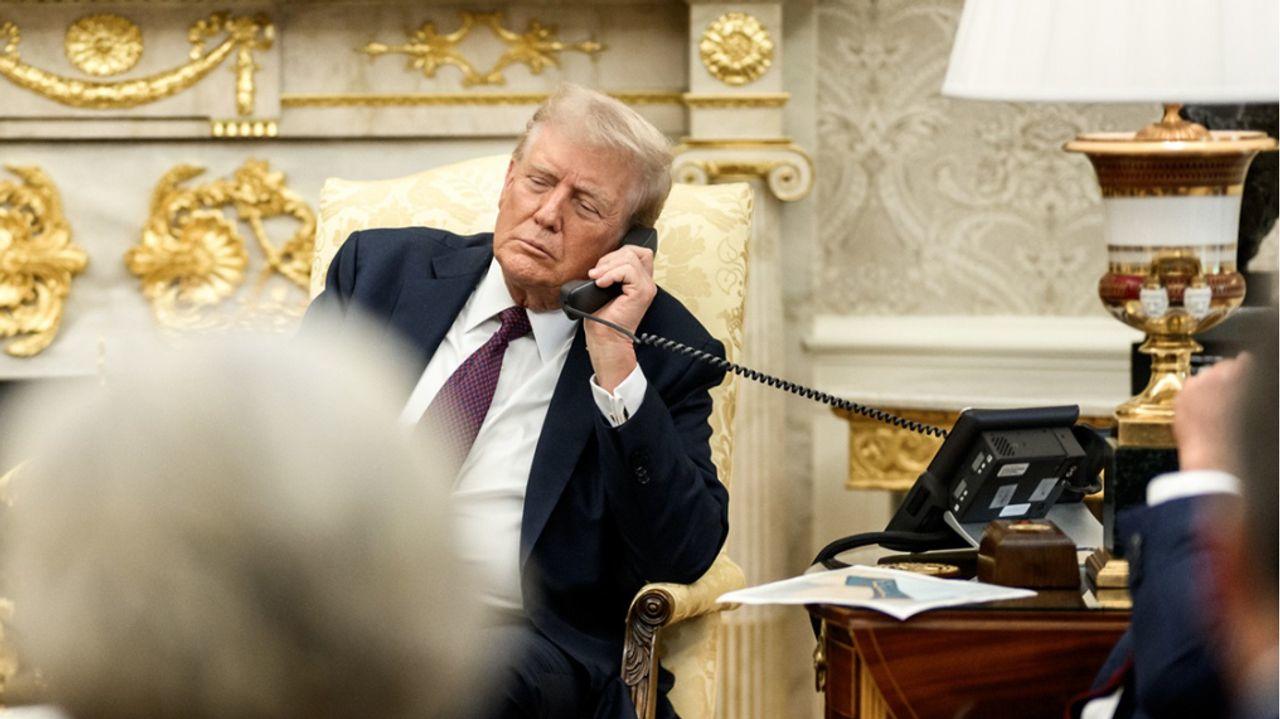
President Trump's decision to delay strikes on Iranian infrastructure didn’t ease investor worries or push oil prices lower, and the bond market reacted accordingly.

To put it in perspective, the 10-year yield was around 3.96% before tensions flared in Iran—remember, bond prices and yields move in opposite directions.

Stocks are opening lower Friday, extending this week’s pullback as investors grapple with persistent geopolitical uncertainty.

The Nasdaq is down 1.3% to 21,130, while the Dow Jones Industrial Average is off 1.1% at 45,467. The S&P 500 is slipping 1% to 6,414, and the Russell 2000 is declining 0.6% to 2,478.

The weak start follows a sharp shift in sentiment late this week, with the Nasdaq entering correction territory on Thursday after falling more than 10% from its October peak. Even so, losses have remained relatively contained, as investors balance near-term risks with longer-term growth expectations.

Oil prices are amplifying those concerns. US crude remains above $100 a barrel after President Trump extended a deadline on potential strikes against Iranian energy infrastructure by 10 days. But the move has done little to reassure markets.

As Kathleen Brooks noted, “oil traders are now discounting the daily torrent of posts and incoherent press conferences from the White House, as the war rages on.” She added that “investors are facing the facts: the Strait of Hormuz is effectively closed and it does not appear that there is a real end in sight to the war.”

Brooks also emphasized why markets aren’t reacting positively to the delay in military action: “Effectively, this is just another 10 days where nothing will be achieved and 20% of the world’s oil supply will remain constrained,” helping explain why the broader sell-off is continuing.

On the corporate front, there are a few pockets of strength. Netflix shares are up about 2.8% after the company raised subscription prices across all its streaming tiers. Meanwhile, IPO speculation is building, with Anthropic reportedly eyeing a potential public debut as soon as October, while SpaceX is said to be considering a less conventional route to market.

Still, the macro backdrop is dominating early trade. Investors will be watching the final reading of March consumer sentiment, due at 10 am ET, for further clues on the resilience of the US economy in an increasingly uncertain environment.

Wall Street stocks are set to start lower again on Friday, despite President Donald Trump's extension of a deadline for Iran to reopen the Strait of Hormuz before attacking its power plants by ten days to April 6, saying talks are "going very well."

Nasdaq futures were down 0.6%, with the S&P 500 and the Dow Jones expected to drop 0.4%. The Nasdaq also led the losses on Thursday, with a 2.4% fall, while the S&P 500 shed 1,7% and the Dow declined 1%.

Saxo Markets' Neil Wilson noted that while Trump's deadline extension to Iran to 6 April has eased immediate escalation fears, it offers no clear resolution. Brent crude rose back to $110 a barrel for a third day, while WTI futures rose to $96.63 from the previous close of $94.48.

European markets also traded weaker, with London's FTSE 100 reversing earlier gains to 0.7% lower by late morning in the UK. Frankfurt's DAX shed 1.3% and the Paris CAC 40 fell 0.8%.

Oil flows remain under pressure, with around 8 million bpd still at risk, and the Strait of Hormuz remains effectively blocked. G7 diplomats meet in Paris today to try to ease tensions, but disruption is set to continue. Market focus is increasingly shifting from inflation to the growing stagflation risk, Wilson added.

"Delay is not a deal: Minutes after US stocks posted their worst day since Middle East war, Trump was back on Truth Social extending his deadline for a peace deal with Iran by 10 days, claiming talks were going 'very well'," Wilson said. "So far so Taco...but markets ain’t buying it with crude oil prices stubbornly higher and equity markets lower while the dollar and bond yields are elevated."