Press
What do esports students actually learn on a course?
Images
1 / 13

2 / 13
3 / 13
4 / 13
5 / 13
6 / 13

7 / 13
8 / 13

9 / 13

10 / 13

11 / 13

12 / 13

13 / 13
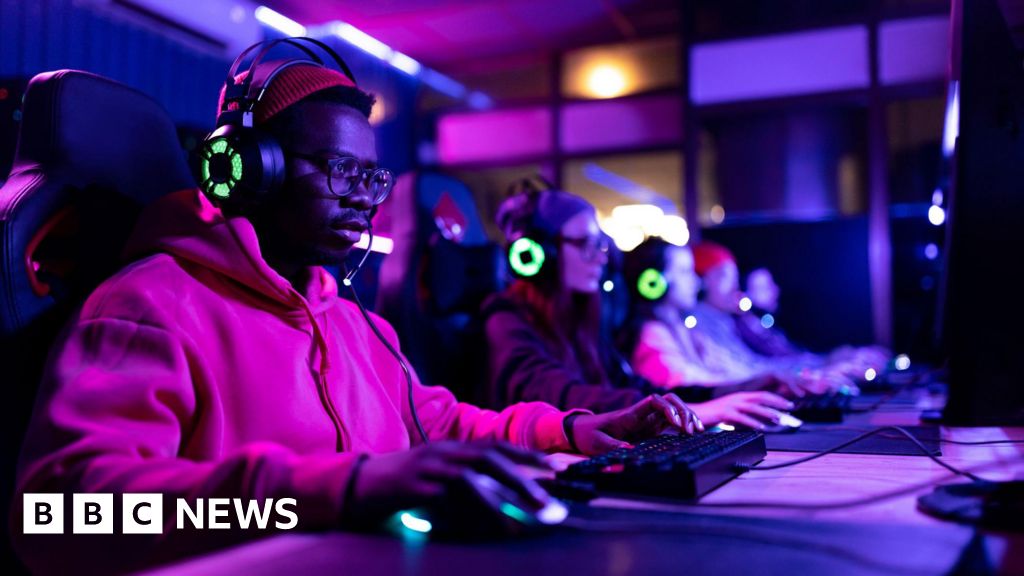
Playing video games in college may seem unusual, but for many teenagers across the country, it could lead to professional careers.

Students at Central Bedfordshire College have just finished their first year of the Level 3 Pearson BTEC in esports, the first time the college has offered such a course.

While gaming is a key part of the learning, students also study a broad range of modules designed to prepare them for work both inside and outside competitive gaming.

These can include psychology to understand how the brain reacts under pressure, alongside nutrition and fitness to ensure they have the energy to compete effectively.

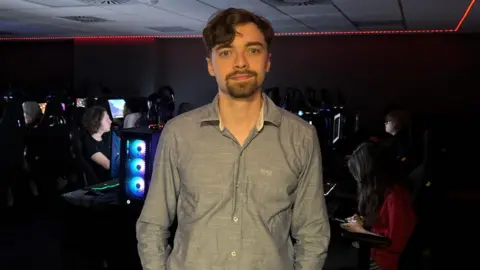
Lead lecturer Hugo Cousin, 25, says the course is designed to bridge the gap between a hobby and a professional career.

"The purpose of this course is not to take people who want to do gaming and just do gaming, it's to take people who've got an interest in gaming and esports and turn that into practical work experience and a practical career," he explains.

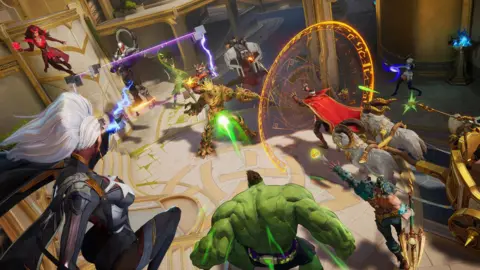
Students practise and learn tactics in games such as Valorant, Marvel Rivals and Fortnite, but the course extends far beyond playing.

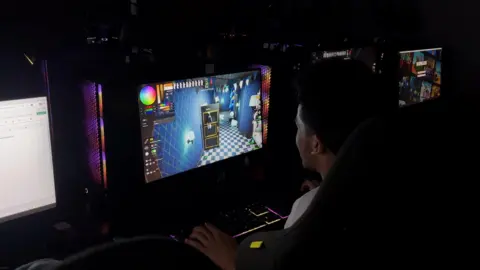
Students also organise their own esports events, taking responsibility for video production, broadcasting, commentary and tournament marketing.

They even work together to design the jerseys worn by the college's competitive teams.

Alongside that, students explore ideas such as how exercise can improve gaming performance and how anxiety can be managed in competitive settings.

Cousin continues: "Overall, the esports course teaches a lot of communication, teamwork and social skills.

"It's also quite technology focused... they're learning how to use video editing software, programming languages, recording software- those kinds of technical skills can be quite useful for various types of careers."

When 16-year-old Alfie Humphrey first visited the college, he had planned to do a traditional sports course, but changed direction when he found the esports programme.

He found the academic side of the course surprising, noting there are "lots of different things that I wouldn't think go into like just playing games".

The teenager says: "I learned a lot about psychology, I think that's my favourite part."

He plans to continue with esports at a university level so he can learn about the industry "more in depth".

Alfie views higher education as an opportunity to "pick up some more skills" while he continues to "figure out what I want to do still".

According to a 2023 report by Ukie, a trade association that represents the UK video game industry, the country is home to Europe's largest community of student esports players.

British Esports said it launched its education programmes in 2020 and now works with 200 schools and colleges.

It said more than 18,000 students are currently enrolled on Level 2 and Level 3 BTEC Nationals in Esports.

Many of those students go on to continue studying esports at university, with British Esports saying it now works with more than 100 of those across the country.

Dr Lucy Zhu, the senior lecturer in esports and programme leader at the University of Northampton, says that the majority of candidates applying for their degree courses now come from a BTEC background.

While the industry has existed for years, with teenagers turning a hobby into a career, Dr Zhu said its rapid "professionalisation" since 2015 has created a need for a more formal talent pipeline.

She says: "We're definitely not training them to be professional players, I don't think any esports degree in this country does that."

Northampton students learn a diverse range of skills, including coaching, business management, and digital marketing.

Dr Zhu says: "More and more esports institutions are now offering this education from a multidisciplinary approach... because there are just so many different career directions.

"We help the young generations to develop themselves, develop the skills, and create economic values or social values by using this as the vehicle."

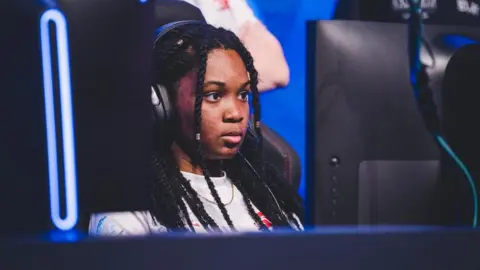
In 2022, Luton-based Rocket League player Alanis won gold while representing Team England at the Commonwealth Esports Championships.

Since then, the 20-year-old has continued to compete for major organisations and has become an advocate for esports education.

She says: "Most people who enter esports won't make a full-time living from competition alone, [but] that doesn't mean young people shouldn't pursue that goal.

"However, I think it's important to have a broader understanding of the industry and develop skills that can lead to other opportunities if professional play doesn't work out.

"Some of the most rewarding careers in esports exist away from the actual games".

Alanis says education courses can provide a strong foundation for those careers, but practical experience is equally important.

"I'd also encourage students to build experience outside the classroom," she says.

"Whether that's competing, creating content, volunteering at events, managing communities or networking, those experiences are often just as valuable as what you learn on the course itself."

Do you have a story suggestion for Beds, Herts or Bucks? Contact us below.

Follow Beds, Herts and Bucks news on BBC Sounds, Facebook, Instagram and X.

It comes after the removal of almost 300 patients was ordered by NHS England earlier this year.

Beata Szauer, 46, was found dead in January, two weeks after she was last seen on CCTV, police say.

A council leader says without a direct link it could put a town "at a significant disadvantage".

Arts Collective opens in Northampton after a £5.2m renovation.

Live music, chants and cheers greeted the Northampton Saints players on their victory lap.