huffpost Press
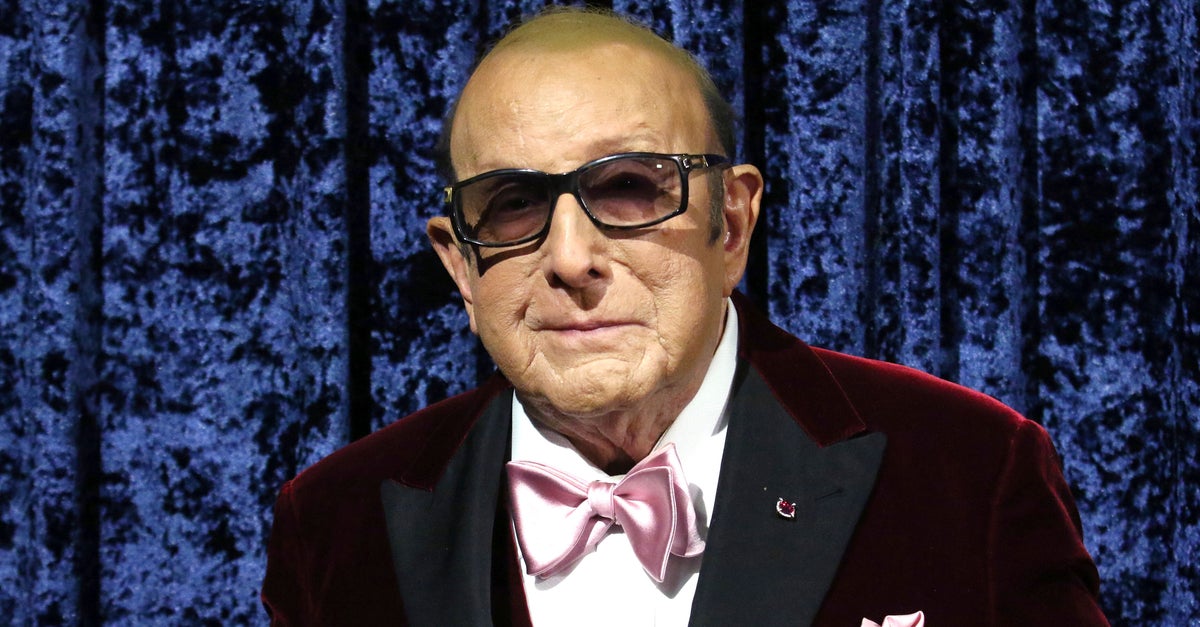
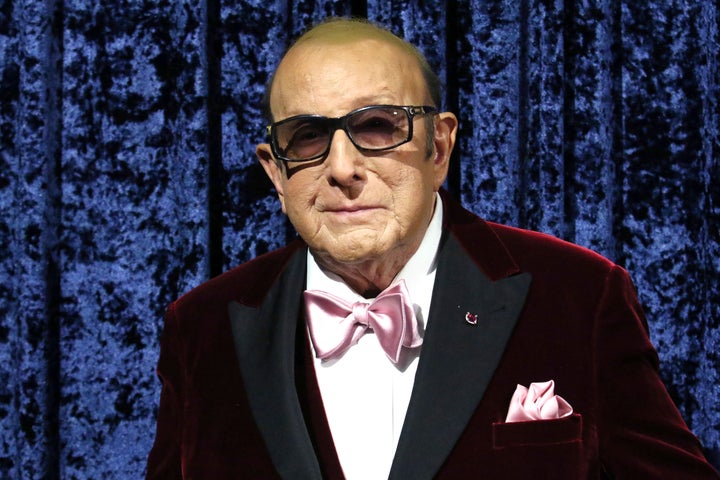
Clive Davis, Legendary Executive Who Helped Shape Modern Music, Has Died
Images
1 / 9

2 / 9
3 / 9
4 / 9
5 / 9

6 / 9

7 / 9

8 / 9

9 / 9
Clive Davis, the legendary record executive and four-time Grammy-winning producer who helped launch and shape the careers of Whitney Houston, Bruce Springsteen, Janis Joplin, Aerosmith, Alicia Keys, Carrie Underwood and countless other superstars, has died at age 94.

His family confirmed the death, The New York Times reported. Davis was hospitalized in May for a respiratory infection.

From his early days as a lawyer to his time as one of the most powerful executives in the music business, the Brooklyn native built an indelible legacy spanning nearly six decades, helping to shape the modern music industry and influencing generations of noteworthy artists.

Widely regarded as one of the most respected figures in the recording industry, Davis earned the nickname “the man with golden ears” for his uncanny ability to spot promising unknowns and transform them into household names.

But beyond discovering talent, Davis was also known as a hands-on creative partner who worked closely with artists to refine their sound and image and guide their careers. His approach to artists’ development ultimately redefined the music business and soon became the industry standard.

Davis’ ascent in the music world began in the 1960s when he joined Columbia Records, quickly rising through the ranks before being named president in 1967 at just 35 years old. At a time when rock music was emerging as the new frontier, he played a key role in ushering a new generation of artists into the mainstream.

During his tenure at Columbia, Davis signed and championed landmark acts including Carlos Santana, Chicago and Billy Joel, while also bringing other artists like Neil Diamond, Pink Floyd, Herbie Hancock and the Isley Brothers to the label.

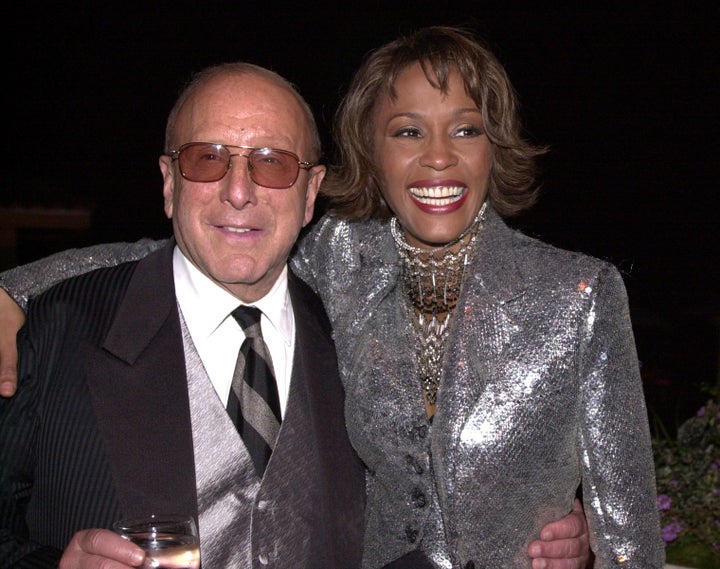
After he was fired from Columbia in the mid-1970s, Davis embarked on what would become another defining chapter of his career with the launch of Arista Records. Under his leadership, the label became home to some of the era’s biggest stars, including Whitney Houston, Hall & Oates, The Grateful Dead, Dionne Warwick and Kenny G.

Over the following decades, Davis remained a towering force in the music industry, pursuing ventures that expanded his influence, such as founding J Records and partnering with L.A. Reid and Babyface to form LaFace Records — whose roster included hitmaking acts such as TLC, Toni Braxton, Usher, OutKast and Pink. He also later served as chief creative officer of Sony Music Entertainment.

Across his various label endeavors, Davis oversaw an extraordinary range of artists spanning rock, R&B, pop, hip-hop and country genres. The music man built a reputation for staying ahead of the curve, picking up trends before anyone else that would come to define entire eras.

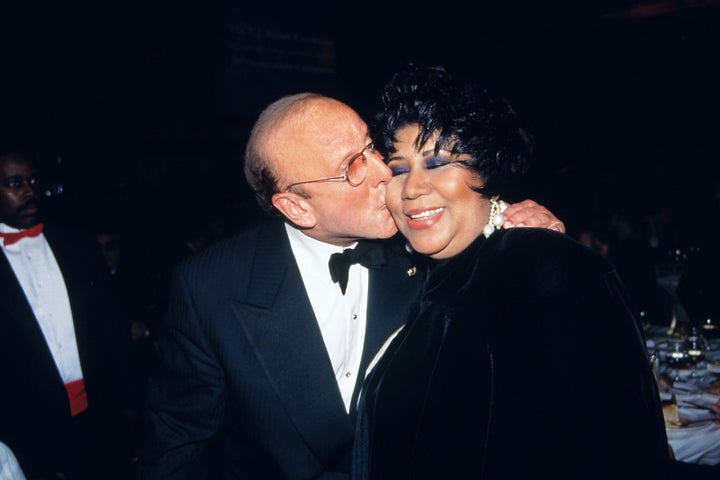
Aretha Franklin, who spent more than four decades working with the music producer after signing to Arista in 1980, once called Davis “the greatest record man of all time.”

In 2000, Davis’ contributions earned him a spot in the Rock & Roll Hall of Fame as the only nonperformer to be inducted at the time. That same year, he won his first two Grammy Awards for his work on Santana’s “Supernatural,” which won both Best Rock Album and Album of the Year.

During his decadeslong career, Davis’ influence extended not only across the music industry but also into academia. In 2002, he donated $5 million to his alma mater, New York University, to establish the Clive Davis Institute of Recorded Music, one of the nation’s most esteemed programs dedicated to the study of contemporary music and the music industry. The university later awarded him an honorary doctor of fine arts degree in 2011.

In 2013, Davis released his memoir, “The Soundtrack of My Life,” a candid account of his life and decades at the center of the music business. His music-filled journey was later chronicled in the 2017 documentary “Clive Davis: The Soundtrack of Our Lives,” which explored both his career and his lasting impact on popular music.

Davis remained active in the industry well into his later years, repeatedly emphasizing his enduring passion for music in numerous interviews. In 2013, he told NPR he could “never” get enough of the business, “or I would not still be doing it.”

“Extending the careers of these iconic artists has been a source of great reward and fulfillment to me,” he added. “If your health is good, if the report cards are good, you keep on doing it. And I love it. I’ve given back by endowing an institute at NYU for students to study contemporary music and follow their dreams, so I’m continuing to follow mine.”

Davis is survived by his sons, Doug, Fred and Mitchell, and his daughter, Lauren.

By entering your email and clicking Sign Up, you're agreeing to let us send you customized marketing messages about us and our advertising partners. You are also agreeing to our Terms of Service and Privacy Policy.