Press
‘We tasted the horrors of war’: Stories of refugees who returned home
Images
1 / 20
2 / 20
3 / 20
4 / 20

5 / 20

6 / 20

7 / 20

8 / 20

9 / 20

10 / 20

11 / 20

12 / 20

13 / 20

14 / 20

15 / 20

16 / 20

17 / 20

18 / 20

19 / 20

20 / 20
In 2025, nearly 15 million displaced people returned, the largest surge of returns recorded by the United Nations.

Save

Share

"Returning was beautiful in the sense of going back to one’s country, but it was very exhausting physically, emotionally, financially, and mentally, because everything has changed," 37-year-old Hiam tells Al Jazeera.

She is one of more than three million displaced people to return to Syria since the fall of the al-Assad regime in 2024.

As the world marks World Refugee Day on June 20, Al Jazeera looks at who is going home and the conditions they are returning to.

At least 117.8 million people, or one in 70 individuals worldwide, remain forcibly displaced, according to the latest figures by the United Nations High Commissioner for Refugees (UNHCR).

The overall displaced population, roughly the size of Egypt, the Philippines or the Democratic Republic of the Congo (DRC), includes refugees, asylum seekers, Palestinians under UNRWA's mandate, internally displaced people (IDPs) and other people in need of international protection.

For the first time in 10 years, forced displacement has declined - a shift driven by large-scale returns of refugees and IDPs from the world's biggest displacement crises.

Of the 117.8 million forcibly displaced:

By the end of 2025, 41.6 million refugees were living outside their countries of origin. Nearly one in every two refugees came from just four countries: Venezuela, Palestine, Ukraine and Syria.

At the same time, a relatively small number of host countries carried much of the responsibility for providing protection, with Jordan, Colombia, Germany and Turkiye hosting some of the world’s largest refugee populations.

In 2025, nearly 15 million displaced people returned, the largest surge of returns recorded by the UN.

Those returning represent just 12 percent of the total forcibly displaced population. IDPs account for the majority: 10.3 million IDPs returned to homes within their own countries, while 4.36 million refugees - nearly triple the 2024 figure - returned home.

While the UNHCR reports that the sentiment shared by many refugees and IDPs is to return home to rebuild their lives, the organisation warns that the conditions for refugee returns are far from ideal, with many people returning to violence and instability, raising questions about the dangers facing those who go back to their country of origin.

Refugee returns in 2025 were highly concentrated. Of the 4.36 million refugees who returned home, almost 98 percent went back to just five countries:

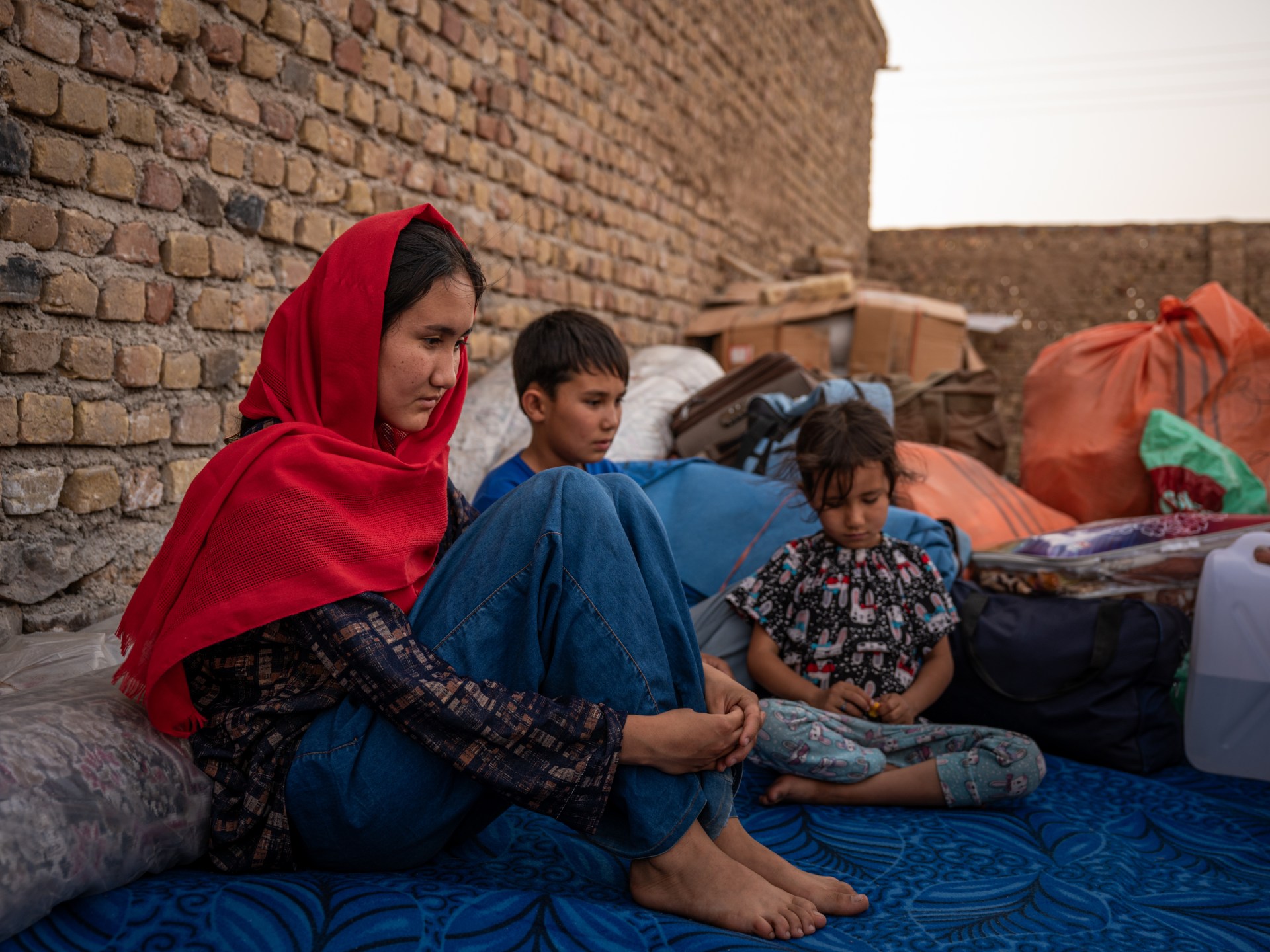
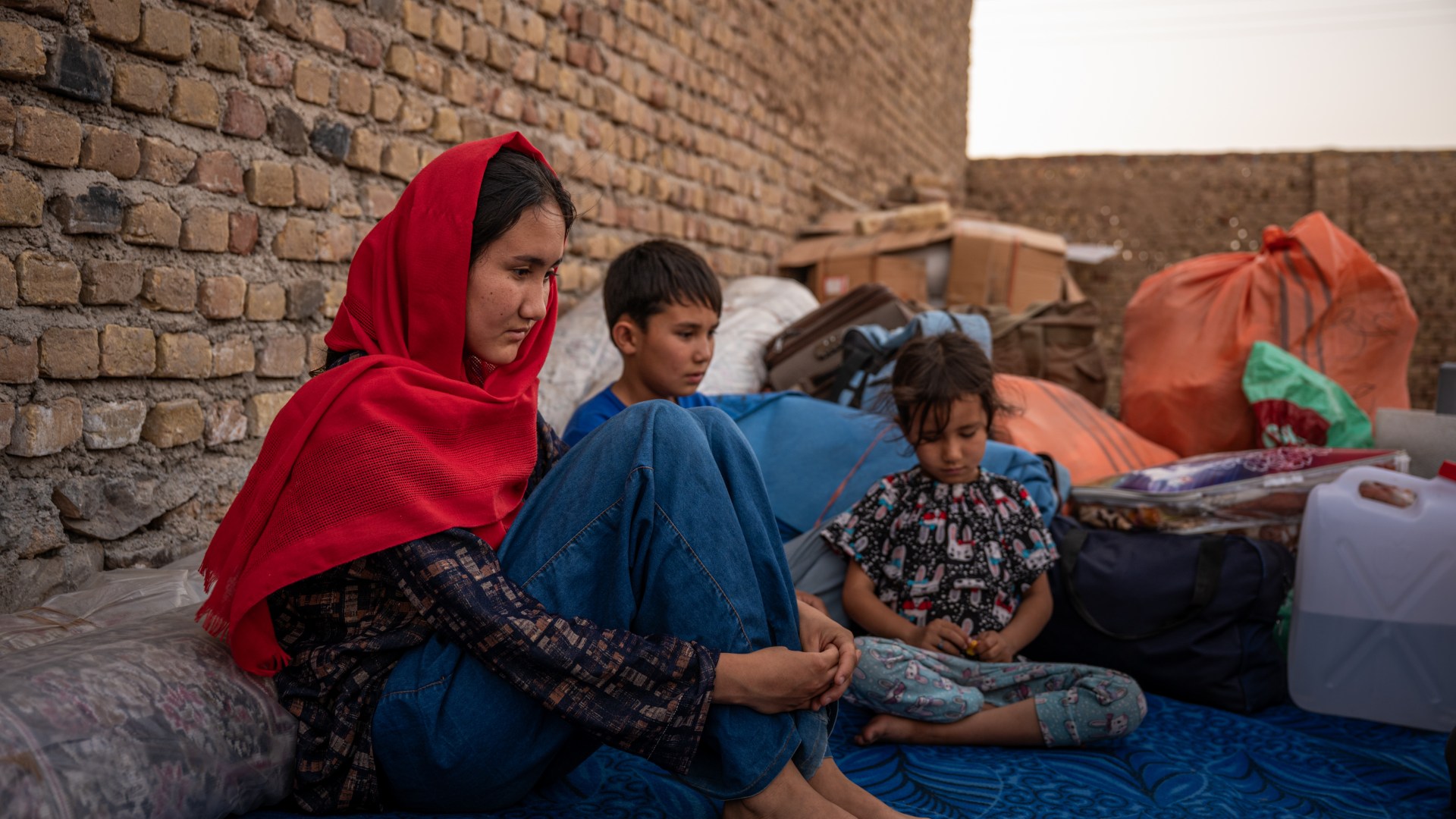
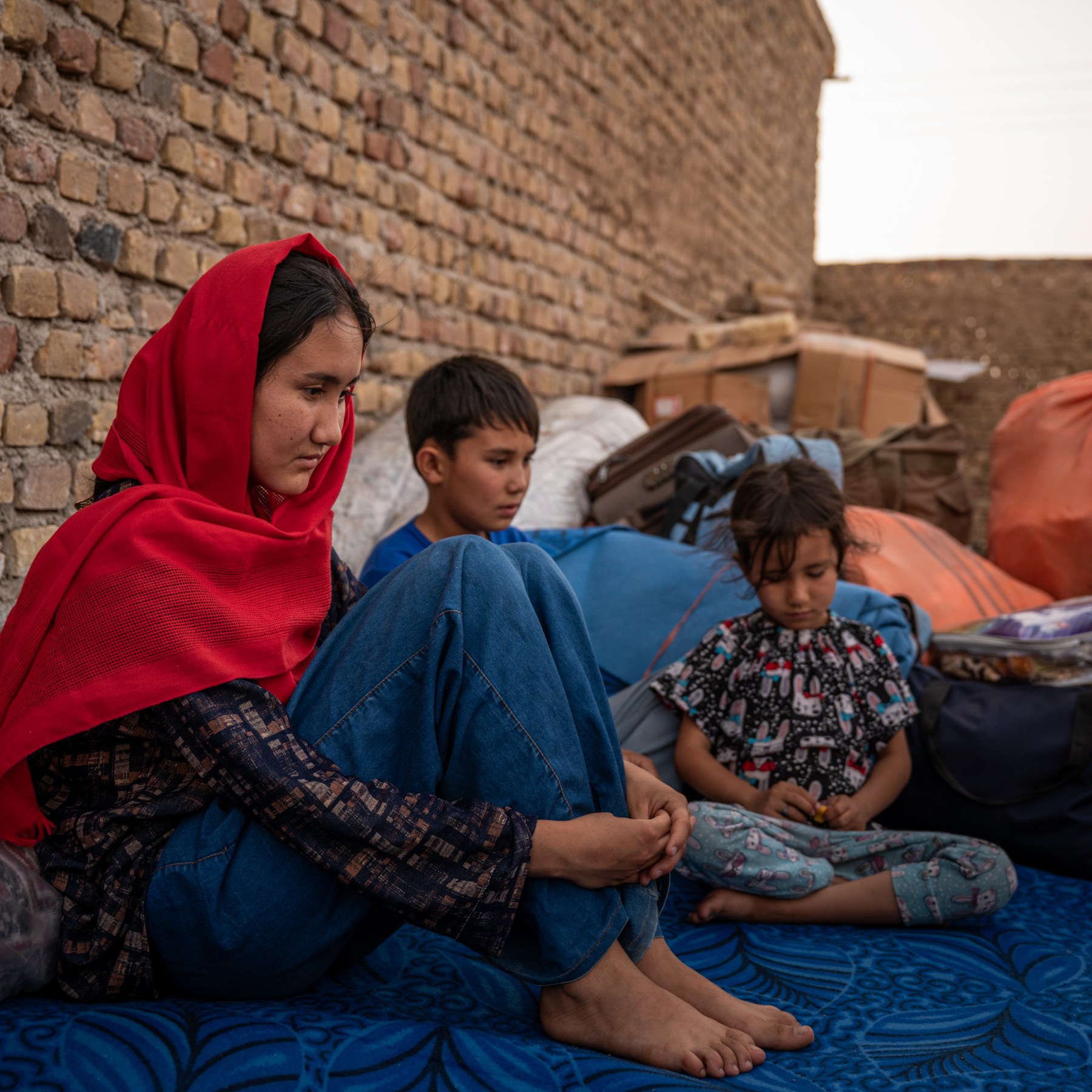
Nearly two million Afghans returned home in 2025, making it one of the largest and most abrupt mass movements of people in recent history.

Most had little or no choice in returning, given restrictive government policies in Iran and Pakistan, where millions of Afghans have lived for decades.

Maryam, a 30-year-old widow, is one such refugee who returned to Afghanistan with her two sons after living in Iran for six years.

"Now I have nothing - no job, no home, and no one to turn to," says Maryam.

Despite having kidney problems, Maryam’s worst pain is watching her 15-year-old son, Sadeq, look for work instead of going to school. He hides his educational dreams to spare her worry, and that unspoken dream pains her more than any illness.

According to UNHCR interviews with Afghan returnees, 80 percent of households report skipping one meal a day, while more than a third said they could not access medical services.

Returns have continued into this year, reaching an estimated 678,500 in the first five months, driven in part by the US-Israel war on Iran.

The UN has warned that the scale and speed of returns risks further destabilising Afghanistan, which is already facing systemic poverty, limited infrastructure and cuts to foreign aid.

In 2024, the number of Afghan refugees stood at 5.8 million, but fell to 3.7 million last year, with some 2.9 million Afghans returning home, including 1.9 million refugees. These returns were not necessarily voluntary, but largely driven by amendments to host country policies.

Approximately 1.3 million Syrians returned from abroad in 2025, nearly three times the figure recorded the previous year, while a further two million internally displaced Syrians went back home, cutting the global Syrian refugee population from 6 million to 4.9 million.

On December 8, 2024, the al-Assad dynasty, which lasted 54 years, was removed from power by a rebel offensive.

The 14-year-long war led to one of the world’s largest migration crises, with some 6.8 million Syrians, about a third of the population, fleeing the country at the war’s peak in 2021, seeking refuge wherever they could find it.

More than half of these refugees, about 3.74 million, settled in neighbouring Turkiye, while 840,000 found refuge in Lebanon and 672,000 in Jordan.

Hiam told Al Jazeera she returned to Syria with her family after more than a decade of living in a host country. "The reason that pushed us to return was the high cost of living we were facing in the host country. We stayed there for 12 years, and it was a great hardship for us as refugees."

We returned to Syria, thank God, but in the beginning it was difficult because we didn’t find homes or anything. Syria now is completely different from when we left. The return was very difficult at first - the scene was very hard for me.

"But thank God, I became stronger. The first period was very difficult, and at the beginning, it was hard to cope," Hiam explained.

According to UNHCR data, some 556,00 Syrians returned from neighbouring Turkiye, 465,000 from Lebanon and 256,000 from Jordan.

More than seven in 10 returnees have reported improvements in security and freedom of movement in Syria, according to the UNHCR. Almost three-quarters of Syrian refugees abroad have also said they would eventually like to return home.

Returns in 2026 reached 549,800 by mid-May, driven by deteriorating conditions in Lebanon.

Some 651,000 refugees and 2.9 million IDPs returned to Sudan in 2025, mostly from neighbouring Egypt (405,700) and South Sudan (208,700).

Most returnees settled in Gezira, Sennar and Khartoum states. According to the UNHCR, basic services in these areas were heavily degraded, and unexploded ordnance contaminates the area.

"After the war intensified and life became difficult for us - with the sounds of artillery and bullets, the fear of our children, and the terror that entered people’s hearts - we tried to leave for one of Sudan’s states," Ansam Rustom told Al Jazeera. She and her family left the capital, Khartoum, shortly after the war broke out in April 2023.

"Every day, there were memories of the war, of one’s home, of the things lost, and the grief inside. It stayed with us for years. But after three years, we decided to return. The decision to return was not easy. Rather, it was due to very difficult family circumstances."

Rustom says that after their return, she feels she and her children have gradually adjusted to their new lives and recovered psychologically.

We tasted the horrors of war, a period that was a great lesson for us. It showed me what wars mean, to leave your home when you are forced to.

by Ansam Rustom

More than 10.3 million IDPs returned home in 2025, with DRC (3.6 million), Sudan (2.9 million), and Syria (2 million) accounting for more than 80 percent of all returnees.

In Ukraine, 3.7 million IDPs remained displaced by the end of 2025. During the year, an estimated 668,000 Ukrainians were newly displaced within the country, while 579,000 IDPs returned to their place of origin.