yahoo Press
Scientists may have solved weight regain problem from GLP-1 drugs
Images
1 / 6

2 / 6

3 / 6
4 / 6

5 / 6

6 / 6
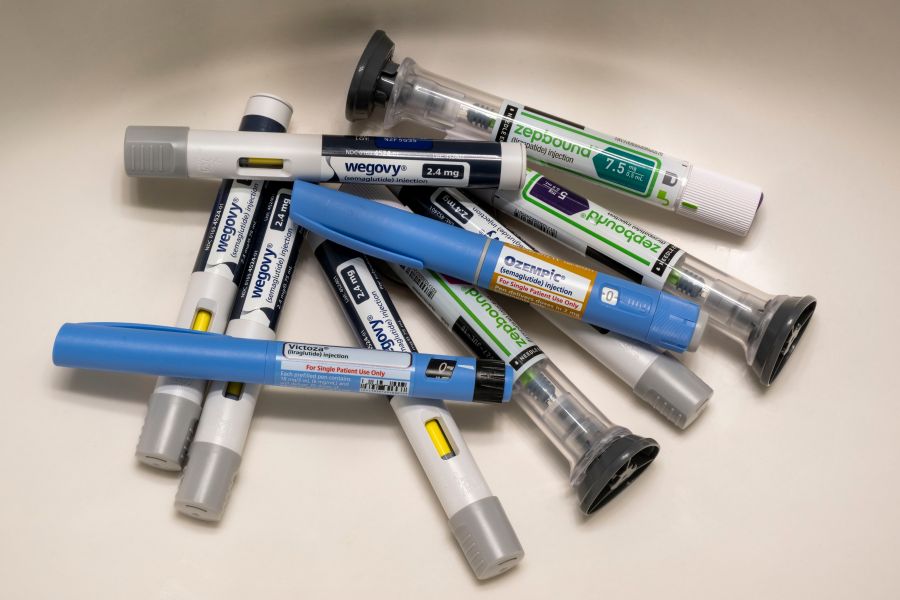
(NewsNation) — Researchers said they have developed a minimally invasive procedure that may help people keep weight off after stopping popular medications like Ozempic and semaglutide, addressing one of the biggest challenges facing the multibillion-dollar weight-loss drug industry.

The procedure, called duodenal mucosal resurfacing, uses controlled heat to renew the lining of the upper small intestine, potentially “resetting” a person’s metabolism to prevent the common weight regain that occurs when patients discontinue GLP-1 medications.

“Finding a treatment that allows patients to stop these medications without weight regain or loss of metabolic benefit is a huge unmet need,” said Dr. Shelby Sullivan, director of the Endoscopic Bariatric and Metabolic Program at Dartmouth Health Weight Center and lead author of the research said.

Is an AI doctor prescribing medication without a human physician?

Nearly 70% of people who stop GLP-1 medications like Ozempic and Wegovy regain much of the weight they lost, often within 18 months. The cost of ongoing medication, side effects and a reluctance to take drugs indefinitely drive many patients to discontinue use.

In the clinical trial, researchers studied 45 patients who had lost an average of 40 pounds using tirzepatide before stopping the drug. Twenty-nine underwent the duodenal mucosal resurfacing procedure, while 16 received a sham treatment.

Six months after stopping the medication, patients who received the real procedure regained only about 7 pounds and maintained more than 80% of their weight loss. By comparison, those who received the sham procedure regained roughly 14 pounds.

The difference between the two groups widened over the six months, suggesting the benefits may strengthen rather than fade over time.

‘Ghost fat’: The unusual side effect linked to popular GLP-1 drugs

“It’s particularly encouraging that this benefit appears to increase over time rather than fade, and that it behaves like a drug in terms of dose response,” Dr. Sullivan said.

The procedure targets the duodenum, the first section of the small intestine below the stomach, where the body produces GLP-1 and other hormones that regulate appetite and metabolism.

High-fat, high-sugar diets thicken and damage the mucosal lining over time, impairing hormone signaling. By ablating the damaged layer, the procedure stimulates regrowth of healthy tissue that is “reset” to the person’s new, lower body weight.

No serious complications were reported. Patients recovered quickly from anesthesia and could return to normal activities within about a day.

mRNA flu vaccine recommended for older adults by FDA panel

“Patients generally recover quickly from the anesthesia and do not face much downtime,” Dr. Sullivan said.

The procedure remains investigational and does not yet have FDA approval.

The larger REMAIN-1 trial includes more than 300 fully enrolled and randomized participants. Researchers expect topline results from the pivotal cohort in the early fourth quarter of 2026, followed by a planned marketing submission later, per Science Daily.

If the larger trial confirms the early findings, duodenal mucosal resurfacing could provide the “off-ramp” that GLP-1 weight loss has been missing.

Copyright 2026 Nexstar Media, Inc. All rights reserved. This material may not be published, broadcast, rewritten, or redistributed.

For the latest news, weather, sports, and streaming video, head to NewsNation.