Press
Lebanese start fleeing south Beirut after Israel says will target the area
Images
1 / 7
2 / 7
3 / 7
4 / 7

5 / 7

6 / 7

7 / 7
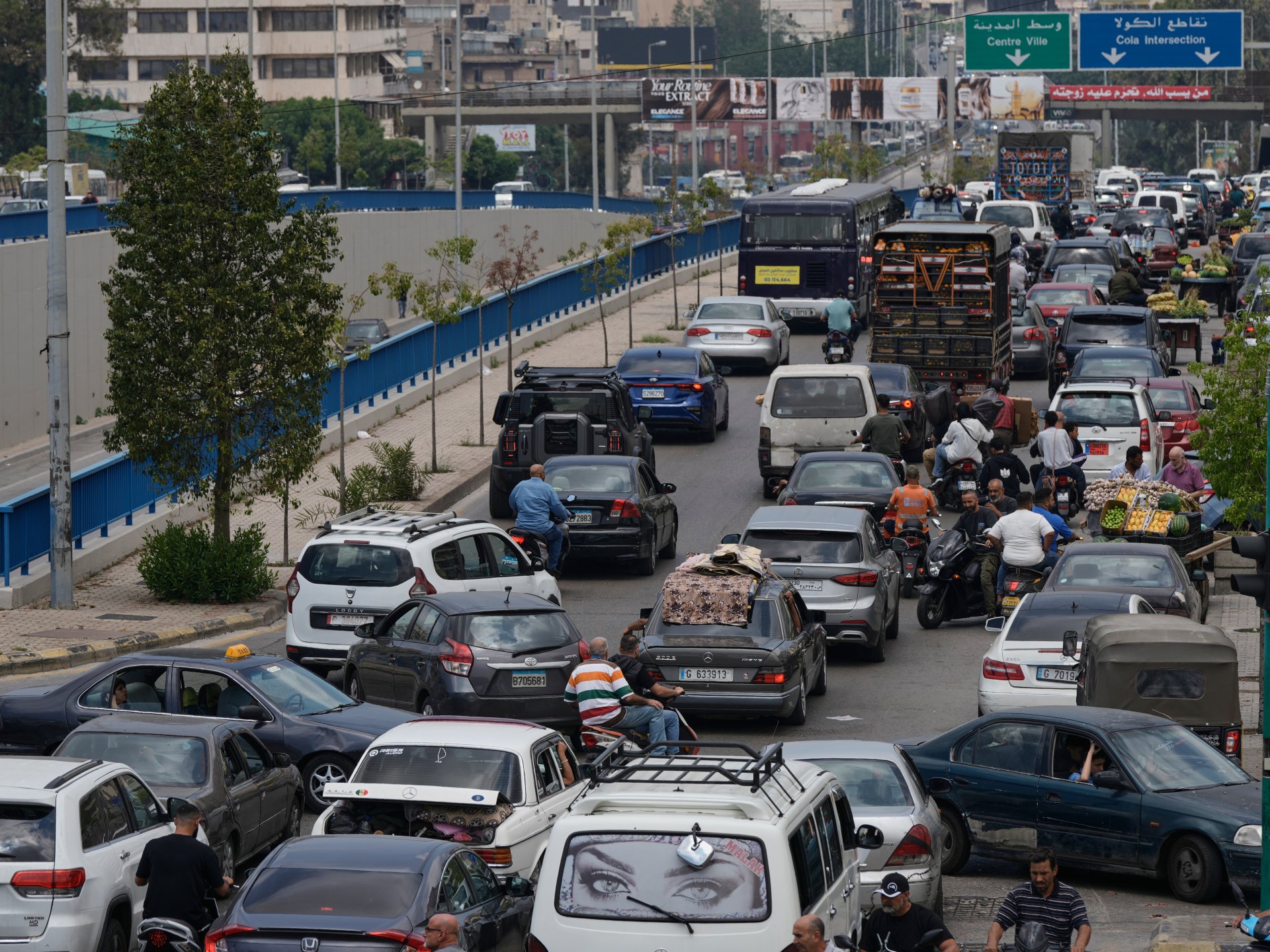
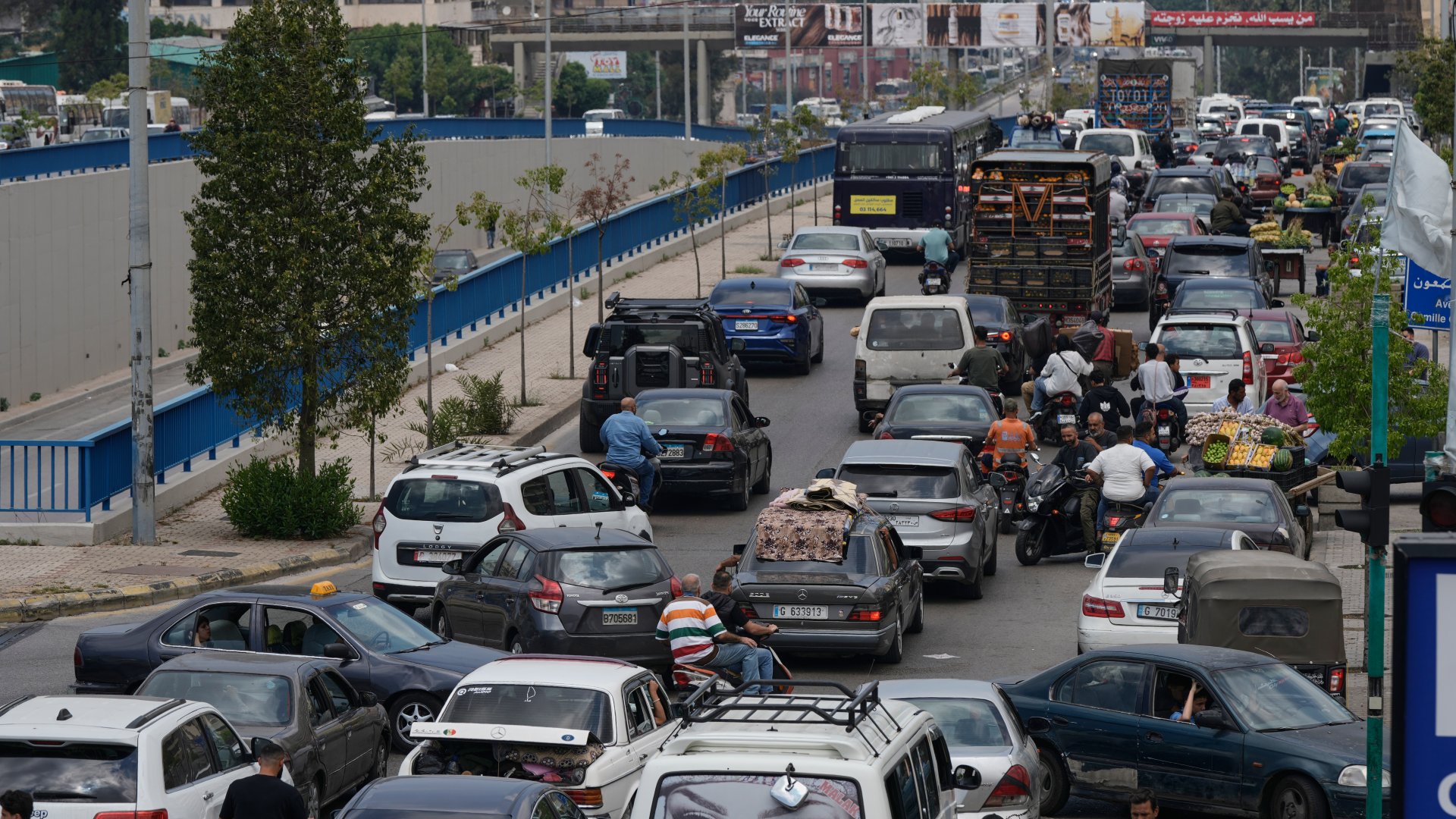
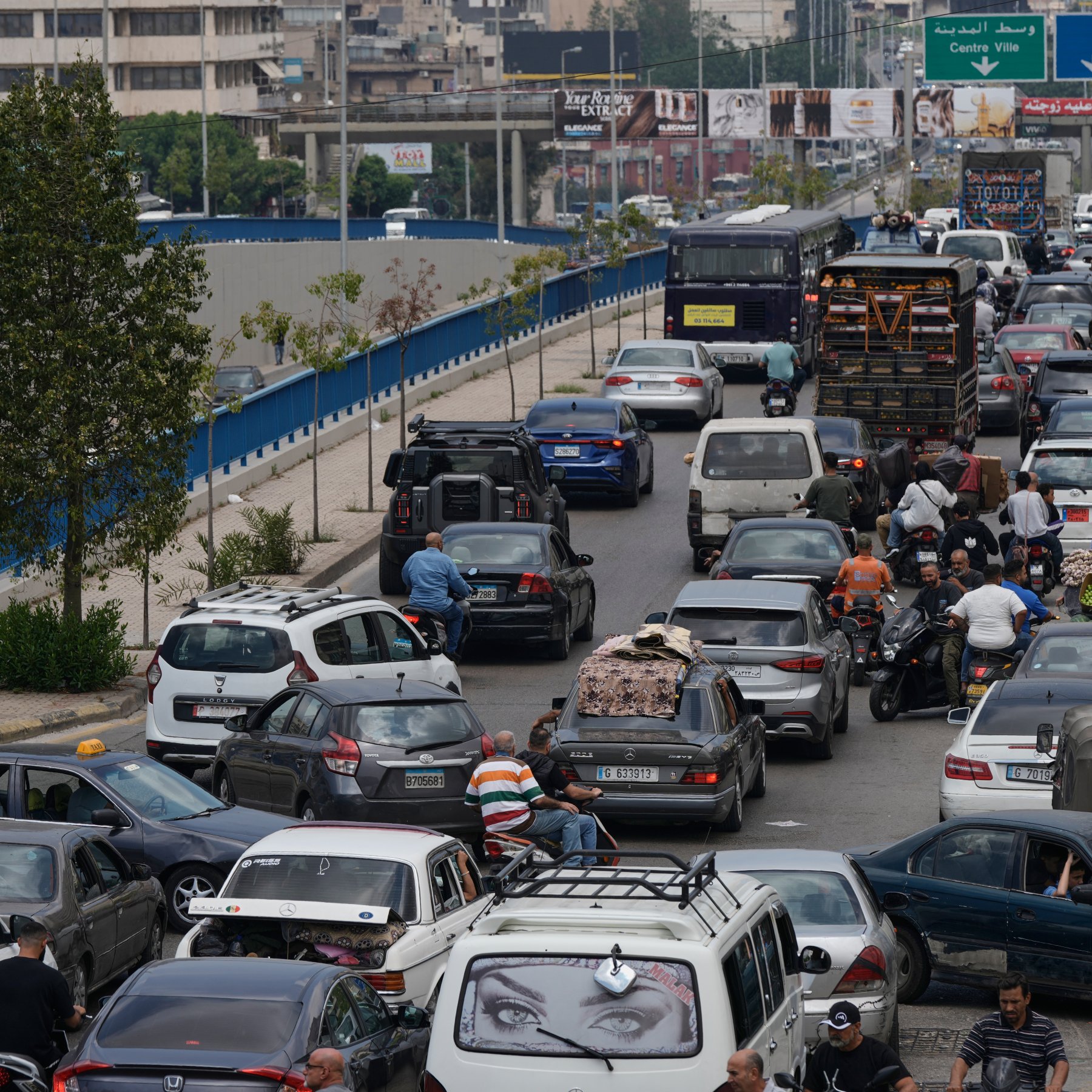
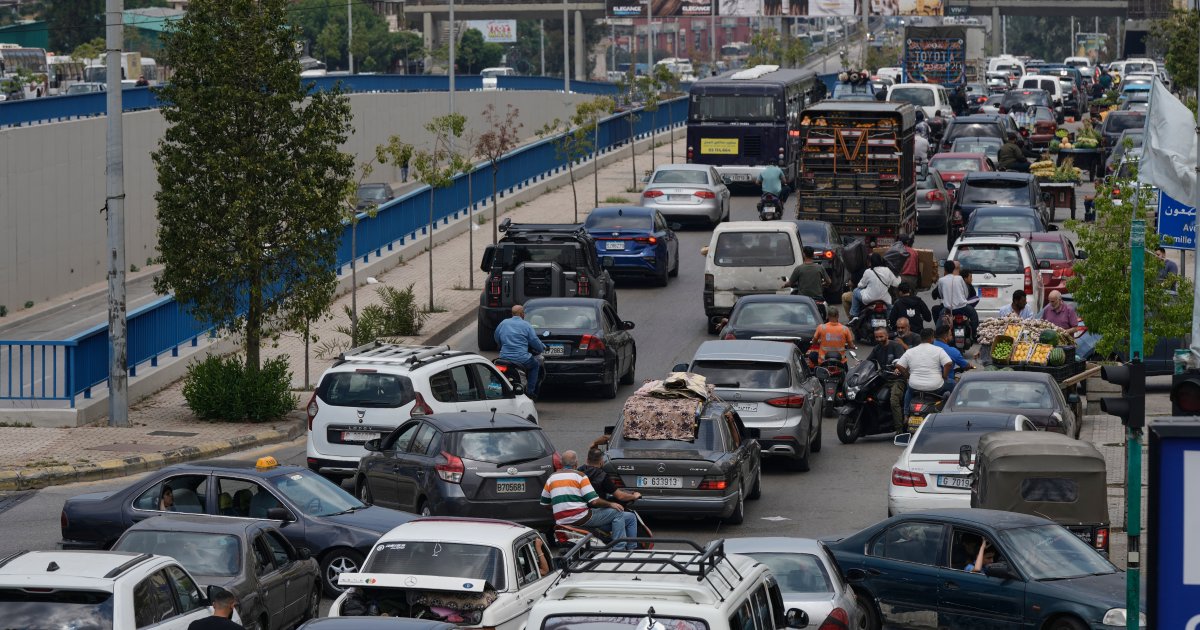
The proposal aims to create a conducive environment for a gradual de-escalation and a cessation of all hostilities, the official says. Save Share Large numbers of people are fleeing Dahiyeh in the south of the Lebanese capital Beirut, jamming roads leading out of the suburb, where Hezbollah enjoys wide support, after Israel’s government ordered strikes on the area. The Israeli military has been given orders by the government to attack the southern suburbs on Monday, a day after the army reached its deepest point in Lebanon in more than quarter of a century. Al Jazeera’s Zeina Khodr, reporting from southern Beirut, said many people in started packing their belongings immediately after the attack orders were announced by the Israeli government on Monday morning. “At approximately 7:00 GMT, the Israeli prime minister and the Israeli defence minister issued a joint statement, saying that they ordered the Israeli army to target Beirut’s southern suburbs, and immediately after that people started packing whatever they could, and make their way out of these neghbourhoods,” she said. “There are not many places left to go as government-run shelters are already full, and many people will stay in their cars, waiting to see what will happen.” Israel’s defence minister said in a separate statement on Monday that there would be “no calm in Beirut” if Hezbollah attacks continued, and vowed to establish a military-controlled zone in the area of south Lebanon’s Litani River. “The Dahiyeh in Beirut is no different from the communities in northern Israel – if there is no calm in the north, there will be no calm in Beirut,” Israel Katz said in a statement released by his office, referring to the Beirut southern suburb and Hezbollah stronghold where he had earlier Monday ordered strikes. “At the same time, the IDF continues to operate with fire and manoeuvre against Hezbollah terrorists and infrastructure in Lebanon… in order to push threats away from IDF forces and from the residents of the State of Israel, and to turn the Litani area into a zone under IDF security control, free of weapons and terrorists.” Israel’s military took over the medieval Beaufort Castle just north of the Litani River in southern Lebanon on Sunday as it conducts its deepest push into the country in decades. Israeli Prime Minister Benjamin Netanyahu, who promised to push deeper into Lebanon and called Sunday’s operation a “dramatic shift” in the campaign against Hezbollah, ordered the military on Monday to attack targets in Beirut’s southern suburbs, known as Dahiyeh, a stronghold of the Lebanese group. Meanwhile, Washington has put forward a proposal to de-escalate hostilities in Lebanon, a United States official has told Al Jazeera, adding that Secretary of State Marco Rubio has held separate talks with Lebanese President Joseph Aoun and Israeli Prime Minister Benjamin Netanyahu. The US official said on Sunday that under the proposed “roadmap”, Hezbollah would halt all attacks on Israel in exchange for Israel refraining from further escalation in the Lebanese capital, Beirut. The US proposal aims to create a conducive environment for a gradual de-escalation and a complete, comprehensive cessation of all hostilities, the official added. The US official placed responsibility for the current round of fighting on Hezbollah and accused it of following Iran’s directives without regard for Lebanese interests. Iran, the official added, was prolonging the conflict in Lebanon to position itself as a mediator. “The quickest way to protect civilians and reduce escalation is for Hezbollah to cease fire immediately,” the official said, adding that Washington does not expect Israel to tolerate continued attacks on its civilians. Meanwhile, in a video statement released after the military took Beaufort Castle on Sunday, Netanyahu said about the castle his country held more than 25 years ago: “We have returned united, determined and stronger than ever.” “Now my directive is to deepen and expand our hold in places that were under Hezbollah’s control. The capture of Beaufort is a dramatic stage and a dramatic shift in the policy we are leading,” he said. Israeli forces used Beaufort Castle, also known as Qalaat al-Shaqif, as a base during their two-decade occupation of southern Lebanon that ended in 2000. More than one million people have been forcibly displaced across Lebanon since the fighting between Hezbollah and Israel escalated on March 2. A “ceasefire” to halt the fighting between Israel and Hezbollah was announced on April 17 but has never been observed. Both sides accuse each other of violating the ceasefire and justify their attacks by pointing to the other’s alleged breaches with Israel breaching it on an almost daily basis. Israeli forces killed at least 12 people and wounded 35 in more than 36 attacks across southern Lebanon on Sunday alone, according to an Al Jazeera tally. According to the latest figures from the Lebanese Ministry of Public Health, more than 3,412 people have been killed and 10,269 wounded in Israeli attacks since March 2. Countries across the world have slammed Israel’s escalation of its offensive on Lebanon. French President Emmanuel Macron said “nothing justifies” it. United Kingdom Foreign Secretary Yvette Cooper called on Israel to halt its military activity in Lebanon, saying its escalation had “eroded space for diplomacy”. Qatar condemned Israel’s continuing attacks on Lebanon and the expansion of its ground offensive in the south, describing the campaign as a serious escalation and violation of international law. Egypt’s foreign minister, Badr Abdelatty, affirmed Cairo’s solidarity with Lebanon in a phone call with Prime Minister Nawaf Salam. He also called for Israel’s withdrawal from all Lebanese territory.