Press
Trump seeking edits to US-Iran deal, US media report
Images
1 / 7

2 / 7

3 / 7
4 / 7
5 / 7
6 / 7
7 / 7
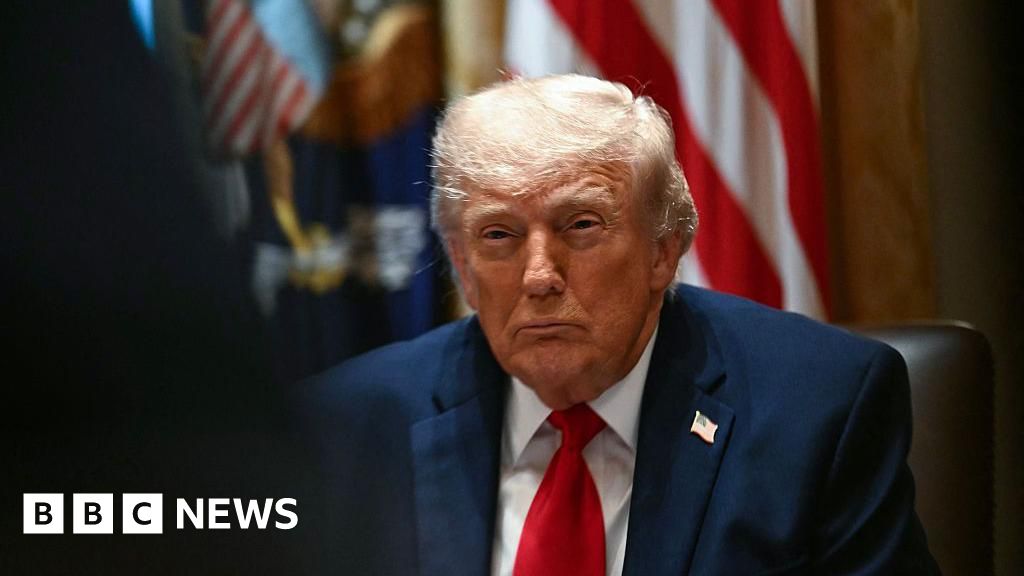
President Donald Trump has requested that edits be made to the US-Iran deal aimed at bringing an end to fighting that began earlier this year, US media reported.

The changes are related to the Strait of Hormuz and the removal of highly enriched uranium, CBS News, the BBC's US news partner, reported. The White House did not respond to a request for comment.

Mohammad Bagher Ghalibaf, Iran's chief negotiator, said on Sunday that Tehran would not agree to any deal unless Iranian rights were fully secured.

The president and senior aides met on Friday to make a "final determination" about a framework for extending the ceasefire with Iran, but the meeting concluded without clarity on the next steps.

The latest iteration of the deal, first reported by Axios on Saturday, includes a 60-day cessation of violence, a call to reopen the Strait of Hormuz and a framework to reopen negotiations on Iran's nuclear program, according to CBS.

Should diplomacy progress, the deal also reportedly involves potential sanctions relief to Iran that could allow it to access billions of dollars in frozen assets, CBS said.

Sunday's reports of further edits are the latest development in days-long negotiations between the White House and Tehran on the framework of a deal aimed at ending the months-long war.

On Thursday, US officials said the two countries had agreed on a framework - known as a memorandum of understanding - pending the approval of Trump and Iran's leadership.

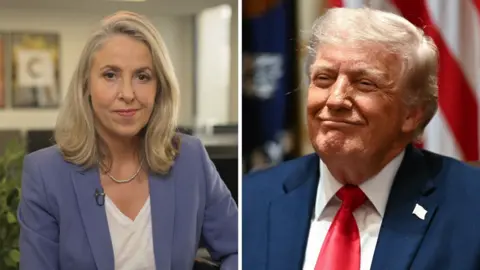
"The one guarantee that I have to have is that there will be no nuclear weapons. They've agreed to that, and it was very interesting," he told his daughter-in-law, Lara Trump, in an interview on her Fox News show on Thursday.

He also told her that he was in "no hurry" to make a deal.

Ahead of the Situation Room meeting with top aides on Friday, Trump suggested that he was leaning towards accepting the deal.

"President Trump will only make a deal that is good for America and satisfies his red lines. Iran can never possess a nuclear weapon," a White House official said after the meeting.

Trump asked for several amendments to the deal during the Situation Room meeting on Friday, Axios reported.

Since then, it appears the president has requested further changes.

While travelling in Singapore over the weekend, US Defense Secretary Pete Hegseth said that should a deal with Iran not meet the president's expectations, strikes could resume.

"Our stockpiles are more than suited for that, both there and around the globe because of how we balance exquisite and more plentiful munitions," Hegseth said.

But Iranian officials have cast doubt on the White House's messaging.

Iranian Foreign Minister Abbas Araghchi said that "until a clear conclusion is reached... everything that is being said now is speculation", according to state media.

Back-and-forth on the text remains "ongoing, with both parties regularly proposing amendments," according to the Tasnim news agency.

Iran has also said that they need the frozen assets released before substantive talks regarding their nuclear programme can progress, according to Iranian media.

Pakistan has been mediating negotiations between US and Iranian officials.

Sunday's reports of changes are the third round of edits that the president has made to the US proposal, according to CBS News.

Since the ceasefire came into effect on 8 April, Trump has repeatedly suggested that the US and Iran were close to a deal and that negotiations were progressing, but so far no formal agreement has been reached.

"When your freedom is restricted... creativity's a quick psychological exit," she told the audience.

The Greek national has been charged with assisting a foreign intelligence service believed to be linked to Iran.

US officials earlier told the BBC that the framework of a ceasefire extension deal had been agreed, pending the approval of Trump and Iran's leadership.

BBC’s Sarah Smith looks at why both countries are in a tense cycle of negotiations, despite the progress President Trump consistently claims.

Former truck driver Jonathan Loadholt pleaded guilty to money laundering and stalking in the plot targeting activist Masih Alinejad.