Press
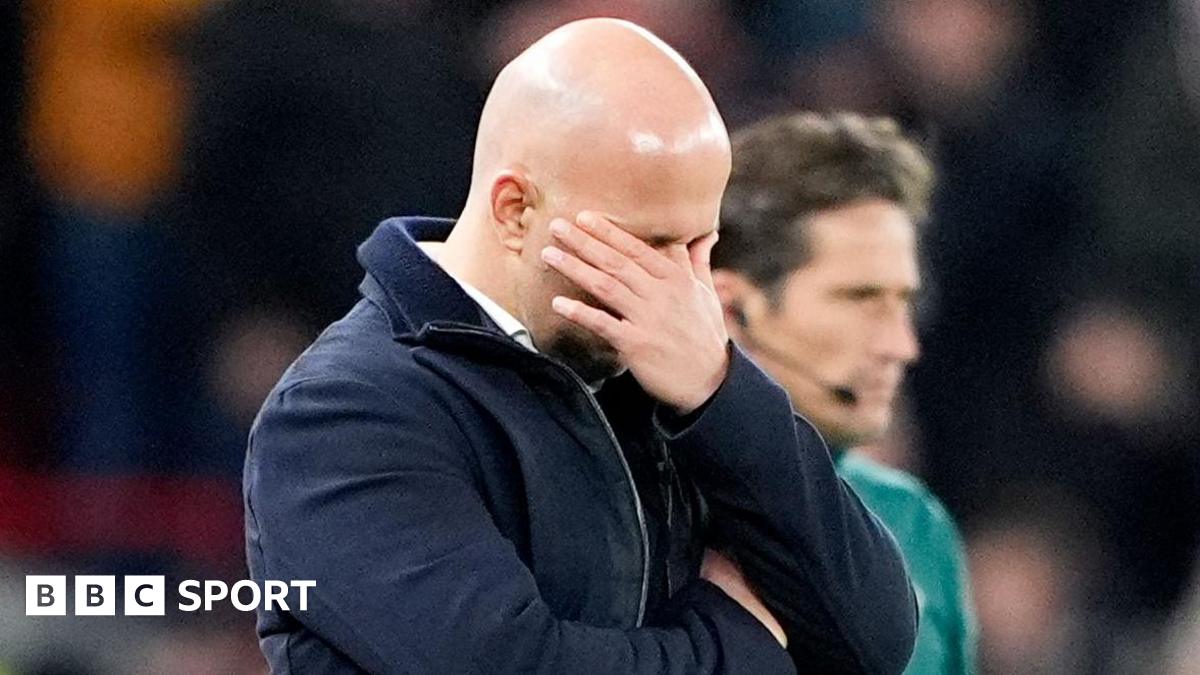
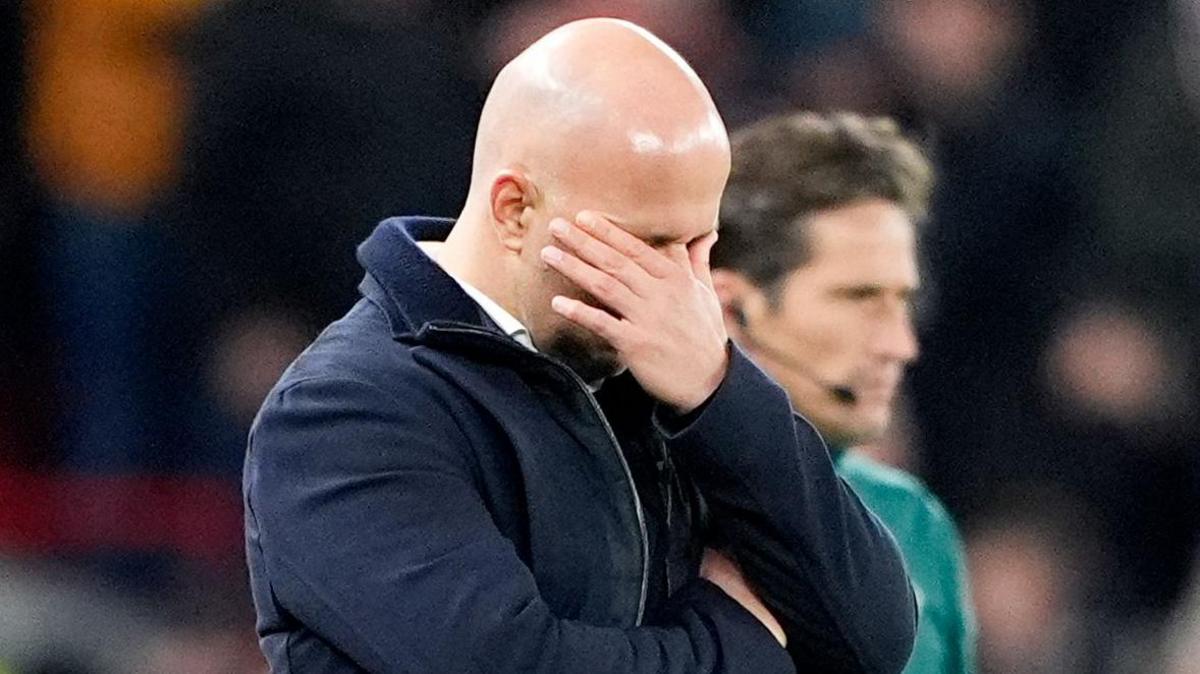
Arne Slot sacking completes a remarkable fall from grace
Images
1 / 20
2 / 20
3 / 20
4 / 20
5 / 20
6 / 20

7 / 20
8 / 20
9 / 20
10 / 20
11 / 20
12 / 20
13 / 20
14 / 20
15 / 20
16 / 20
17 / 20
18 / 20
19 / 20
20 / 20
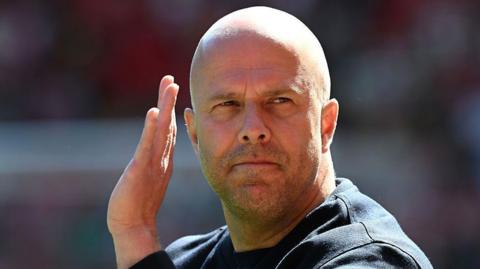
Arne Slot was hailed as the perfect successor to charismatic Jurgen Klopp after winning the Premier League in his first season.

Arne Slot's sacking at Liverpool completes one of the most remarkable falls from grace of any Premier League title-winning manager.

Chelsea sacked three managers swiftly after the same success as Slot – but then owner Roman Abramovich's unique demands made them a special case.

This is Liverpool, the supposed bastion of stability.

Carlo Ancelotti was sacked by Chelsea at the end of his second season in 2011 after winning the league and FA Cup double in his first. Jose Mourinho's second spell at Stamford Bridge ended when he was axed in December 2015, seven months after winning the title, as they lay one point above the relegation zone.

Antonio Conte went the same way in July 2018 after winning the title in his first season then FA Cup in his second, while Leicester City dismissed Claudio Ranieri in February 2017 as they were only one point off the relegation places nine months after their remarkable Premier League triumph.

But none, arguably, have been shown the door from an earlier position of such strength as Slot – sacked a year after winning the title with ease in his first season in succession to Jurgen Klopp, then having his squad bolstered by a staggering £450m spending spree.

So why did it unravel for the Dutch head coach who many Liverpool fans initially regarded as the calm, transitional Bob Paisley figure to predecessor Klopp's firebrand, charismatic Bill Shankly?

Lacking Klopp's authority - why Liverpool parted with Slot

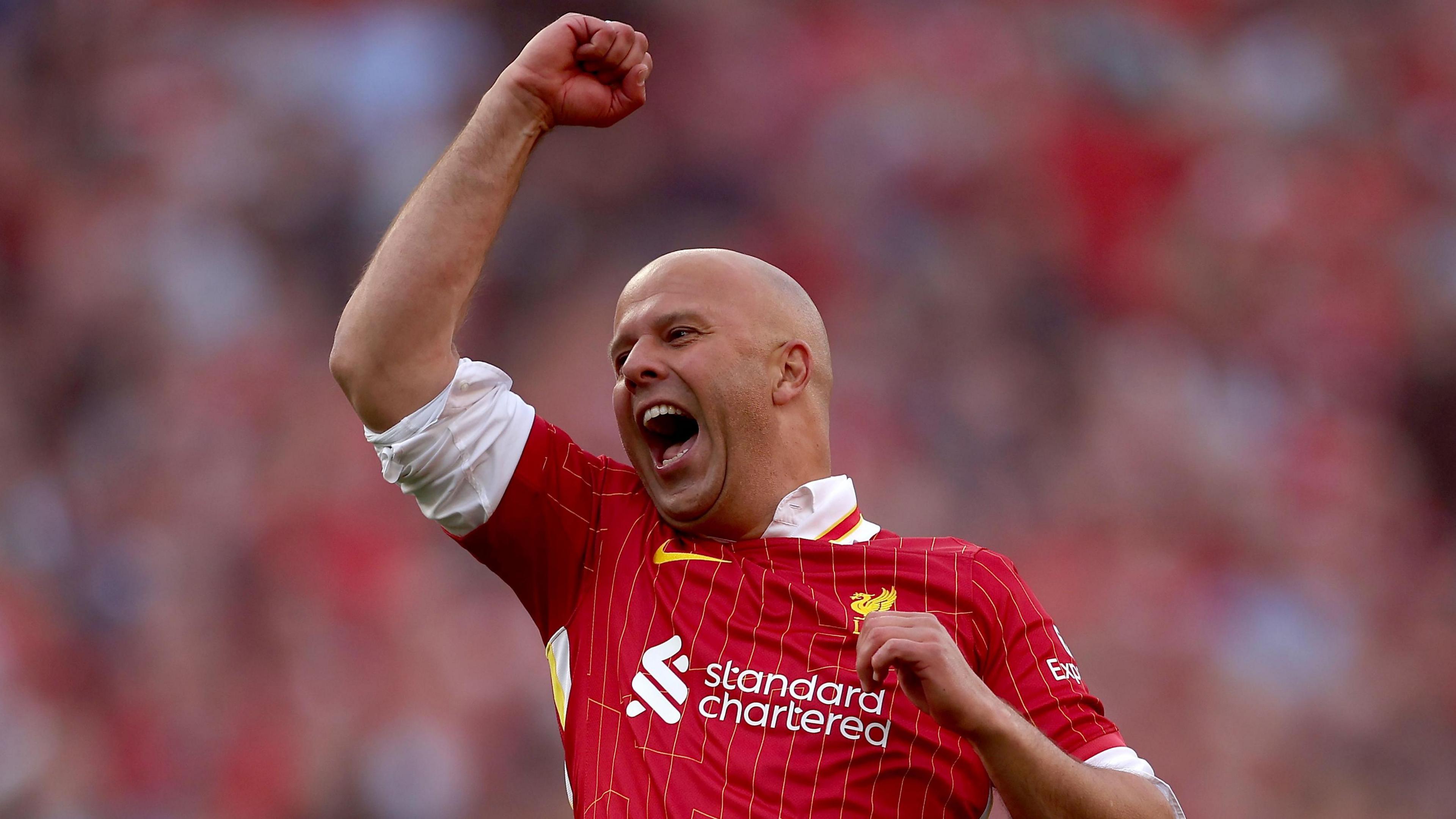
Arne Slot celebrates in front of the Kop after Liverpool won their 20th league title

Slot's seamless transition from the iconic Klopp saw the German's squad – with only the addition of £10m Juventus forward Federico Chiesa – win the title by 10 points with four games to spare, losing only twice until the job was done with victory over Tottenham Hotspur.

So was Slot purely the beneficiary of taking over ready-made title winners then simply steering them to glory?

This would be incredibly harsh on Slot and his achievements.

Slot calmed understandable post-Klopp anxiety with his measured approach, but made key alterations that took away some of the thrilling chaos that preceded him to turn the title race into a procession.

Liverpool's main transfer target on Slot's appointment was Real Sociedad's Spain midfielder Martin Zubimendi, now at Arsenal.

This video can not be played

A lot can change in a year...

With the deal almost done, Zubimendi decided to stay in La Liga, to the widespread angst of those Liverpool fans demanding big signings.

Slot blocked out the noise, turning to his countryman Ryan Gravenberch, something of an under-achiever under Klopp, to take the "number 6" role designated for Zubimendi.

It was a masterstroke, with Gravenberch outstanding as he provided the platform for a more organised Liverpool, not as exciting as under Klopp but cohesive, organised winners.

Slot also produced another key tactical move by using Luis Diaz, a gifted but occasionally erratic winger, as a striker. It was not the Colombian's natural position but it suited him perfectly as he made many match-winning contributions.

He also won over Liverpool's biggest names who had under-pinned the Klopp glories of winning the Premier League, Champions League, FA Cup and two League Cups.

Mohamed Salah had arguably his finest season as Liverpool's squad bought into Slot's methods as one - although this relationship turned to open hostility, at least on the Egyptian's side, surfacing in two public outbursts, one in an interview and another on social media, that undermined the head coach.

Salah's form fell off a cliff in previously unimaginable fashion before he announced this would be his final season at Liverpool after a magnificent career.

Yes, Slot inherited what Klopp described as Liverpool 2.0, but it was also a squad that had finished nine points off the title when the German left. The Dutchman changed that.

Slot was bequeathed quality, but he put his own stamp on it to make Liverpool title winners. To suggest otherwise is to downgrade his work unfairly.

Liverpool's 20th title, equalling Manchester United, was a cause of rejoicing from their global fanbase. The summer was meant to be a time of celebration basking in that success.

Instead, it was a summer of tragedy.

The title parade around the city was predictably joyous, with red plumes of smoke engulfing the famous Liver Birds at the Pier Head.

Joy turned to horror as 54-year-old Paul Doyle crashed his car into supporters on nearby Water Street during the celebrations, injuring more than 130 people.

Doyle was jailed for 21 years and six months after pleading guilty to 31 charges, admitted dangerous driving, affray, 17 charges of attempting to cause grievous bodily harm (GBH) with intent, nine counts of causing GBH with intent and three counts of wounding with intent.

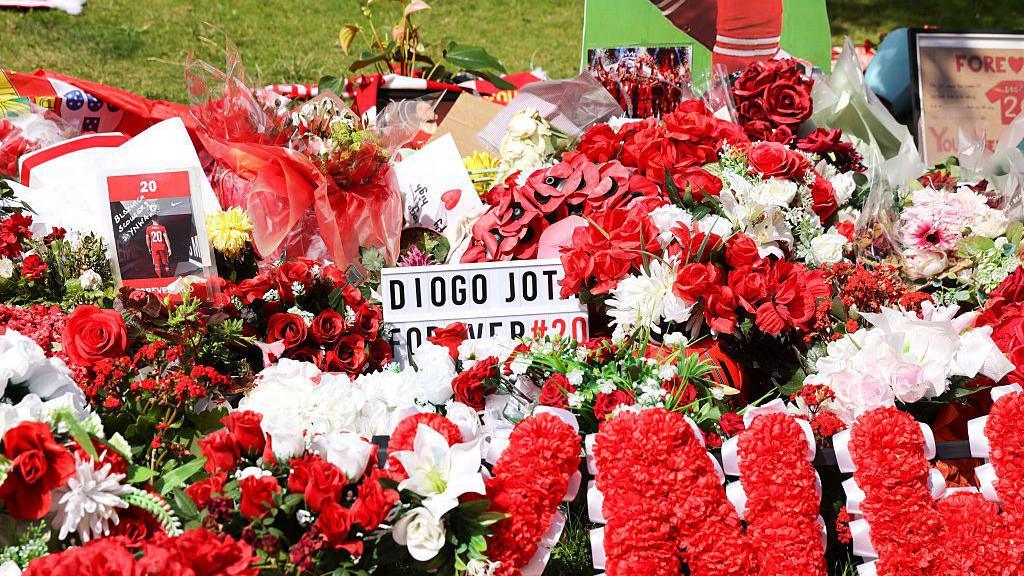
Diogo Jota's death in a car crash left Liverpool grief-stricken.

And then, on 3 July, much-loved striker Diogo Jota, 28 was killed in a car crash, along with his 25-year-old brother Andre Silva, while driving in the Spanish province of Zamora.

Liverpool, as a club, city and fanbase, were heartbroken. Jota was hugely-popular as a team-mate and player, leaving those at Liverpool grief-stricken.

Jota's song is sung in the 20th minute of every game – he wore number 20 – while Andrew Robertson referenced his close friend after Scotland qualified for the World Cup.

Only those at Liverpool know how much of an emotional toll this has taken as their grief has been mostly private, but it was a devastating occurrence and is still raw.

Most observers – including this one – believed Liverpool's title was theirs to lose after one of the most spectacular summers of spending in Premier League history.

After keeping their powder dry following Slot's arrival, a strategy rewarded with the title, Liverpool embarked on a remarkable spree.

This included £125m British record signing Alexander Isak from Newcastle United, £116m Germany golden boy Florian Wirtz from Bayer Leverkusen, another £70m striker in Hugo Ekitike from Eintracht Frankfurt, as well as another £70m on full-backs Milos Kerkez and Jeremie Frimpong from Bournemouth and Bayer Leverkusen respectively.

Liverpool raked in more than £250m from sales of players such as striker Darwin Nunez to Saudi Pro League club Al-Hilal, Diaz to Bayern Munich and Jarell Quansah to Bayer Leverkusen.

Trent Alexander-Arnold left for Real Madrid at the end of his contract while, of course, the whole club and its support was devastated by Jota's death.

Alexander-Arnold and Diaz, outstanding at Bayern, have been sorely missed.

Liverpool's outlay, however, did not strengthen their squad. It made it worse, which takes some doing.

It left the squad mediocre and unbalanced as expensive new acquisitions spluttered or suffered injuries, while their recruitment team failed to deliver one of their most significant targets.

Did Liverpool really need to sign Alexander Isak for £125m after spending £70m on Hugo Ekitike?

There are many questions around Slot's transfer dealings, although owners Fenway Sports Group's CEO of football Michael Edwards and sporting director Richard Hughes must also take responsibility.

Liverpool's key pair of power brokers were showered with bouquets in the summer. Now they must take the brickbats.

How did such a splurge leave an unbalanced team?

Why did Liverpool not sign competition for Mohamed Salah and Cody Gakpo on the flanks?

Was enough thought given to how Wirtz would be utilised as Liverpool revelled in beating Manchester City to his signature?

Did they really need to spend £125m on Isak having spent £70m on Ekitike?

Were they too complacent in assuming Crystal Palace would just give up on Marc Guehi?

Liverpool appeared so committed to the Isak deal, the player so exiled at Newcastle after his one-man strike to get a move, that it felt like they could not turn away, even after signing Ekitike.

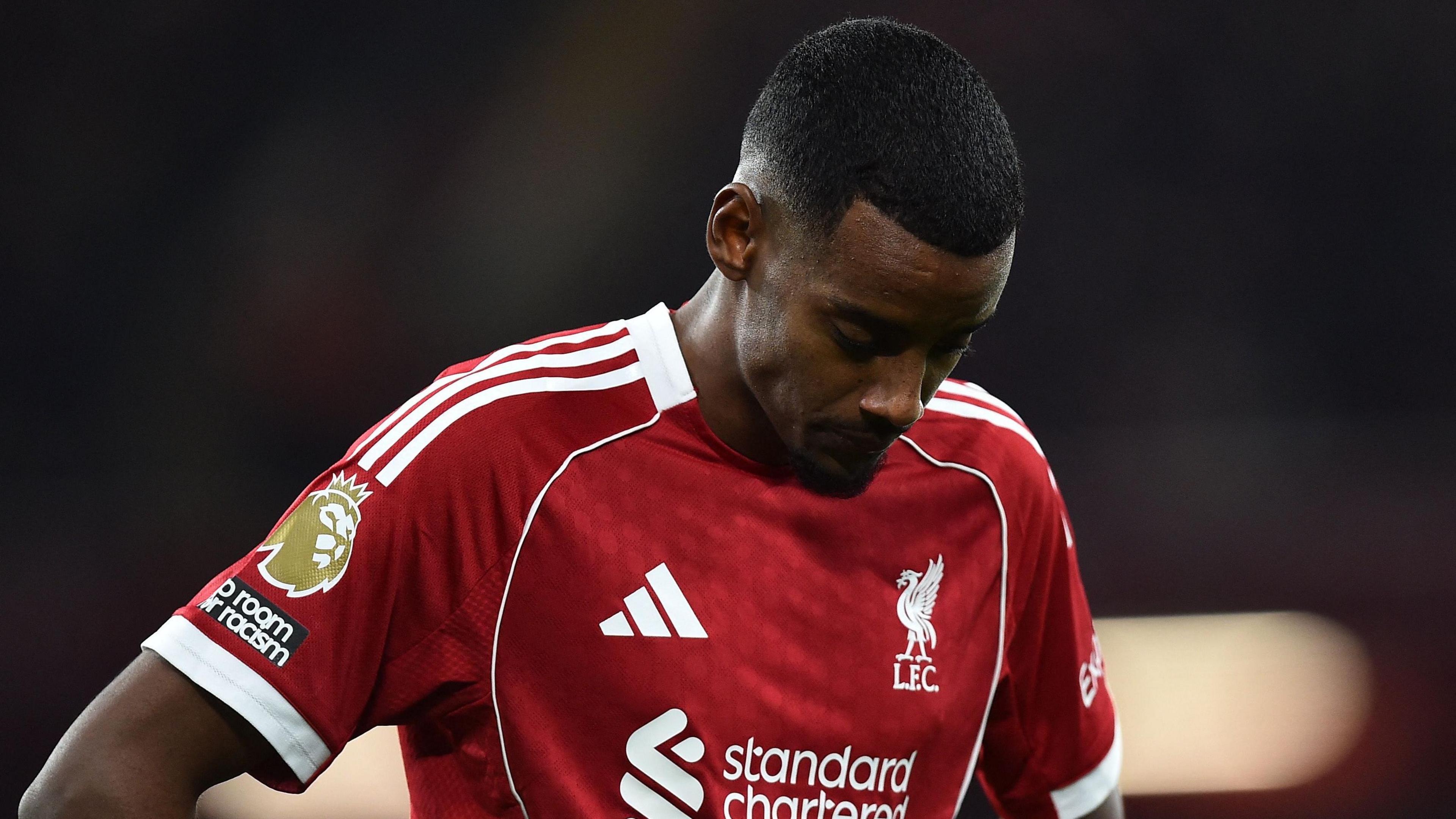
Did they really need Isak? The more you watched Liverpool before he broke a leg while scoring a goal in a victory at Tottenham Hotspur in December, the more he resembled the most expensive vanity purchase in Liverpool history.

Isak arrived unfit then got a groin injury. When he did play, at the expense of the one signing who was playing well at that point, Ekitike, he looked listless and off the pace, poor value for money at such an exorbitant fee.

The broken leg was another serious disruption for a player meant to provide Liverpool with a lethal spearhead. Even his return was interrupted by "minor" fitness  issues.

Wirtz, whose deployment behind the strikers disrupted Liverpool's midfield bedrock to leave them horribly vulnerable all season, has been shifted around from his central role to the flanks as Slot has sought answers. He has shown glimpses of real class but, like Liverpool, nowhere near enough.

And having collected new signings at such a rate, did it mean Slot and Liverpool pushed a key capture down their list of priorities then failed to get it done?

Crystal Palace captain and England defender Guehi was a top target, not merely as partner to Virgil van Dijk but as cover to Ibrahima Konate, whose contract is coming to an end.

Cue the perfect storm.

Palace refused to sell. Konate's form went into sharp decline. Van Dijk suddenly looked fallible. A solution was lost as Quansah had been sold.

When January came, Manchester City needed defensive reinforcements and paid a bargain £20m for Guehi, £15m less than Liverpool belatedly agreed.

It was intriguing to hear Slot describe Guehi as a "great signing" after he was outstanding in Manchester City's win at Anfield.

And through it all, Slot lost the golden touch that was so assured in his first season.

He changed formations and personnel without success. The substitutions that worked so well last season now whiffed off desperation – such as defender Konate for striker Ekitike after 55 minutes of the 3-0 home loss to Nottingham Forest – accompanied by some questionable post-match verdicts and talk of "positives" when there were none.

The season started with Liverpool looking gung-ho and wide open. Wins were secured through the high-wire act of last-gasp winners, but once Crystal Palace turned the tables with an injury time goal at Selhurst Park in September to inflict their first defeat, it all fell apart.

This video can not be played

How Slot went from champion to sack in a year

The precious gift of "20/20" hindsight is a wonderful thing.

It is easy to say now that Liverpool bowed to sentimentality by giving lucrative new two-year deals to captain Virgil van Dijk and Mohamed Salah, when to not do so at the time would have sparked fury among supporters.

Van Dijk had captained Liverpool to the title in imperious fashion, cementing his status among the Premier League's finest defenders.

Salah, meanwhile, looked on a personal mission to return the title to Anfield, which he duly did, scoring 34 goals in 50 starts in all competitions.

The news of the deals, after much speculation, was greeted rapturously by Liverpool's fans. The sight of Salah - "The Egyptian King" - marking the new deal by being photographed sitting on a throne at Anfield should have been an iconic image.

This season 34-year-old Van Dijk's game has become error-strewn, the air of invincibility he carried gone as he has been regularly exposed, as proved by moments of panic-stricken defending previously out of character. He has started to look his age.

Salah, 33, lacked the pace and spark of previous years – although he will always have legendary status as a Liverpool great having scored 257 goals in 441 games since arriving from AS Roma in summer 2017.

He did, however, temporarily tarnish his standing with his infamous "thrown under the bus" outburst at Elland Road after he was left on the bench at Leeds United in December.

And Salah's outpouring of angst after a 4-2 loss at Aston Villa did Slot no favours at all. It increased the noised around the Dutchman at a time when he needed it least.

It also carried all the hallmarks of a fading superstar shaking his fist at the skies after such a poor season for Liverpool and, we must not forget, Salah.

The new contracts for two ageing stars suddenly look very dubious – but this is easy to say now. Very little criticism came Slot or Liverpool's way when they were paraded as a coup in the summer.

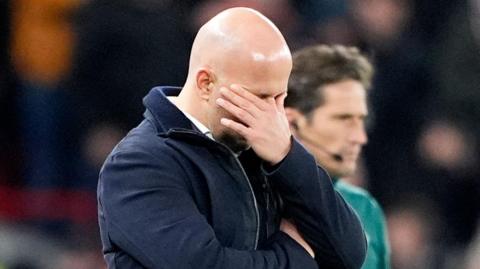
All this combined to produce a desperate situation Slot could not control as the damaging defeats piled up, leading to an inevitable conclusion.

Now, a year after being hailed a hero, Arne Slot is out of Anfield.

Latest Liverpool news, analysis and fan views

Ask about Liverpool - what do you want to know?