yahoo Press
Hantavirus latest updates: 18 people being monitored for hantavirus in Nebraska and Georgia
Images
1 / 20
2 / 20

3 / 20

4 / 20
5 / 20

6 / 20

7 / 20
8 / 20

9 / 20

10 / 20

11 / 20
12 / 20

13 / 20

14 / 20
15 / 20
16 / 20

17 / 20

18 / 20

19 / 20

20 / 20
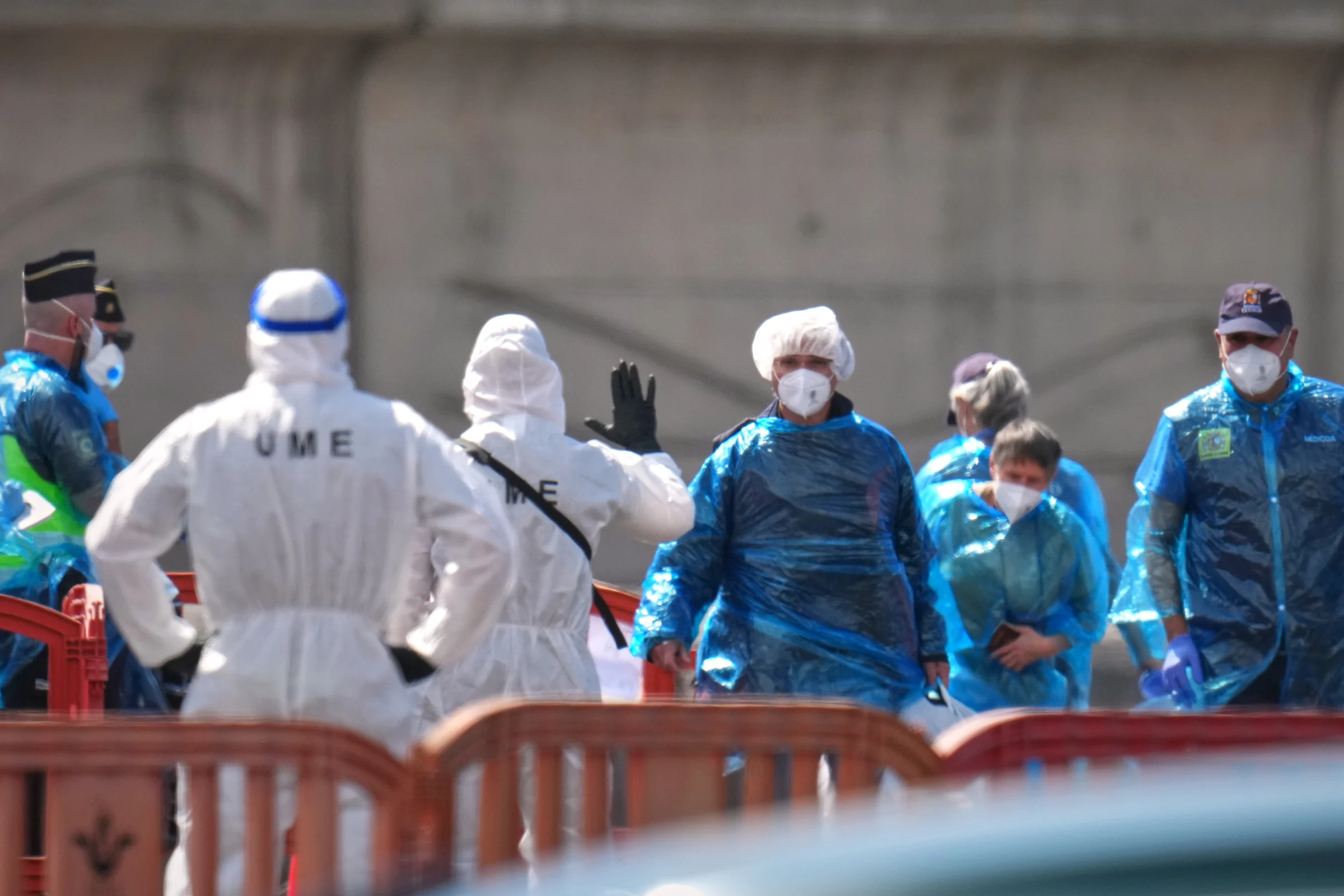
Dozens of passengers, including 18 people in the U.S., are currently being monitored in medical facilities for hantavirus tied to the deadly outbreak on board the cruise ship MV Hondius.

On Tuesday, Tedros Adhanom Ghebreyesus, the director-general of the World Health Organization, said there was “no sign” of a larger outbreak of the virus, but said more cases “in the coming weeks” were possible.

The individuals evacuated from the ship to the U.S. on Sunday included 17 Americans and one British dual national, U.S. health officials said on Monday.

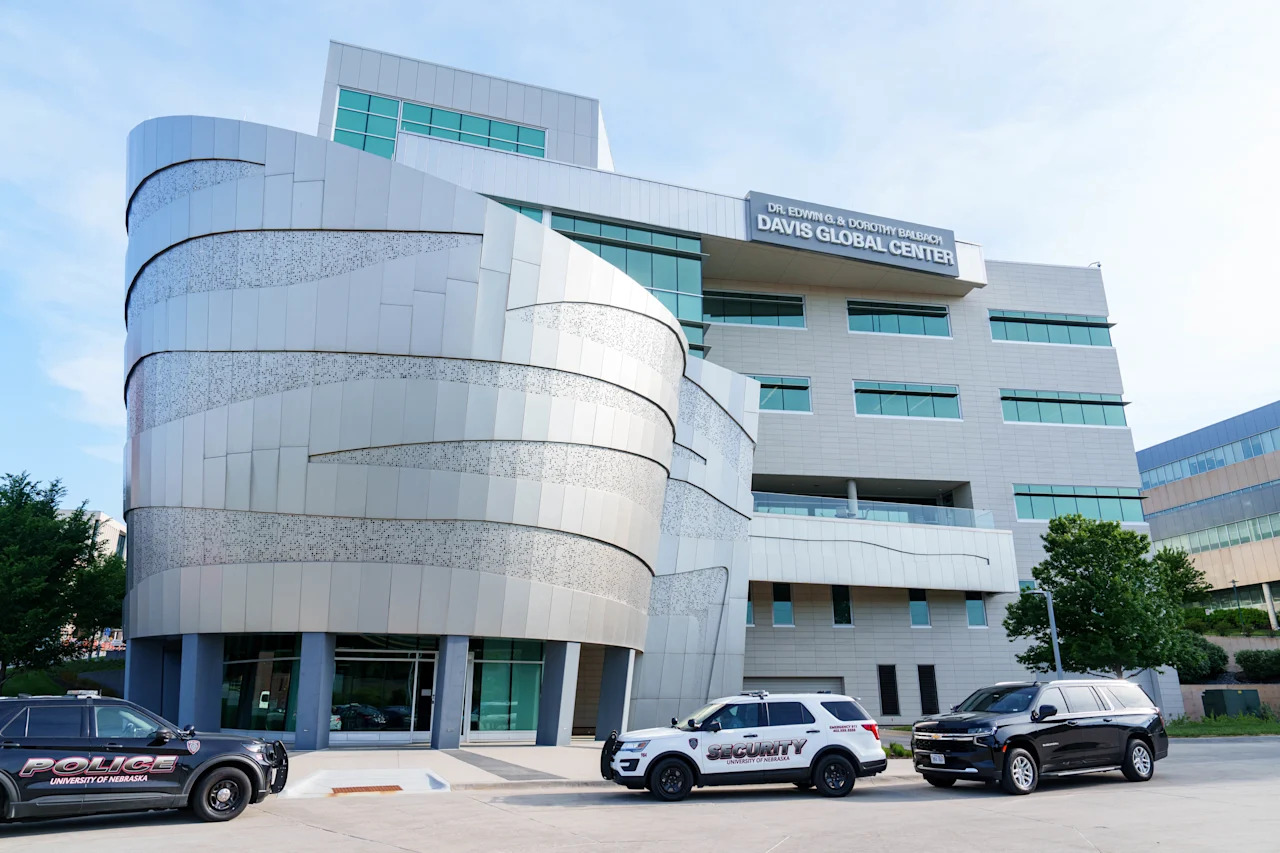
A total of 16 people are currently at the University of Nebraska Medical Center in Omaha. Fifteen are in the quarantine unit, which is for people who feel well and is similar to a group of hotel rooms. One person, who tested positive but is asymptomatic, is in the biocontainment unit, which is more like a hospital setting.

Two other people are at Emory University Hospital in Atlanta. One is symptomatic and is staying in the biocontainment unit, while the other person is considered a close contact and is undergoing monitoring.

In an update on Monday, the WHO said there are a total of nine hantavirus cases, seven of which are confirmed. Two more cases are suspected of being hantavirus. So far, three people have died: a Dutch couple and a German national.

A dozen countries, including the U.S., were also scrambling to track down and monitor passengers who disembarked on April 24 on the island of St. Helena, a British overseas territory in the South Atlantic, without contact tracing.

Health officials in Maryland, Arizona, California, Georgia, New Jersey, Texas and Virginia are monitoring residents for potential infections linked to the cruise ship. None of the states have reported any cases.

Tedros previously said the first two cases — a Dutch couple — had traveled through Argentina, Chile and Uruguay on a bird-watching trip “which included visits to sites where the species of rat known to carry the virus was present,” according to the BBC. The WHO has stressed that the risk of a wider outbreak remains “absolutely low.”

Symptoms of the virus can develop 1-8 weeks after exposure, with incubation periods varying, according to the American Lung Association.

Unlike most hantaviruses that only spread from rodents, the Andes virus strain can be transmitted between humans through close, prolonged contact, necessitating stricter quarantine protocols.

A plane carrying the last hantavirus cruise passengers and crew landed in the Netherlands, where 12 people have been quarantined.

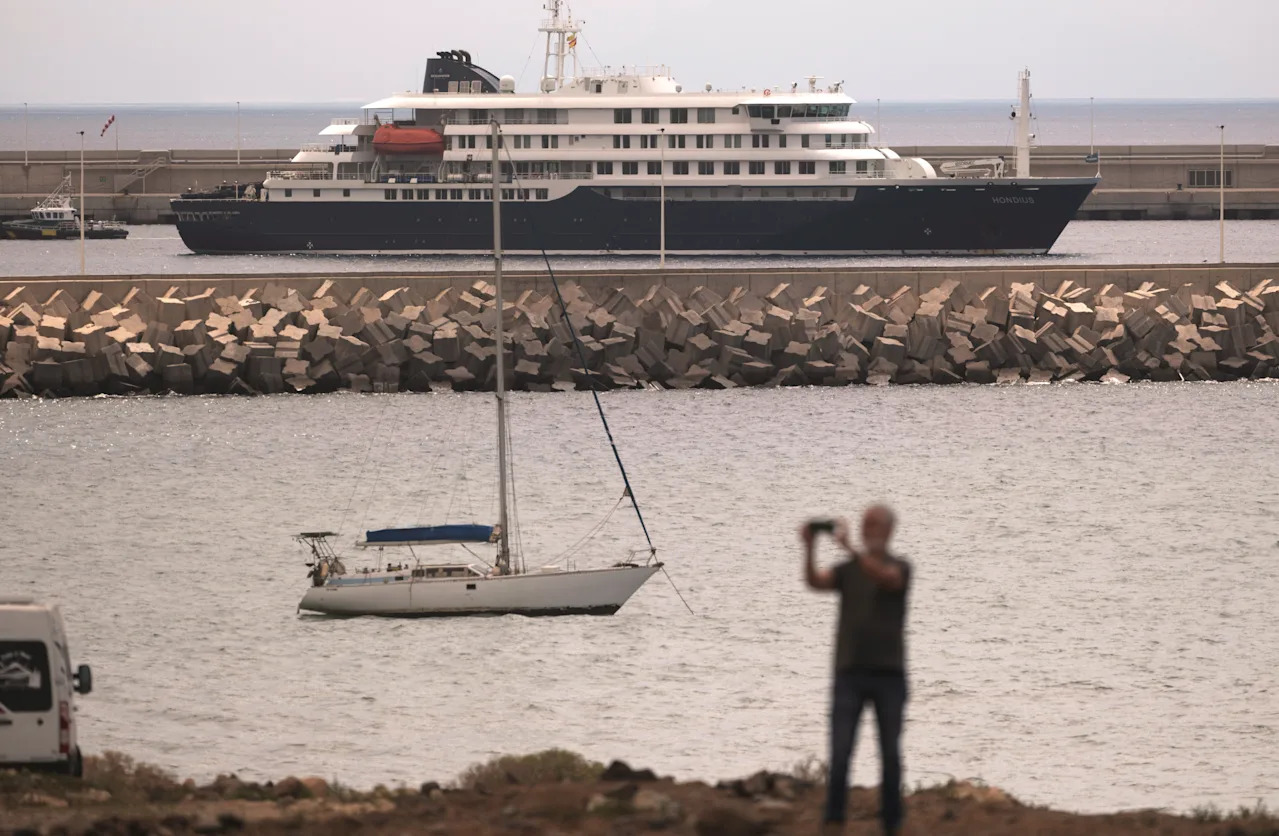
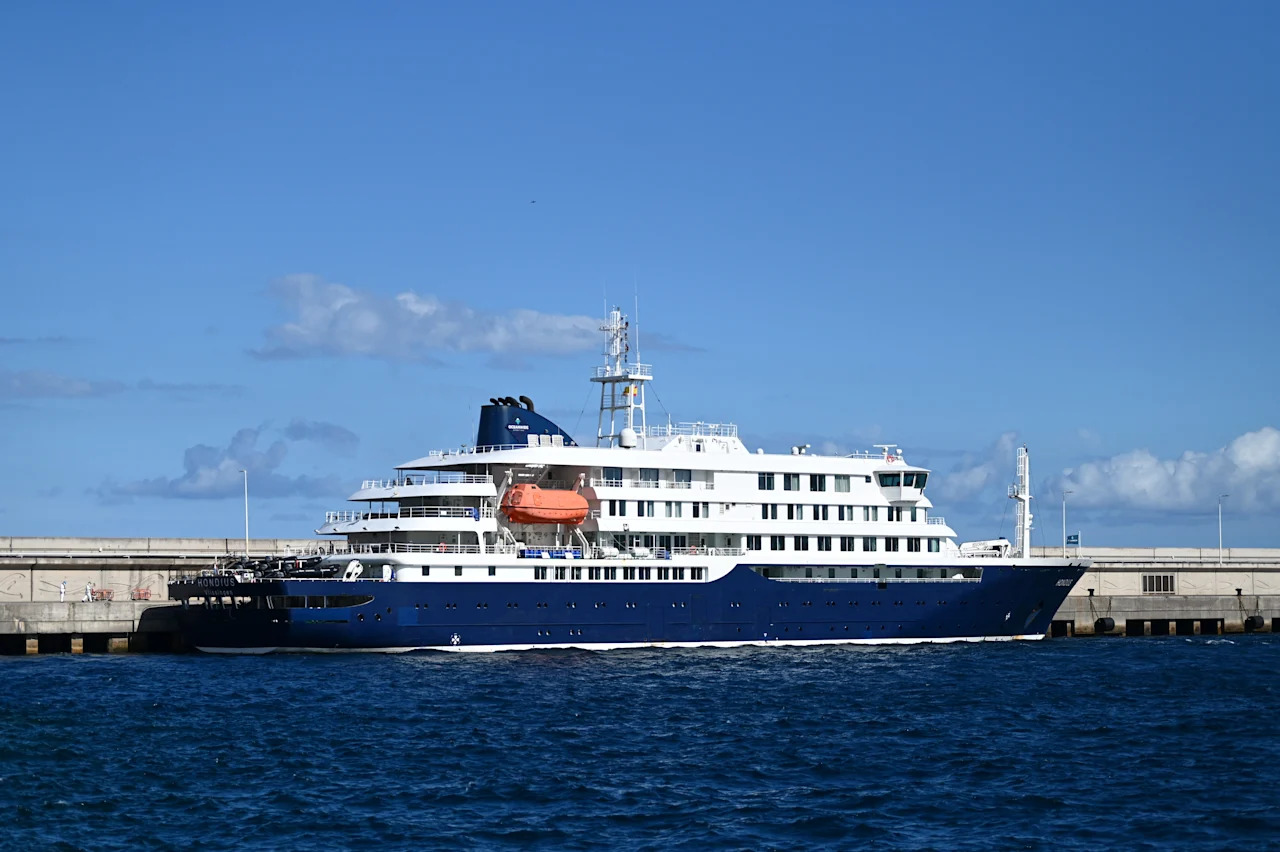
Six passengers from the MV Hondius finally left Tenerife on Monday evening after strong winds forced the polar expedition ship, carrying the remaining passengers — four Australians, one British national who lives in Australia, and a New Zealander — to dock briefly at the port of Granadilla de Abona to allow them to disembark safely and board a flight to the Netherlands, Spain’s health ministry said.

Nineteen crew members from the ship and three doctors who treated them were due to depart for the Netherlands on a separate flight, the Dutch Foreign Ministry said.

The MV Hondius was then due to continue its journey with 26 crew members to the Netherlands, its flag state, where it would be disinfected.

Spain has registered its first hantavirus case, with one quarantined Spanish national testing positive for the virus, the country’s health ministry confirmed.

The patient developed a fever and shortness of breath, a spokesperson said Tuesday in a statement, adding that the patient is stable and has shown no apparent clinical deterioration.

Tedros Adhanom Ghebreyesus, the director-general of the WHO, has said there is “no sign” of a larger outbreak of hantavirus, but acknowledged that we could see more cases “in the coming weeks.”

"At the moment, there is no sign that we are seeing the start of a larger outbreak, but of course the situation could change and, given the long incubation period of the virus, it's possible we might see more cases in the coming weeks,” Tedros told reporters on Tuesday, speaking alongside Spanish Prime Minister Pedro Sánchez in Madrid.

Spain completed the evacuation and transfer of the final group of passengers and crew members on Monday, Spanish Health Minister Mónica García said.

In total, 125 passengers and crew members from 23 countries were evacuated, García said. The process finished on Monday with two more flights to the Netherlands and a final flight to Australia.

Nebraska Gov. Jim Pillen has pledged, "No one who poses a risk to public health is walking out the front door onto the streets of Omaha.”

His comments came as one person who tested positive for the hantavirus was admitted to a biocontainment unit and 15 others who were possibly exposed were admitted to a quarantine unit at the University of Nebraska Medical Center.

Speaking to reporters on Monday, Pillen said officials were working with federal agencies and that there was a "strong plan in place."

Pillen later posted on X that there was “no better place for these Americans to be cared for,” describing the response to the virus outbreak as a “well coordinated federal, state, and local effort.”

The Maryland Department of Health said in a statement Monday that it is monitoring two Maryland residents who were on a flight that briefly included an MV Hondius cruise ship passenger infected with hantavirus.

The Maryland residents did not travel on the ship themselves, and asymptomatic people are not considered infectious. But the department said it would continue monitoring the two residents “out of an abundance of caution.”

Other states that are monitoring residents for signs of hantavirus infection include Arizona, California, Georgia, New Jersey, Texas and Virginia. None of the states have reported any cases.

No passengers remain aboard the MV Hondius as it heads to its final stop in the Netherlands. But there are still 25 crew members on the hantavirus-stricken cruise ship, according to its operator, Oceanwide Expeditions.

The crew members are being monitored for signs of infection by two medical professionals from the Netherlands’ public health agency, RIVM.

The body of the German national who died May 2 on the MV Hondius is also on the ship. Oceanwide Expeditions said Monday that it "will coordinate with relevant authorities to ensure repatriation upon arrival in the Netherlands."

The ship will “undergo sanitation upon arrival” as well, but “details regarding vessel cleaning protocols are still being determined.”

The World Health Organization confirmed during an update on Monday that a total of nine hantavirus cases are linked to the outbreak on the cruise ship MV Hondius.

“As of today, we’ve got nine cases, seven of whom are confirmed, and we’ve got three dead among them,” said Olivier le Polain, unit head of epidemiology and analytics for response with the WHO.

Le Polain said the latest case reported by France is a passenger who disembarked on May 10. The case was confirmed on Monday.

“Not counted in this total is one person from the ship who was repatriated and had an inconclusive lab work result,” Le Polain said. “We are awaiting further confirmation.”

Two of the U.S. passengers repatriated from the MV Hondius in the Canary Islands were transferred to Emory University Hospital’s Serious Communicable Diseases Unit on Monday.

“One symptomatic individual is receiving care in Emory’s biocontainment unit, and one asymptomatic individual — identified as a close contact — is undergoing evaluation and monitoring," Emory officials said in a statement to WSB-TV in Atlanta.

Georgia Gov. Brian Kemp told reporters earlier Monday that he’s “very confident” in Emory’s medical experts and state health officials to handle a potential hantavirus outbreak.

“If you were one of those passengers that was stranded — especially if you were from Georgia — you would want your state to come to your aid, and that’s exactly what we’re going to do,” the governor said. “There is nobody better to handle that than the folks at Emory.”

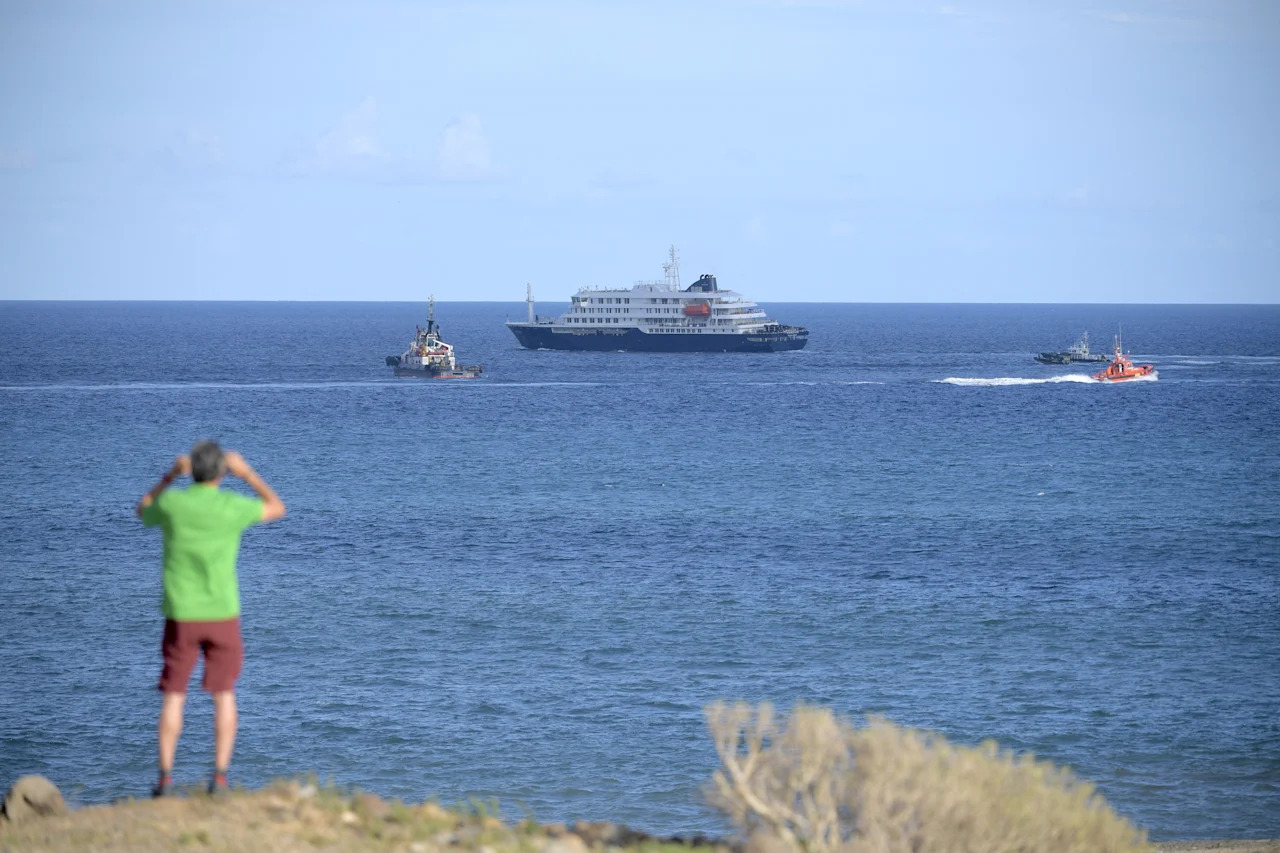
All passengers aboard the hantavirus-stricken cruise ship MV Hondius have disembarked. The ship and its remaining crew have departed from the port of Granadilla in Tenerife and is headed to Rotterdam, the Netherlands.

The final leg of the journey will take around five days, according to the ship’s operator, Oceanwide Expeditions.

New York Gov. Kathy Hochul said on Monday that three of the U.S. passengers who were repatriated from the MV Hondius to Nebraska are New York state residents.

New York City Health Commissioner Alister Martin released a statement on X on Monday specifying that of the three residents, one is from New York City.

“Today, three New York state residents who were passengers on the MV Hondius cruise ship arrived at Offutt Air Force Base in Nebraska,” the statement says. “One passenger is from New York City. All three are expected to be subject to a 42-day monitoring period.” Martin added that the NYC Health Department is working with the CDC, the state’s health department and other local health departments to monitor the situation.

“Currently the risk to New Yorkers remains extremely low.”

A reporter asked President Trump on Monday what he thinks about the infectious disease experts who are worried that the country is not prepared for a hantavirus outbreak due to staffing and funding cuts at the Department of Health and Human Services.

Trump handed the question off to Dr. Mehmet Oz, head of the Centers for Medicare and Medicaid Services, who replied, “It’s just not true.”

“The country is prepared, and the [Centers for Disease Control and Prevention] is focused on it, and the agency is well aware of the opportunities to actually treat this problem, not just try to prevent it in the future, but treat it if it happens now,” Oz said.

He then handed it over to Health Secretary Robert F. Kennedy Jr., who said, “We’ve had CDC teams on it from day one. … We have this under control, and we’re not worried about it.”

President Trump told reporters in the Oval Office on Monday that he thinks the U.S. is in “very good shape” amid the hantavirus outbreak, adding that the virus isn’t new.

“I hope it’s fine,” Trump said at a maternal health care event. “All I can do is everything that a president can do, which is actually somewhat limited.”

He also praised the medical team at the University of Nebraska Medical Center, which is assessing the majority of the U.S. patients repatriated from the virus-stricken cruise ship MV Hondius.

Spain’s Health Minister Mónica García posted an update on X Monday, writing that the final phase of the disembarkation of passengers from the MV Hondius is underway after “challenging days.”

Because of strong winds and rough seas, the Maritime Authority recommended that the cruise ship be temporarily moored in the Port of Granadilla, Tenerife, to make the operation safer.

Three of the U.S. passengers being monitored for hantavirus in Nebraska are from New York, the state’s Gov. Kathy Hochul said on Monday.

“We don’t know whether those individuals will be returning to New York. I believe there is a 42-day monitoring period, and they can decide whether they want to do that in Nebraska or come back and make other accommodations,” Hochul told reporters during a press conference unrelated to hantavirus.

The governor could not offer more details about the three New Yorkers.

The New York State Department of Health is expected to give an update this afternoon, Hochul said.

The governor said New Yorkers should not panic and that she has activated the Wadsworth Center Laboratory in Albany to “start preparing New York for worst-case scenarios.”

The American passengers who disembarked the MV Hondius in St. Helena and have since returned to the U.S. are being monitored by their respective state health departments, the Centers for Disease Control and Prevention said during Monday’s media briefing. So far six states are monitoring residents for potential exposure to hantavirus tied to the cruise ship.

Dr. Brendan Jackson explained that monitoring includes checking symptoms, temperature checks and having plans in place to make sure they can effectively isolate in their home if they develop symptoms. “If they are developing symptoms, they have ways to get tested safely and to make sure that they’re not going to spread it to others.”

“I want to emphasize this is not a brand-new virus. Even though it’s new to many of us, it is a virus that has been known for decades now, and there have been outbreaks that have been dealt with in other countries — and even here in the United States. This is not the first time we’ve had Andes virus in the United States before,” Jackson said. “The data that we have now all suggest that transmission that’s spread between people happens when people are symptomatic.”

Dr. Brendan Jackson with the CDC said during Monday’s media briefing that the Andes hantavirus has a maximum incubation period of 42 days, which is the time from when someone is exposed to the virus until they develop symptoms.

“I’ll note that this is a much longer incubation period than we see for a lot of other viruses, but typical for hantaviruses,” Jackson explained.

The American passengers will be at the National Quarantine Unit for “at least a few days” while they are assessed and officials coordinate what happens next, the Centers for Disease Control and Prevention said Monday.

“There’s going to be an individualized decision plan for them to determine if it makes more sense for them to complete their 42-day monitoring period at home,” said Dr. Brendan Jackson, the acting director of the division of high-consequence pathogens and pathology.

“A few factors will go into that decision, such as whether they are symptom-free, whether they can isolate in a separate part of their home, who they can contact if they develop symptoms and whether they have access to a higher level of medical care should they need it.”

Jackson added that if anyone were to be transferred to their home, it would be in close coordination with the state’s health department.

“We want to do this in the least restrictive way that is safe and will protect the health and safety of both the passengers and their communities,” Jackson said.

Dr. Michael Wadman, medical director of the National Quarantine Unit at UNMC, said during Monday’s media briefing that 15 passengers are in the quarantine unit and one passenger is in the biocontainment unit.

“The 15 that were welcomed here were in good shape; they were in good spirits,” Wadman said, adding that all 15 were asymptomatic. “They definitely were tired and needed some rest, so we did a quick assessment, brought them into the unit, a very smooth, successful, safe transfer.”

The quarantine unit is for individuals who are feeling well and need to be monitored and is considered to be much more like a hotel.

The biocontainment unit provides hospital-based care. “Those patients could range from being relatively well and stable to critically ill, requiring multiple procedures,” said Dr. Angela Hewlett, the medical director at the biocontainment unit at UNMC.

She said the one person in the biocontainment unit was doing “well” and currently does not have any symptoms.

Health officials confirmed at a media briefing on Monday that 18 U.S. citizens were safely repatriated from the MV Hondius in the Canary Islands and arrived in the U.S. on Sunday night. Two of the passengers, one who tested positive for hantavirus and one who is symptomatic, were transferred to Atlanta for further testing.

The other 16 passengers are at the University of Nebraska Medical Center and are being assessed.

“UNMC was selected as the U.S. entry point due to its extensive expertise in handling special pathogens and is the only national quarantine unit in the country,” said John Knox, the principal deputy assistant secretary for the administration for strategic preparedness and response at HHS.

"Over the next several days, passengers will undergo an initial health assessment and receive guidance on next steps from the CDC experts," Knox added.

Cruise operator Oceanwide Expeditions previously said there were 17 Americans on board the MV Hondius.