yahoo Press
Red Lobster 'Endless Shrimp' revival brings back servers' bad memories
Images
1 / 5
2 / 5

3 / 5

4 / 5

5 / 5
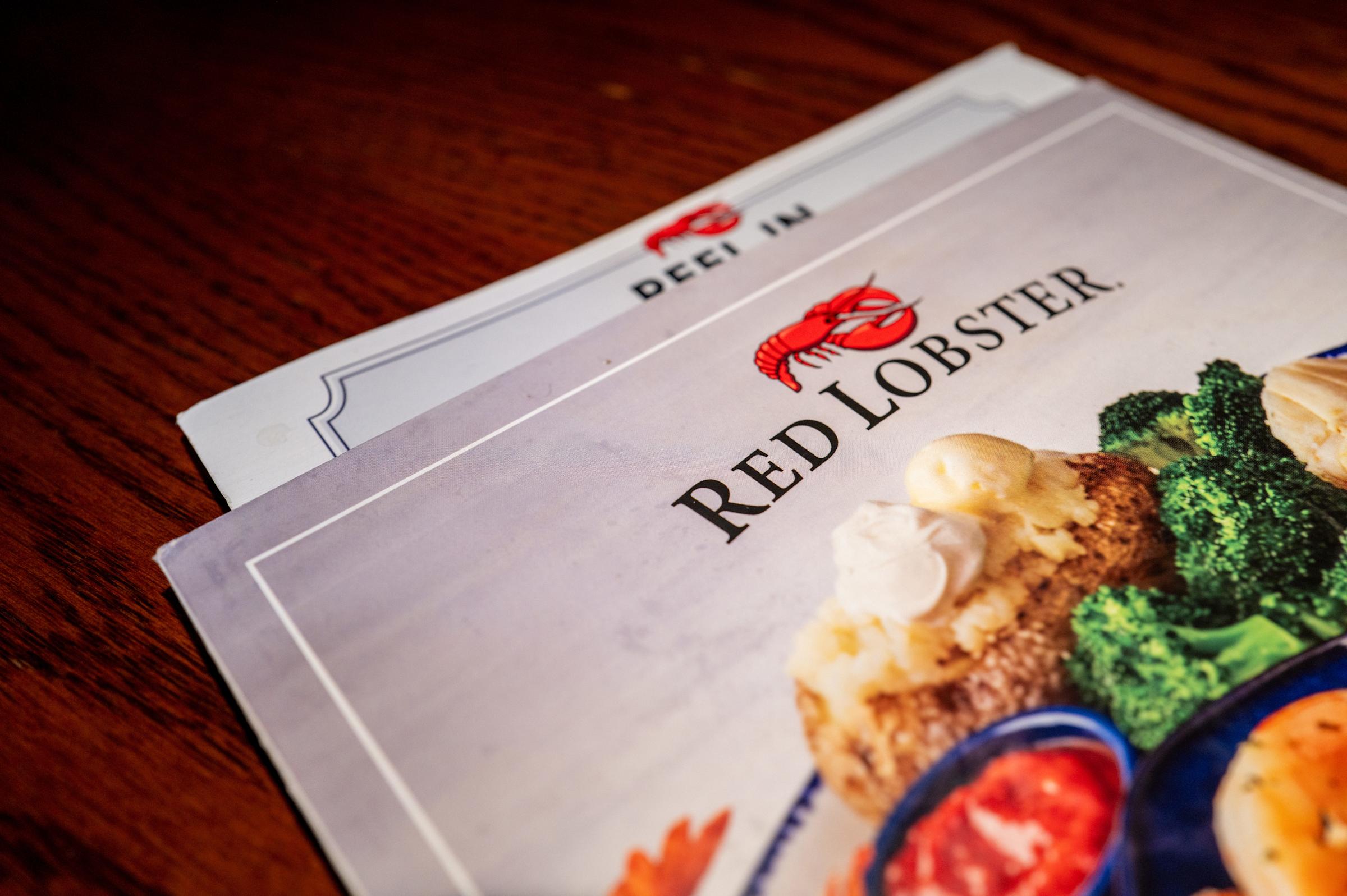
Red Lobster's "Endless Shrimp" promo is back due to fan demand.

Former servers say the promotion was a stressful nightmare that led staff to quit.

A former executive said the bottomless deal was once used to drive traffic, but lost its magic.

The return of Red Lobster's "Endless Shrimp" promotion has seafood lovers salivating, but it might leave a bad taste in the mouth of the kitchen and wait staff, former servers told Business Insider.

"It's the time when the most staff quits," said Saul Eugene, who worked at the chain in 2019 and 2020. During the promotion, Eugene said that diners would "sit there and eat shrimp for two and a half hours," turning what should be a standard order into "essentially a 22-course meal" without a bigger bill to match.

The result for employees: more work for less pay — a complaint that ricocheted across social media after Red Lobster announced a limited return of the all-you-can-eat shrimpfest on Monday.

"You make less money for twice as much work," Eugene said, calling the experience "hell for servers."

Ryan Spalding, who worked at Red Lobster in the late 2000s, said customers would "game the system," ordering refill after refill, lingering at tables, and trying to take food home against the rules. He said the special — then $20 — often drew in people who weren't going to tip and would try to share food, not the kind of repeat customers the chain or its employees wanted.

Indeed, when Red Lobster made the intermittent promotion a permanent part of the menu several years ago, the chain said it cost $11 million in losses in three months.

CEO Damola Adamolekun, who is spearheading Red Lobster's comeback after its bankruptcy, testily told Business Insider last year that he had "no plans" to revisit the promotion.

Adamolekun said this week that customer clamor for shrimp, shrimp, and more shrimp led him to reverse course and bring it back for an unspecified limited time. It's available for dine-in patrons only, with restaurants charging between $24.99 and $29.99 for unlimited amounts of five dishes.

Representatives for Red Lobster did not respond to a request for comment from Business Insider about staff reaction to the promotion.

A former senior communications executive at the company told Business Insider the promotion lost what once made it powerful: its rarity. "Endless Shrimp" was "iconic" because it came around once a year, creating anticipation and excitement. Over time, she said, the company leaned on it more and more to drive traffic.

"It became a one-trick pony," she said. "As soon as the business started to waver, or as soon as they needed to drive guest count really, really quickly and get some revenue into the restaurants, they turned on 'Endless Shrimp.'"

That tension between what customers love and what staff are asked to endure has always been baked into the bargain.

"If you're prioritizing your guests, they always love 'Endless Shrimp,'" the former executive said of her experience with the promotion. "If you're prioritizing your employees, you would never do 'Endless Shrimp.'"

Ex-servers said the downsides were palpable. Eugene said his tip percentage dropped "about 3 or 4 percent" during Endless Shrimp season, even as the job became far more demanding.

"You're already getting stiffed on your labor, then you're also getting lower tip percentages," he said. "It's demoralizing, and because it's so demoralizing, it makes people quit the job. Those who do stay are those who have to be there to pay their bills, and they're just getting screwed left and right — like, it is as far from worker-friendly a policy as you can be."

Because the deal encouraged volume, it changed the restaurant's rhythm. Instead of turning over tables with new customers ordering full meals, servers were running plate after plate of shrimp for the same guests.

At a corporate level, though, Endless Shrimp was seen as a traffic driver — even when it stopped working as intended.

The former Red Lobster executive said the promotion was originally designed to get people in the door, but not necessarily to order shrimp. Marketing would "shout from the rooftops" about "Endless Shrimp," but inside the restaurant, it was barely highlighted, nudging diners toward higher-margin items instead, she said.

Now, she said, the deal is "big and bold" across menus and marketing, she said — which could encourage customers to trade down from pricier dishes like lobster.

She noted the promotion has been brought back right before the usual end of the company's fiscal year, which concludes in May, and in the middle of its Lobsterfest promotion, during which it has brought in as much as 70% of its revenue.

Many chains offer "bottomless" promotions. Red Lobster's became unprofitable, she said, because of decisions behind the scenes. After the seafood producer Thai Union acquired the chain in October 2016, Red Lobster was required to buy shrimp from its parent company at above-market prices, stripping away its ability to negotiate prices. At the same time, the company increased the size of its shrimp, even though the promotion had always been built around volume.

"The combination of having to purchase it from a supplier who was also your owner, and thus charging you more money than you should be, with its desire to also increase the size of the shrimp for a promotion that wasn't actually about size at all, really was a deadly combination," she said.

Business Insider reported in May 2024 that Red Lobster's then-CEO, Jonathan Tibus, questioned the company's purchasing processes, including from its owner, Thai Union, saying that the promotion strained the supply chain and caused millions of dollars in losses.

"Endless Shrimp" became shorthand for excess — and for a business model that wasn't working.

Its revival may deliver a short-term bump. For the people who once worked the floor, it's just a bad memory.

"I just feel bad for all the staff there," Eugene, the former server, said.

Have a tip? Contact this reporter via email at Katherine Tangalakis-Lippert at ktl@businessinsider.com or Signal at byktl.50. Use a personal email address, a nonwork WiFi network, and a nonwork device; here's our guide to sharing information securely.

Read the original article on Business Insider