Press
Air fares soar by nearly a quarter, research shows
Images
1 / 8

2 / 8

3 / 8

4 / 8

5 / 8

6 / 8

7 / 8
8 / 8
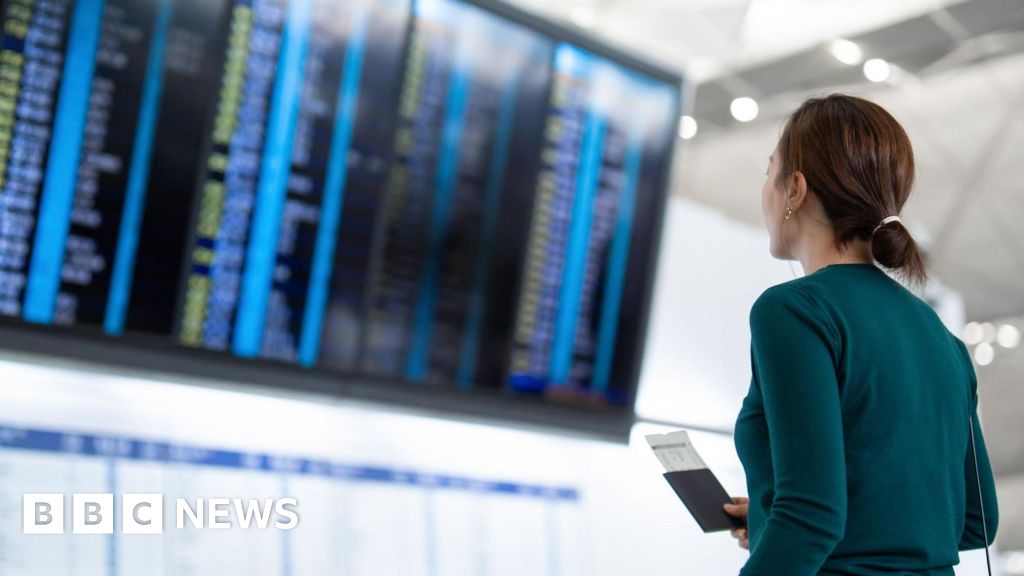
The war in the Middle East has helped to trigger a surge in air fares, with the lowest-priced economy tickets costing 24% more on average than they did a year ago, according to new research.

The report, from the consultancy Teneo, says that airspace restrictions caused by the conflict have forced airlines to reroute many flights, increasing the amount of fuel they have to use.

Additionally, disruption to oil supplies has pushed up the cost of fuel itself.

There has also been a significant loss of capacity on long-haul routes normally served by Gulf carriers, which have had their operations heavily disrupted.

Some rival airlines have expanded their operations to some long-haul destinations.

Jet fuel prices have soared from about $85-$90 per barrel to $150-$200 per barrel in recent weeks. Fuel accounts for up to a quarter of airlines' operating expenses.

The biggest impact on ticket prices has been felt on routes between Europe and East Asia, the report says. A flight from London to Melbourne in June now costs 76% more than last year, while the price of a flight from Hong Kong to London has gone up by 72%.

US media reported on Tuesday that Vice President JD Vance will travel to Pakistan for peace talks, but Iran has not confirmed it will send a delegation.

Meanwhile, US President Donald Trump said he did not want to extend the ceasefire, which is due to expire on Wednesday.

He told CNBC there was "not much time" to reach a deal, and that the Iranians could get themselves on "a very good footing" if they reach one with the US.

Meanwhile, airlines operating out of the UK have warned that if the conflict in the Middle East continues or worsens, it will force them to cut flights and push up fares.

They have called on the government to take a number of steps to protect them from the effects of the disruption caused by the closure of the Strait of Hormuz.

This would include allowing delays and cancellations due to fuel shortages to be classified as "extraordinary circumstances", allowing them to avoid paying out compensation, something that European airlines have also called for.

They have asked for Air Passenger Duty – a tax on passengers – to be cut or suspended, as well as for a major emissions trading scheme to be temporarily stood down.

The demands are contained in a confidential briefing document sent to ministers and the Civil Aviation Authority by Airlines UK, a body which represents a large number of carriers, including EasyJet, Ryanair, British Airways and Virgin Atlantic.

The document – first reported on by ITV News – also calls for restrictions on night flights to be eased and rules on the allocation of take-off and landing slots at busy airports to be relaxed. This would prevent airlines losing valuable slots if they were unable to operate services.

The government, it says, should establish "targeted refinery obligations", which would if necessary force oil refineries to prioritise the production of jet fuel over other products, such as petrol or diesel.

In addition, it suggests that ministers should temporarily allow the import and use of Jet A, a type of aviation fuel widely produced in the US. Although essentially similar to the fuel used in Europe, Jet A1, it has a higher freezing point, and is not currently permitted in the UK.

Analysts say many US refineries are not currently capable of making Jet A1, which has limited their ability to replace the supplies currently blocked in the Gulf.

A spokesman for Airlines UK said: "Airlines continue to operate normally and are not currently experiencing issues with jet fuel supply, but as you would expect we remain in close contact with the DfT given the current external environment.

"It is vital that government take the right actions now to ensure the continuation of supply, as well as support the UK aviation industry, which has been impacted by record high jet fuel prices and that includes providing additional flexibility.

"Additional flexibility should it be needed would enable airlines to operate most efficiently to minimise any disruption to customers and maintain long-established global networks."

The impact is being felt by manufacturers, retailers and the digital sector, amid warnings it could get worse if the war resumes.

Conflict spread across the Middle East after the US and Israel launched strikes on Iran on 28 February.

The US president's comments come amid uncertainty over whether Iran will attend peace talks in Pakistan this week.

Energy markets have seen wild swings since the US and Israel attacked Iran on 28 February.

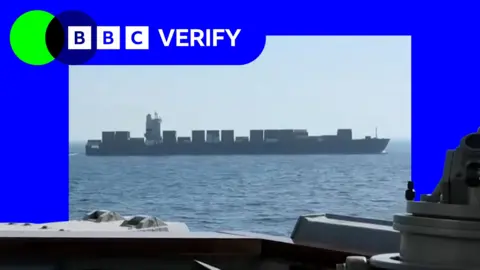
The US has intercepted an Iranian ship entering the Gulf as part of its naval blockade, US President Donald Trump has said.