yahoo Press
120,000-Year-Old Discovery Made in Cave Hidden Under Historic Welsh Castle May Rewrite History as We Know It
Images
1 / 10
2 / 10

3 / 10

4 / 10

5 / 10

6 / 10
7 / 10

8 / 10

9 / 10

10 / 10
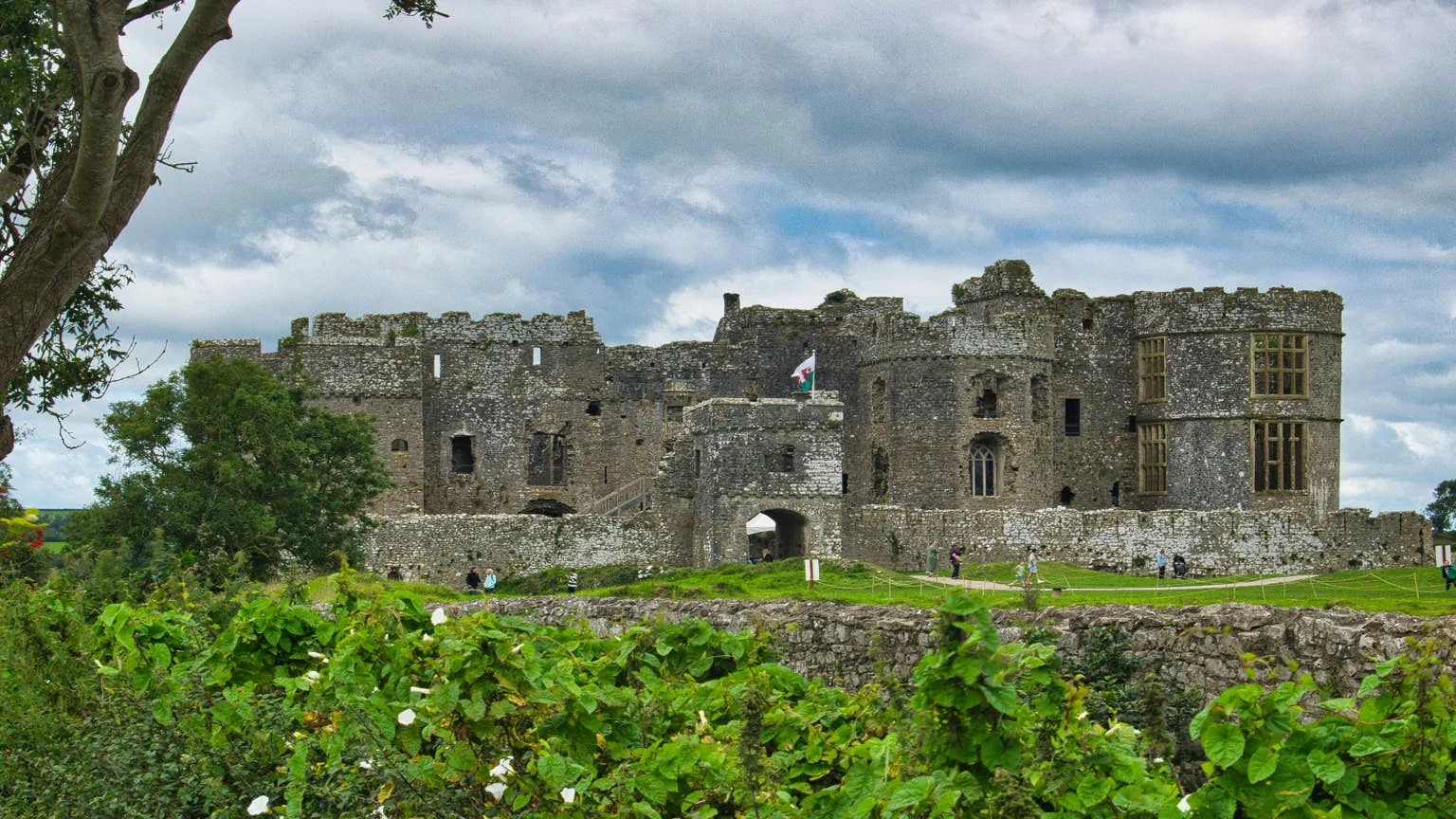
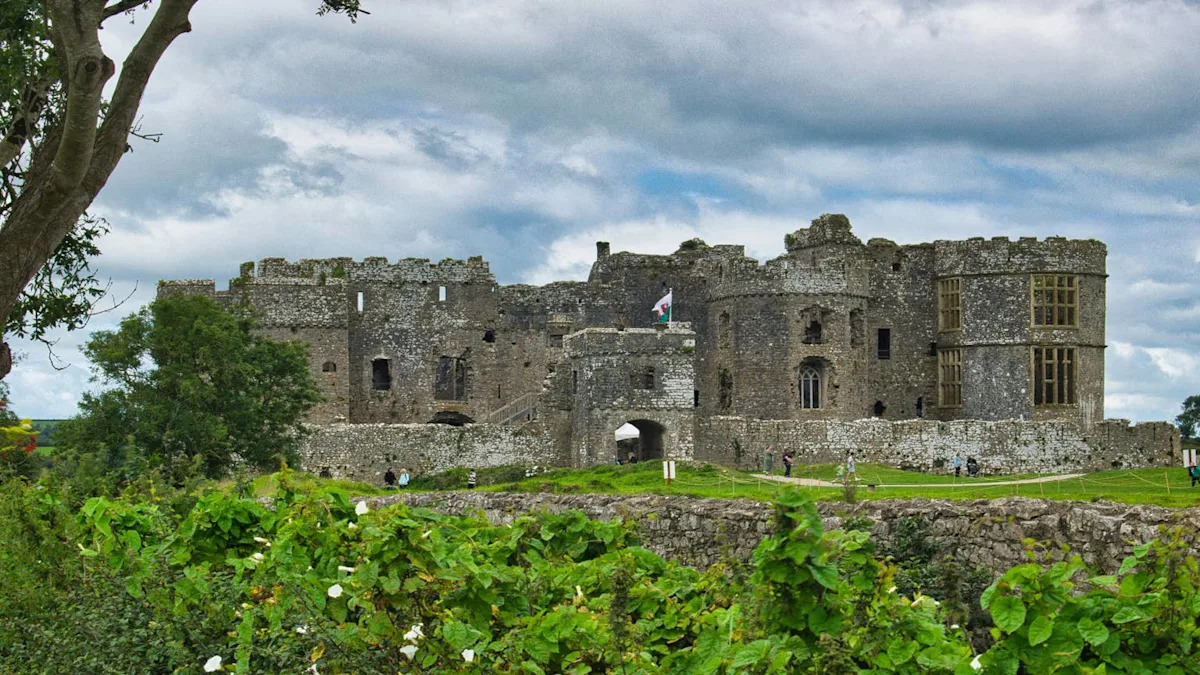
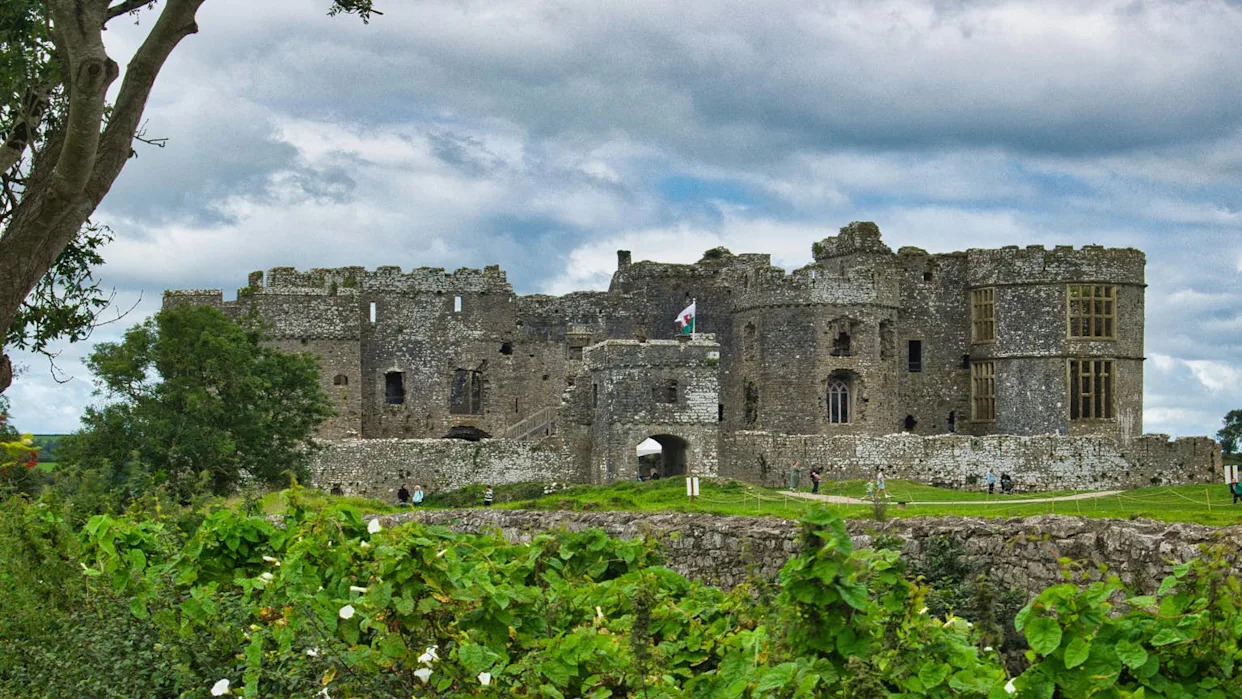
At Pembroke Castle in Wales, archaeologists have uncovered something extraordinary: a cave system containing evidence of life stretching back around 120,000 years, including the remains of a hippopotamus, Ice Age animals, and possible early human activity. The site, known as Wogan Cavern, is now being described as one of the most significant prehistoric discoveries in Britain.

It is the kind of find that makes you look at a medieval fortress differently. Not just as a symbol of kings and conquest, but as a lid placed on something far older, wilder, and almost unthinkably deep in time.

Subscribe to our newsletter and get awesome stories like this delivered straight to your inbox!

The breakthrough came through small-scale excavations inside Wogan Cavern, a cave accessed via a Victorian-era staircase hidden within Pembroke Castle. What researchers expected to be a relatively modest archaeological site turned out to be anything but.

Instead, they found a layered prehistoric archive: bones of animals that lived during dramatically different climate periods, including a hippopotamus dating back roughly 120,000 years, alongside evidence of mammoths and traces that suggest early human or Neanderthal presence.

Related: Construction Crew Makes a 300-Year-Old Discovery While Excavating in Historic U.K. City

That mix is what makes the site so unusual. It is not just one snapshot of the past, but multiple chapters stacked on top of each other. Scientists believe the cave preserves environmental changes spanning over 100,000 years, offering a rare chance to understand how ancient ecosystems shifted as Ice Ages came and went.

According to UpDay, Dr. Rob Dinnis of the University of Aberdeen, who is leading the research, has described the site as “a truly remarkable site” with “no other site like it in Britain.” Archaeologists describe the cave as unusually intact, with stratified layers that preserve environmental changes over tens of thousands of years. That kind of continuity is rare in British archaeology, where many sites have been disturbed or eroded over time.

The presence of hippopotamus remains suggests that Britain experienced a far warmer climate during the last interglacial, as per The Guardian. That alone reshapes how scientists understand prehistoric environmental shifts in the region.

Even more intriguing is the potential evidence of early human or Neanderthal activity that The Guardian describes. If confirmed, it would place ancient human presence in this part of Wales much earlier than previously understood, adding new layers to the story of how humans moved through prehistoric Europe.

There is also a broader implication here that feels especially relevant to travelers drawn to places with deep history. It is a reminder that “history” is not fixed. It is something still being uncovered, even in places that already feel fully known.

Related: Construction Crew Accidentally Unearths a 500-Year-Old Medieval Castle While Excavating

Wogan Cavern is located beneath Pembroke Castle, which is open to visitors, but the cave itself is not a casual walk-in attraction. Access is controlled and primarily reserved for archaeological work and guided or restricted entry depending on ongoing excavations and safety conditions.

The castle itself, however, is very much open to the public and offers a rare opportunity to visit a site where medieval history sits atop prehistoric discoveries. That layered experience is part of what makes it so compelling for travelers.

You are not just visiting a castle. You are visiting a place where multiple eras collide: Ice Age ecosystems, possible Neanderthal activity, medieval fortifications, and modern scientific excavation all occupying the same vertical space in history.

Stay in the loop with fresh travel stories and updates—subscribe to our newsletter.

This discovery invites a different kind of travel mindset, one that pays attention not just to monuments, but to layers. It is the same feeling you get when you walk through Rome and realize modern streets sit over ancient ruins, or when you trace old city maps and find entire neighborhoods that no longer exist.

In Pembroke, that layering is suddenly very real. A medieval castle. A prehistoric cave. A climate that once supported hippos. A human story still unfolding.

This story was originally published by Parade on Apr 16, 2026, where it first appeared in the News section. Add Parade as a Preferred Source by clicking here.