yahoo Press
Iran Says They Were Just 'Inches Away' From Peace Deal When US Shifted 'Goalposts:' 'Zero Lessons'
Images
1 / 8
2 / 8

3 / 8

4 / 8
5 / 8

6 / 8

7 / 8

8 / 8
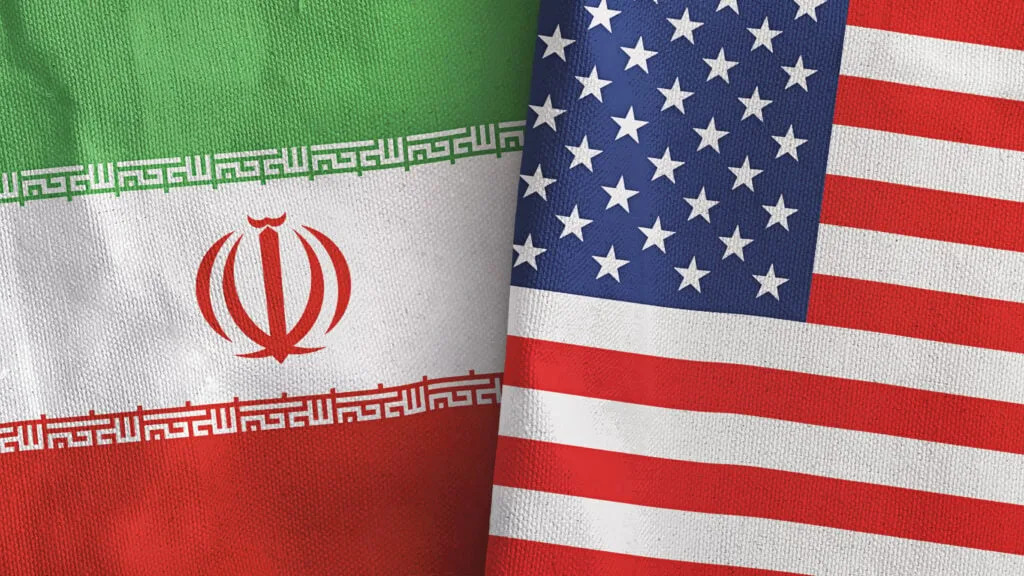
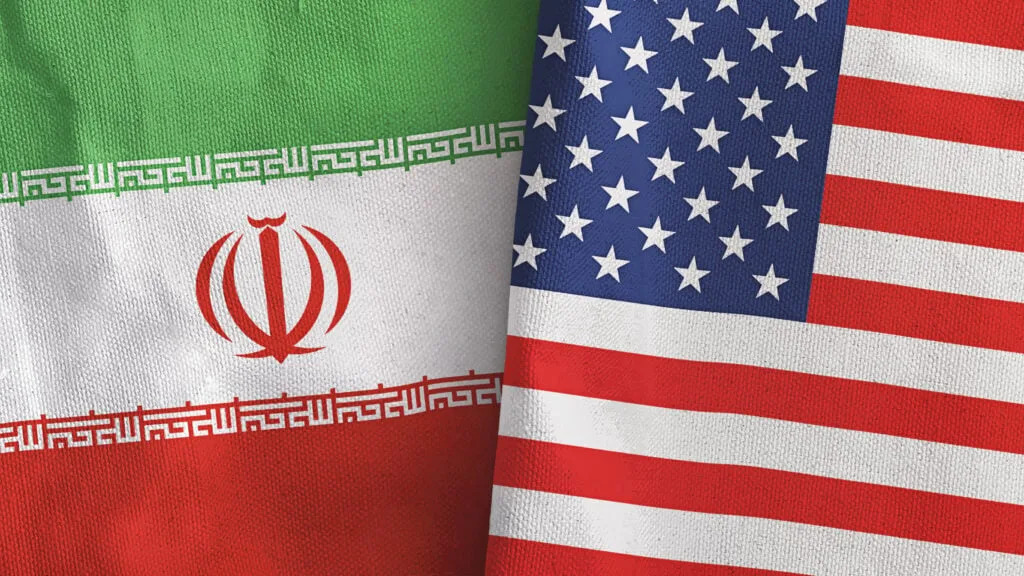
Iran’s Foreign Minister Seyed Abbas Araghchi expressed disappointment over the U.S.’s approach in the recent peace talks, suggesting that the U.S. failed to negotiate in good faith. Araghchi took to X on Sunday to share his views on the U.S.-Iran peace talks held in Islamabad, Pakistan on Saturday, which he referred to as “intensive talks at highest level in 47 years.” He stated that Iran had engaged with the U.S. in good faith to end the war, but was met with “maximalism, shifting goalposts, and blockade” when they were “inches away” to signing the “Islamabad MoU”. “Zero lessons earned,” he added. In intensive talks at highest level in 47 years, Iran engaged with U.S in good faith to end war.But when just inches away from "Islamabad MoU", we encountered maximalism, shifting goalposts, and blockade. Zero lessons earnedGood will begets good will. Enmity begets enmity. — Seyed Abbas Araghchi (@araghchi) April 12, 2026 Don't Miss: A single bad hire can set a startup back years. Here are the 5 hires founders most often misjudge — and why Experts say these common ETF pitfalls can catch new investors off guard Meanwhile, Iranian President Masoud Pezeshkian said on X, “If the American government abandons its totalitarianism and respects the rights of the Iranian nation, ways to reach an agreement will certainly be found.” اگر دولت آمریکا دست از تمامیتخواهی بردارد و به حقوق ملت ایران احترام بگذارد حتما راههایی برای دستیابی به توافق پیدا میشود.به اعضای هیئت مذاکره کننده به ویژه برادر عزیزم آقای دکتر قالیباف خدا قوت میگویم. — Masoud Pezeshkian (@drpezeshkian) April 12, 2026 Araghchi’s comments come in the wake of the collapse of U.S.-Iran negotiations, marking a significant setback for peace efforts. Vice President JD Vance warned that Washington would not compromise on its core demands and suggested that the failure of the talks was “bad news for Iran much more than it’s bad news for the United States of America”. Meanwhile, President Donald Trump announced that the U.S. would enforce a naval blockade on Iran and the Strait of Hormuz, hours after peace talks in Pakistan collapsed. Trending: Avoid the #1 Investing Mistake: How Your ‘Safe' Holdings Could Be Costing You Big Time A report by Axios on Monday stated that the Turkish and Egyptian officials coordinated with Pakistan, U.S., and Iranian counterparts on Sunday, with all sides still seeing a possible deal. Mediators aim to resume talks before the April 21 ceasefire deadline, saying negotiations remain active and Islamabad talks have laid the groundwork for future progress. Meanwhile, a U.S. official told the publication that a deal remains possible—but only if Iran shows greater flexibility and accepts the Islamabad proposal as its best offer. Iran’s ambassador to Pakistan, Reza Amiri Moghadam, a participant in the negotiations, wrote on X that the Islamabad talks were “not an event but a process.” The Islamabad Talks is "not an event but a process." The Islamabad Talks laid the foundation for a diplomatic process that, if trust and will are strengthened, can create a sustainable framework for the interests of all parties. I would like to express my gratitude to the… pic.twitter.com/qzCb1xYzPh — Reza Amiri Moghadam (@IranAmbPak) April 12, 2026 Photo courtesy: Shutterstock Read Next: Skip the Regrets: The Essential Retirement Tips Experts Wish Everyone Knew Earlier. Thinking about ETFs? See what investment risks you should be aware of before you buy. UNLOCKED: 5 NEW TRADES EVERY WEEK. Click now to get top trade ideas daily, plus unlimited access to cutting-edge tools and strategies to gain an edge in the markets. Get the latest stock analysis from Benzinga: APPLE (AAPL): Free Stock Analysis Report TESLA (TSLA): Free Stock Analysis Report