buzzfeed Press
9 Doable Tips That Make Spring Cleaning Your Fridge Actually Bearable
Images
1 / 12
2 / 12

3 / 12
4 / 12
5 / 12
6 / 12
7 / 12
8 / 12
9 / 12
10 / 12

11 / 12
12 / 12
It’s time to take a good, hard look at those stacks of condiments.

I'm Adriana, an NYC-based freelance writer for Tasty and BuzzFeed Shopping.

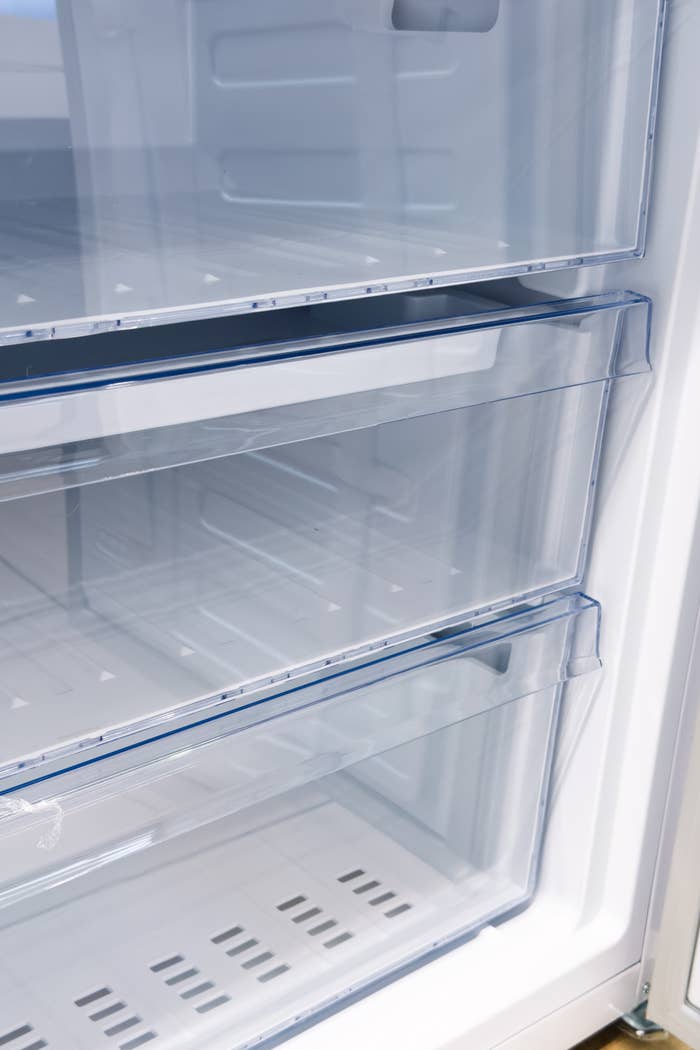
We're going a little Marie Kondo here. Remove literally everything from your fridge and freezer (you can do one at a time), to get the full laydown of the situation. Completely clearing your fridge serves two purposes: it allows you to assess the food you have and makes it easy to clean the inside of the fridge before putting it all back.

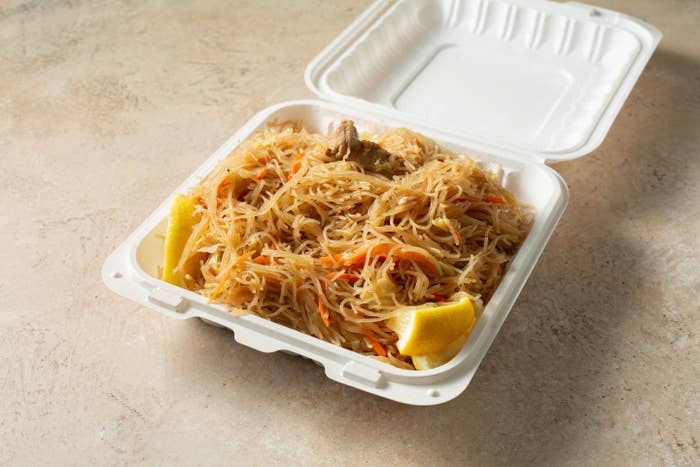
Now that you've removed everything from your fridge, you can determine which food you're going to keep versus toss. According to Vanessa Coffman, PhD, Program Director of the Alliance to Stop Foodborne Illness, who spoke to Tasty in February, you should only keep leftovers for one to three days.

Even if the food still looks safe to eat, Listeria can still grow. When in doubt, throw it out. If you're worried about food waste, you can see if there's a composting program in your city. However, it's still better to toss straight to the trash than potentially eat spoiled food.

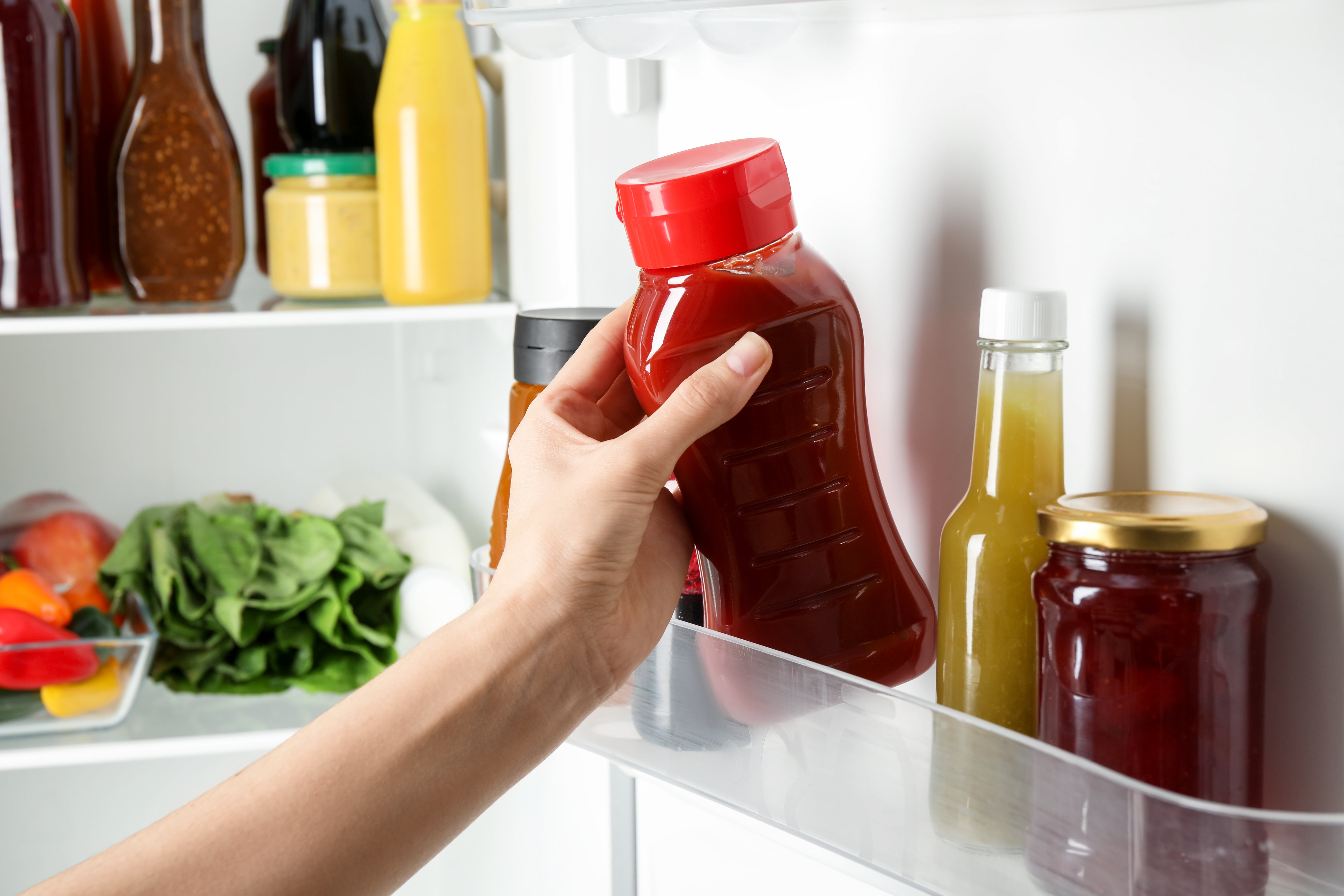
We get it, it's easy for your fridge door to become overwhelmed with ketchup, mustard, and other condiments. Here's how long you can keep common condiments after opening, according to the US Department of Agriculture:

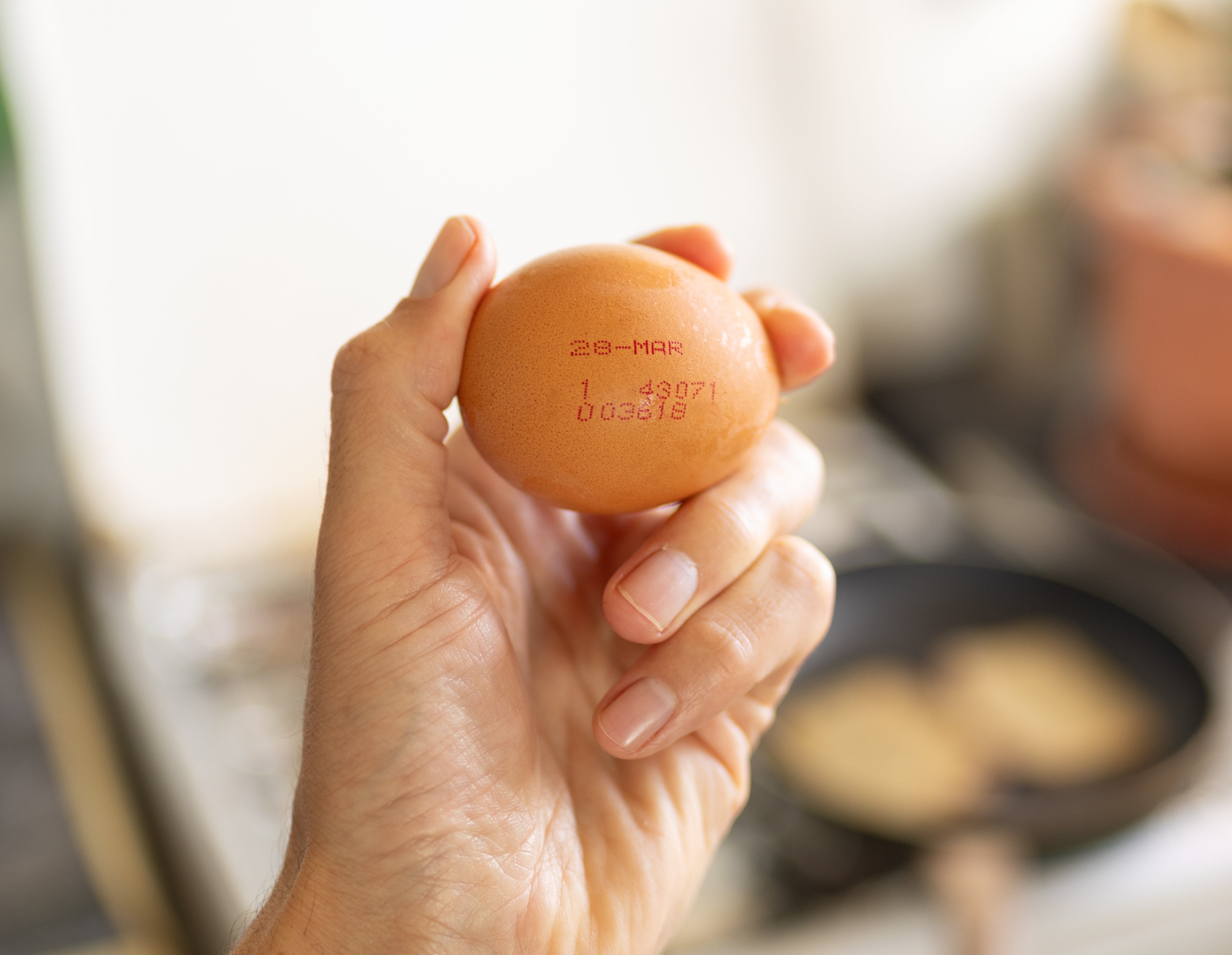
We typically think of the dates printed on foods as expiration dates. But this actually isn't true. In the USDA's exact wording, "except for infant formula, dates are not an indicator of the product’s safety and are not required by federal law."

You may see different types of dates on food packaging, like "Best if Used By," which indicates when a food will be at its peak quality, or "Sell By," which indicates how long a store can keep the food in their inventory. Instead of solely relying on these, you can follow this guide from foodsafety.gov to know what to keep versus toss.

Of course, you should toss most foods that show signs of mold, like food that's developed a green, white, black, or blue color on it. However, you can cut off mold in certain cases, like if it's growing on hard cheese.

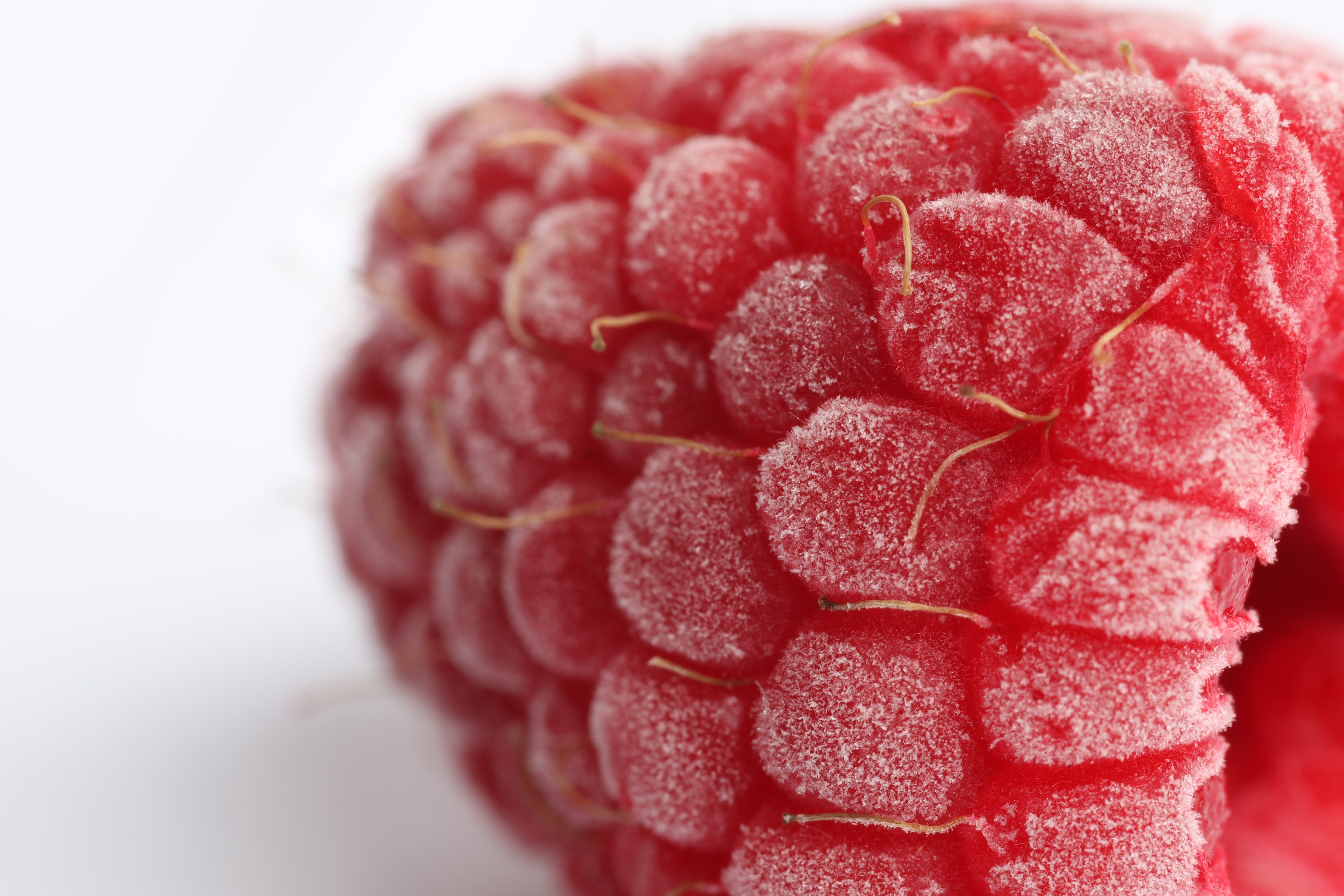
Freezer burn is sadly irreversible — you should toss any food that shows signs of it.

The most obvious sign of freezer burn is when ice crystals form along the food's surface. However, according to Whirlpool, you should also look out for frozen food that's formed a dull color or has textural changes, like meat that looks leathery or baked goods that have developed a rough texture. Meat may also take on a grey-brown color, and produce may become dry and shriveled.

The USDA has a handy chart for identifying how long you can safely keep food in the freezer.

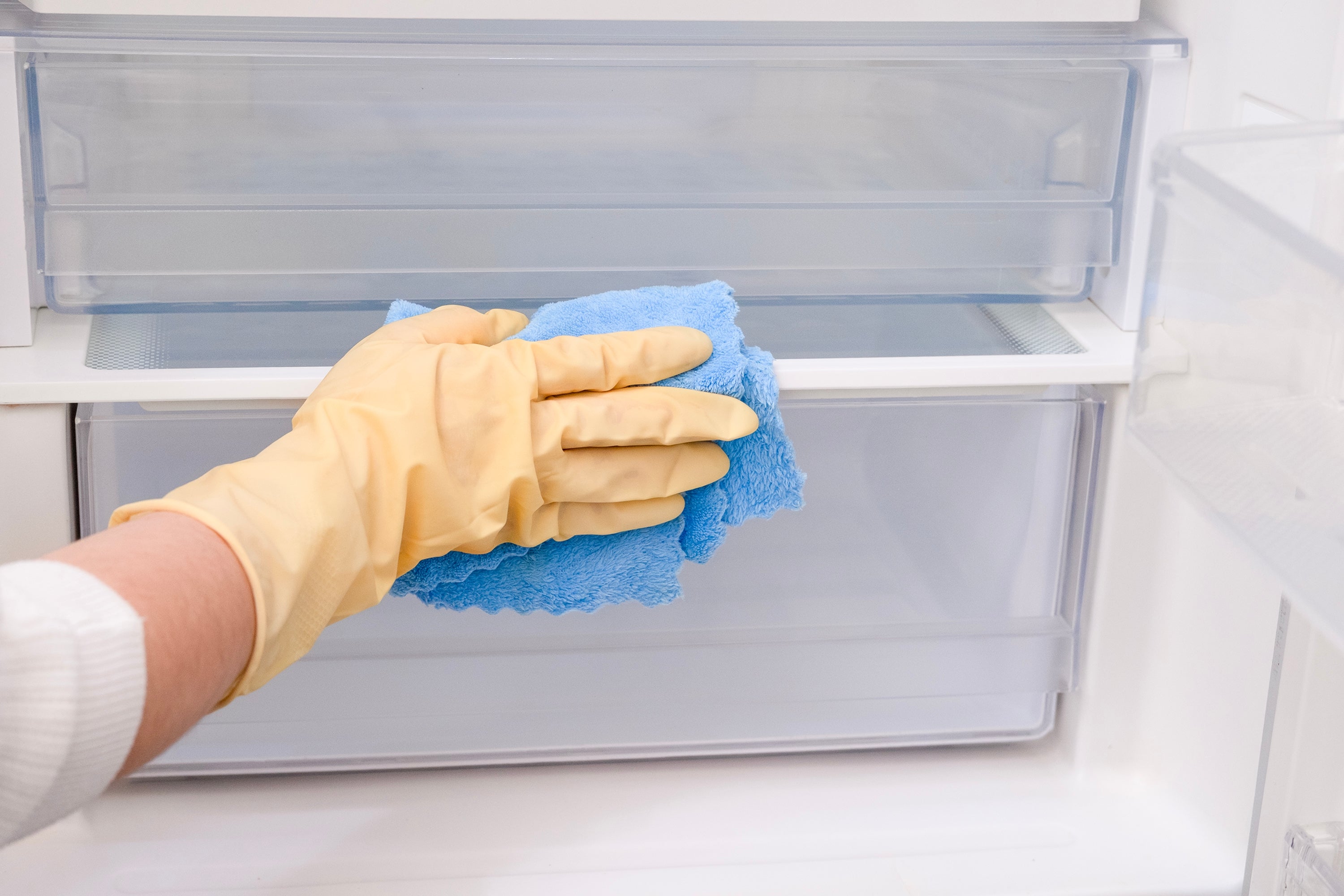
Good news for you, you don't need a fancy cleaning solution to get your fridge sparkling. Tasty spoke to Jared Sarbit, CEO of Picture Perfect Cleaning, in March, who recommended using a mild dish soap mixed with warm water, a gentle all-purpose cleaner, or diluted white vinegar. Stay away from harsh chemicals like bleach, ammonia, and heavily scented products.

If your fridge has an odor, opt for equal parts vinegar and water, per the USDA.

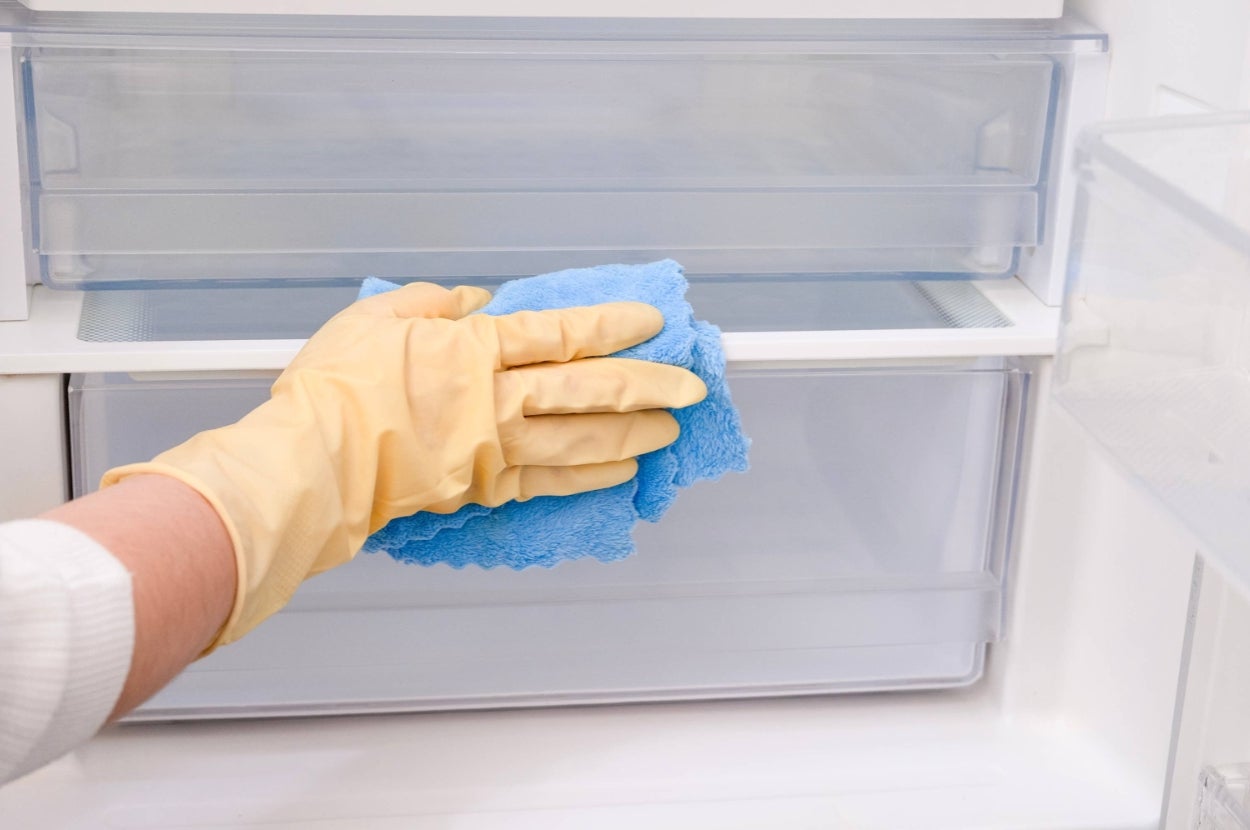
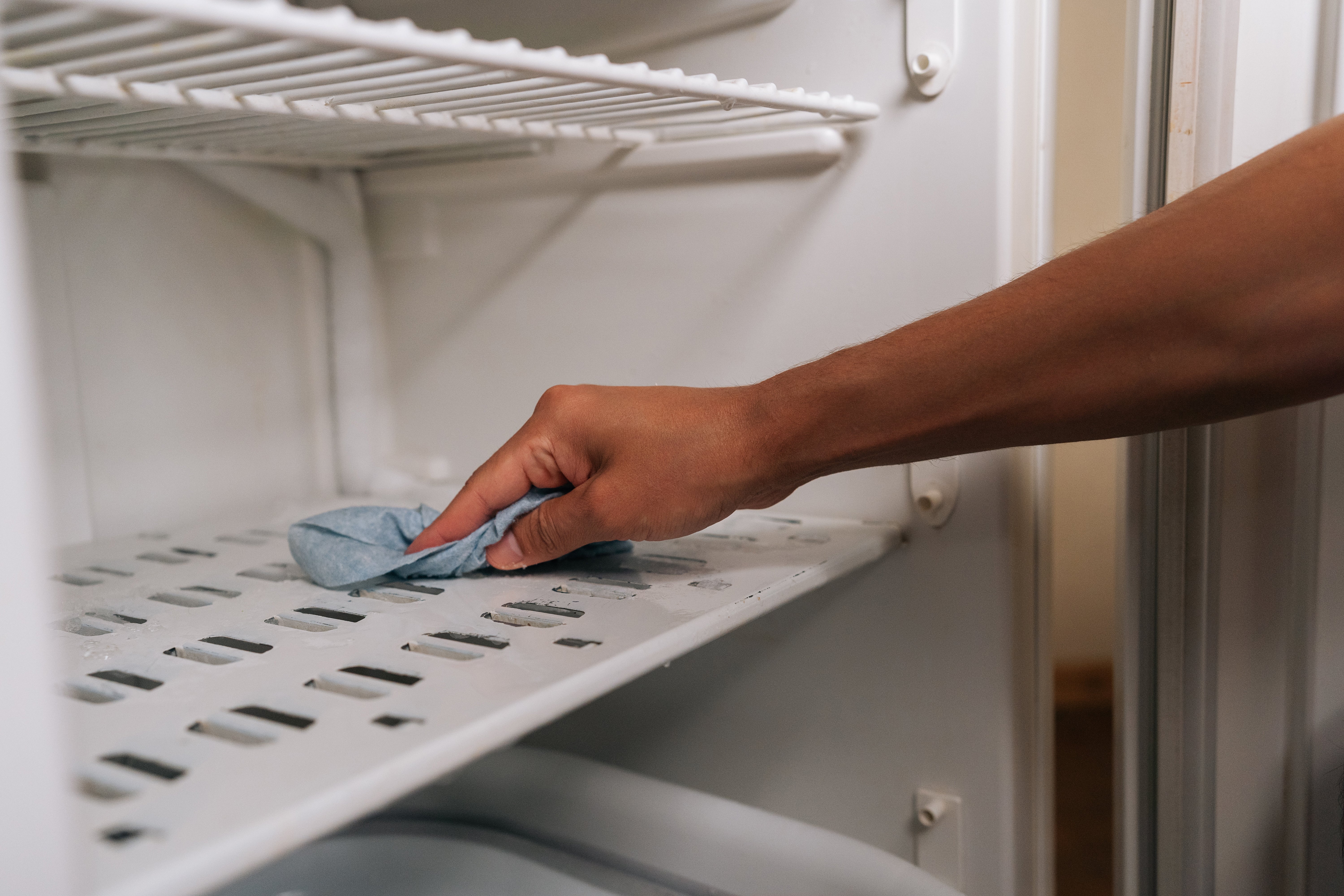
After you've taken everything out of the fridge, use your chosen cleaning solution to wipe down the refrigerator doors, door seals, handles, walls, ceilings, and floors.

Sarbit recommends physically removing the shelves and drawers and washing them in the sink with warm, soapy water. Make sure they're completely dry before putting them back in the fridge to prevent mildew.

Now that you've cleaned your fridge and thrown out items, you can put everything back in a smarter, more efficient way.

If it's not visible, it's easy to forget what's in your fridge and for items to go bad. Here are a few hacks to prevent that, plus some others:

- Organize food by category, like keeping fruit, vegetables, meat, dairy, leftovers, and condiments all together

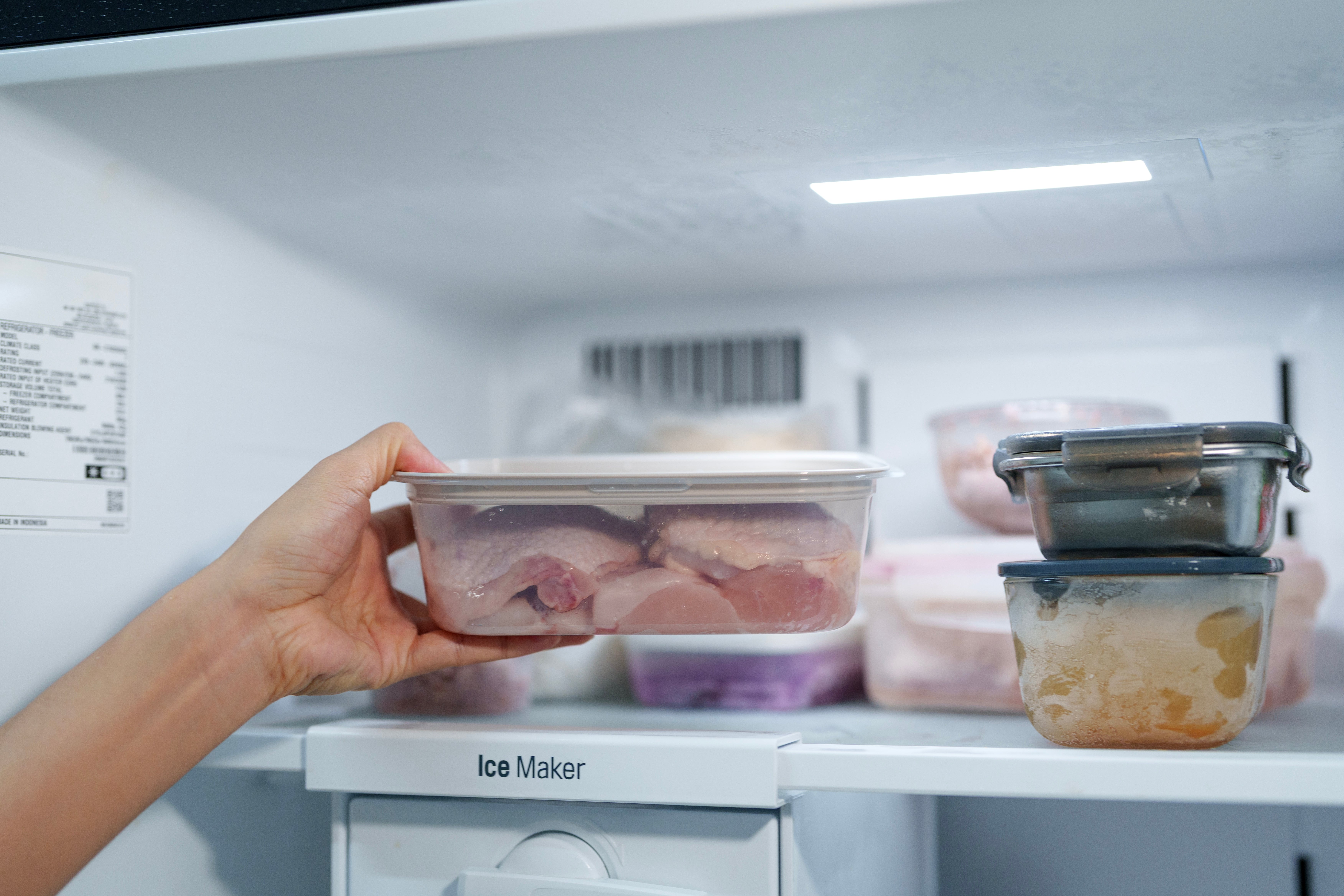
- According to Whirlpool, the bottom of the fridge is the coldest. Keep raw meat, dairy, and other hyperperishable products in this area.

- Keep a special bin of foods you need to eat first (looking at you, leftover tuna salad from two days ago) at the front of your fridge (another Whirlpool hack).

- Use clear containers so you're reminded what you still have to eat every time you open the door.

- Use fridge organizers like lazy Susans to keep things tidy and prevent things from getting lost.

Ta-da! You've successfully cleaned your fridge for the season. While you should clean your fridge every three months, you can also implement some habits in the meantime to make it easier:

- Label your food. It could be as simple as using painter's tape and a Sharpie to note the name and date of leftovers.

- Use fridge liners to easily clean up spills.

- Keep a small, open container of baking soda in your fridge to prevent odors.

- Similar to the "eat first" bin, place a whiteboard on your fridge to remind you of the more perishable foods you need to finish.

- Use produce storage containers to extend the lifespan of your fruits and vegetables.

- Set aside a specific day on your calendar dedicated to cleaning your fridge — like the first Sunday of every third month.