Press
Israel-Lebanon direct talks in the US: All to know
Images
1 / 7
2 / 7
3 / 7
4 / 7

5 / 7

6 / 7

7 / 7
Israel and Lebanon hold first direct talks since 1993, but Hezbollah’s rejection threatens the US-brokered effort.

Save

Share

The ambassadors of Lebanon and Israel are set to join United States-brokered talks in Washington, DC, with Lebanese authorities seeking to secure a ceasefire, while Israel’s goal is the disarmament of the Hezbollah armed group.

The talks, which the US has described as “open, direct, high-level”, represent the first such bilateral engagement between the two nations since 1993. However, the path to a breakthrough appears narrow, as Hezbollah has urged the Lebanese government to pull out of the talks, calling the efforts “futile”.

Qassem Naim, the Hezbollah leader, on Monday said the talks are a ploy to pressure the armed group, which is engaged in fighting with Israel, into laying down its weapons. The Iran-backed group attacked Israel in response to the US-Israel killing of Iran’s Supreme Leader Ayatollah Ali Khamenei.

Israel has intensified its attacks on Lebanon, killing at least 2,080 people. It has refused a ceasefire in Lebanon as part of the truce agreement between the US and Iran.

Here is what you need to know about the high-level meeting and what’s on the agenda:

The negotiations are scheduled to take place on Tuesday at the US Department of State headquarters in Washington, DC. The meeting is scheduled to begin at 11am Eastern Time (15:00 GMT).

The key participants include:

The US is brokering the talks, with the State Department framing the meeting as a necessary response to “Hezbollah’s reckless actions”. A US official stressed that “Israel is at war with Hezbollah, not Lebanon, so there is no reason the two neighbours should not be talking.”

The diplomatic push follows an intense escalation in violence, with Israel accused of targeting civilian areas across Lebanon. Hezbollah has also been firing rockets at Israel, and its fighters have been battling Israeli ground troops in the country’s south.

The Israeli military offensive in Lebanon has killed at least 2,089 people, including 165 children and 87 medical workers, and displaced more than 1.2 million.

Lebanon says the talks are aimed at halting Israel’s attacks on the country.

Israel has refused to discuss a ceasefire and instead has demanded that Hezbollah lay down its arms.

The US-Iran ceasefire agreed last week included Lebanon, but Israeli Prime Minister Benjamin Netanyahu refused to abide by that. He then announced direct talks with the Lebanese government. US President Donald Trump, as well as Vice President JD Vance, backed Netanyahu’s stance, though several European leaders have urged that Lebanon be included in the US-Iran ceasefire deal.

Ameen Kammourieh, a political writer and analyst, told Al Jazeera that Lebanon was used as a “bargaining chip” during Saturday’s ceasefire negotiations in Islamabad between the US and Iran.

Kammourieh explained that the US brokered these direct talks to pull that card out of Iran’s hands. He noted that Israel rushed to join the talks following a two-week US-Iran ceasefire to prevent Tehran from claiming credit for halting the war in Lebanon.

The primary points of discussion include securing a ceasefire, disarming Hezbollah, and exploring a broader peace arrangement. However, the two sides are approaching the agenda from vastly different starting points.

Israel is attending the talks with instructions “not to agree to a ceasefire”, according to Israeli media reports. Instead, Prime Minister Netanyahu has explicitly stated that Israel wants “the dismantling of Hezbollah’s weapons, and we want a real peace agreement that will last for generations”.

To achieve this, according to a report by Israel’s Channel 14, Israel is expected to propose a controversial plan that would divide southern Lebanon into three security zones:

Furthermore, Israeli officials have floated the idea of formally reestablishing a “buffer zone” in southern Lebanon, a policy that was abandoned decades ago after facing resistance from the Lebanese armed groups.

Beirut views the Washington talks strictly as a “preliminary meeting” to secure a pause in military activity, according to Lebanese Culture Minister Ghassan Salame.

Salame acknowledged to Al Jazeera that Lebanon lacks significant leverage but stressed that the government is attempting to “reassert state authority” and separate the Lebanese file from the Iranian track. Regarding Israel’s demand to disarm Hezbollah, Salame cautioned that such a process “takes time” and cannot be achieved in a matter of days.

Last year, the Lebanese government announced plans to disarm Hezbollah under pressure from the US. But Hezbollah dubbed the decision a surrender to Israel and the US.

Hezbollah has said that Israel needed to withdraw from the country’s southern region first as part of the 2024 ceasefire deal agreed between the armed group and Israel. The fighting erupted in October 2023 after Hezbollah fired rockets at Israel in solidarity with Palestinians in Gaza. More than 3,768 Lebanese people were killed and 1.2 million were displaced in Israeli attacks.

The 2024 deal required Israeli troops to withdraw from southern Lebanon, and Hezbollah to end its presence in the country’s south. But Israel never fully withdrew and continued to carry out almost daily strikes on Lebanon in violations of the truce. Hezbollah did not retaliate until the killing of Ali Khamenei on March 1, 2026.

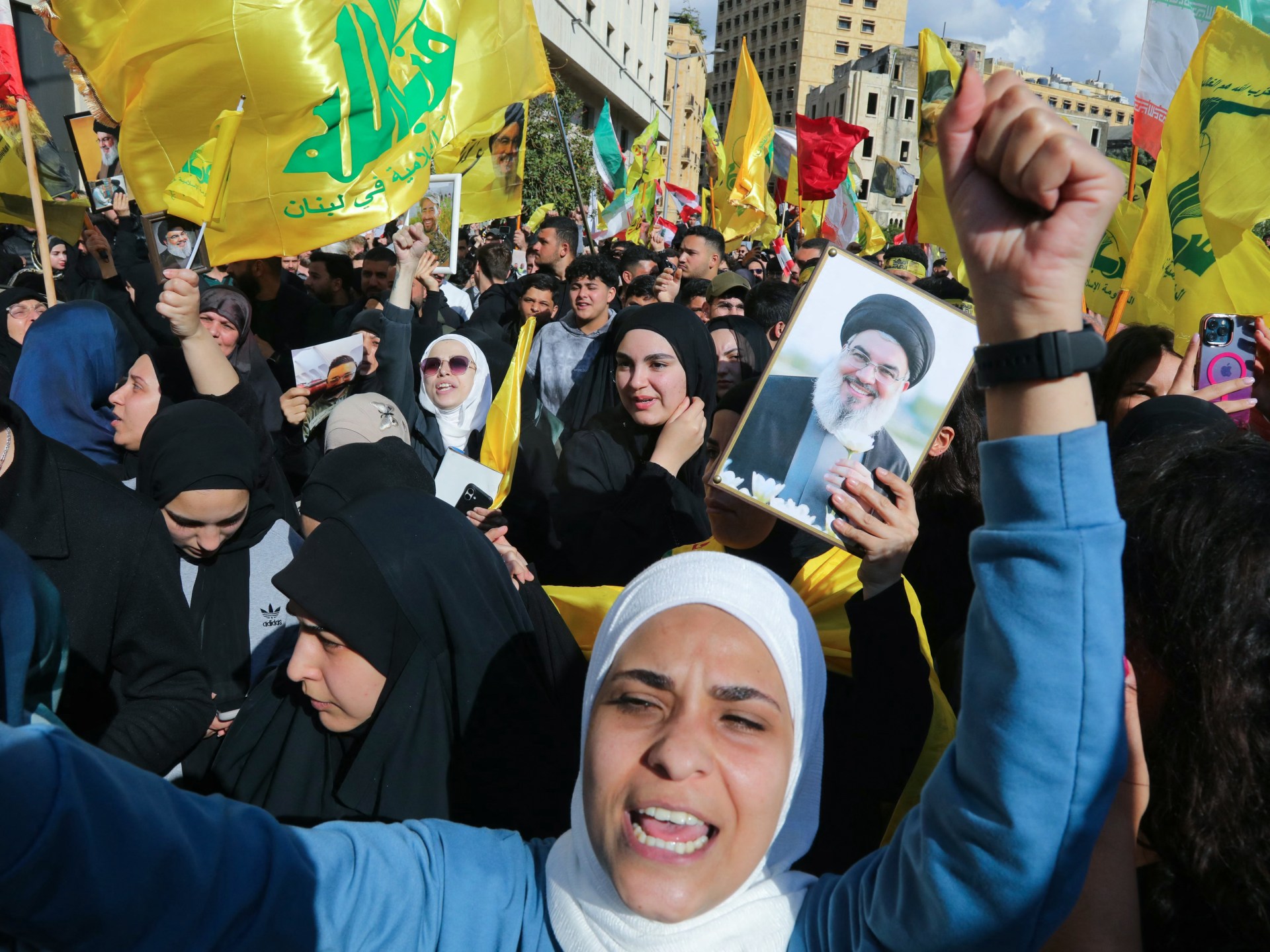
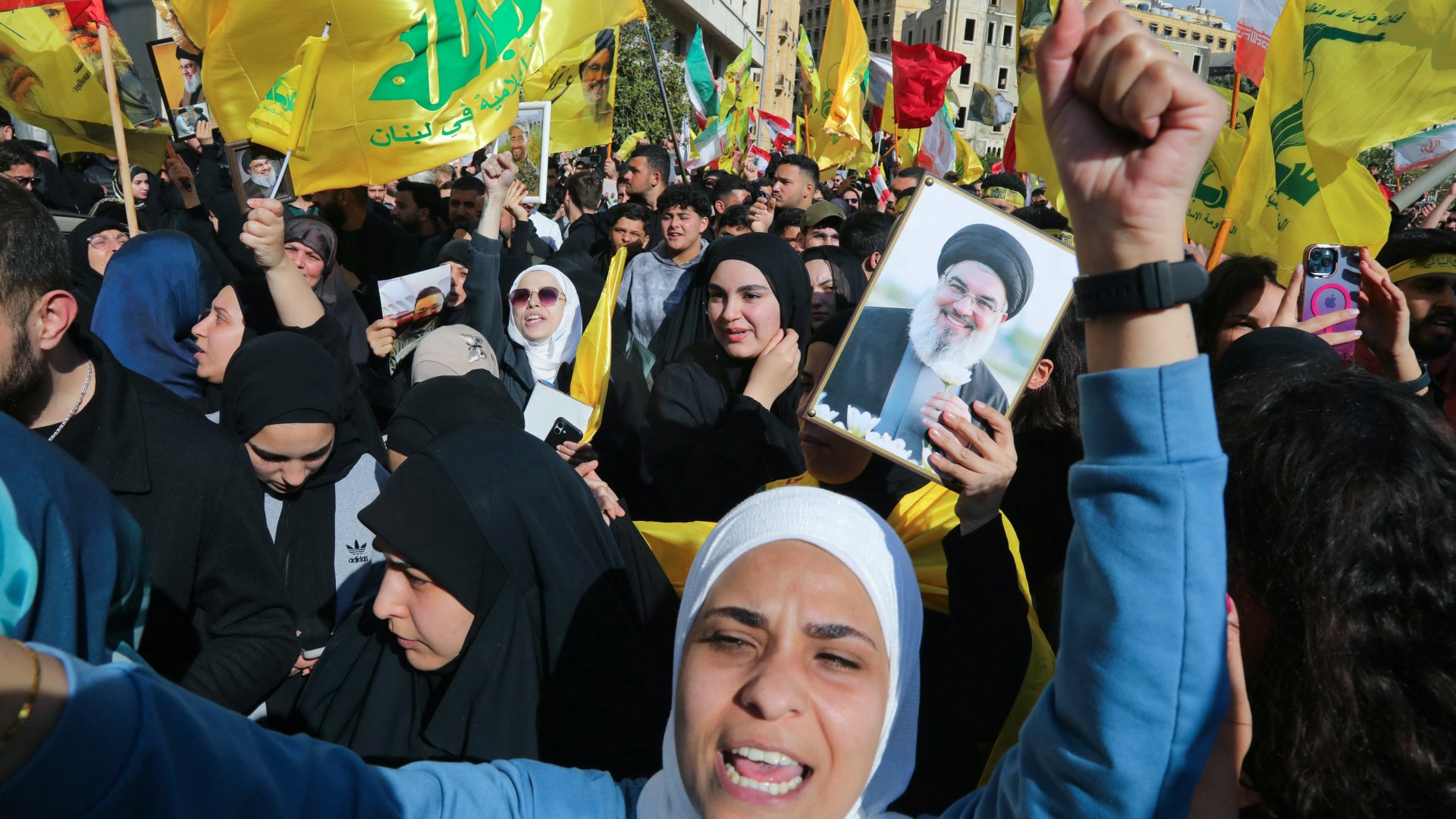
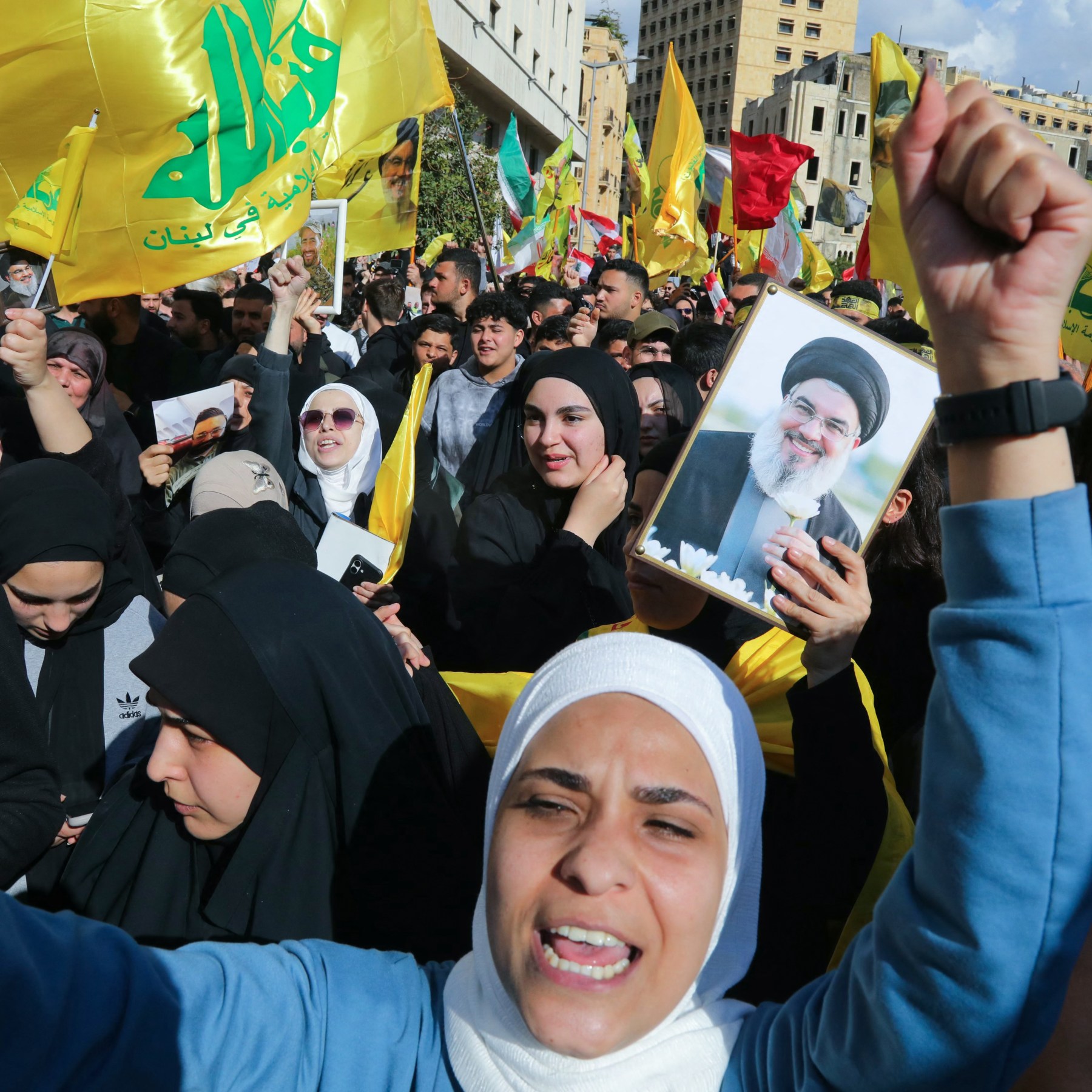
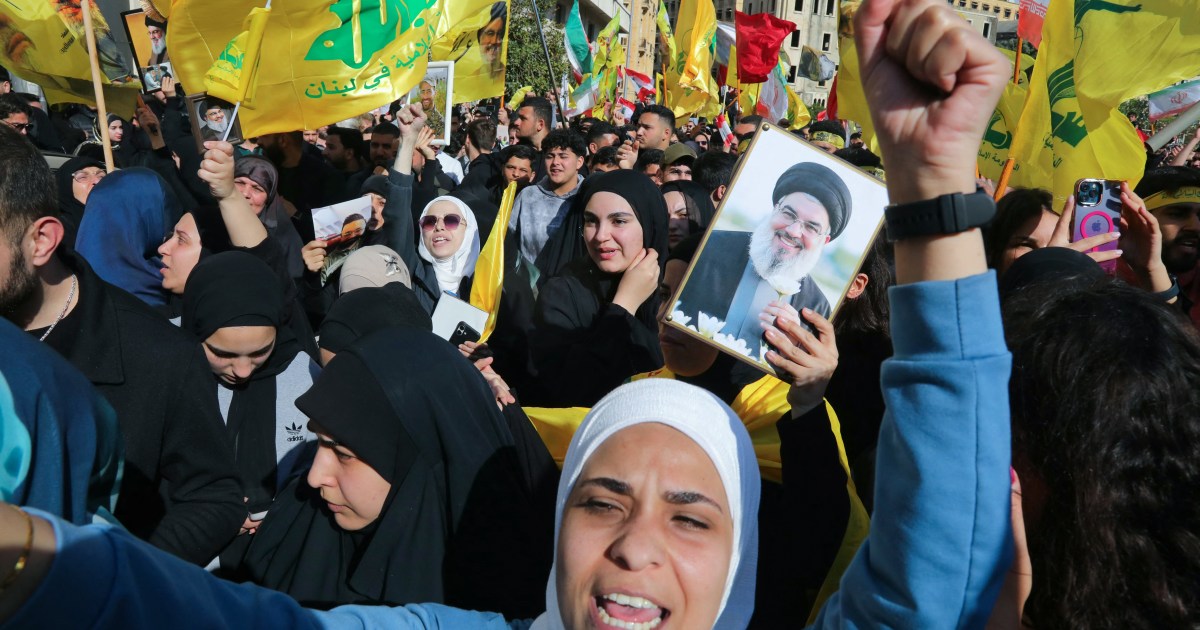
Hezbollah has fiercely condemned the negotiations, with Secretary-General Naim Qassem calling them a “free concession” to Israel and the US. The group’s objections are rooted in several factors:

The group has unequivocally stated it will not abide by any agreements reached in Washington.

The prospects for an immediate ceasefire appear slim. While Lebanon is pushing for a halt to hostilities, a US official acknowledged that Israel’s immediate concern is disarming Hezbollah, and that Israel doubts Beirut’s ability to deliver on that demand.

Meanwhile, the reality on the ground threatens to overshadow the diplomatic efforts in Washington. The Israeli military has surrounded the key southern town of Bint Jbeil, a highly symbolic stronghold for Hezbollah.

Retired Lebanese Brigadier General Hassan Jouni, a military and strategic expert, told Al Jazeera that the outcome of the battle for Bint Jbeil will directly dictate the negotiation ceilings in Washington.

“If the Israeli army completely controls Bint Jbeil, it will give them a strong signal to maintain high demands,” Jouni said. “But if Hezbollah holds its ground and maintains its defensive immunity… Israel will be further convinced that subduing Hezbollah militarily will be very difficult.” This, Jouni explained, would indirectly favour the Lebanese delegation at the negotiating table.

For now, Hezbollah remains defiant. “We will not rest, stop or surrender,” Qassem said. “Instead, we will let the battlefield speak for itself.”