Press
Butterfly numbers are dropping but here are five species you may see more of
Images
1 / 10

2 / 10
3 / 10
4 / 10
5 / 10
6 / 10
7 / 10
8 / 10
9 / 10

10 / 10
Increasingly warm and sunny weather over the last half century – driven in part by climate change – has helped some British butterfly species to flourish, according to one of the world's biggest insect monitoring schemes.

But the overall picture is more troubling. Data collected over half a century shows many of the UK's most distinctive butterflies are in steep decline.

The findings come from the UK Butterfly Monitoring Scheme (UKBMS), which has gathered more than 44 million records from 782,000 volunteer surveys since 1976 – making it one of the largest and longest-running citizen science projects of its kind.

Of the 59 native species monitored, 33 have declined, 25 have improved and one mountain species has too little data to assess.

Butterfly species which are doing well include the Red admiral, some of which are now spending winter in the UK as the climate warms.

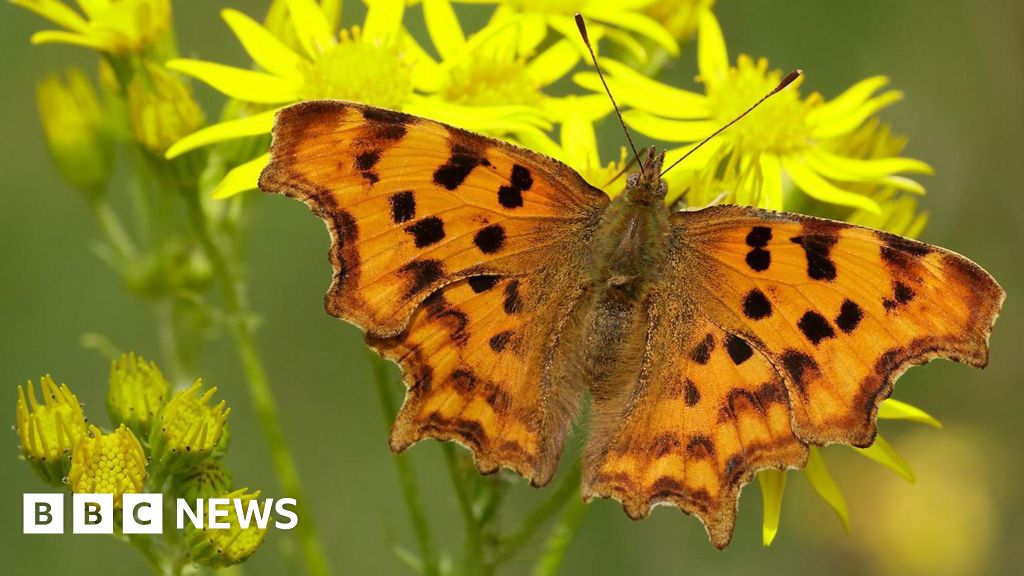
Comma butterflies, with their distinctively ragged wing edges, have recovered in numbers since the survey began.

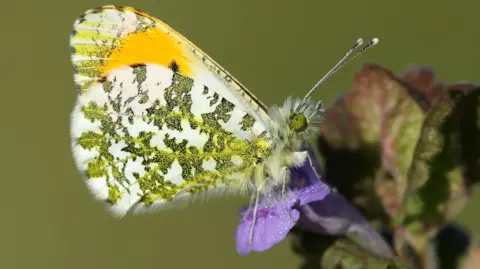
Orange tip numbers are up more than 40% since 1976, and Black hairstreak - one of the UK's rarest butterflies - is recovering thanks to conservation work.

The Large Blue has also done well thanks to conservation efforts, after being declared extinct in 1979.

The survey results highlight a growing divide between adaptable species and specialists, according to the charity, Butterfly Conservation.

Butterflies able to thrive in a wide range of environments – including farmland, parks and gardens – are generally coping better and, in some cases, increasing in number.

Warmer conditions linked to climate change are helping drive this trend, the charity says, by boosting survival and extending the geographic range and breeding seasons for flexible species.

Prof Jane Hill, a butterfly expert at the University of York, describes the data collected by the scheme over the last five decades as "extraordinary" and says it represents a gold standard for wildlife surveys worldwide.

She explains that because butterflies are cold-blooded insects, they generally thrive in warmer conditions.

"Most British butterflies reach their northern range limit in the UK, so they have opportunities to expand further north into northern England and Scotland," she adds.

But butterflies whose lifecycles are tied to specific habitats, such as woodland clearings or chalk grasslands, are struggling.

Many are declining at alarming rates, as those environments come under pressure. They are failing to expand their ranges because of a lack of suitable new habitats to colonise.

Some of the losses have been dramatic. The white-letter hairstreak – whose caterpillars glow under ultraviolet light – has fallen by 80% since the scheme began.

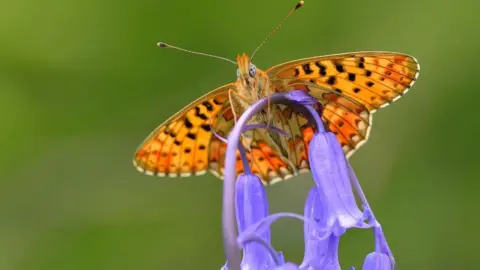
The pearl-bordered fritillary, a striking orange-and-black butterfly whose caterpillars feed only on violets, has declined by 70%.

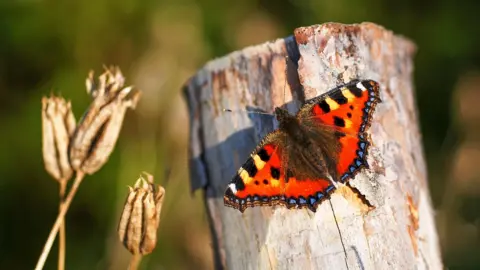
Even among more adaptable butterflies, the picture is mixed. The once-common small tortoiseshell, for example, has declined by 87%.

"Just as we have lost family-run shops and traditional skills from the nation's high streets, we've lost variety and diversity in the butterfly communities that can exist in our damaged and simplified landscapes," said Prof Richard Fox, head of science at Butterfly Conservation.

The scale of the dataset reflects a huge public effort. Volunteers have walked more than 932,000 miles in total at more than 7,600 sites

"Without this evidence timeline, we would be flying blind," said Steve Wilkinson, director of the Joint Nature Conservation Committee which advises the four UK governments and helps run the UKBMS.

"Understanding where conservation efforts are making a real difference and where we need to strengthen efforts, depends entirely on the quality and continuity of data that our volunteers make possible," he said.

Much of the conservation effort is focused on protecting and enlarging the habitats butterflies need to survive, particularly in the face of land-use changes, including the intensification of farming and environmental degradation.

It is made even more challenging because of how picky some butterfly species and their caterpillars are about what they eat.

Many species have evolved to rely exclusively on one or two specific plant species for food – the Duke of Burgundy on primroses and cowslips, for example, or the purple emperor on goat or grey willow.

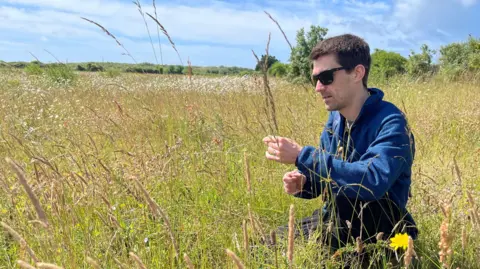
This is why Butterfly Conservation's Magdalen Hill Downs reserve attempts to sustain a range of different habitats, explains the charity's reserves officer, Fiona Scully.

She gestures across the chalky fields, which are covered with cowslips in full bloom, and lists just a few of the other native plants that thrive here: "Lady's bedstraw, toadflax, betony, scabious, knapweed – we've just got so many."

It is this variety that makes the site such a stronghold for butterflies, she says.

Recent results from the UK Butterfly Monitoring Scheme highlight the scale of the challenge.

Despite the UK experiencing its sunniest year on record – conditions typically favourable for butterflies – 2025 ranked only as an average year (20th out of the past 50), with no species recording its best year.

This pattern echoes findings from Butterfly Conservation's Big Butterfly Count, which saw record participation from more than 125,000 people, yet reported only average butterfly numbers per count.

Questions arise about why some tree-planting schemes fail and what can help them thrive.

Scaffolding will go up on Cragside house in Northumberland for roof works.

Should the apocalypse arrive, Wales as we know it may depend on these two conservationists.

Storm Goretti devastated Trengwainton Gardens, but many rare plants survived, bosses say.

A controversial law to ease protections for the glaciers has passed, opening the doors for mining.