yahoo Press
Tesla Built 50,000 Cars Nobody Bought Last Quarter, and the EV Market Is Running Out of Excuses
Images
1 / 5
2 / 5

3 / 5

4 / 5
5 / 5
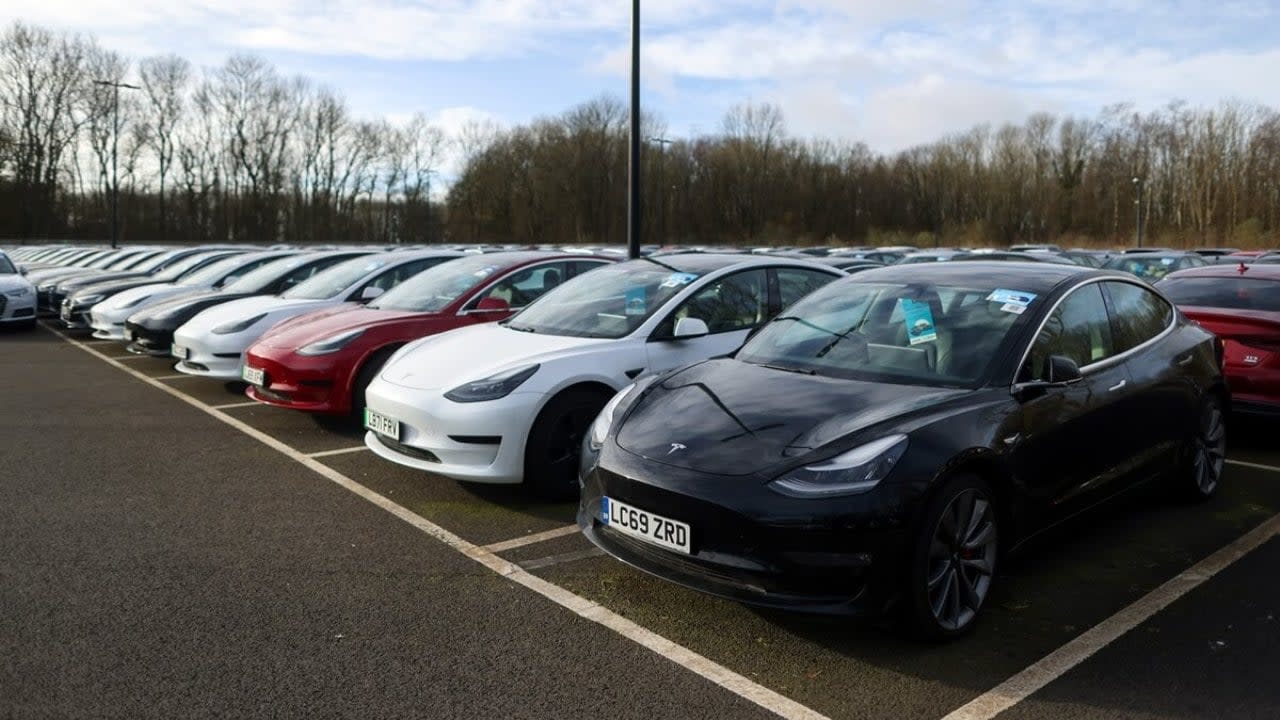
Tesla has always had a flair for the dramatic, but its latest plot twist is one even the most devoted fan forum couldn't have scripted. In the first quarter of 2026, the company produced 408,386 vehicles and delivered just 358,023 of them, leaving more than 50,000 cars sitting in lots, staging areas, and probably a few confused dealership-adjacent fields. That gap, the largest between production and deliveries in Tesla's history, is the kind of statistic that tends to make investors reach for antacids.

To be fair, Tesla technically grew. Sales were up 6 percent compared to the same quarter last year, which sounds like good news until you realize that analysts were expecting more and that the U.S. EV market as a whole is pumping the brakes hard in early 2026. Growth that misses expectations while simultaneously producing a massive vehicle surplus is a little like running a personal best marathon time but still missing the podium. Technically impressive, practically awkward.

For a company that spent years with demand so hot that customers were putting down deposits and waiting months for delivery, this reversal is striking. Tesla's lean inventory model was once held up as a masterclass in modern automotive logistics. Right now, that inventory is not lean. It is very, very full.

One of the biggest storylines in the EV market right now is the removal of the federal $7,500 EV tax credit, and its impact cannot be understated. That incentive was doing a lot of heavy lifting for EV affordability, quietly bridging the gap between what EVs cost and what a large portion of buyers were genuinely willing to pay without government encouragement.

With that subsidy gone, consumers are now staring at sticker prices with fresh, unsubsidized eyes. And the results, according to sales figures across the industry, are mixed at best. Surveys show that only a small slice of American car buyers are actively considering an EV as their next vehicle. That is a demand ceiling, plain and simple. Tesla can build cars faster than ever, but it cannot manufacture consumer interest to match.

California, historically one of Tesla's strongest markets, has also seen declining momentum in early 2026. When your home turf starts to wobble, that is worth paying attention to.

Here is where things get interesting: Tesla is not suffering alone. Automakers across the board are scaling back EV ambitions, delaying launches, and quietly shelving models that were announced with great fanfare just a few years ago. The industry is entering what analysts are cheerfully calling an "EV winter," a period where the initial surge of early adopters has been satisfied, government incentives are shrinking, and the mass market is proving far more hesitant than the optimistic projections of 2021 suggested.

In that context, Tesla's 50,000-car surplus looks less like an embarrassing operational fumble and more like a symptom of an industry-wide recalibration. The EV hype cycle ran hot, and now reality is doing what reality does.

That said, Tesla carries a few extra variables that other automakers do not. CEO Elon Musk's political visibility has become a factor that analysts openly discuss as a potential drag on brand perception, which is a strange sentence to type about a car company but here we are in 2026. Meanwhile, the core lineup, heavily anchored by the Model Y and Model 3, is aging, and Tesla's boldest bets are on robotaxis and full autonomy rather than new affordable models that might actually clear that lot full of cars.

Tesla is not going anywhere. The company still commands a massive share of the U.S. EV market, has infrastructure advantages most competitors cannot match, and continues to iterate on its software and battery technology faster than legacy automakers. But the era of printing money simply by building cars because demand was infinite is over.

The broader lesson here applies to the whole segment. Automakers who built aggressive EV production capacity on the assumption that incentives would last and consumer adoption would follow a hockey-stick curve are now doing some uncomfortable math. Tesla just happens to be the most visible example because it publishes its production and delivery numbers quarterly like clockwork.

Fifty thousand cars is a lot of metal to have sitting around. The question now is whether Tesla can find buyers for them, trim production to match real demand, or introduce products compelling enough to reignite the urgency that once made its waitlists legendary. For now, the parking lots are full, and the EV market is getting its first real taste of what it feels like when the enthusiasm outpaces the reality.