yahoo Press
Why Wall Street Is Still Bullish on Oracle Despite Its Steep Selloff
Images
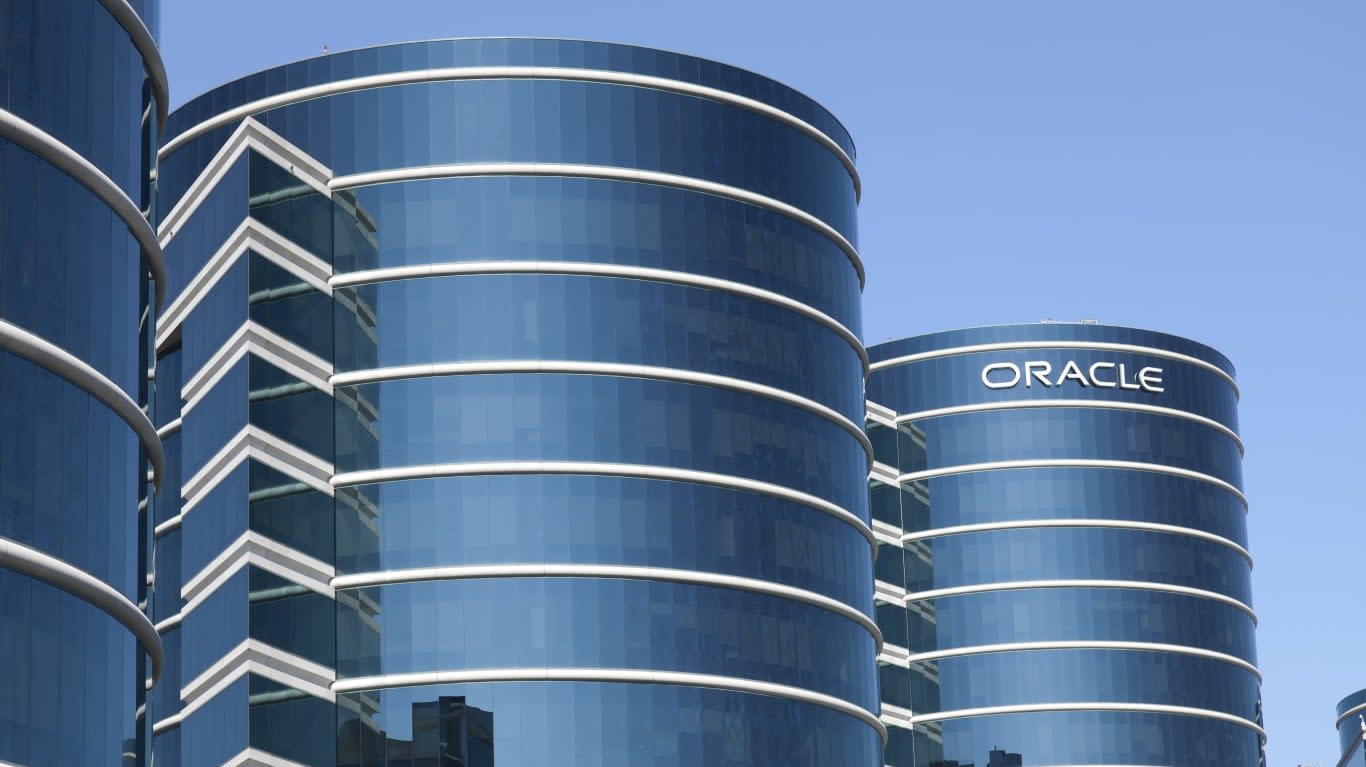
1 / 4
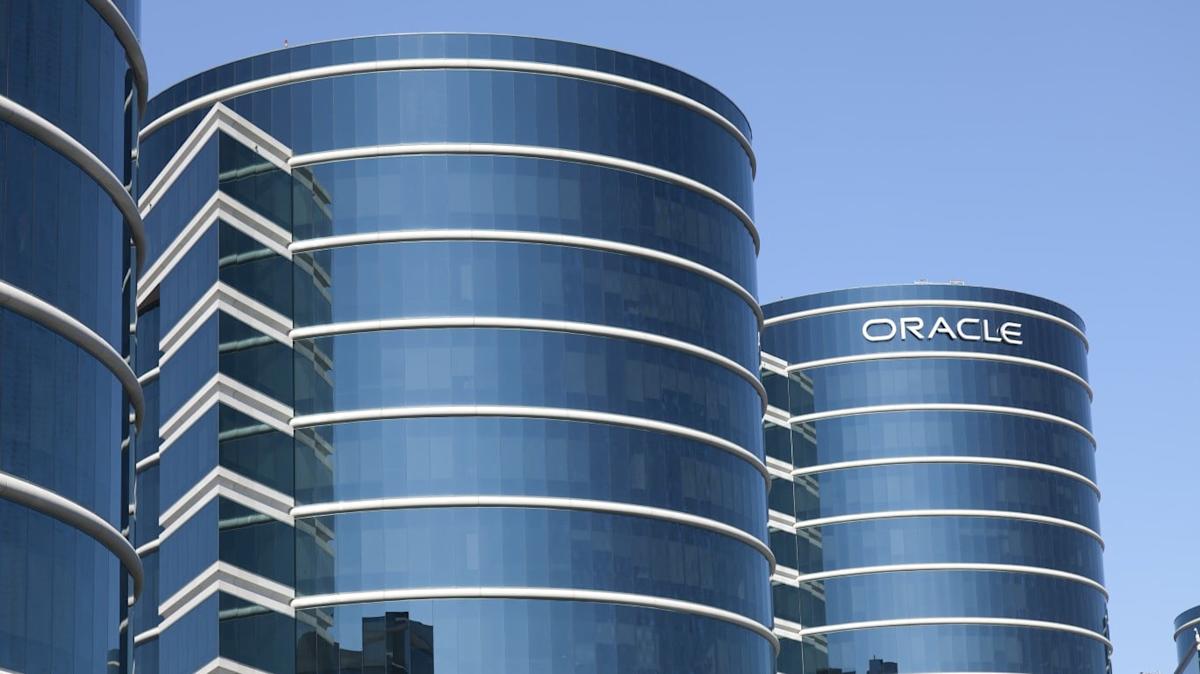
2 / 4

3 / 4

4 / 4
Though Oracle (ORCL) just reported what management called its strongest quarter in over 15 years, the stock is down sharply year to date.

Wall Street remains bullish, with analysts focused on potential revenue growth rather than debt concerns or geopolitical headlines.

If you're focused on picking the right stocks and ETFs you may be missing the bigger picture: retirement income. That is exactly what The Definitive Guide to Retirement Income was created to solve, and it's free today. Read more here

Oracle (NYSE: ORCL) is trading near $146 while Wall Street's consensus analyst price target is up at $246.46, a gap of over 68%. The stock is down 24.9% year to date, falling from $197 at the start of 2026 to current levels. Meanwhile, the company just reported what management called its strongest quarter in over 15 years.

Oracle sells database software, cloud infrastructure, and enterprise applications globally. Over the past two years it has repositioned as a serious AI infrastructure player, competing with Amazon, Google, and Microsoft for cloud workloads. That repositioning drove the stock to a 52-week high of $345.72 before the current collapse.

The selloff has multiple layers. Oracle was already under pressure after an 11% single-day decline following Q2 FY2026 earnings in December 2025, when revenue of $16.06 billion missed the $16.90 billion estimate despite a large EPS beat inflated by a $2.70 billion pre-tax gain from the Ampere divestiture. The stock was trading at $223.01 at that time, meaning it has dropped another 34% since then.

If you're focused on picking the right stocks and ETFs you may be missing the bigger picture: retirement income. That is exactly what The Definitive Guide to Retirement Income was created to solve, and it's free today. Read more here

Geopolitical headlines added fresh pressure. Reports emerged of Iran's IRGC attacking an Oracle data center in Dubai, though Dubai's government quickly labeled those reports as fake news. Separately, Iran threatened strikes on 18 major U.S. technology companies operating in the Middle East, keeping Oracle in an unsettling news cycle. Layoff announcements compounded sentiment damage, with reports suggesting cuts could affect up to 30,000 employees as Oracle redirects capital toward AI infrastructure.

Underlying all of this is a genuine financial concern: Oracle's aggressive capital expenditure program has pushed trailing free cash flow to negative $24.74 billion, with non-current debt rising to $124.7 billion from $85.3 billion at fiscal year-end. The company has raised $30 billion through bonds and convertible preferred stock and plans to raise up to $50 billion more. The market is pricing that debt load in.

At last look, 33 out of 44 analysts rated Oracle a Buy, with 10 rating it a Hold and just one with a Sell  rating. That is an unusually bullish consensus for a stock that has fallen this far. The thesis centers on Oracle's Remaining Performance Obligations (RPO)—signed contracts not yet converted to revenue—which hit $553 billion in Q3 FY2026, up 325% year over year, driven by large-scale AI infrastructure contracts.

Q3 FY2026 results, reported March 10, 2026, were strong. Cloud infrastructure revenue grew 84% year over year to $4.89 billion. Total cloud revenue reached $8.91 billion, up 44%. Management raised FY2027 revenue guidance to $90 billion and projected Oracle Cloud Infrastructure scaling to $144 billion over five years, with most of that revenue already booked in RPO.

Analysts also note that the layoffs could generate $8 billion to $10 billion in cost savings that free up cash flow for debt service and continued infrastructure investment.

Current Situation:

Current Price: $146.38

Average Analyst Target: $246.46

Implied Upside: 68.4%

Analysts Covering: 44

YTD Performance: −24.9%

52-Week High: $345.72

52-Week Low: $118.86

Analyst Ratings Breakdown:

Strong Buy: 7

Buy: 28

Hold: 8

Sell: 1

Strong Sell: 0

The composite sentiment score from prediction and social markets is 38.41, or rated bearish with medium confidence, which is a notable disconnect from the bullish analyst consensus. Insider activity has been net selling, adding another layer of caution. A 68% gap may signal that Wall Street is slow to update its models rather than that the market is wrong.

The $553 billion RPO backlog is the bull case. The FY2027 target of $90 billion implies roughly 32% revenue growth from FY2026's $67 billion guidance, and if cloud infrastructure keeps growing near its current pace, the stock at a forward P/E of 18x looks cheap relative to that growth rate.

The bear case centers on debt. With interest expense already up 32% year over year to $1.18 billion and free cash flow projected to remain negative through roughly 2030, Oracle needs AI demand to stay strong and GPU supply chains to cooperate. Tariff risks and geopolitical threats to Middle East data center infrastructure are real concerns.

The fundamentals are stronger than the price implies, and the analyst consensus is too wide and too fresh to dismiss. But patience is a requirement here. The sizable gap between current price and consensus target will not close quickly.


Most investors spend years learning how to pick good stocks and funds. Far fewer have a clear plan for turning those investments into a reliable retirement paycheck. The truth is, the transition from “building wealth” to “living on wealth” is one of the most overlooked risks facing successful investors in their 50s, 60s and 70s.

That is exactly what The Definitive Guide to Retirement Income was created to solve. It’s a free guide that outlines the straightforward math and strategies you need to convert your investments to income. Learn more here.