Press
Rescuers abandon hope for whale stranded off German island
Images
1 / 9

2 / 9
3 / 9
4 / 9
5 / 9

6 / 9

7 / 9
8 / 9
9 / 9
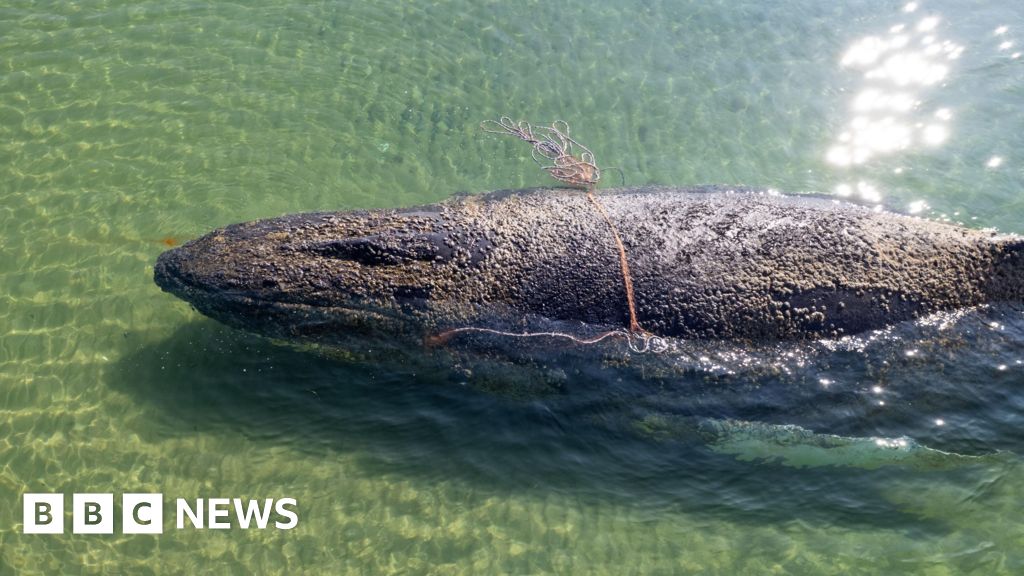
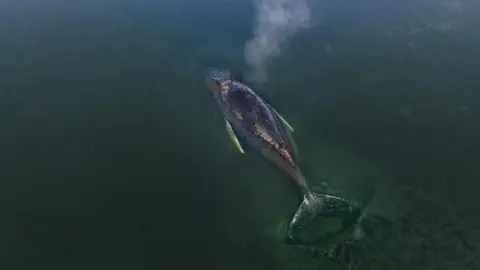
After spending more than a week trying to save a humpback whale stranded off Germany's northern coast, rescue officials have conceded their hopes have run out.

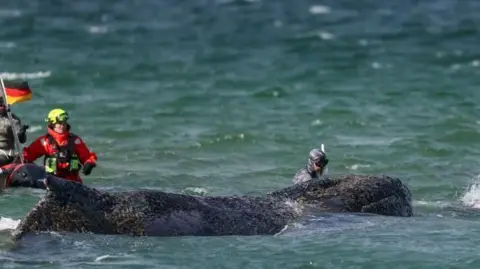
The whale became stuck on a sandbank on 23 March before being rescued days later - only to swim into shallow waters on Poel Island, further down the Baltic Sea coast.

"We're of the firm opinion the animal will die there," Burkard Baschek, head of the German Oceanographic Museum, said on Wednesday.

During an emotional press briefing, local environment minister Till Backhaus said rescuers had "tried everything to give him a chance" and called the situation "an exceptional tragedy".

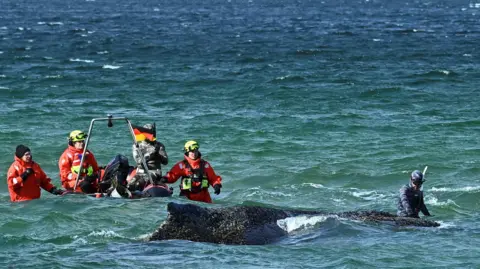
Greenpeace marine biologist Thilo Maack said they had tried to stop the whale entering a shallow bay on Poel Island, but it had done so anyway.

First spotted in German coastal waters in early March, the whale is thought to have become entangled in netting before eventually becoming stranded on a sandbank on Timmendorfer Strand, near the town of Travemünde.

The humpback is also thought to have been suffering from a skin condition brought on by the lower salt levels of the Baltic Sea.

Late last week, hopes had been high that the whale might move to deeper waters after excavators dug a channel enabling him to swim off.

Attempts to guide the humpback towards the saltier waters of the North Sea proved unsuccessful, and he swam some distance east along the coast before becoming stuck again in a coastal bay in the city of Wismar.

Rescuers coaxed him away but only as far as nearby Poel Island, where he is now lying on the seabed. With the water level set to drop, they believe he is too weak to swim any further.

Baschek said the whale's breathing and reaction to rescuers had deteriorated, and that the chances of coaxing him out of the bay were so slim it would be cruel to try.

It is thought his hopes of survival ran out early on Wednesday.

Backhaus, a leading rescue official in the northern state of Mecklenburg-Western Pomerania, told reporters that a 500m (1,640ft) exclusion zone had been set up around the whale so it could die with dignity.

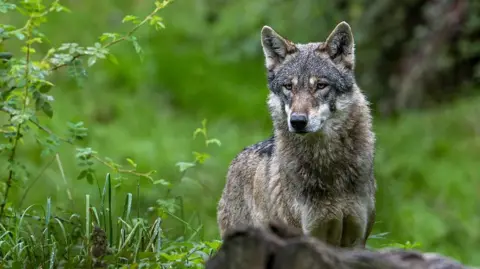
It is believed to be the first wolf attack on a human since the animals began to reestablish themselves in Germany decades ago.

Merz’s government has taken a tougher line on refugees and migrants, amid surging support for the anti-immigration AfD party.

Collien Fernandes has accused her ex-husband of spreading images of her online, but he has categorically denied it.

Rescue teams now believe the whale has reached deeper water in Lübeck Bay and hope it will head for the wider sea.

Germany once terrorised Europe, but now Europe is welcoming a resurgent German military.