yahoo Press
In Point Reyes, a National Park Service scientist has made an incredibly rare find
Images
1 / 12
2 / 12

3 / 12

4 / 12

5 / 12

6 / 12
7 / 12
8 / 12
9 / 12

10 / 12

11 / 12

12 / 12
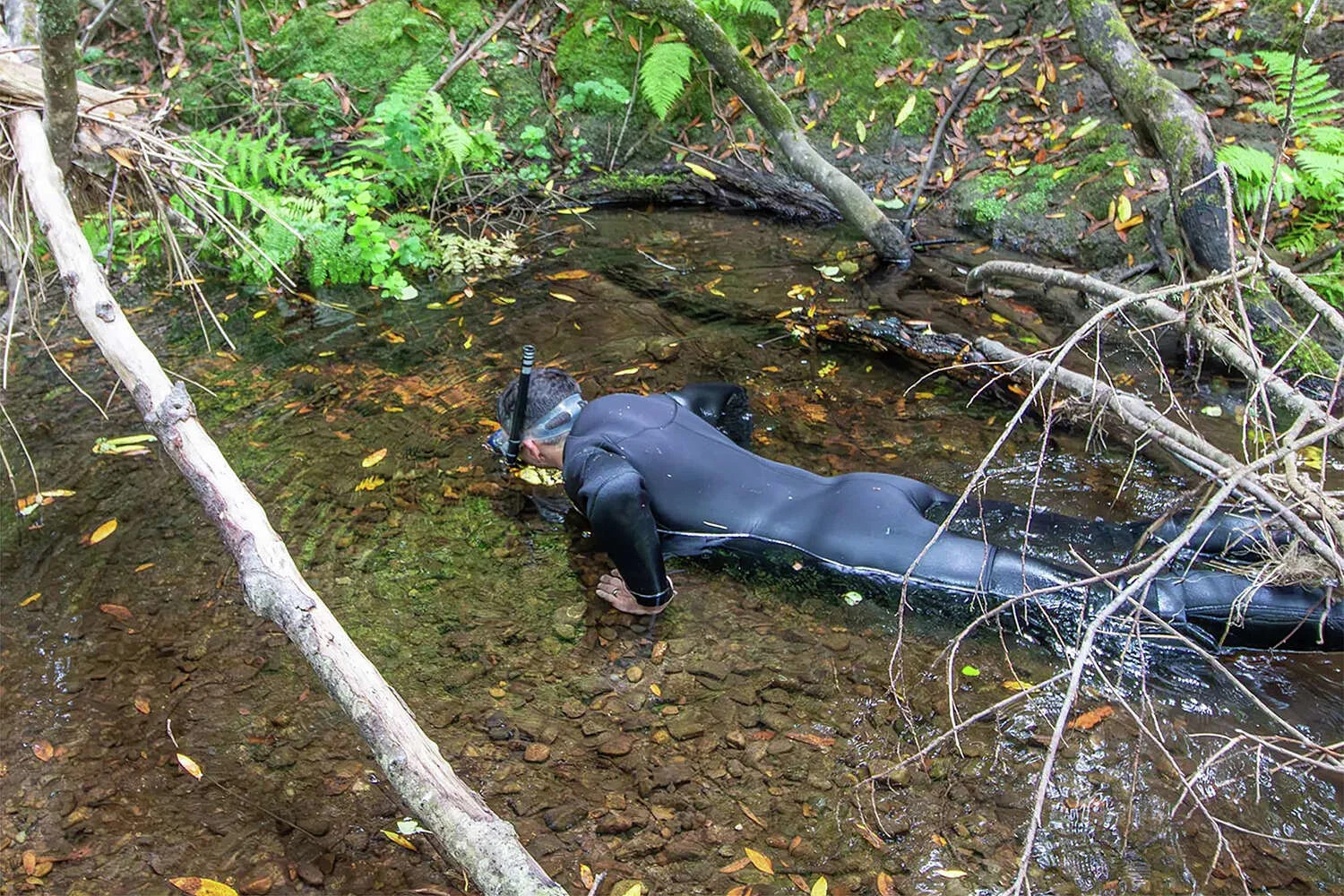
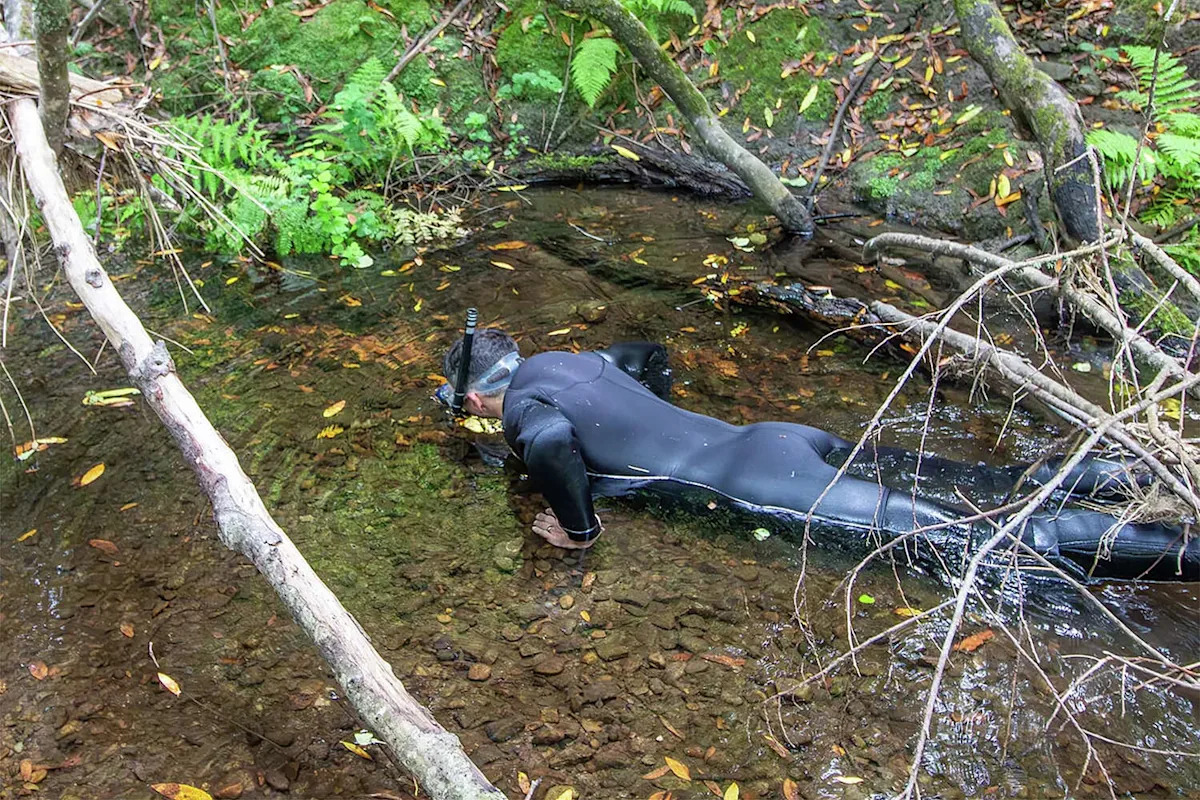
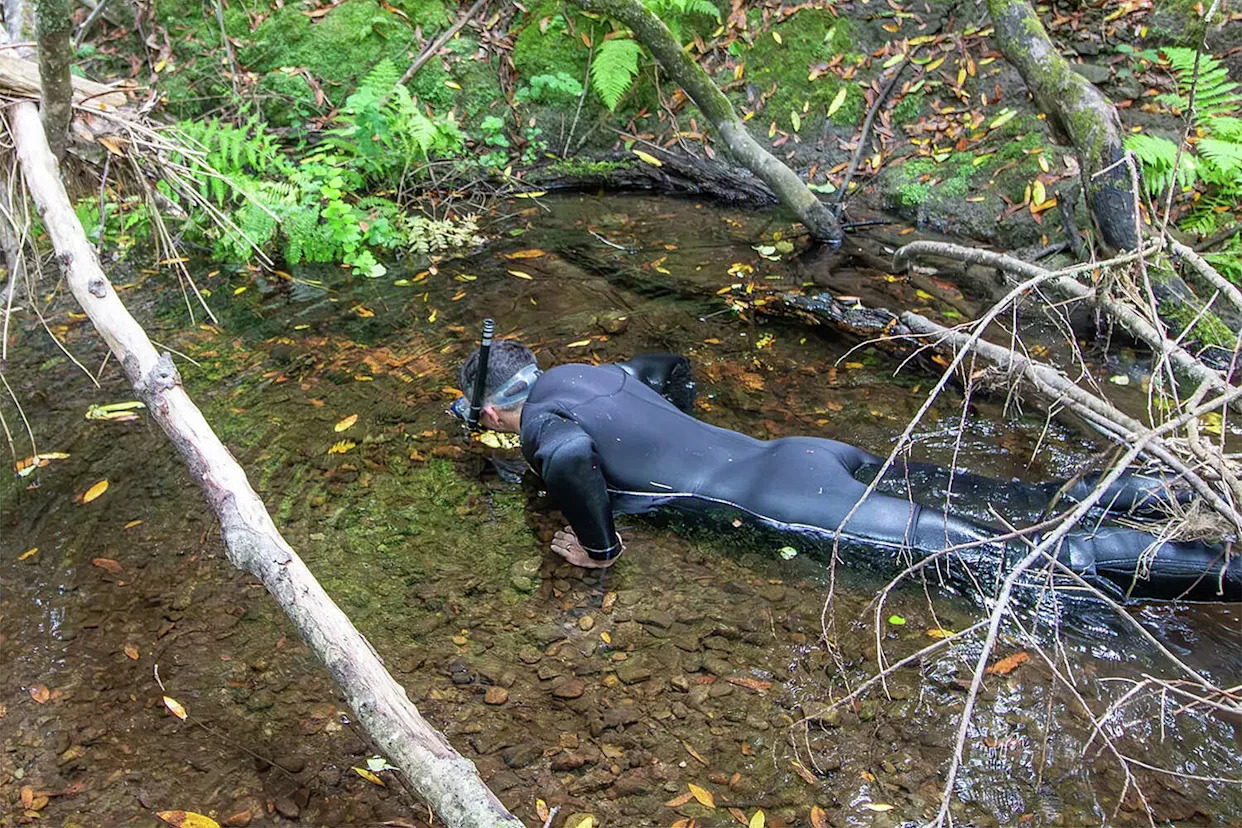
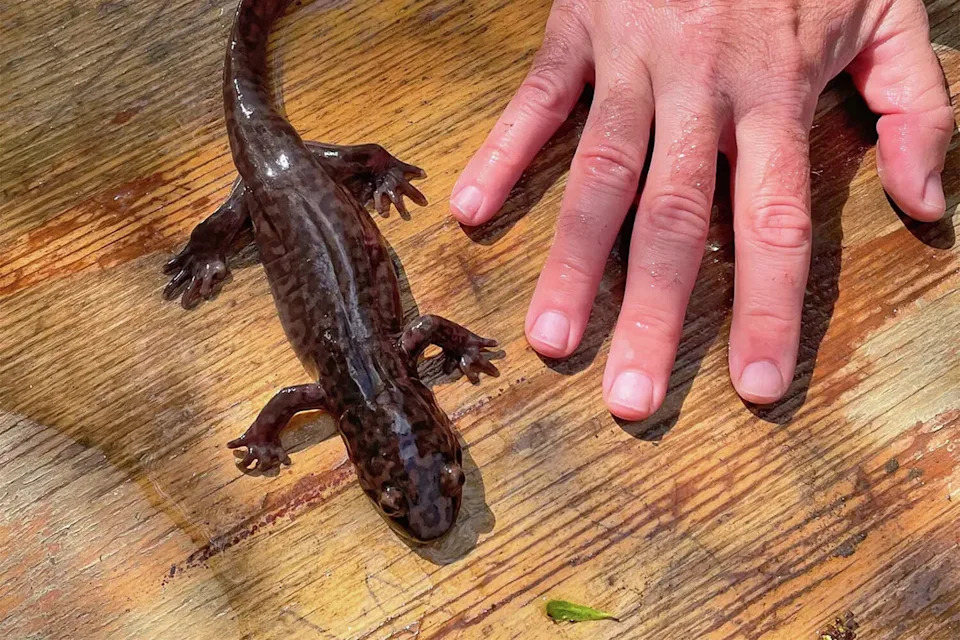
A National Park Service scientist has photographed a group of newly hatched California giant salamanders in the wild for the first time. Michael Reichmuth, a fisheries biologist, snapped a photo of the salamander larvae last September, according to an article published by the Park Service. Reichmuth spotted the salamanders while snorkeling in Olema Creek, a stream running through Point Reyes National Seashore.

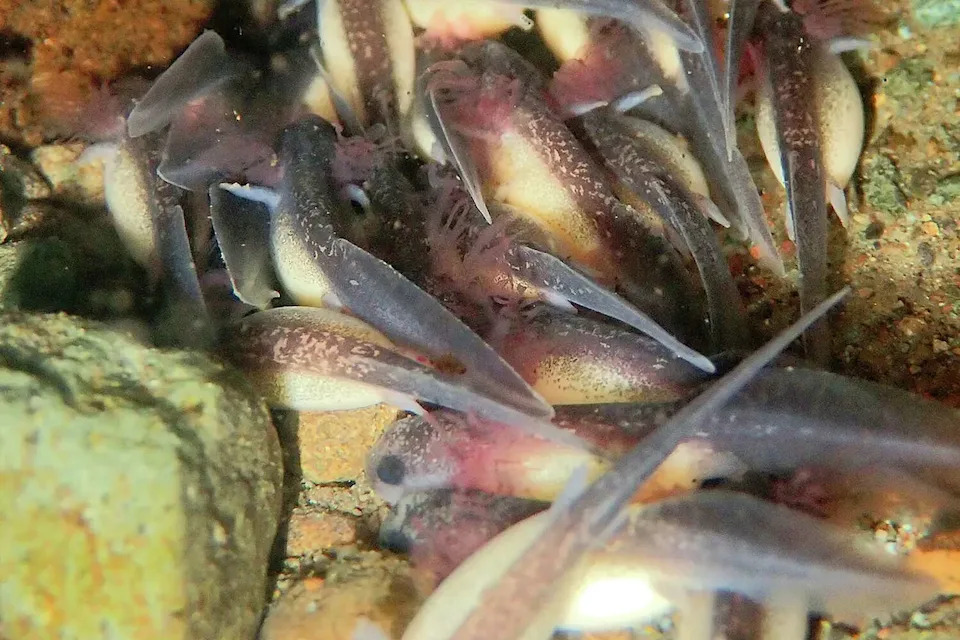
Typically, Reichmuth snorkels around the Bay Area's public lands, surveying juvenile coho salmon. But while face down in a pool of water, something else caught his eye: a cluster of gray and red amphibians sat under a rock. They had beady black eyes and swollen white bellies.

Although adult California giant salamanders, or Dicamptodon ensatus, can grow up to a foot long, the species is elusive. To capture other amphibians, scientists often place boards on the ground that provide a moist, attractive shelter. California giant salamanders almost never show up in these traps.

Patrick Kleeman, an amphibian expert with the U.S. Geological Survey, confirmed the species in an interview with the Park Service. "The location in a small stream known to harbor a population of California giant salamanders makes it the most likely species," he said.

(Reached for comment, Kleeman referred SFGATE to the quotes he shared with the Park Service. SFGATE reached out to Reichmuth for an interview but did not receive a response; the Interior Department has prohibited Park Service employees from responding to inquiries from SFGATE.)

The giant salamander is endemic to Northern and Central California, an area that encompasses the Santa Cruz Mountains and Point Reyes. The state of California classifies it as a species of special concern, and part of that designation has to do with how little scientists know about the salamander's biology and its population trends. A California Fish and Wildlife document notes that "we know little about the basic biology of this species, which makes it difficult to formulate management recommendations beyond minimizing disturbances to existing habitat."

Scientists have occasionally spotted clusters of California giant salamander eggs in the wild, but spotting larvae is rare. The salamanders' round, white yolk sacs suggest they hatched recently. The sacs can feed newly hatched salamanders for months while they learn to find food of their own. The salamanders' proximity to one another is another clue that they were newly hatched.

"The fact that [Reichmuth] found them at all is interesting because there is so little information about this life stage in this species," Kleeman told the Park Service.

BEST OF SFGATE

Food | SF bakery finds unusual solution to neighbors complaining about its long lines Local | Hundreds of millionaires are trying to escape the US National Parks | I tried living the park ranger fantasy and spent most of it picking up garbageTravel | The California town that rose and died in 2 years

Get SFGATE's top stories sent to your inbox by signing up for The Daily newsletter here.

This article originally published at In Point Reyes, a National Park Service scientist has made an incredibly rare find.