yahoo Press
Chinese chipmakers claim nearly half of local market as Nvidia's lead shrinks
Images
1 / 4
2 / 4

3 / 4

4 / 4
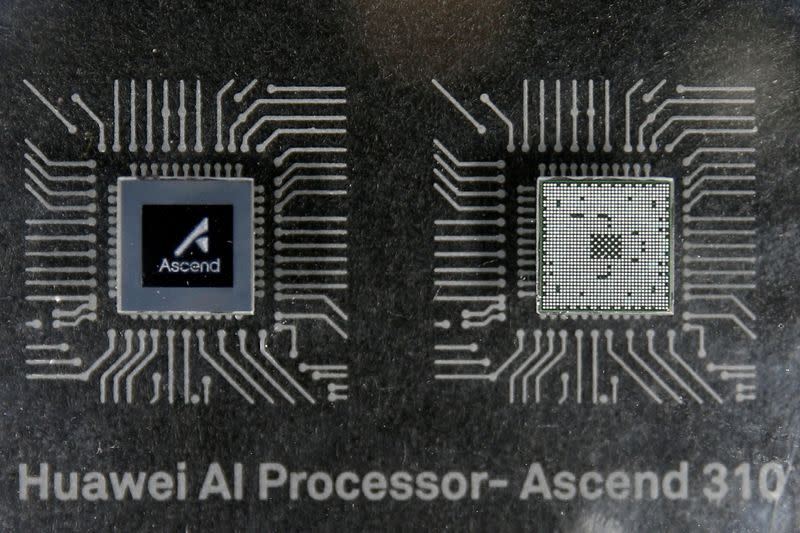
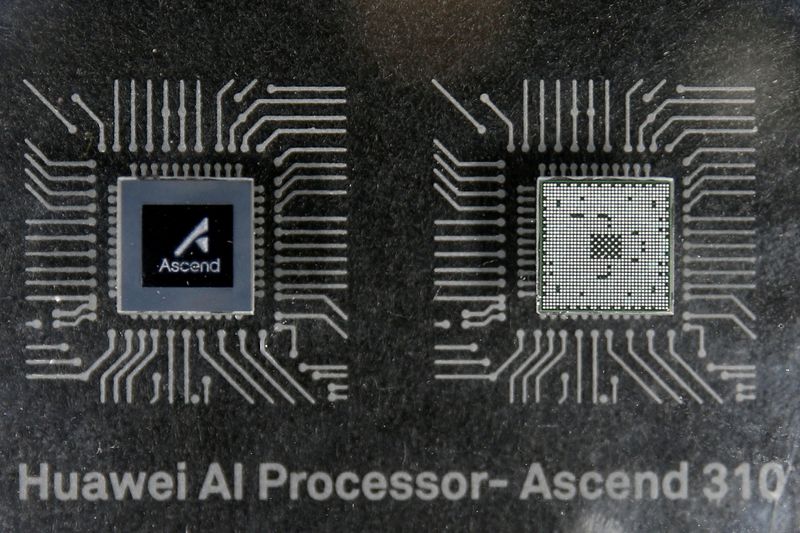
(Corrects to clarify attribution) By Che Pan and Laurie Chen BEIJING, April 1 (Rtrs) - Chinese GPU and AI chip makers captured nearly 41% of China's AI accelerator server market last year, eroding Nvidia's once-dominant position in one of its most important overseas markets, according to data from an IDC report reviewed by Reuters. The gains come as Beijing grows increasingly cautious about dependence on foreign chips, pushing government agencies and companies to adopt domestic alternatives after successive waves of U.S. export controls cut China off from Nvidia’s most advanced products. Total shipments of AI accelerator cards by Nvidia, AMD, and Chinese chipmakers reached approximately 4 million units in China in 2025, the data showed. Nvidia remained the market leader, shipping around 2.2 million cards and holding a 55% share. But that figure marks a significant retreat for the U.S. chipmaker, which held a dominant market share in China's AI chip market. AMD carved out a modest presence, shipping roughly 160,000 cards for a 4% share, the IDC data showed. Chinese vendors collectively shipped 1.65 million cards, accounting for 41% of the total market — a milestone that underscores how aggressively domestic players have moved to fill the void left by tightening U.S. export controls. Huawei Technologies emerged as the runaway leader among Chinese vendors, shipping around 812,000 AI chips, roughly half of all domestically branded shipments. Alibaba's chip design unit T-Head claimed second place, shipping approximately 265,000 cards. Baidu's Kunlunxin and Cambricon each shipped around 116,000 cards, ranking them jointly third among Chinese vendors. Hygon, GPU startups MetaX and Iluvatar CoreX accounted for 5%, 4% and 3% of total Chinese vendor shipments, respectively. In 2025, the central government launched a new wave of AI infrastructure spending, with local governments accelerating intelligent computing centers across provinces, many of which carried implicit directives to "buy Chinese." (Reporting by Che Pan and Laurie Chen, Editing by Louise Heavens)