huffpost Press
Are Native Americans Birthright Citizens? Government Lawyer Can’t Say.
Images
1 / 7

2 / 7
3 / 7
4 / 7
5 / 7
6 / 7

7 / 7
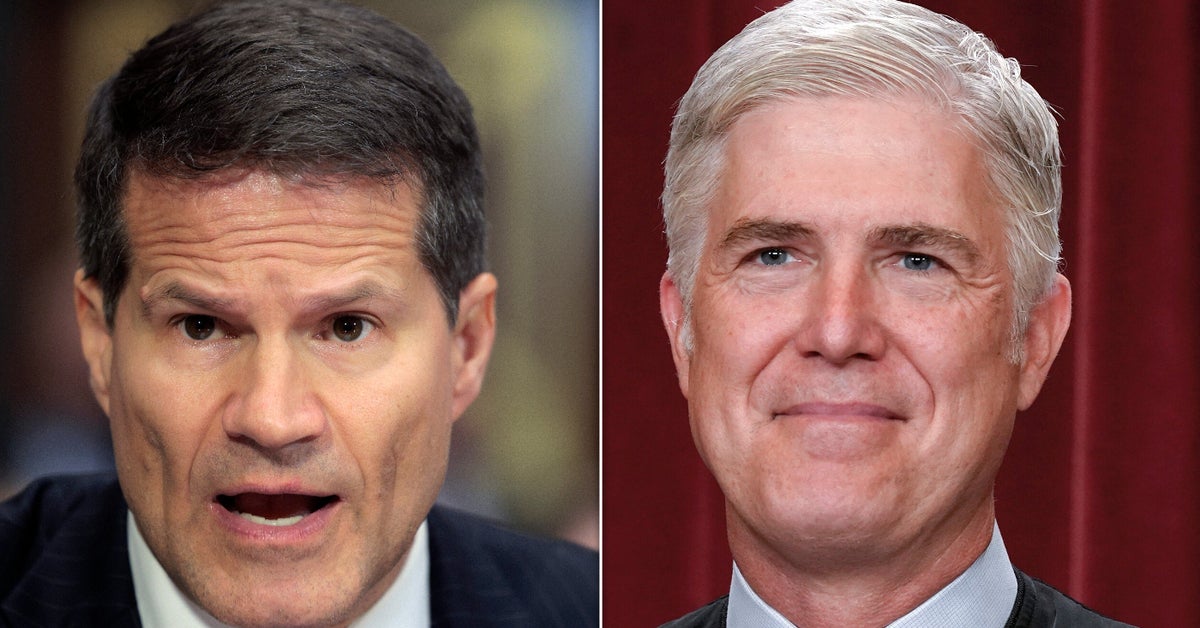
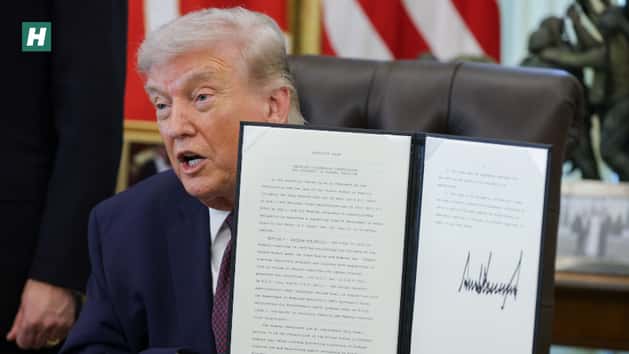
The Supreme Court heard oral arguments Wednesday morning on President Donald Trump’s effort to do away with birthright citizenship. It would seem U.S. Solicitor General D. John Sauer, who argued on behalf of the government, was a little less than prepared.

Asked by Justice Neil Gorsuch, who has an extensive legal background in tribal rights, if Native Americans would qualify for birthright citizenship under Trump’s executive order, Sauer was caught flat-footed: “Uhh, I think so?” he said.

“Do you think Native Americans today are birthright citizens under your test?” Gorsuch asked.

“Uhh, I think so?” Sauer said. “I mean, obviously they’re granted citizenship by statute...”

Gorsuch cut him off: “Put aside the statute. Do you think they’re birthright citizens?”

(The 14th Amendment, which established birthright citizenship, did not include Native Americans. The group wasn’t granted automatic citizenship until President Calvin Coolidge signed the Indian Citizenship Act into law in 1924.)

GORSUCH: Do you think Native Americans are birthright citizens under your test?SAUER: Ah, I think ... so. I have to think that through.

After some legal squabbling, Gorsuch again repeated his question: “Your test is the domicile of the parents. And that would be the test you’d have us apply today, right? Are tribal [children], born today, birthright citizens?”

Sauer, again, didn’t have a clear answer.

“Uhhh, I think so? On our test, yeah,” he said. “I’m not sure. I’d have to think that through. But, but — that’s my reaction.”

“I’ll take the yes,” responded Gorsuch, chuckling.

By entering your email and clicking Sign Up, you're agreeing to let us send you customized marketing messages about us and our advertising partners. You are also agreeing to our Terms of Service and Privacy Policy.