Press
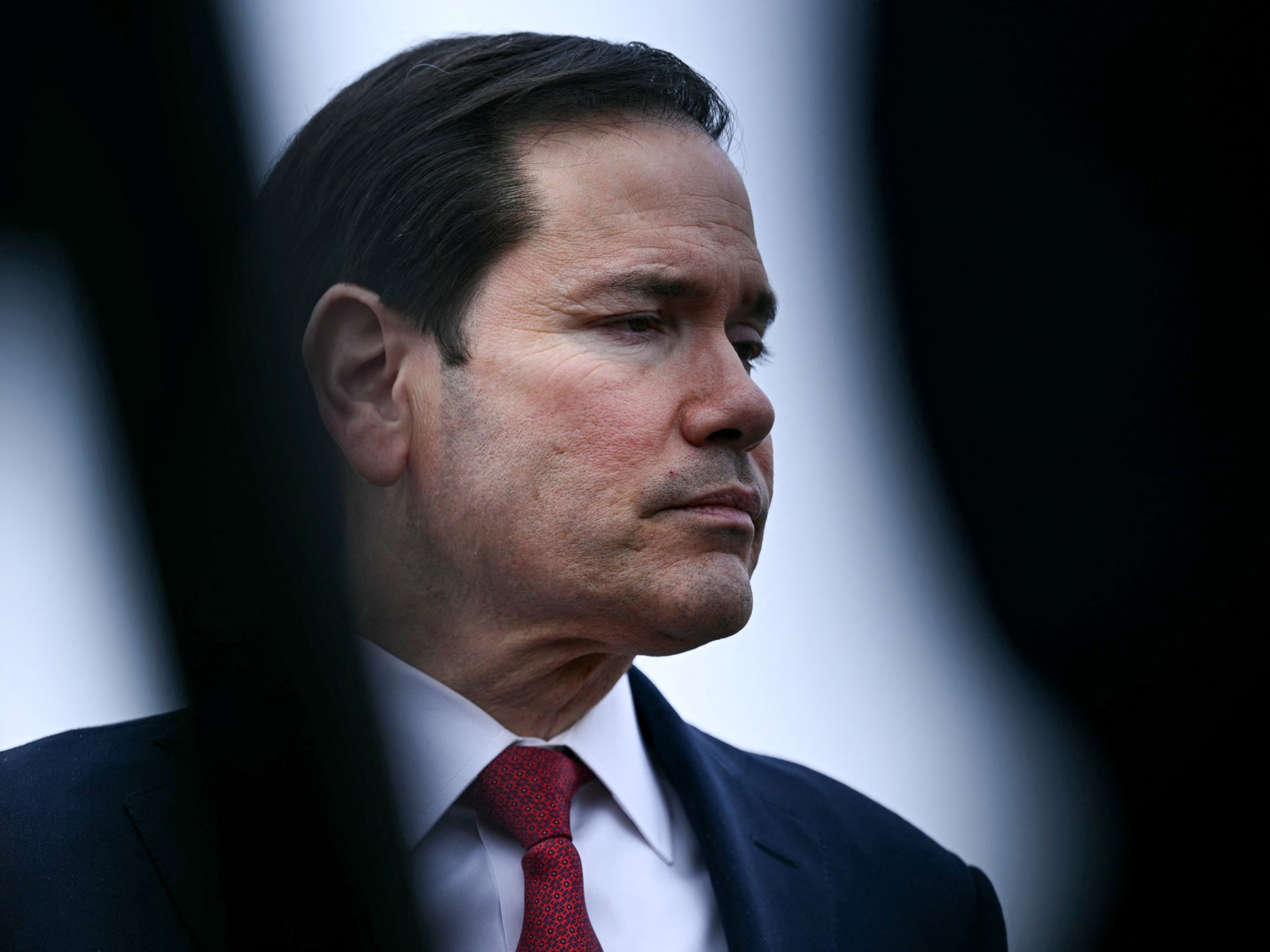
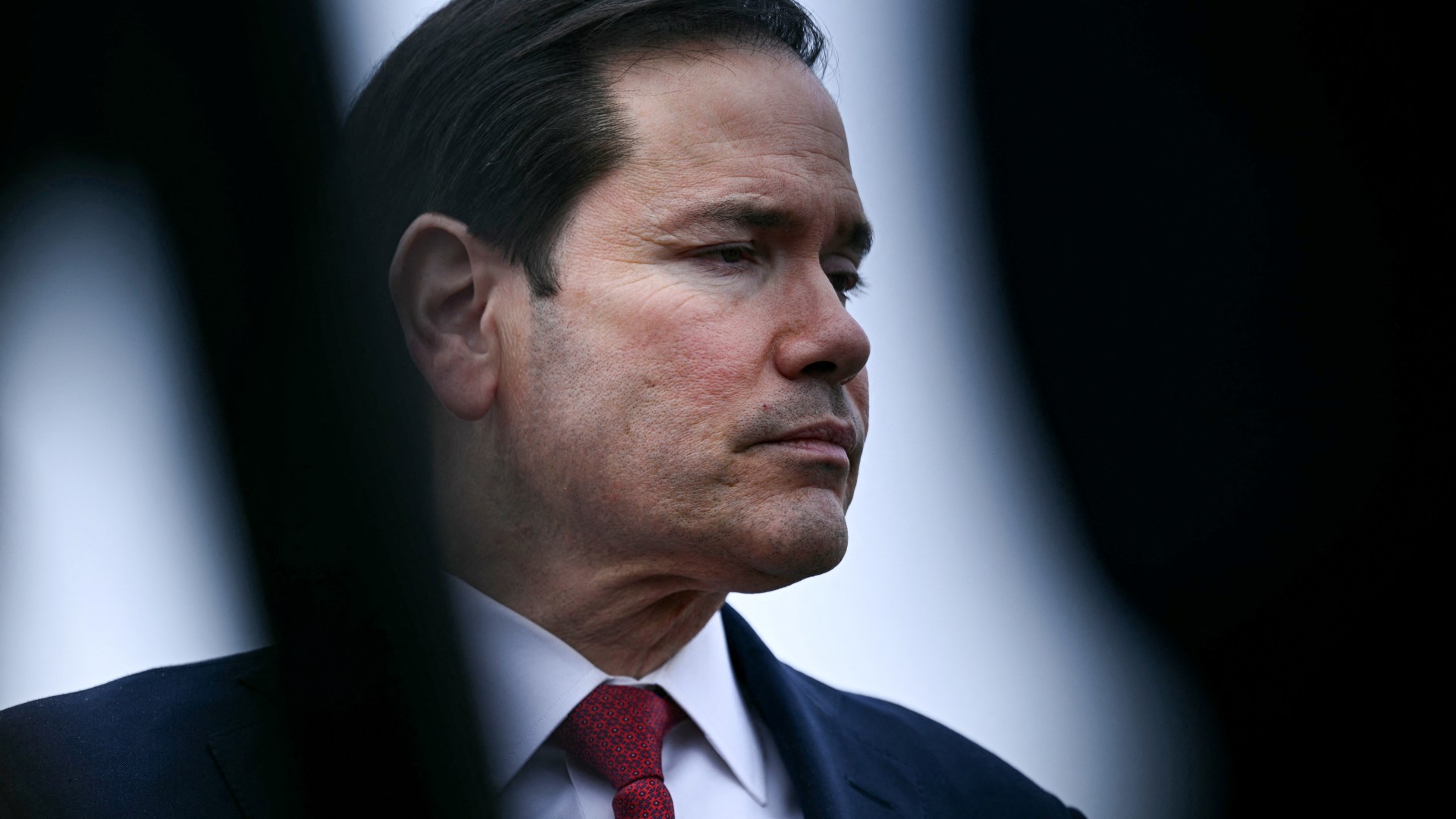
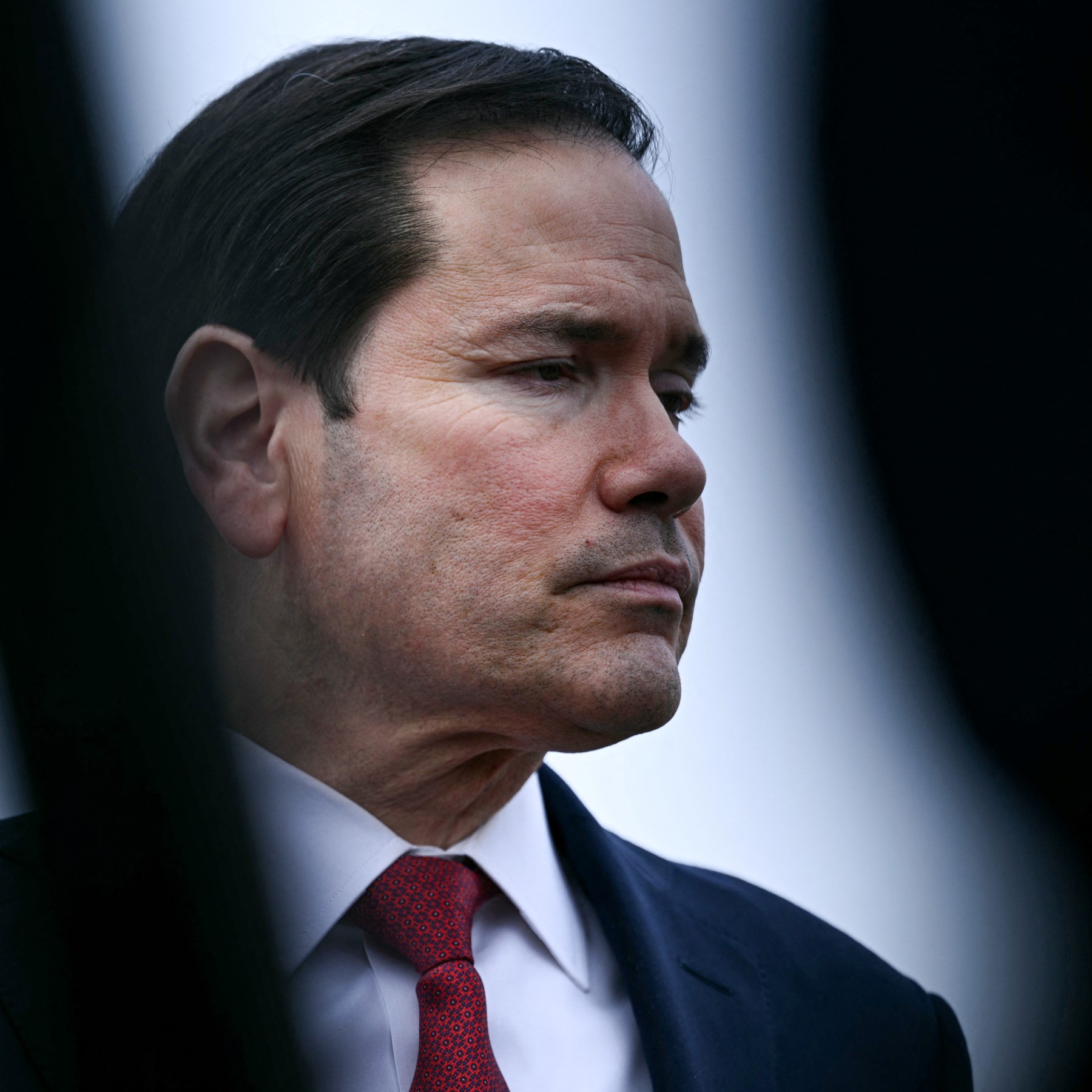
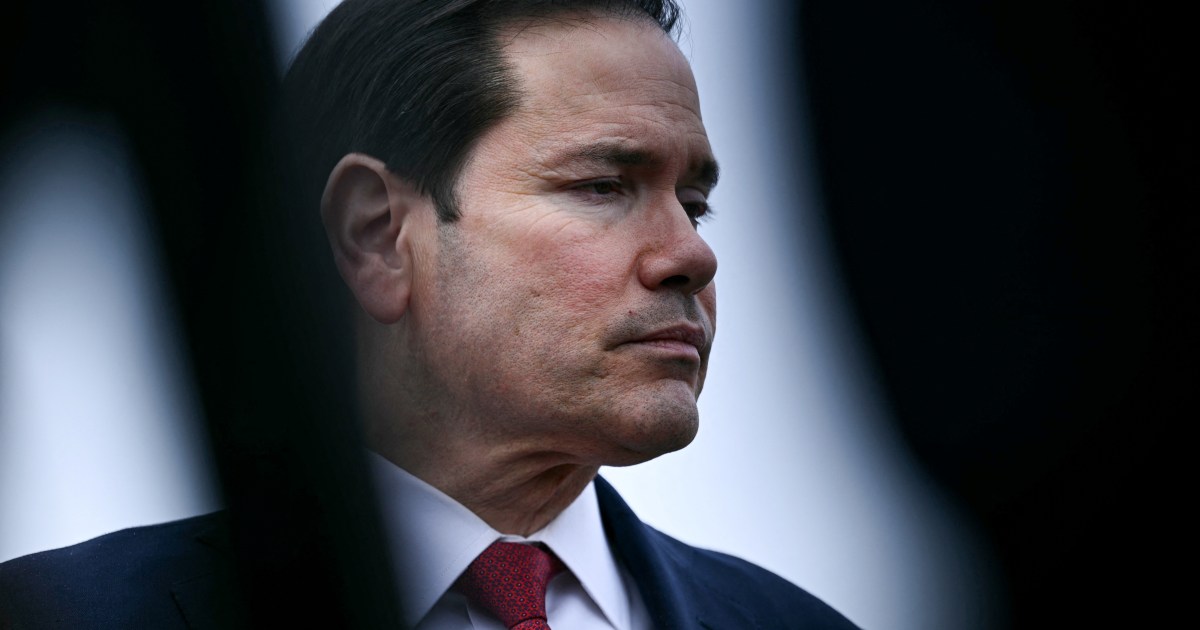
Rubio tells Al Jazeera that Strait of Hormuz to reopen ‘one way or another’
Images
1 / 6
2 / 6
3 / 6
4 / 6

5 / 6

6 / 6
In an exclusive interview, the US secretary of state says Donald Trump seeks diplomacy and demands that Iran end its nuclear and missile programmes.

Save

Share

United States Secretary of State Marco Rubio has told Al Jazeera that the Strait of Hormuz will “reopen one way or another” in the wake of the eventual end of the US-Israeli war with Iran.

The exclusive interview on Monday came as speculation has grown over a possible US troop deployment in Iran and as the effective closure of the strait continues to roil global oil markets.

US boots on the ground would represent a new phase in the grinding conflict, which began on February 28 with US-Israeli strikes, even as US President Donald Trump has repeatedly said that the US is pursuing diplomacy with Iran.

Rubio again maintained there were “messages and some direct talks going on between some inside of Iran and the United States, primarily through intermediaries, but there’s been some conversation”.

Iran has repeatedly denied that talks were ongoing. Pakistan on Sunday said it would host direct talks “in the coming days for a comprehensive and lasting settlement of the ongoing conflict”.

Rubio added that Trump “always prefers diplomacy, always prefers an outcome..and we could have done this before”.

The Trump administration had previously pursued indirect talks with Iran to curtail its nuclear programme. One round of talks was derailed last year with Israel’s 12-day war against Iran, which ended with US strikes on Iran’s nuclear facility.

A second round of diplomacy was under way when the US and Israel began the latest war.

Rubio again indicated the US administration’s preference for regime change in Iran, which the US and Israel have so far been unable to achieve despite several high-profile assassinations, including the killing of Supreme Leader Ayatollah Ali Khamenei.

“We would always welcome a scenario in which Iran was led by people that had a different view of the future and had a different view,” he said. “And if that opportunity presents itself, we’re going to take it”.

“The people of Iran are incredible people, very resourceful, very entrepreneurial,” he added.

“But it’s their regime that’s been a problem. And instead, they’ve chosen to spend the wealth of their country to support Hezbollah and Hamas and Shiite militias inside of Iraq, and to try to destabilise Syria when [Bashar al-Assad] was there,” he said.

Rubio further called on Iran to end its nuclear programme and to curtail its drone and missile programme.

He accused Iran of seeking nuclear weapons to “threaten and blackmail the world”, a claim Tehran has for years denied, maintaining its nuclear programme was only for civilian purposes.

On Monday, the Wall Street Journal reported that Trump was considering a US Special Forces operation to seize enriched uranium stored in Iran. Military experts have warned throughout the war that US and Israeli air strikes alone would not be able to destroy Iran’s capabilities.

In a statement to Al Jazeera, White House press secretary Karoline Leavitt did not deny the report, but said: “It’s the job of the Pentagon to make preparations in order to give the Commander-in-Chief maximum optionality. It does not mean the President has made a decision.”

Rubio said Iran “need to stop sponsoring terrorism, and they need to stop building weapons that can threaten their neighbours,” adding that the “short range missiles that they’re launching, they only have one purpose, and that is to attack Saudi Arabia and the UAE and Qatar and Kuwait and Bahrain.”

Turning to the Strait of Hormuz, which Iran has effectively closed to open traffic, Rubio voiced optimism it would be reopened when the conflict ends.

“The Strait of Hormuz will reopen one way or another once our military operation in Iran is over,” Rubio said. “The strait will reopen either with Iran’s consent or through an international coalition including the US.”

He threatened “severe consequences” if Iran closes the strait after the fighting ends.

The US has previously sought to raise a coalition to protect ships in the Strait of Hormuz, but has faced wariness from many traditional allies concerned over tacit entry into the conflict.

Rubio’s statements on Monday broadly reflected a list of demands put forth by Washington to end the war.

Iran has rejected the proposal, with Iranian President Masoud Pezeshkian releasing its own list of demands, including “recognising Iran’s legitimate rights, payment of reparations, and firm int’l guarantees against future aggression”.

For his part, Trump told the Financial Times in an interview published on Sunday that he hopes to “take the oil in Iran” including by possibly seizing the key export hub of Kharg Island.

“Maybe we take Kharg Island, maybe we don’t. We have a lot of options,” he added. “It would also mean we had to be there [on Kharg Island] for a while.”

The Trump administration has presented a carousel of objectives in the war, including degrading Iran’s military capability, preventing it from ever developing a nuclear weapon, and helping to foment regime change.

However, its endgame has remained unclear, with its final goals possibly diverging from Israel, which has pushed for more comprehensive regime change.

To date, at least 1,937 people have been killed in Iran since the war began, with at least 20 killed in Israel, 26 killed across the Gulf states and 13 US soldiers killed.

Rubio told Al Jazeera that the administration did not expect the war to drag on indefinitely.

“Our objectives in Iran are clear, and we will achieve them within weeks, not months,” he said.