Press
Three charts that are warning signs flashing for Trump on Iran war
Images
1 / 7
2 / 7
3 / 7
4 / 7

5 / 7

6 / 7
7 / 7
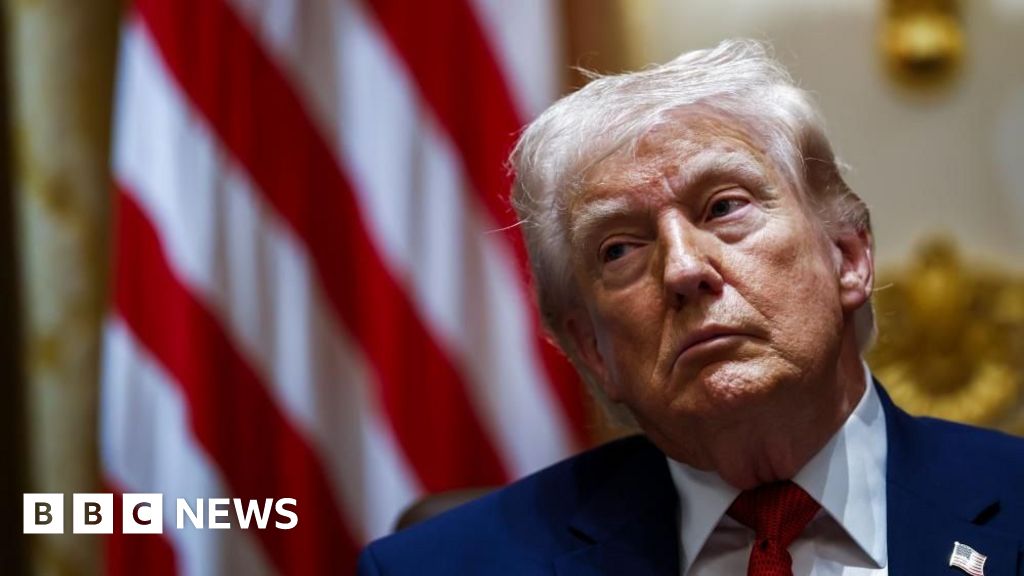
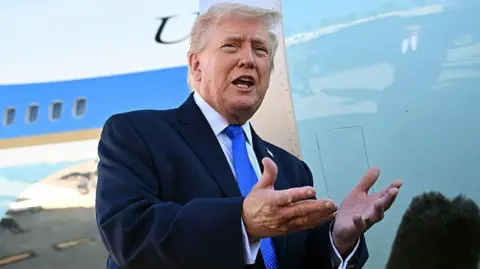
President Donald Trump's popularity among the American public has been eroding steadily since he returned to the White House last January.

While some of this is typical for second-term American presidents, Trump's initial decline also reflects ongoing public dissatisfaction with high prices and cost-of-living  – issues that have propelled Democrats to wins in a growing number of elections over the past year.

According to data by election analysis website The Downballot, Democrats did an average of 13% better in contested special elections in 2025 than they did in the same districts during the 2024 presidential election.

The war in Iran has only exacerbated these economic concerns.

Polling company Ipsos found that 43% of the American public approved of Trump's handling of the economy at the start of his second term. By 23 June 2025, the number had dropped to 35%, a level it hovered around for the rest of the year.

Three weeks into the Iran war, gas prices have surged to an average near $4 a gallon, as seen in the chart below.

Trump's economic approval rating, meanwhile, has fallen to 29%.

That was lower than any mark for Joe Biden during his four years in the White House, when Americans faced a post-Covid pandemic inflation spike.

Economic anxiety contributed to Democratic defeat in 2024 and Republicans controlling the presidency and both chambers of Congress for the past year. Now it appears to be creating a drag on Trump's net approval.

At the start of his second term, according to a polling average by political analyst Nate Silver, Trump enjoyed 52% approval.

While it wasn't the kind of political honeymoon many past presidents have enjoyed, support from a majority of Americans after a contentious election allowed Trump to claim an electoral mandate and push ahead with his sweeping political agenda on immigration, tariffs, government cuts and tax reform.

By 28 February, at the start of the Iran war, however, only 42% of Americans had a positive view of president. This week, that mark had sagged to 40%, as shown in the chart below.

That is dangerous territory for an incumbent president just seven months from midterm congressional elections. The longer the Iran war stretches on, and the longer it disrupts the global economy and pushes consumer prices up, the greater the risk may be.

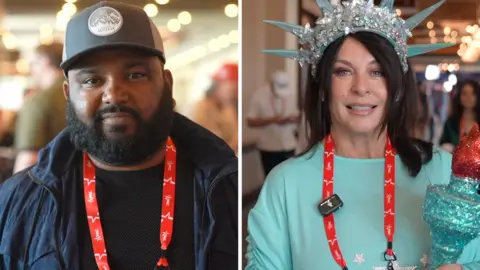
At this week's Conservative Political Action Conference (CPAC), a gathering near Dallas, Texas, of right-wing politicians, activists and highly engaged voters, the stakes in November's elections were a common topic of discussion.

"We cannot let the left win this election cycle and take away this agenda that we are fighting for every single day," said Michael Whatley, North Carolina Senate candidate and former chairman of the Republican National Committee.

He warned that with Democrats back in control, "it is impeachment, it is hoaxes, it is investigations and an agenda that is off the rails".

That the president's approval rating since the start of the war hasn't had a more precipitous drop could be because while a majority of the public opposed the US military intervention from the beginning, Trump's political base has continued to back him despite economic concerns, according to figures below tabulated by the Pew Research Center.

That certainly was on display at CPAC in Texas.

"It's better to pay more now than to pay a lot more later on," Paul Heere said of rising US petrol prices. "I don't think you want to have yet another country in that region have nuclear weapons, so you got to pay that price."

A recent Quinnipiac poll found 86% of Republicans support the US military action in Iran and 80% approve of how Trump is handling it. Among all registered voters, those numbers drop to 39% and 34%, respectively.

Democrats have largely opposed everything Trump has done since returning to the White House. But now independent voters appear to be turning against him, as well.

Winning over independent voters was one of the keys to Trump's victory in 2024.

Unless the current political dynamics change, independent antipathy could contribute to his party's potential undoing in November.

Conservatives gathered at the annual CPAC conference in Texas were mixed when asked about their feelings on the current economy.

The US president's signature will appear on new paper currency alongside Treasury Secretary Scott Bessent.

The BBC was in the New York courtroom to watch the ex-Venezuelan leader argue for ability to fund his defence with Venezuelan government funds.

The centrally located Peacock Theater in Los Angeles will host the 101st Academy Awards ceremony when it begins streaming on YouTube in 2029.

The reactions come after a Los Angeles jury found that Meta and Google intentionally built addictive social media platforms that harm young people's mental health.