Press
Plans for UK's newest national park head to public enquiry
Images
1 / 14

2 / 14
3 / 14
4 / 14
5 / 14
6 / 14
7 / 14
8 / 14
9 / 14
10 / 14
11 / 14
12 / 14
13 / 14
14 / 14
Plans to create the first new national park in Wales since 1957 are to face a public inquiry after several councils formally opposed the move.

Supporters have said the success of Glyndŵr National Park was "on a knife edge", with the Senedd election adding further uncertainty.

Local authorities in north-east Wales said they had questions about funding and planning arrangements, as well as impact on house prices, local services and the Welsh language.

The Welsh government said national parks were "designed to have a significant positive impact on our natural environment and people's ability to enjoy it" and it was "right that these issues are considered very carefully".

The UK has 15 national parks. The first one was the Peak District in 1951 and the most recent was the South Downs, which was designated in 2010.

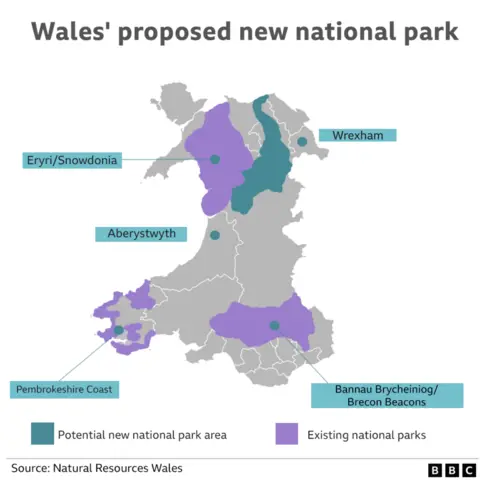
Three of these are in Wales: Eryri (Snowdonia), the Pembrokeshire Coast and Bannau Brycheiniog (Brecon Beacons).

The Labour-run Welsh government made establishing a new national park in north-east Wales part of its pitch at the last Senedd election in 2021.

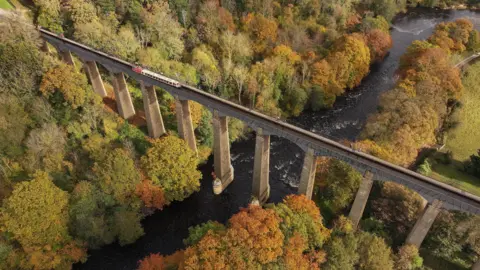
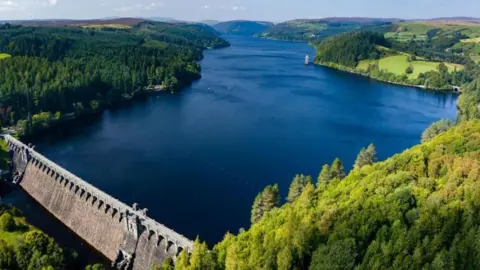
It would be based around the existing Clwydian Range and Dee Valley Area of Outstanding Natural Beauty, and would stretch from the Denbighshire coastal town of Prestatyn to Nant-y-dugoed - about 20 miles west of Welshpool, Powys.

An official process looking at whether the proposed area met the criteria for a national park was run by Natural Resources Wales between 2022-25, and costed approximately £700,000 a year.

In January 2026, the organisation's board voted to back the proposals and issued a designation order for Glyndŵr National Park, named after the last Welsh-born Prince of Wales Owain Glyndŵr.

There were 1,678 responses to the final consultation, with 53% in favour, 14% offering at least conditional support, with 31% opposed and 3% undecided.

All five councils affected by the park's proposed boundary said they had reservations, with several issuing a formal objection.

The government said in line with the National Parks and Access to the Countryside Act 1949 a public local inquiry was now needed - where a planning inspector scrutinises the arguments for and against, making a recommendation to ministers.

This also means the current government cannot make a decision before May's Senedd election, as it had hoped, and it will instead be down to the next administration.

Powys council said it was concerned the new designation "would place additional pressures on our rural communities while offering little in the way of tangible benefit".

While Wrexham council warned that visitor numbers would "impact the demand for services and budgets of local authorities and other public bodies".

Gwynedd council said there was a "lack of clarity" on issues such as the impact on Welsh language, planning service delivery and budget.

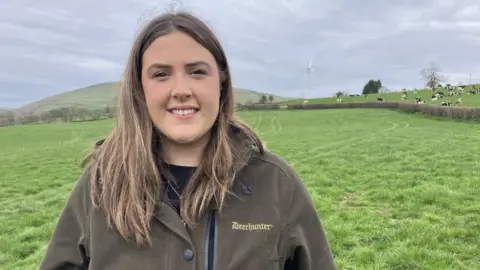
Farmer Sarah Lewis from Llanrhaeadr-ym-Mochnant in Powys said she was worried the park would make life harder for her family.

She had recently put up a new chicken shed and wind turbine - diversification projects she believed would not have been possible had a stricter planning regime been in place.

"At the end of the day this is an agricultural area, we are already custodians of the countryside, we're already supporting nature and food production.

"I just find it remarkable when there are other issues that Wales is facing with the NHS, education, the states of our roads and infrastructure... that we're going after a nice-to-do project," she said.

"It scares me to be honest," added Sarah's daughter Elin Lewis, who works as an assistant educational psychologist in Wrexham.

"Our local young farmers' club has over 100 members, 95% speak Welsh - we want those young people to stay in our community to make sure it thrives.

"With expected house prices rising if this national park comes to fruition, those young people won't be able to afford it and they'll have to move out."

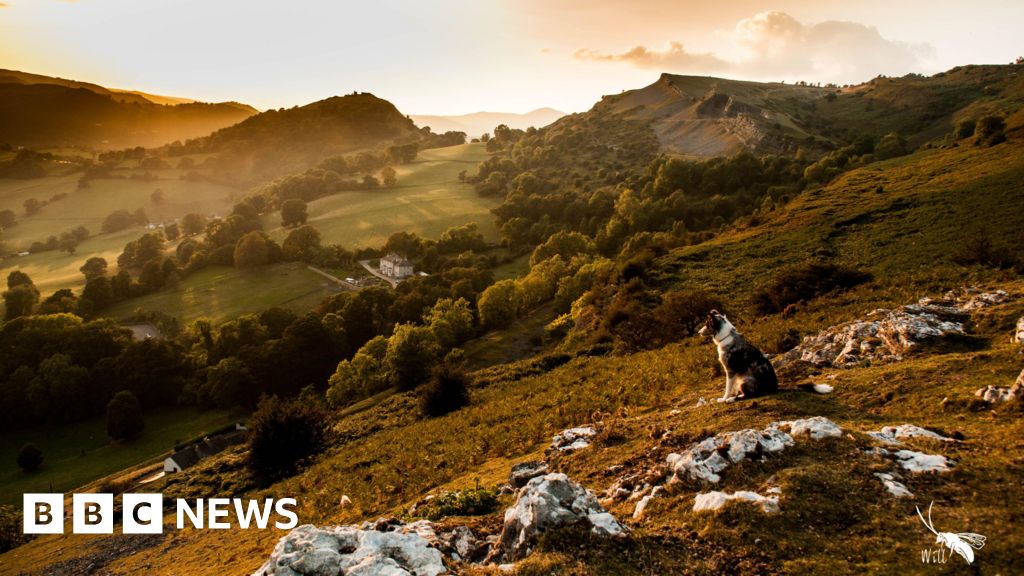
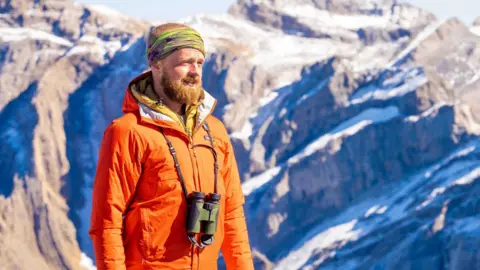
Naturalist and photographer Will Hawkes, from the Ceiriog valley south of Llangollen, sees things differently.

"I've recorded 18 out of the 24 bumblebee species in the UK here," the insect research scientist said - "it's a really, really special place."

"Having this national park would catalyse co-ordinated action to fight against the decline of biodiversity, to give the land proper protection from developers and give the inhabitants something to be really proud of," he said.

The designation would bring funding to help better manage tourist pressures, grants for farmers to manage the land sustainably and would raise the profile of Welsh language and culture, he added.

"There are way more positives than negatives and I think if we give up on this opportunity, if we let it slip, then we're failing the future generation."

Gareth Ludkin, of the Campaign for National Parks welcomed the news of a public inquiry.

"It's a pretty typical next step and allows for a fully-rounded conversation about the case for designation," he said.

"We're at a crucial point in the electoral cycle of Wales - it's going to be a decision for the next Welsh government ultimately.

"There's the potential for them to turn around and say this isn't something we want to pursue, but certainly I think this is a moment of great opportunity... to really set forward a case for an exemplar national park which could be the best in the UK."

Deputy First Minister Huw Irranca-Davies said "we know that national parks deliver for Wales", with existing sites attracting 12 million visitors annually and contributing approximately £1bn to the Welsh economy.

"Equally, I understand the concerns and reservations that Local Authorities and other stakeholders have about the establishment of a new national park and new national park authority.

"It is a big change - deliberately so, as it is designed to have a significant positive impact on our natural environment and people's ability to enjoy it."

He added it was "right that these issues are considered very carefully" and he had asked officials to begin work on establishing the public local inquiry.

The Welsh Conservatives' said any proposal for a new national park "must work with, not against, the people who live and work in these communities".

Additional bureaucracy could make life harder for the area's farmers, and "there is also a potential impact on house prices, local infrastructure and tourism pressures, particularly in areas that are already struggling to cope", the party added.

Plaid Cymru said "there are so many unanswered questions that it's no surprise that not a single local authority has supported the proposal".

It continued: "Wales' existing national parks have suffered years of funding cuts. Surely the priority should be to properly fund those before stretching scant resources even further?"

The Welsh Liberal Democrats said: "Plans for Glyndwr National Park are ill-conceived and being pushed through against clear local opposition.

It would heap more red tape, higher costs and planning barriers onto rural communities that are already under pressure. Instead of helping local areas grow, it risks holding them back and it should be scrapped."

Reform and Wales Green Party have been asked to comment.

Additional reporting by Ellie Carter and Craig Duggan

Tristan Roberts waited until he was 18 to buy knives, hammers and axes before murdering his mother.

Testing suggests the sulphurous odour is most likley coming from the River Usk and River Ebbw estuary.

River Action says National Resources Wales is failing to stop chicken manure polluting the river.

Suzie Dyer was seriously injured when she fell down a sheer drop in Waterfall Country, and says more should be done to improve safety.

The body of 45-year-old Angela Shellis was discovered in the Morfa area of Prestatyn.