Press
Trichotillomania: 'People who pull out their own hair shouldn't feel ashamed'
Images
1 / 12

2 / 12
3 / 12
4 / 12
5 / 12
6 / 12
7 / 12
8 / 12
9 / 12
10 / 12
11 / 12

12 / 12
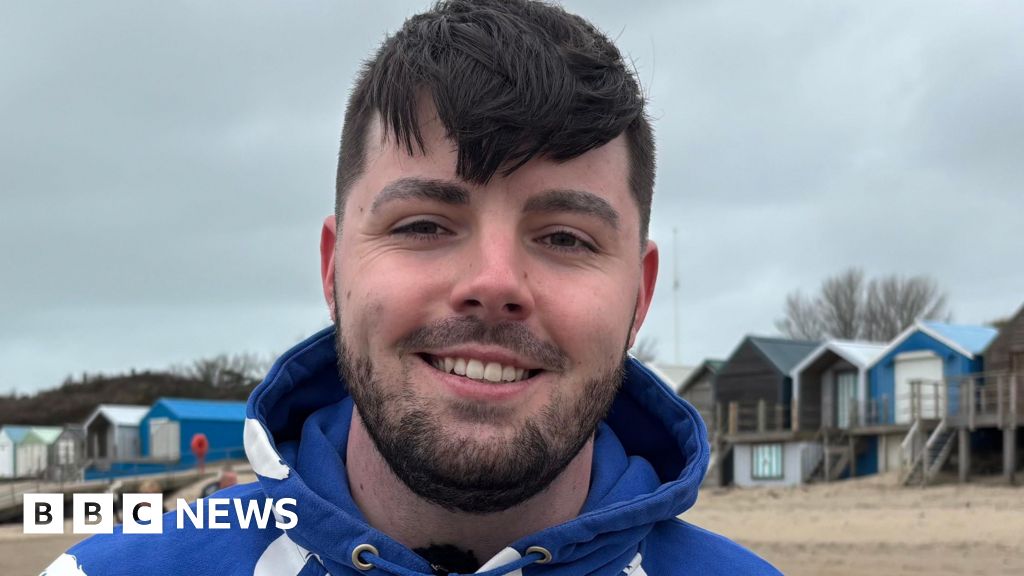
An online content creator who has a compulsive hair-pulling disorder says others with the condition "shouldn't be ashamed" or "feel embarrassed".

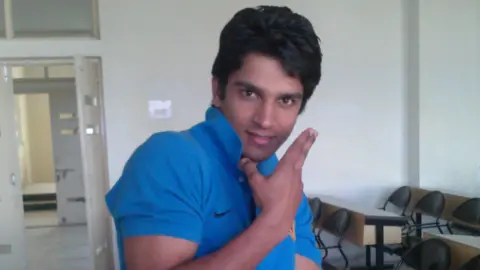
Ruben Chorlton-Owen, 24, from Abersoch in Gwynedd, has trichotillomania, also known as trich or TTM. The condition causes him to obsessively pluck his beard or eyebrows when anxious or bored.

Trichotillomania is believed to affect 1-2% of the population, according to research published in the scientific journal Nature.

Clare Mackay, a professor of neuroscience at the University of Oxford, said the condition could be very severe and result in people pulling out all of their hair.

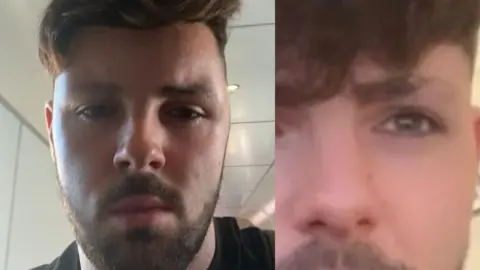
Ruben, who was diagnosed with trichotillomania 10 years ago, said at his lowest point he pulled out most of the hairs on his eyebrows.

"I remember looking in the mirror thinking 'what have I done?' I began avoiding photos and sometimes wore a cap to hide thinning patches," he said.

"If people asked what had happened, I would joke about a shaving mishap rather than admit the real reason."

Ruben, who has more than a million followers on TikTok, hopes that by speaking out about his condition he will show others that they are not alone.

"It is a real thing that people shouldn't be ashamed of or feel embarrassed about," he said.

"Just be happy with yourself and if you want to have a look online or reach out to some charities or even myself, feel free."

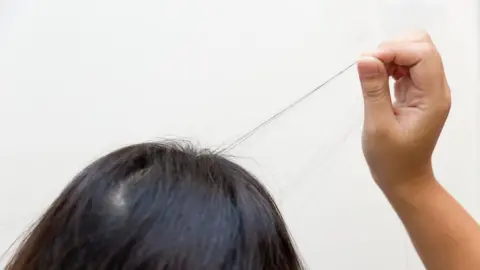
Trichotillomania is when someone cannot resist pulling out their hair.

They may pull out the hair on their head or in other places, such as their eyebrows or eyelashes, according to the NHS.

The condition usually starts between the ages of 10 and 13 years old.

It is one of a family of disorders known as body-focused repetitive behaviours, or BFRBs, like biting nails or picking at skin.

Roughly half of people with the condition never seek treatment, according to University of Oxford research.

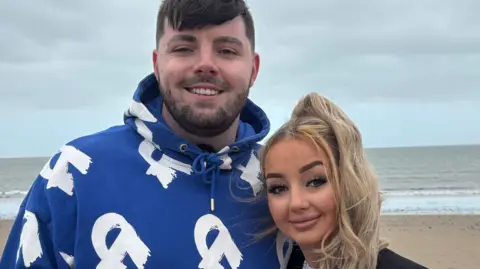
Ruben's partner Amber Phillips said she first became aware of Ruben's trichotillomania when they were watching TV.

"I'd notice he would always be pulling his hairs, and I'd say 'what are you doing?' and it was quite often, more often than a normal habit. He'd say 'I can't stop doing it'."

She said she was pleased that Ruben had decided to speak publicly about it.

"I think it's really good that he's spreading awareness," said Amber.

"I'm really proud of him and it's a really brave thing to do, to come out and speak about something that you're insecure about and that you do keep hidden."

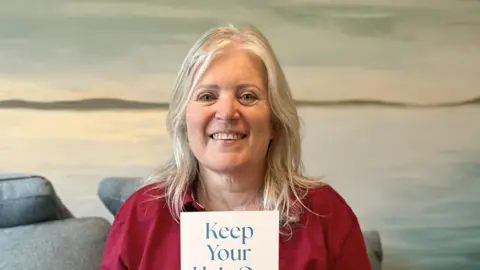
Clare Mackay has lived with trichotillomania for 40 years and now works in partnership with the support group BFRB UK and Ireland.

Her new book, Keep Your Hair On: Understanding Urges to Pick, Pull and Bite, is based on her personal experience and years of research into body-focused repetitive behaviours.

"It's normal grooming behaviour to pick and pull and bite a bit," she said.

"But it can be very severe - people can pull out all of their hair. Different people are triggered by different things. It's fundamentally a self-soothing behaviour."

She described trichotillomania as a chronic condition, but said it could be managed.

"There are therapists that offer particular therapies, but self-help strategies can be just as effective. And one of the best ones is finding other people who suffer with the same thing."

Meryl Da Costa-Rohland works for TrichStop, a programme that treats trichotillomania.

She said many different techniques could help people with the condition.

"Most of us know about cognitive behavioral therapy which can help address the thoughts and the patterns that we have about pulling," she said.

"We also have acceptance and commitment therapy, or ACT. This helps people create a little bit of space between the urge and the behaviour. And it also helps us to react differently to how we respond to that urge."

Ruben said having his eyebrows micro-bladed - a semi-permanent cosmetic tattooing technique that shaped and filled them - had reduced his urge to pull the hairs.

He intends to make more videos about trichotillomania following a positive response to his decision to speak about his own experiences.

"I did have a bloke reach out saying 'thank you so much for this, it's given me the push to get help with my own situation'," said Ruben.

Experts say the wait was indefensible and possibly delayed identification of the outbreak.

The government wants to improve trusts at the bottom of NHS league tables, which face "deep-rooted challenges".

Harish Rana, 31, had been in a comatose state since 2013 after he fell from a fourth-floor balcony.

As patients struggle to find NHS dentists, Labour has a plan but not everybody is convinced it will work

Theo Schooling died after being moved from London to the hospital in Bristol, an inquest is told.