buzzfeed Press
Here's A Full Breakdown Of Jay-Z's Viral Candid Interview
Images
1 / 20
2 / 20
3 / 20
4 / 20
5 / 20
6 / 20
7 / 20
8 / 20
9 / 20
10 / 20
11 / 20
12 / 20
13 / 20
14 / 20
15 / 20
16 / 20
17 / 20
18 / 20
19 / 20
20 / 20
"There is clearly an agenda to silence voices in our community, a heavy right wing agenda."

I’m Karlton, the Senior Editor and Operations Lead here at BuzzFeed, I work with the sponsorships and branded teams, but also write and edit a wide variety of articles.Over the past five years, I've also written and edited a variety of topics, from celeb interviews to politics and sports.

It's worth noting that Jay-Z has used his wealth to fund and fight for causes that have been central to Black equity and liberation for decades.

In America, households with a white, non-Hispanic householder had 10 times more wealth than those with a Black householder in 2021, according to the U.S. Census Bureau’s Survey of Income and Program Participation. This wealth was largely built through generations. Black Americans have been historically and systemically shunned from being able to construct generational wealth. Reginald F. Lewis is widely recognized as the first Black American billionaire, who didn't achieve that status until the late '80s. So when Jay-Z rapped "You ain't keep the same energy for the du Pont's and Carnegie's," what he's saying is that white culture has the privilege of turning their nose up at immense wealth and those who have accumulated it now because white elites have been running this nation for hundreds of years and used their wealth and power to build a country that gives white people advantages at every conceivable junction of American life. Essentially, the bank that funded white supremacy and white privilege came from generational or immense wealth. Now that Black and brown people are starting to enter these circles of immense wealth and power, and can use these tools to pour back into the culture, you may not see the same "billionaires are all bad" rhetoric from many Black Americans, who are just proud that, finally, some people that look like us are entering the upper echelons.

When the suit was dropped (the alleged victim dropped it), Jay released a statement that said, in part, "The trauma that my wife, my children, loved ones, and I have endured can never be dismissed. The courts must protect the innocent from being accused without a shred of evidence. May the truth prevail for all victims and those falsely accused equally."

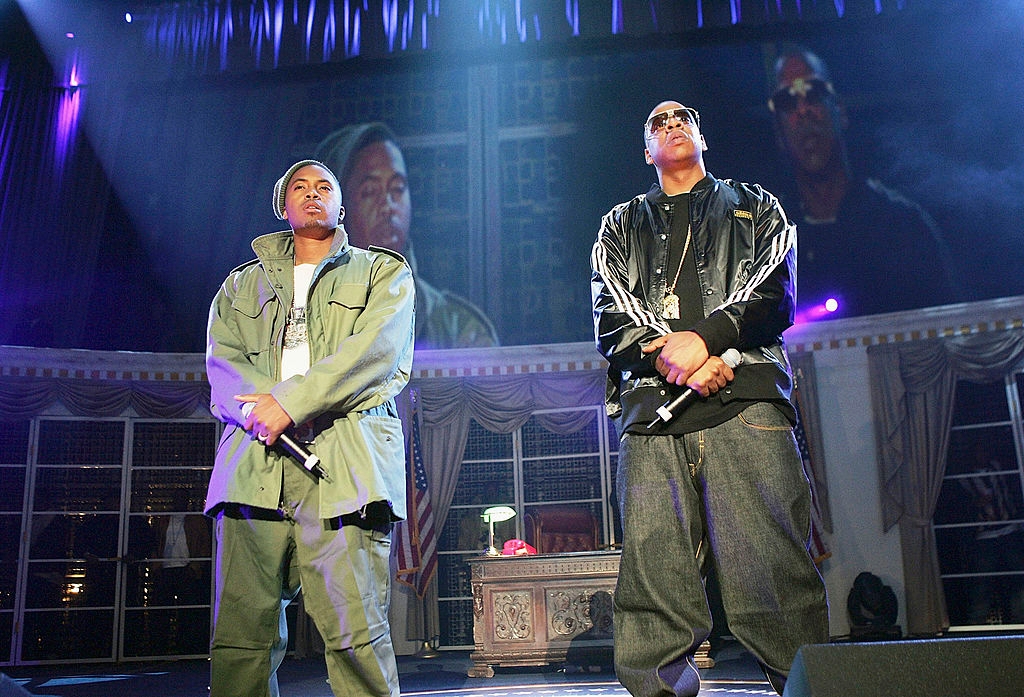
This is certainly a hot take from Jay-Z, whose beef with Nas is considered one of the biggest rap battles in history. However, now that he's much older and wiser, his opinion makes sense. The Drake versus Kendrick battle went beyond rap; it felt like an industry indictment of Drake and commercial rap, and it ventured into a conversation about what makes someone "Black enough." Both Kendrick and Drake also took shots at each other's families and kids, a move that would have landed several people in the ER back in the '90s and '00s when Jay-Z was at his rap prime. Although Drake has recovered commercially (he's still one of the most-streamed artists and the most-streamed rapper in the world), his overall luster has been diminished, and his reputation may never fully recover.

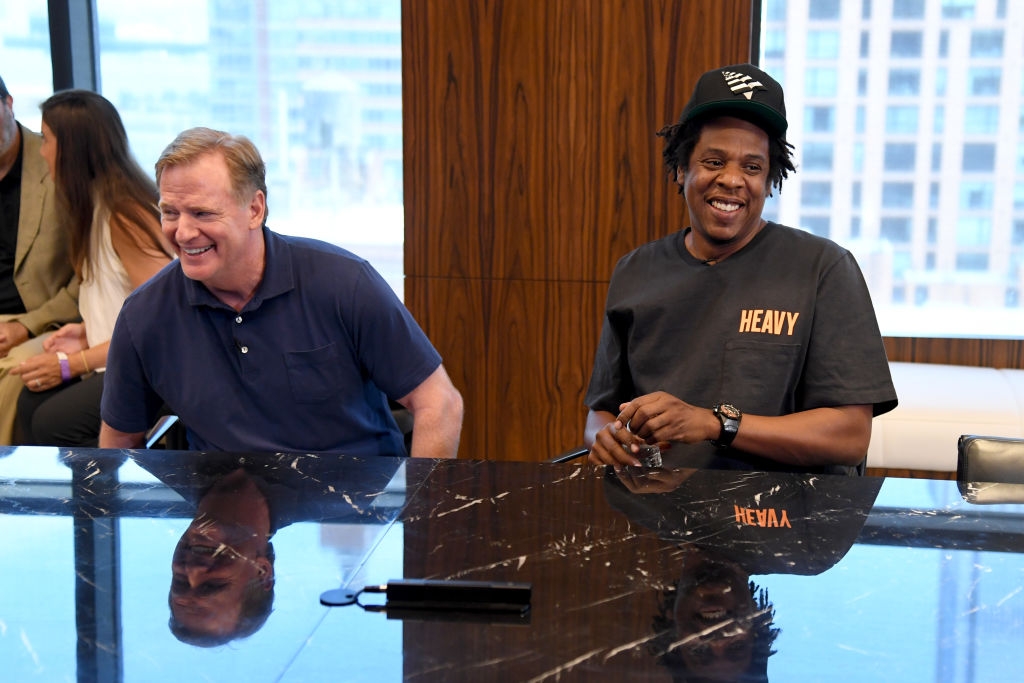
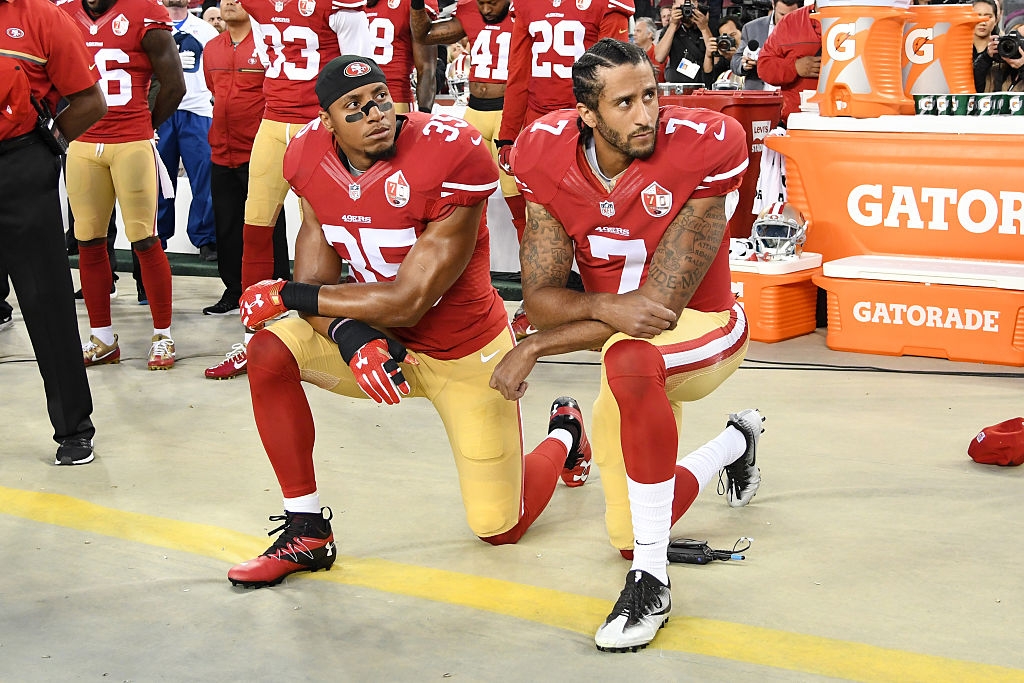
Before Jay-Z took over Halftime Show curation duties, he famously led a boycott of the NFL amid the fallout from the Colin Kaepernick situation. Then, when he did a 180 and partnered with the NFL, many fans were disappointed and enraged. At the time, Jay-Z defended the partnership, saying, “I think that we forget that Colin’s whole thing was to bring attention to social injustice, correct? So, in that case, this is a success; this is the next thing. ’Cause there’s two parts of protesting. You go outside and you protest, and then the company or the individual says, ‘I hear you. What do we do next?’ So, for me, it was like, action, actionable item, what are we going to do with it? Everyone heard and we hear what you’re saying, and everybody knows I agree with what you’re saying. So what are we going to do? So we should, millions of millions of people, and all we get stuck on Colin not having a job. I think we’re past kneeling. I think it’s time for action.”

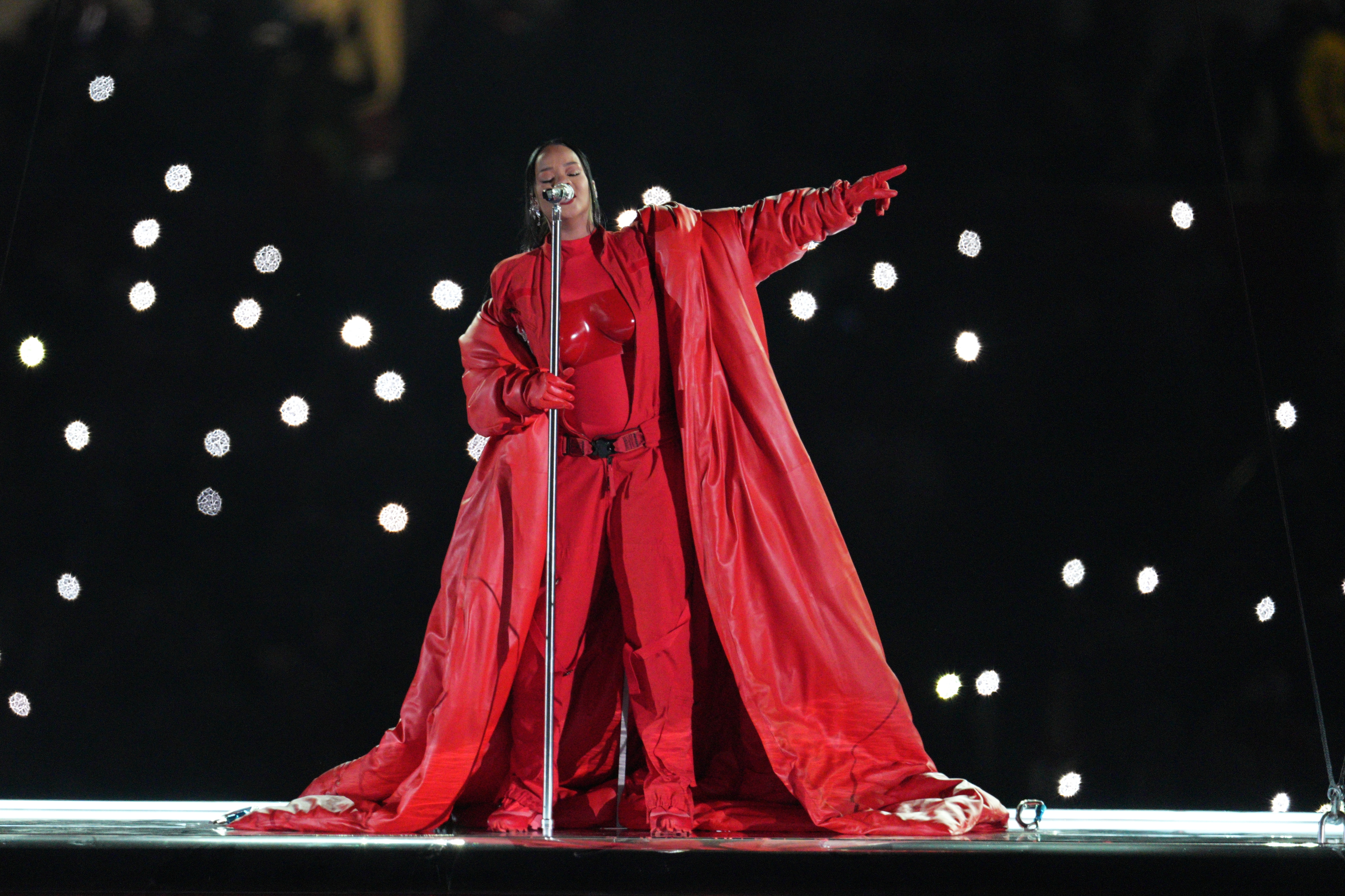
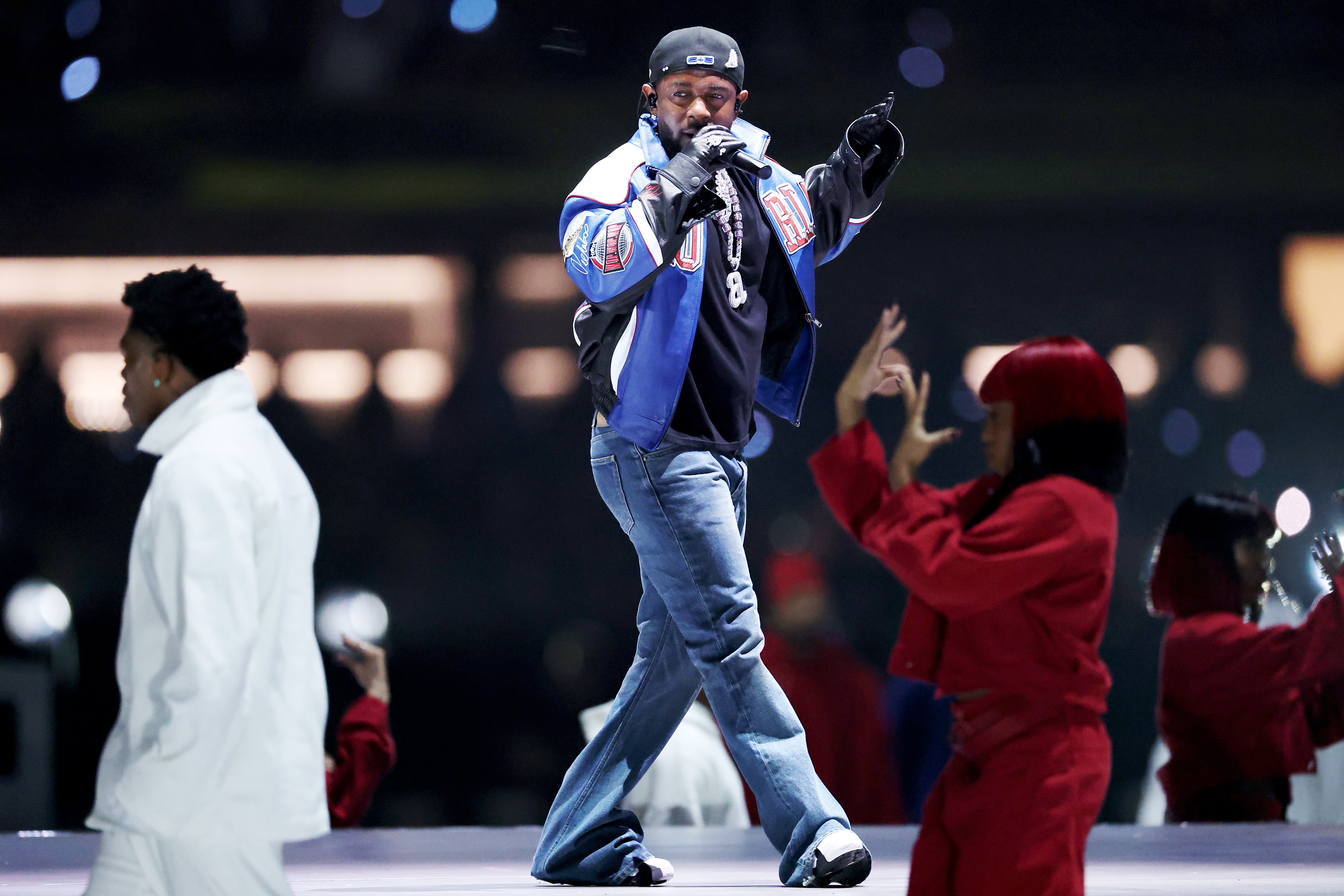
However, since Jay-Z has started producing the Super Bowl Halftime Show, much of the anger and discourse around the partnership has died down. In the years since his takeover, Jay has selected only Black and Latino artists (Shakira, Jennifer Lopez, The Weeknd, Dr. Dre and friends, Rihanna, Usher, Kendrick Lamar, and Bad Bunny), allowing some of the most important musicians in the world to use the biggest stage in America to display their culture.

To be fair, at the time Kendrick had the biggest year for any artist in recent memory since 50 Cent dropped Get Rich or Die Tryin'. The beef was a big part of that, for sure, but it did make sense to have the hottest artist in the world performing at the Super Bowl that year.

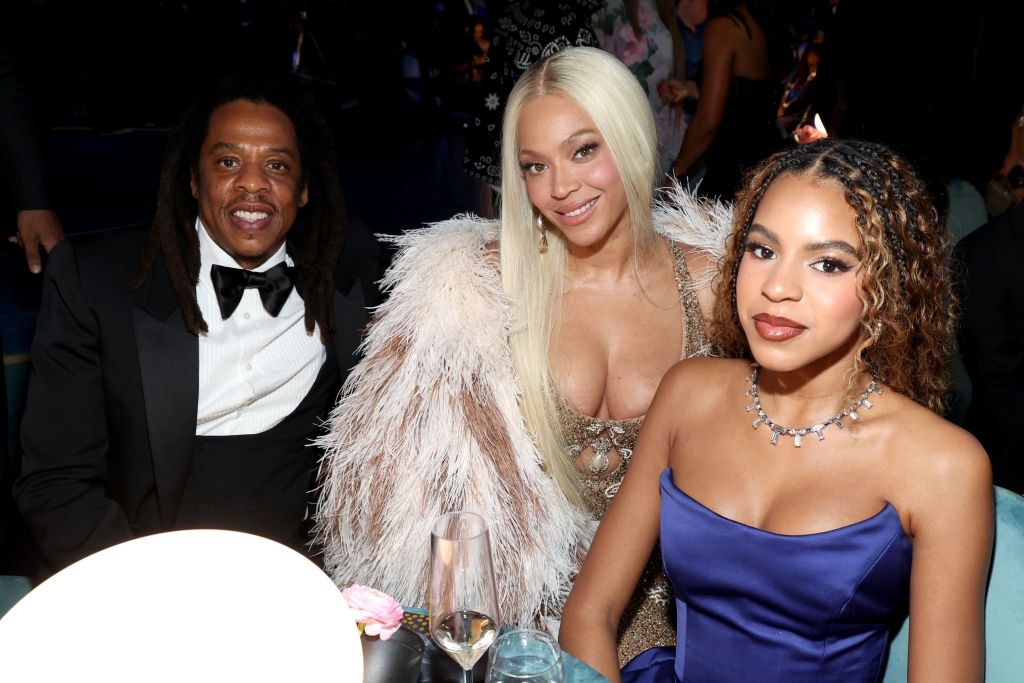
Beyoncé famously released Lemonade in 2016, where she exposed Jay-Z's infidelity after speculation that stemmed from the infamous elevator fight between her husband and Solange. After the public heard Bey's side of things, 4:44 was an apology album from Jay's perspective. On the project, Jay raps, "Look, I apologize, often womanize /  took for my child to be born to see through a woman's eyes / took for these natural twins to believe in miracles / took me too long for this song, I don't deserve you."

Jay-Z has long been a leader for Black equity and inclusion. I'm old enough to remember Fox News and Bill O'Reilly constantly using Jay (and other rappers) as an example of the "failures" of Black culture in the late '90s and early '00s. There was a very public, ongoing feud between Fox News and Jay, and it seemed rooted in a distaste for Black entertainers beginning to command and mold pop culture on a commercial level that had not been seen before, outside of mega stars like Michael Jackson or Prince.

For context, many fans feel that Jay-Z didn't seem to collaborate with or support J. Cole as other rappers might support their artists. A good example is Lil Wayne, who featured on endless Drake and Nicki Minaj songs when they were starting out to help boost their status. Jay has long been labeled as someone who doesn't support his artists, but he has always countered that by saying he wants those artists to have their own path without him being the "big brother" in the situation. With J. Cole, as the story goes, the young up-and-comer was having a hard time producing a single for his debut album, and Jay-Z kept shutting down the singles Cole was pitching. It took a while, but finally Cole and Jay settled on "Work Out," which helped launch Cole's commercial career. However, the back and forth of trying to find a single allegation strained the relationship between the two rappers from the jump.