yahoo Press
Why You Rarely Find Shed Antlers in the Woods, According to Experts
Images
1 / 10
2 / 10

3 / 10

4 / 10

5 / 10

6 / 10
7 / 10
8 / 10
9 / 10

10 / 10
The post Why You Rarely Find Shed Antlers in the Woods, According to Experts appeared first on A-Z Animals.

Most deer shed their antlers at the beginning of winter, just after breeding.

Many rodents and even caribou themselves will gnaw on deer antlers for their nutrients.

Female caribou are the only cervids that retain their antlers throughout the winter.

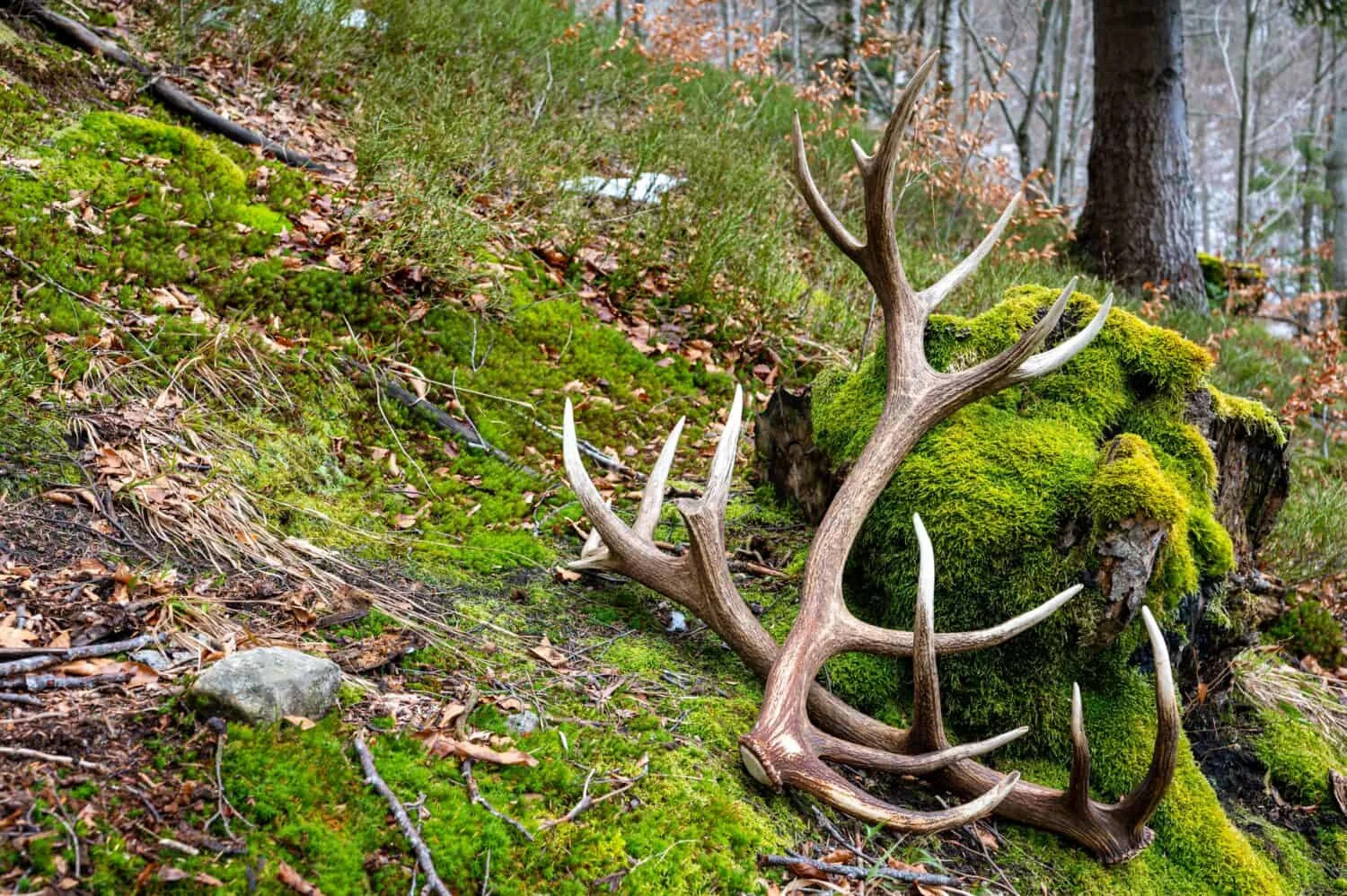
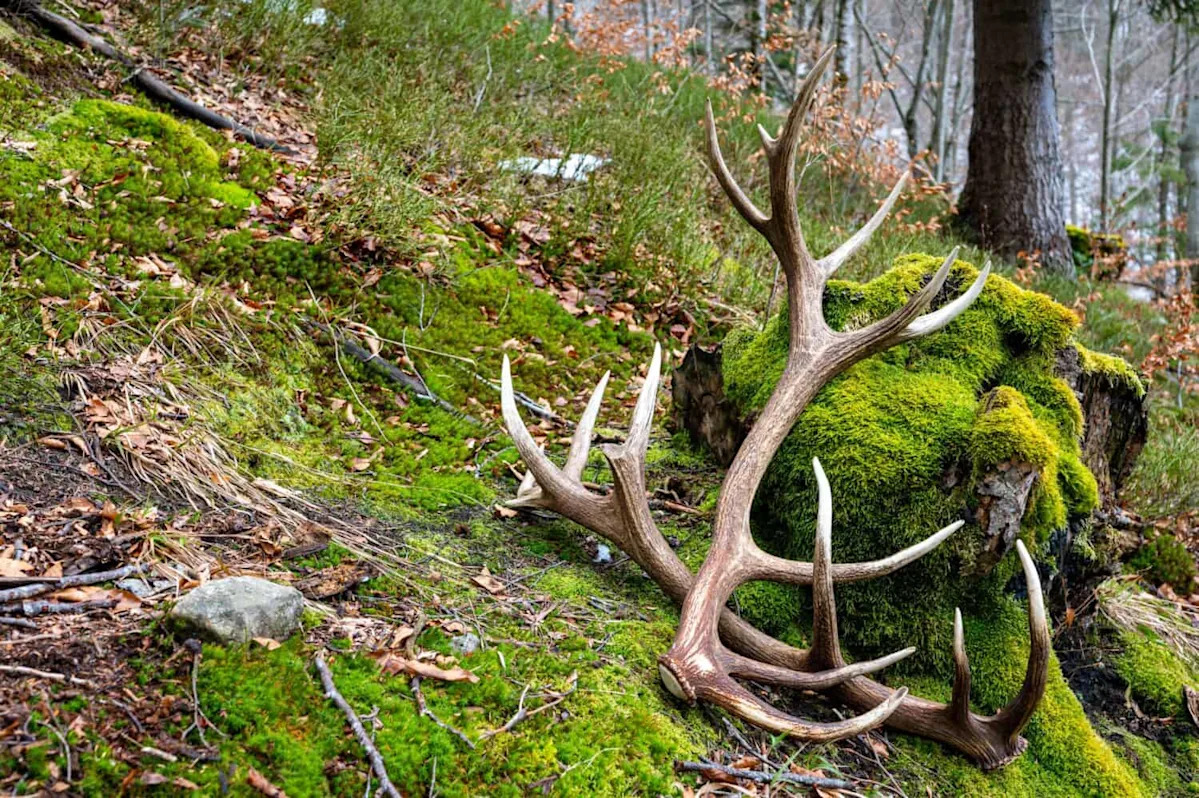
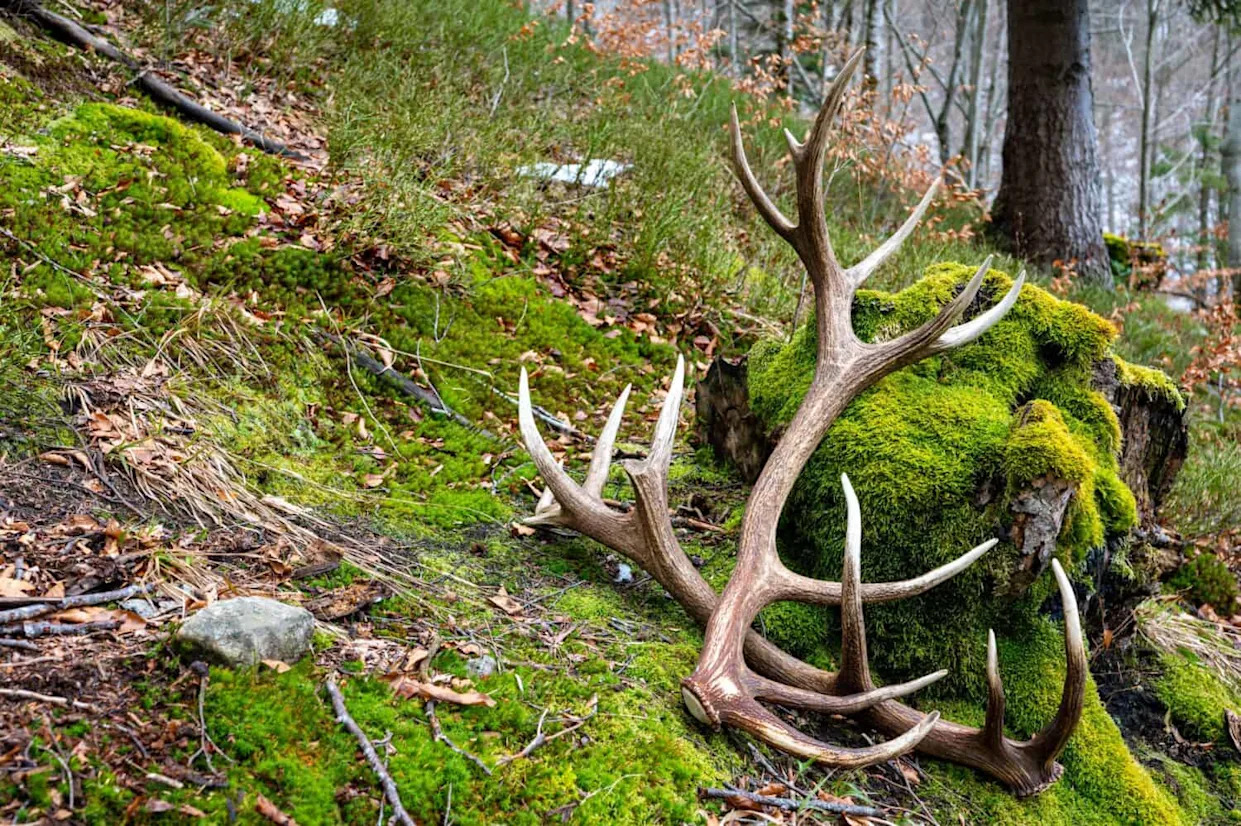
Did you know that most deer shed their antlers once per year, leaving behind their discarded branched bones for other wildlife to gnaw on? In fact, some hunters will even embark on an activity called shed hunting, where they search for these naturally shed antlers as a form of pre-season scouting.

Deer shed their antlers for a variety of reasons, but it’s typically a result of decreased testosterone after breeding season. The animal then grows a new pair in the months following the shed. Wondering what happens to antlers after they hit the ground? Keep reading to learn more about shed hunting and the ecological role these discarded bones play in the forest ecosystem.

Some researchers have proposed that females use their antlers to dig through the snow for food or to protect themselves against males.

Dr. Elic Weitzel, historical ecologist and adjunct faculty member at George Mason University

Shed hunting is a popular hobby for outdoor enthusiasts, allowing people to collect naturally shed antlers without having to hunt or harm an animal. Many people search for shed antlers during winter or early spring, when they’re more abundant. Still, it can be difficult to spot these sheds, as they’re a popular source of nutrients for other wildlife.

Some hunters also use shed hunting as a form of preseason scouting.

“Shed hunting is a fun outdoor activity, but it is also useful for hunters,” explains Dr. Elic Weitzel, historical ecologist and adjunct faculty member at George Mason University. “Deer hunters often collect shed antlers and use them for ‘rattling.’ Rattling mimics the sounds of fighting, allowing hunters to attract bucks during hunting season.”

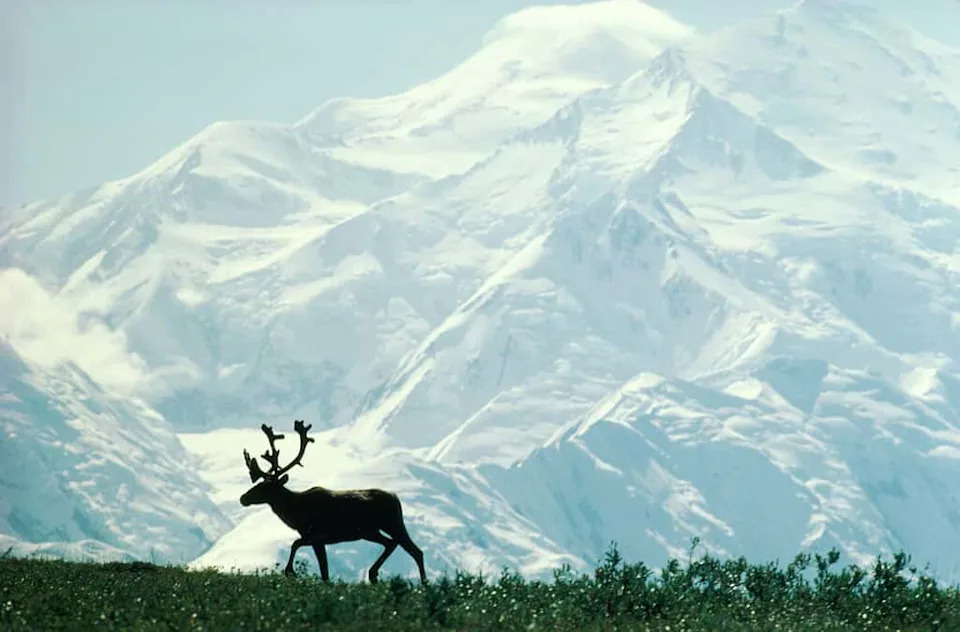
Female caribou are the only cervids that keep their antlers through the coldest months. This phenomenon is often referred to as “winter carry.” While males typically shed their antlers at the beginning of winter, most females retain theirs, helping them compete for and protect their food sources.

“There are lots of ideas as to why this is, but it’s still debated. Antlers function differently in male and female caribou, so they clearly use their antlers for different purposes,” says Weitzel. “Males grow larger antlers and shed them after the rut, which is consistent with the broader cervid pattern of male-male competition and signaling. Once the rut is over, they can shed their antlers and start regrowing them.”

Both male and female caribou have antlers, but females typically keep theirs throughout the winter.

©Art Wolfe/ via Getty Images

“Female caribou don’t drop their antlers until they give birth in the spring, so the antler function is likely related to calving, just as male antler function is related to the rut,” Weitzel continues. “Some researchers have proposed that females use their antlers to dig through the snow for food or to protect themselves against males.”

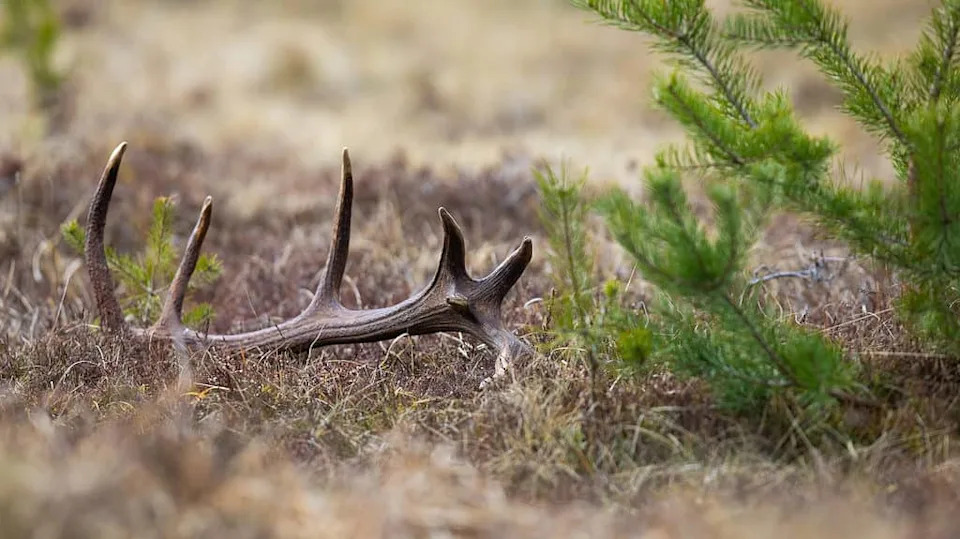
These discarded bones provide essential minerals to other wildlife. This is likely why we don’t see a forest piled high with antler sheds. Animals like squirrels, porcupines, and mice rely on antler shedding for essential calcium and minerals.

“Rodents love chewing on antlers because they’re a good source of nutrients like calcium and phosphorus,” Weitzel explains. “But these rodents also need to maintain their incisor teeth. Rodent incisors never stop growing, so they need to chew on hard objects to keep their size under control. Antlers, therefore, contribute nutrients, improving the health of the rodent, but also help to maintain their incisors.”

However, as it turns out, rodents aren’t the only ones who benefit from these sheds. In fact, recent research found that caribou themselves gnaw on their own set of antlers.

“A recent study that just came out last month in the journal Ecology and Evolution suggests that female caribou actually benefit from osteophagy (bone consumption) just like rodents do,” Weitzel explains. “That team of researchers found that most of the gnawing marks on shed caribou antlers actually didn’t come from rodents, but from caribou themselves.”

Deer will often shed their antlers in a field or forest, especially during wintertime.

©Wild Media/Shutterstock.com

A whopping 86.4% of shed antlers were modified by animals, the researchers wrote. Of that statistic, caribou were the dominant modifiers (99%), then rodents (3.5%). Carnivoran modifications, on the other hand, were rarely observed.

This might be another reason why female caribou keep their antlers throughout their pregnancy, while males shed at the beginning of winter.

“It seems like female caribou might maintain their antlers as nutrient stores over the harsh arctic winters and then consume them when they give birth,” Weitzel explains. “This allows them to benefit from the minerals in antlers, like calcium and phosphorus, but also the protein from collagen.”

The post Why You Rarely Find Shed Antlers in the Woods, According to Experts appeared first on A-Z Animals.