Press
The cutthroat battle for the US weight-loss drug market
Images
1 / 10

2 / 10
3 / 10
4 / 10
5 / 10
6 / 10
7 / 10

8 / 10
9 / 10

10 / 10
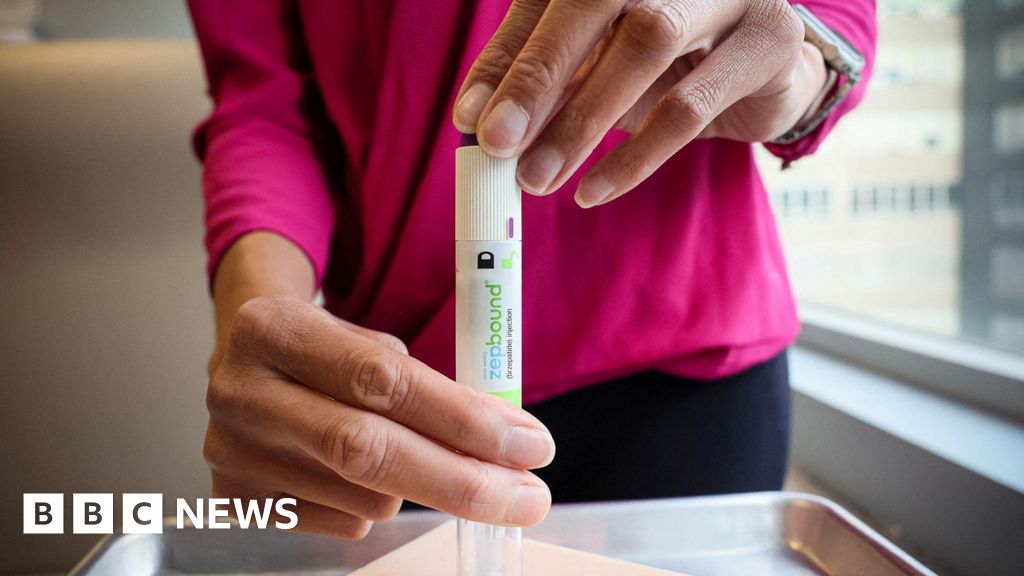
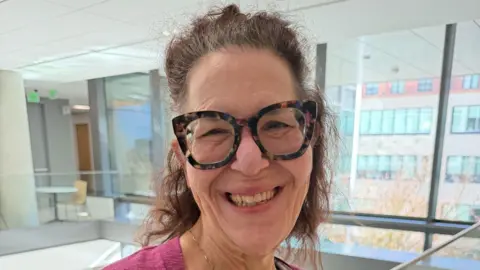
When Ruth Gonzalez decided to start taking the weight-loss medicine Zepbound last year, she first had to find a way to afford its roughly $350 (£260) monthly cost.

Gonzalez switched her mobile phone plan, dropped all but one of her streaming subscriptions, limited her grocery spending and cut out Starbucks.

The 56-year-old, who is self-employed and pays out of her own pocket because her health insurance does not cover weight-loss drugs, says the financial sacrifices have been worth it.

The spike in her blood pressure, which had scared her into seeking a prescription, was back to normal within six weeks. She has also lost more than 40lb (18kg), dropping her weight to 175lb (79kg), which she is hoping will help her with subsequent diagnoses of sleep apnea and incipient fatty liver disease.

Perhaps more unexpectedly, some of her financial strains have also started to ease.

In December, Zepbound-maker Eli Lilly lowered the price of its vials by $50-$100 (£37.50-£75), allowing her to start taking a more powerful, and expensive, dose. Now she is eyeing new options, including an even lower-cost weight-loss pill the company is expected to launch in the coming months.

"For someone on a fixed budget, it is absolutely helpful," she says.

The price cuts helping Gonzalez have caught attention in the US, where prescription medications are notoriously expensive.

They reflect a cutthroat competition occurring between weight-loss drugmakers in the US, as they look to capitalise on a potential sales bonanza in the country, where the obesity rate among adults is roughly 40%.

Normally, such battles would occur behind closed doors, as manufacturers, insurance companies, employers and other firms furiously negotiate coverage, rebates and other factors, before presenting the final bill to patients.

But in the case of weight-loss drugs, known as GLP-1s, many private and government insurers have baulked at the potential costs and refused to cover the medicines solely to treat weight.

That has left millions of people in the US, like Gonzalez, paying for them on their own and pushed pharmaceutical firms to seek and compete for customers like a regular retailer.

They have launched direct-to-consumer sales websites, struck distribution deals with retail giants such as Walmart and Costco, and launched court battles against off-label rivals.

Perhaps most importantly, the firms have slashed their prices.

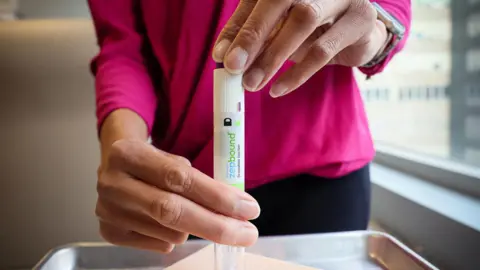
A starting dose of Wegovy is now available to self-pay patients for just $149 a month, compared with a list price of more than $1,600 a month when it first launched in the US in 2021. Vials of Lilly's Zepbound start at $299 a month, down from more than $1,000 when it launched in 2023.

Though prices remain higher than in many other parts of the world, they are expected to continue to fall in the years ahead, as patents expire and new offerings enter the market, including lower-priced alternatives like pills.

The price drops have stirred interest in whether the direct-to-consumer model might help bring down the country's high drug costs, as it makes pricing less opaque and squeezes out "pharmacy benefit managers", or PBMs, who negotiate drug prices between manufacturers and health insurance plans.

"What it does is highlight some of the lack of transparency," says economist Alison Sexton Ward, a senior scholar at USC. "So... it is pushing this idea of direct-to-consumer."

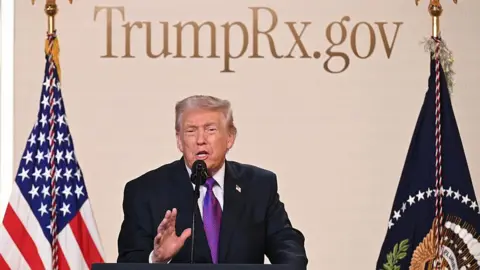
President Trump is among the most high-profile policymakers to throw his weight behind the idea. In February, the White House launched a new website TrumpRx, which routes customers directly to drug manufacturers for a select group of drugs.

Drugmakers, who have long blamed PBMs for driving up US medicine costs, have also been receptive, expressing interest in exploring direct-to-consumer sales for other kinds of drugs.

But it remains far from clear that the competitive dynamics driving down prices for GLP-1s apply to other kinds of medicines, where demand is more limited and there are fewer companies vying for the market.

In the case of weight-loss drugs in particular, drugmakers have been contending with an off-label industry in the US that popped up legally in response to shortages and has been tough to stamp out.

Experts say for most people, using health insurance to pay for medicine will make more sense financially than buying it directly.

"Hopefully this will drive additional consumer awareness of the drivers of the high costs of medication," said Michael Murphy, a professor of clinical pharmacy at Ohio State University. But he added: "We need to see further, more fundamental solutions be employed to actually bring down costs overall to the system."

After all, even with price cuts, weight-loss drugs remain out of reach for many.

Shekinah Samayah-Thomas says she has been trying to stretch out her remaining supply of Wegovy since January, when California's medicaid programme stopped covering it for weight loss.

The 62-year-old, who had bariatric surgery in 2017 after topping 330lb (150kg), says the medicine has been critical to helping her keep off the weight, which had started creeping back up since the surgery.

Her requests for coverage have been denied, despite a diagnosis of sleep apnea.

Now that both she and her husband are out of work, she says it would be hard to afford even the $25 a month she used to pay, when she was able to combine the price she received - thanks to insurance from her husband's former employer - with a manufacturer's coupon.

"I don't have it," she says.

Health advocates remain focused on pushing insurers to expand coverage, maintaining that the rough-and-tumble of the free market is not the best way to get medicine into the hands of those who need it - just those who can afford to pay.

From that perspective, the Trump administration's decision to have Medicare start covering the drugs on a trial basis in July could end up being much more meaningful, says Tracy Zvenyach, vice president for advocacy and research at the Obesity Action Coalition, adding that she is hopeful it will influence private insurers to follow suit.

"Direct-to-consumer options today are serving as a short-term solution," she says. "But I do not want them to deter from the overall goals of general, standard coverage of treatments for obesity."

Is there the political will to fix the US health horror stories?

He allegedly told jail officers that he had paperwork "signed by a judge" to free the accused killer, a complaint states.

More than 20 million Americans are preparing for steeper healthcare costs in the New Year because of expiring subsidies.

The monthly cost of health insurance could rise by 114% on average, according to health research non-profit KFF.

Immigrant doctors, many of them from India, are the lifeline of the US healthcare system, especially in rural areas.