yahoo Press
Dollar scarcity in Venezuela forces small firms to raise prices, turn to crypto
Images
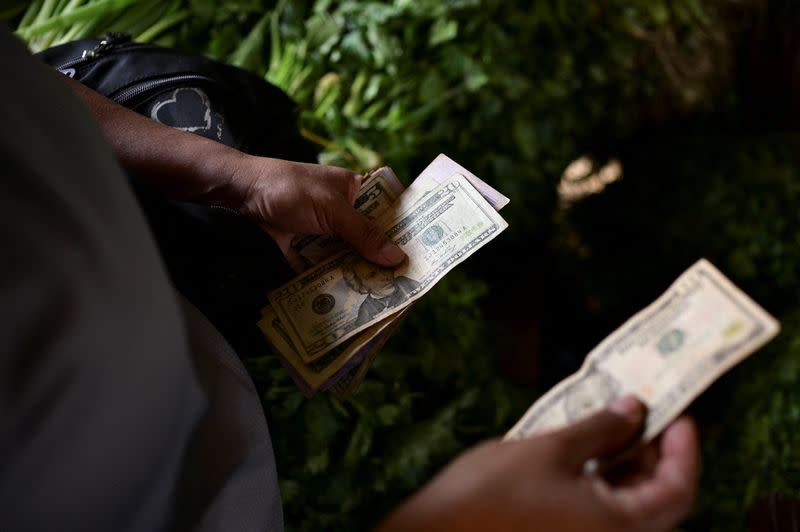
1 / 4
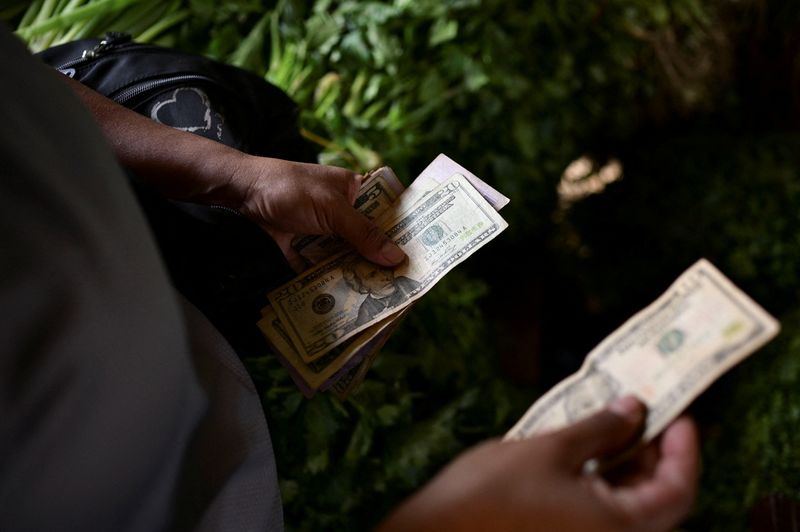
2 / 4

3 / 4

4 / 4
March 23 (Reuters) - In central Venezuela, the owner of a mid-size pharmaceutical factory scrambles to obtain dollars to import chemicals and other ingredients for his headache and fever remedies. But he, like many other Venezuelan business owners, is frequently unsuccessful. The hurdles include an official system for allocating U.S. currency that disfavors small and medium companies and an ongoing shortage of dollars, despite government promises of improvement. "You don’t know at what cost you’ll be able to restock your goods because you don’t know when you’ll be able to buy foreign currency or at what exchange rate," the businessman said. "The bolivars you receive from sales keep losing value due to inflation .... In the middle of all this, you still have to try to keep production going." The owner, who asked not to be named, said his bids for dollars in official auctions were rejected three times without explanation. So he has had to turn to unofficial markets, where the exchange rate is less favorable. That has forced him to increase the prices of his medications to cover costs. He is not alone. Reuters interviews with 10 people who run Venezuelan businesses or work in the financial sector found these complaints were common. In fact, 58% of medium-sized Venezuelan business owners said lack of foreign currency was an obstacle to production in a survey by private manufacturing trade association Conindustria last month. Using cryptocurrency is another workaround for business owners to buy imported goods. SANCTIONS IMPOSE BARRIERS Because of sanctions, Venezuelan banks are largely cut off from the global financial system, making wire transfers and international payment platforms inaccessible. Instead, dollars earned from the country's oil exports are auctioned off by local banks with allocations determined by the central bank and foreign correspondent banks. Neither the communications ministry, which takes all press inquiries for the government, nor the central bank responded to requests for comment. Increased oil sales after the U.S. ouster of President Nicolas Maduro in January, stabilization of an economy plagued by hyperinflation and potentially greater U.S. investment should make dollars more plentiful. But local analysts calculated fewer dollars are available for auction now than a year ago, with auctions from mid-January through early March totaling $1.3 billion, 13% less than the same period in 2025. “The auctions have been very limited, reaching only a few companies, and are discretionary,” said a businessman in the chemical sector. He turned to the unofficial exchange market to buy foreign currency after having his bid rejected in every auction over the last two months without explanation. Due to the weaker exchange rate in the unofficial market, he has been forced to raise prices on products used to manufacture paints, coatings and other goods, a phenomenon that has contributed to Venezuela's inflation rate of 600%. According to five sources, large food, healthcare, beverage and chemical companies are getting preferred access to dollars in the auctions. That means many medium-sized firms including drug and chemical manufacturers, plastics producers and technology suppliers are leaving the auctions empty-handed. The shortage of hard currency for small and medium enterprises could stymie Venezuela's economic recovery because these companies provide services and inputs to large businesses, said Conindustria President Tito Lopez. “Without a regular supply of foreign currency, you cannot guarantee market stabilization. You cannot sustain economic activity without sufficient financial input," one analyst said. The United States has urged increased investment in Venezuela's oil, gas and mining sectors since Maduro was replaced by acting President Delcy Rodriguez, and Washington carried out $2 billion in crude sales. TURNING TO CRYPTOCURRENCY During a March visit to Caracas, U.S. Interior Secretary Doug Burgum heralded steps he said were being taken to increase capital inflows and help stabilize the local bolivar currency. “Anything we can do to help create a stable currency where citizens are not affected by the negative effects of hyperinflation would be very positive,” Burgum said. Small and mid-sized companies also face difficulty passing screening by foreign correspondent banks, which scrutinize Venezuelan transactions closely and want more background information on these potential clients, and reviews by the central bank, sources said. Cryptocurrencies have offered a lifeline for Venezuelan businesses in the past, and some businesses are reluctantly turning to them again. “Those of us who don’t go to the auctions go to the other market,” one businessman said, referring to crypto. He said he had hoped a greater inflow of foreign currency would mean crypto would be used only in emergencies, but that has not been the case. (Reporting by Reuters; Editing by Cynthia Osterman)