yahoo Press
Are Your Investments Prepared for a Recession? Here's How to Tell.
Images
1 / 5
2 / 5

3 / 5

4 / 5
5 / 5
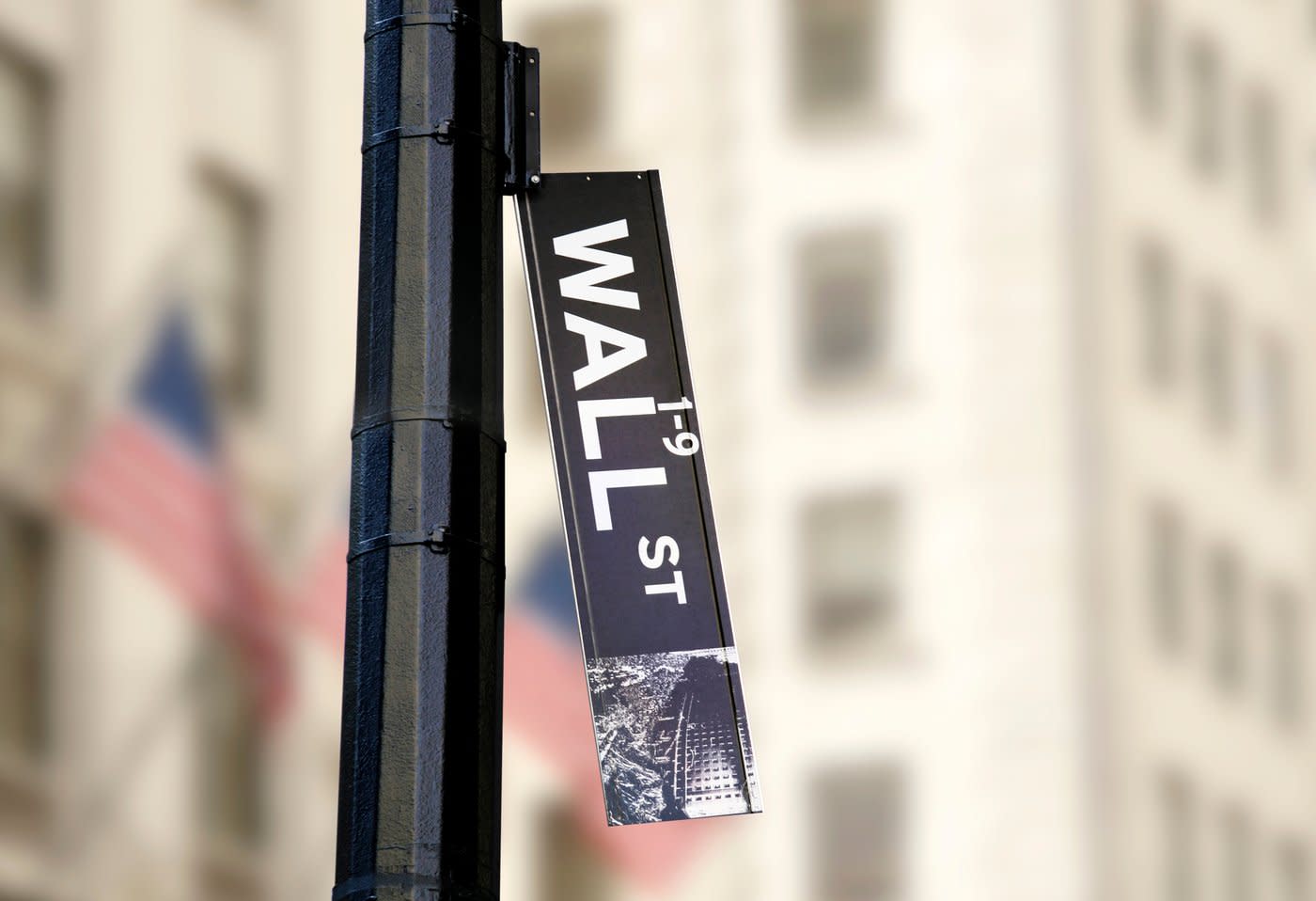
Surging oil prices have been rattling markets in recent weeks, with the S&P 500 dipping by close to 5% since the beginning of the year, as of this writing. Just over half of investors also worry that stock prices will fall further in the next six months, according to a March 2026 survey from the American Association of Individual Investors.

It's unclear right now whether the U.S. is headed toward a bear market. However, now is the ideal time to review your portfolio to ensure it's well positioned for potential volatility. Here are three signs your investments are likely to pull through a recession.

Will AI create the world's first trillionaire? Our team just released a report on the one little-known company, called an "Indispensable Monopoly" providing the critical technology Nvidia and Intel both need. Continue »

Diversification is key during a recession or bear market. If you're only investing in a handful of stocks and one or two of them crash and burn, it could take a major toll on your overall portfolio. Similarly, if the majority of your stocks or funds are from just one industry, that substantially increases your risk.

A properly diversified portfolio will include at least 25 stocks across multiple market sectors, making it less likely that a single stock or industry will sway your portfolio's performance.

If you're looking for quick and easy diversification, a broad market index fund or exchange-traded fund (ETF) can provide loads of variety in just one investment. An S&P 500 ETF, for example, contains stocks from 500 companies across all industries, creating instant diversification.

The most recession-resistant stocks are from companies with healthy foundations. Companies that are all hype and no substance may appear to thrive when stock prices are surging, but they'll struggle to stay afloat during periods of economic instability.

Some industries are better positioned than others to weather volatility, as consumers will generally continue to buy essentials no matter what the economy is doing. But the strongest companies will also have a competitive advantage that separates them from the pack, as well as robust financials to survive prolonged downturns.

Keep in mind that even the healthiest companies often see their stock prices stumble during recessions, and that's normal. But those with solid underlying fundamentals are more likely to bounce back.

While it may sound counterintuitive, sometimes the best thing you can do for your investment portfolio is to keep at least some of your money out of the market.

Emergencies happen, and the last thing you want is to have to pull money from your investment account after stock prices have plunged -- and sell your stocks for less than you paid for them. When you have at least some money in an easily accessible savings account, you can leave your investments alone and prevent losses.

If you can swing it, it's still wise to continue investing throughout a recession. Buying when stock prices are lower can save you money immediately and set you up for lucrative returns during the market's recovery. But if you don't have an emergency fund, it's wise to focus your attention there first.

It's a daunting time to be an investor, so if you're nervous about a potential recession, you're not alone. The more you can do right now to protect your portfolio, however, the better off you'll be.

Ever feel like you missed the boat in buying the most successful stocks? Then you’ll want to hear this.

On rare occasions, our expert team of analysts issues a “Double Down” stock recommendation for companies that they think are about to pop. If you’re worried you’ve already missed your chance to invest, now is the best time to buy before it’s too late. And the numbers speak for themselves:

Nvidia: if you invested $1,000 when we doubled down in 2009, you’d have $447,961!*

Apple: if you invested $1,000 when we doubled down in 2008, you’d have $47,222!*

Netflix: if you invested $1,000 when we doubled down in 2004, you’d have $495,179!*

Right now, we’re issuing “Double Down” alerts for three incredible companies, available when you join Stock Advisor, and there may not be another chance like this anytime soon.

See the 3 stocks »

*Stock Advisor returns as of March 23, 2026

The Motley Fool has a disclosure policy.

Are Your Investments Prepared for a Recession? Here's How to Tell. was originally published by The Motley Fool