yahoo Press
The fallout from oil's surge is spreading as forecasts for crude keep rising
Images
1 / 6
2 / 6

3 / 6

4 / 6

5 / 6

6 / 6
The fallout from the surge in oil prices over the last three weeks is beginning to ripple more broadly through the global economy as higher energy costs raise pressure on businesses — and analyst forecasts are only climbing.

Futures on Brent crude (BZ=F), the international benchmark, and US benchmark West Texas Intermediate (WTI) (CL=F) have soared since the outbreak of conflict in the Middle East. Both now trade more than 40% higher than they did a month ago after briefly climbing even higher. Brent is holding steady over $100 per barrel, while WTI is trading in the mid-$90s.

Read more: How oil price shocks ripple through your wallet, from gas to groceries

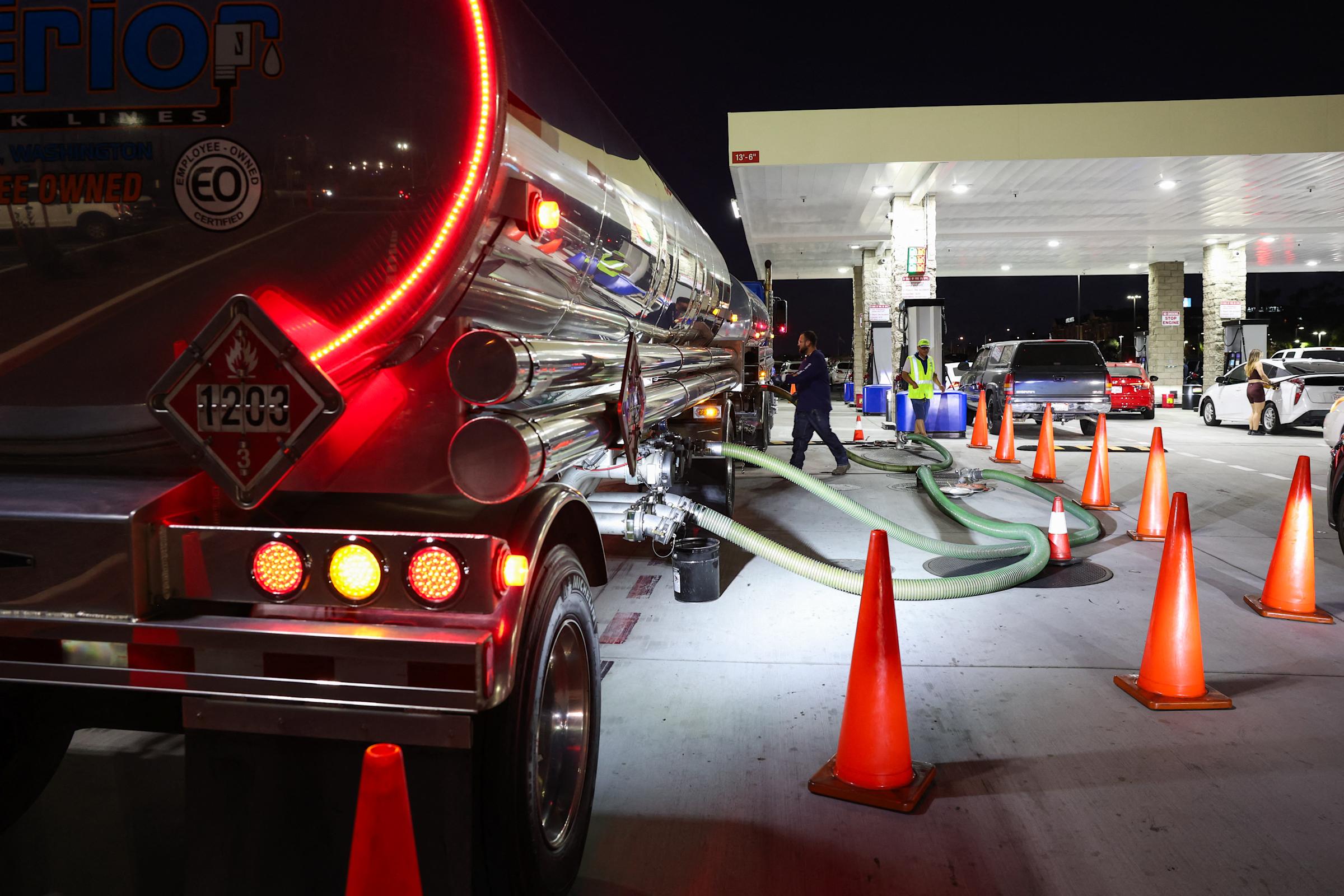
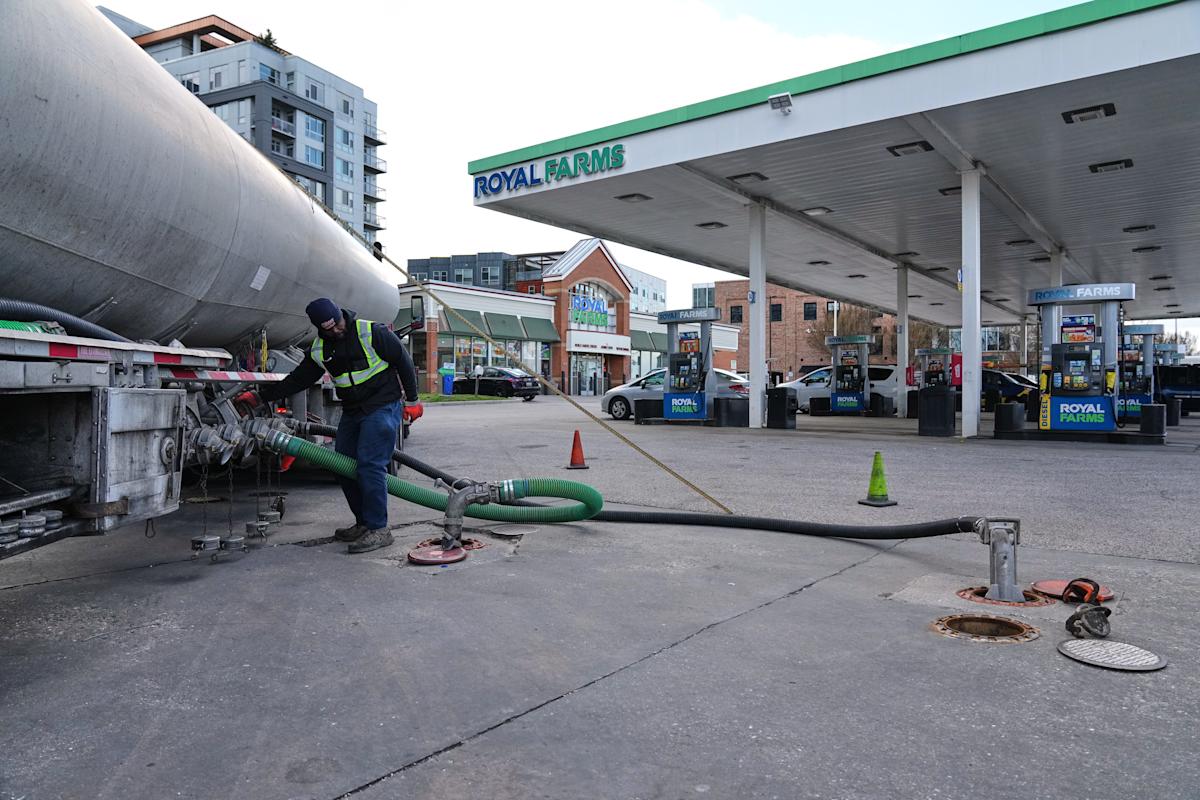
Prices on so-called "refined" products made from crude oil — gasoline, diesel, jet fuel, and others — have climbed even higher, putting pressure on a collection of market sectors.

Just as roughly a fifth of the world's oil and liquefied natural gas (LNG) flow through the Strait of Hormuz to reach the international market, the Middle East is also a major hub for refining. Roughly 900,000 barrels per day (bpd) of diesel and gas oil, and roughly 350,000 bpd of jet fuel, come from the Gulf, according to data from Vortexa — good for around 10% and 20% of global seaborne supply, respectively.

Airlines are among the most directly exposed. Jet fuel is typically one of the largest operating expenses for carriers, and the recent rally in crude has driven up the cost of the jet fuel used to power the planes used for commercial flights. Higher fuel bills can quickly squeeze profitability, particularly for airlines that have limited hedging in place or operate in highly competitive markets where ticket prices are harder to raise.

Front-month jet fuel swap prices in the US Gulf Coast — a key benchmark used by airlines to gauge fuel prices — have nearly doubled over the past month, to trade above $423 per gallon from roughly $229 a month ago, according to Bloomberg data. Delta Air Lines (DAL) CEO Ed Bastian said the airline expects jet fuel to add $400 million in costs through March alone.

"This will certainly change business plans, particularly the lower and the more closer you are to having difficulty recovering and being impacted by that spike," Bastian said at an industrials sector conference hosted by JPMorgan.

Bastian noted that airlines are already raising the fuel surcharges and base fare prices that customers pay, noting that it's "something that we've got to cover to maintain our margins."

American Airlines (AAL) CEO Robert Isom said at the same event that American expects a $400 million increase in costs in the first quarter from the effects of heightened jet fuel prices, and that the airline's first quarter would've been profitable if not for the fuel run-up.

Pressure is also building in the diesel market throughout freight and logistics networks. Diesel, where prices have moved faster than crude, forms the backbone of the US freight shipping industry, raising transportation expenses for manufacturers, retailers, and agricultural exporters that are eventually passed on to the consumer.

The national average price for diesel crossed $5 per gallon for the first time since 2022 earlier in March after sitting below $3.80 before the war broke out, according to Bloomberg data. Bank of America analyst Lorraine Hutchinson wrote in a recent client note that diesel prices "show up quickly" for domestic trucking, squeezing margins for any business that relies on the US trucking industry to transport goods across the country.

Bank of America analyst Ken Hoexter noted on Thursday that the transportation equities he covers have pulled back an average of 12% since the outbreak of the war, following a "strong start to 2026 where Transports were previously up 20.1%."

At the same time, analysts are growing more concerned that the supply shock driving prices higher could prove longer-lasting than initially expected. Damage to energy infrastructure and disruptions to key shipping routes have led several forecasters to warn that crude could climb further if flows remain constrained.

"While elevated fuel costs ... would typically be considered a temporary pass-through eventually made up from higher fuel surcharge revenue, we believe the potential for a prolonged conflict has raised concerns for near-term demand destruction," Hoexter said.

Just as for the oil and gas industry itself, the key question for buyers of refined products like jet fuel is duration: Just how long will the conflict last, how long will it continue to disrupt global flows — and how high will prices go?

According to energy officials and Wall Street strategists, they could go much higher. Saudi Arabian officials are now projecting $180 per barrel Brent contracts if disruptions in the region go on through late April, the Wall Street Journal reported.

On Wall Street, Citi head of global commodities Maximilian Layton wrote in a recent note that under the bank's base case of four to six weeks of disrupted flows, Brent contracts could reach $110 to $120. If the conflict were to last into June, Layton wrote, prices could reach as high as $200, far above Brent's all-time high price of around $147.

For businesses depending on refined products, higher oil costs will mean even higher prices on jet fuel, gasoline, diesel, and a host of other oil derivatives.

"When you double your No. 1 or No. 2 cost item in your P&L almost overnight, [that has] significant impact," Delta's Bastian said.

Jake Conley is a breaking news reporter covering US equities for Yahoo Finance. Follow him on X at @byjakeconley or email him at jake.conley@yahooinc.com.

Click here for in-depth analysis of the latest stock market news and events moving stock prices

Read the latest financial and business news from Yahoo Finance