buzzfeed Press
14 Fire Safety Items You Should Always Have In The House
Images
1 / 18

2 / 18

3 / 18
4 / 18
5 / 18
6 / 18
7 / 18
8 / 18
9 / 18
10 / 18
11 / 18
12 / 18
13 / 18
14 / 18
15 / 18
16 / 18

17 / 18
18 / 18
We hope you love our recommendations! While every product is independently chosen by our editors, BuzzFeed and our publishing partners may collect a share of sales or other compensation from the links on this page. You can read more about how our affiliate partnerships work in our Editorial Standards & Ethics Guide.

Fire experts share how to prepare for a house fire or wildfire.

Jon Heggie, a retired division chief at the California Department of Forestry and Fire Protection (CAL FIRE) defines home wildfire preparedness as “having all the things readily available if you are asked to evacuate.” Heggie is currently a project advisor at San Diego Gas & Electric, where he specializes in operational field and emergency readiness.

While this can mean an already packed to-go bag containing things like extra clothes, food, water and medication, Heggie says it’s also helpful to just keep a running list of where your important documents and sentimental items are around the house.

“We don’t want people to live in a constant state of fear and being packed, ready to go,” Heggie said. “But having that, you know — insurance papers, hall closet. Pictures, pick ’em up here. Know where those items are throughout your house to be able to grab and go at a moment’s notice.”

While planning and preparing can’t stop emergencies from happening, having the supplies you need and some sense of direction can keep you and your family safer during a catastrophe. This is the case for home fires, too, according to Michael Kozo, New York City Fire Department (FDNY) captain and commanding officer of the FDNY’s Fire Safety Education Unit.

Home fire safety “isn’t as simple as having a ‘go bag,’” Kozo told us. “We’re talking a little bit more about preparedness in terms of fire safety education. It’s all about having an escape plan in your home. Have everybody in your home sit down together and go over an escape plan. Then you practice it.”

Per Kozo, the number one way to be prepared for a home fire is to have working, regularly tested smoke alarms in every room of your house. He recommends checking the batteries once a month as well as brushing them off to make sure dust doesn’t get stuck in them.

"The number one thing where we can all start with being prepared in our home for fire is smoke alarms," Kozo said. "There are quite a few statistics out there that say that having and maintaining working smoke alarms reduces your chances of dying in a fire by 50%. The number one thing we advocate and insist is that people have working smoke alarms in every room."

After installing a fire alarm in every room of your home, Kozo recommends testing each alarm once a month. "You still have to test it monthly, make sure that it's working properly, make sure that there's no dust in there," he said.

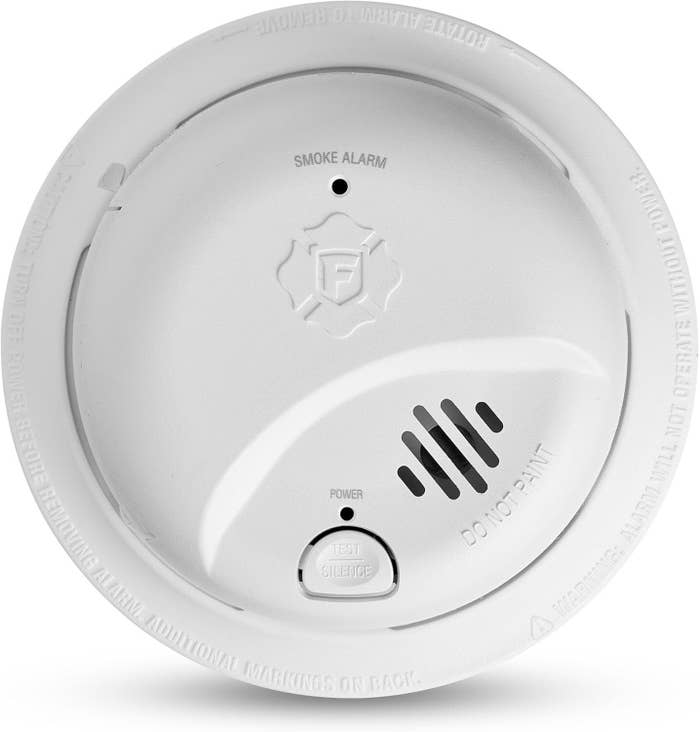
This 120-volt AC smoke detector comes with a 9-volt battery and a 10-year limited warranty. You can purchase a single alarm or, on Amazon, get a pack of three, six or 12.

When a fire emergency strikes, you don't have time to collect your valuables from different drawers. To give you peace of mind and to help you leave the building as quickly as possible, Krista Farley Raines, regional communications director for American Red Cross Central Appalachia Region, recommends storing important items in a fire-proof safe that can be recovered after the fire is put out. Instead of having one more thing to look for, grab and take with you out of the burning house, you can make sure you and your family are safe, knowing your jewelry and old photos will be protected as well.

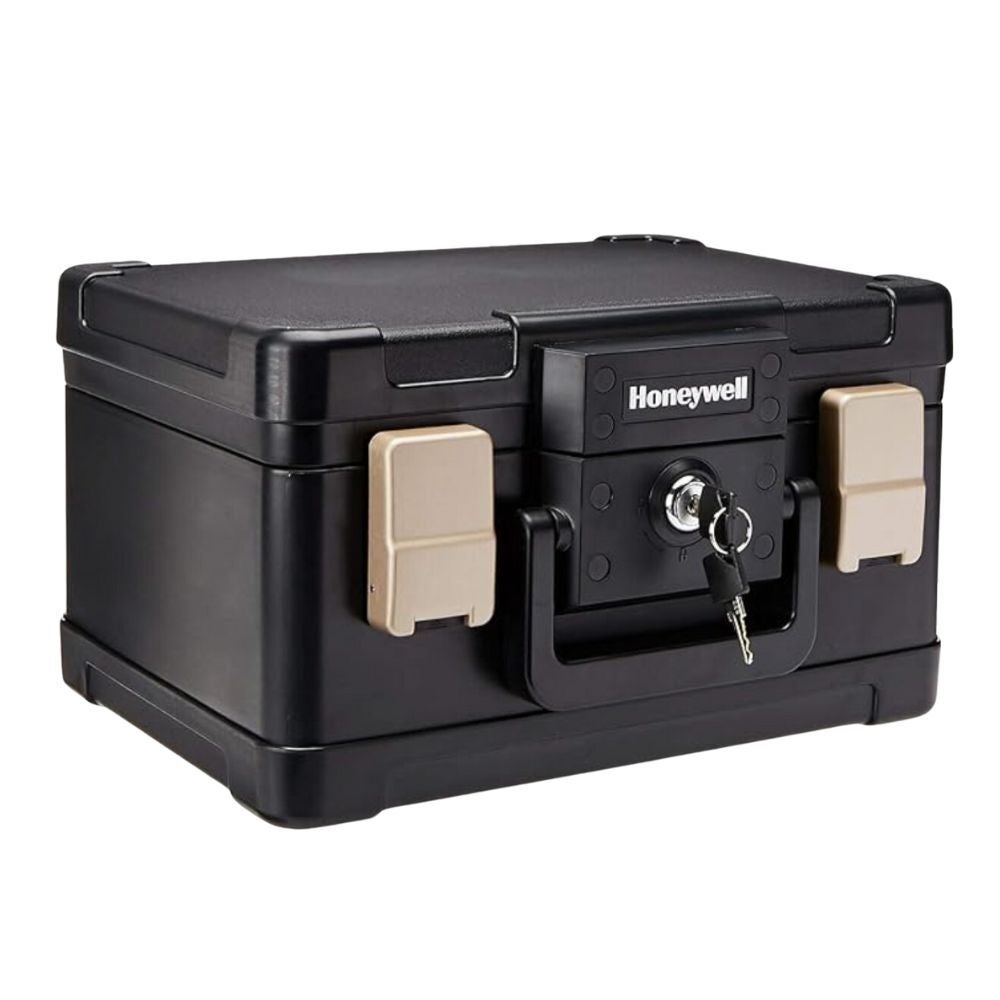
This safety box is fireproof and waterproof; it can hold letter and A4 size documents lying down.

Based on the product's UL rating, the interior contents will remained protected for up to 30 minutes when the box is heated to 1,550 degrees.

Get it from Amazon for $39.94+ (also available in teal).

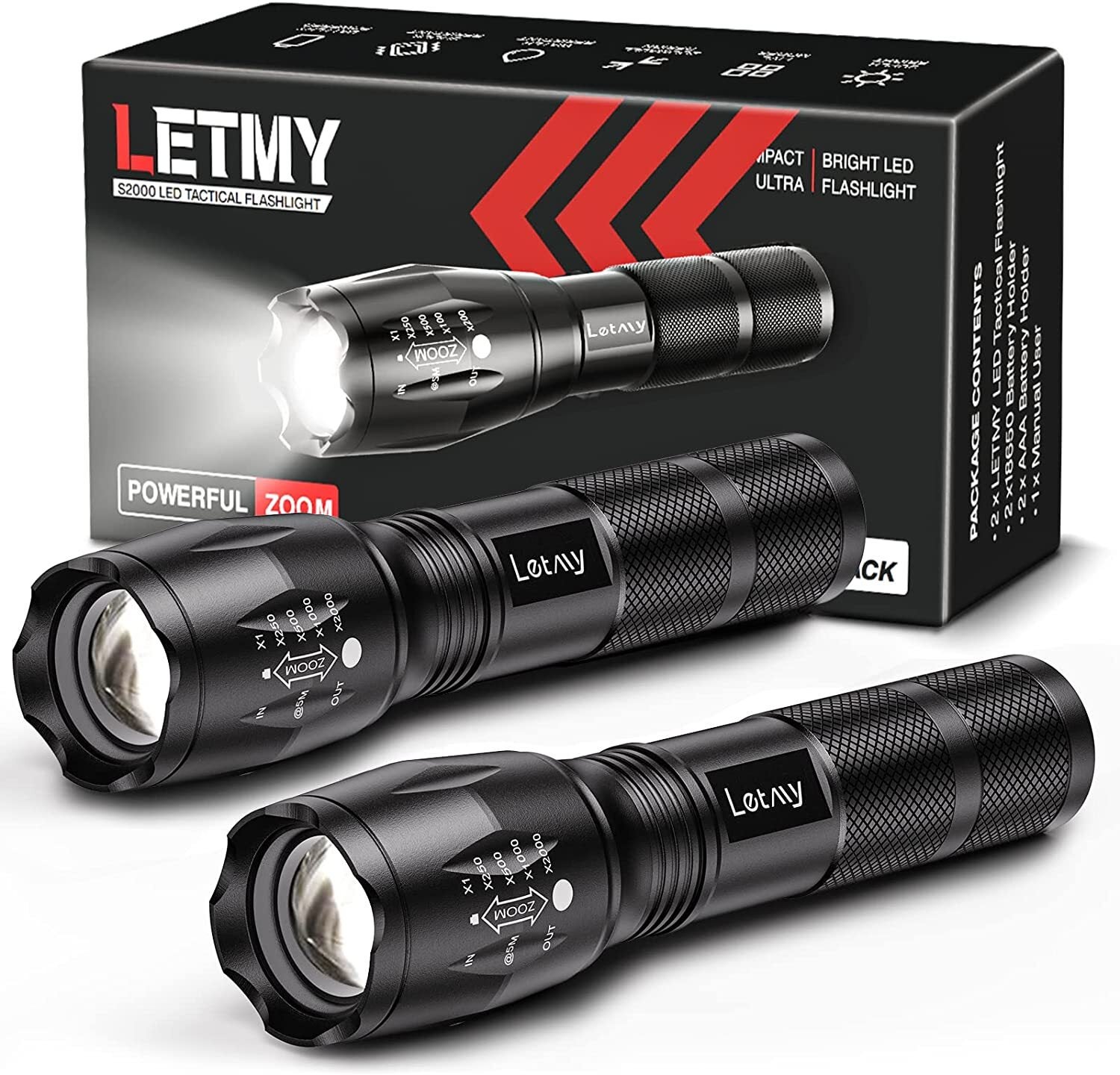
Per Heggie, flashlights are useful in any sort of emergency, especially if a fire happens at night. This set comes with two high-powered, waterproof flashlights. Heggie says to make sure you have extra batteries for the flashlights and other devices you may need.

Get them from Amazon: a two-pack of flashlights for $8.99 and an eight-pack of AAA batteries for $6.79.

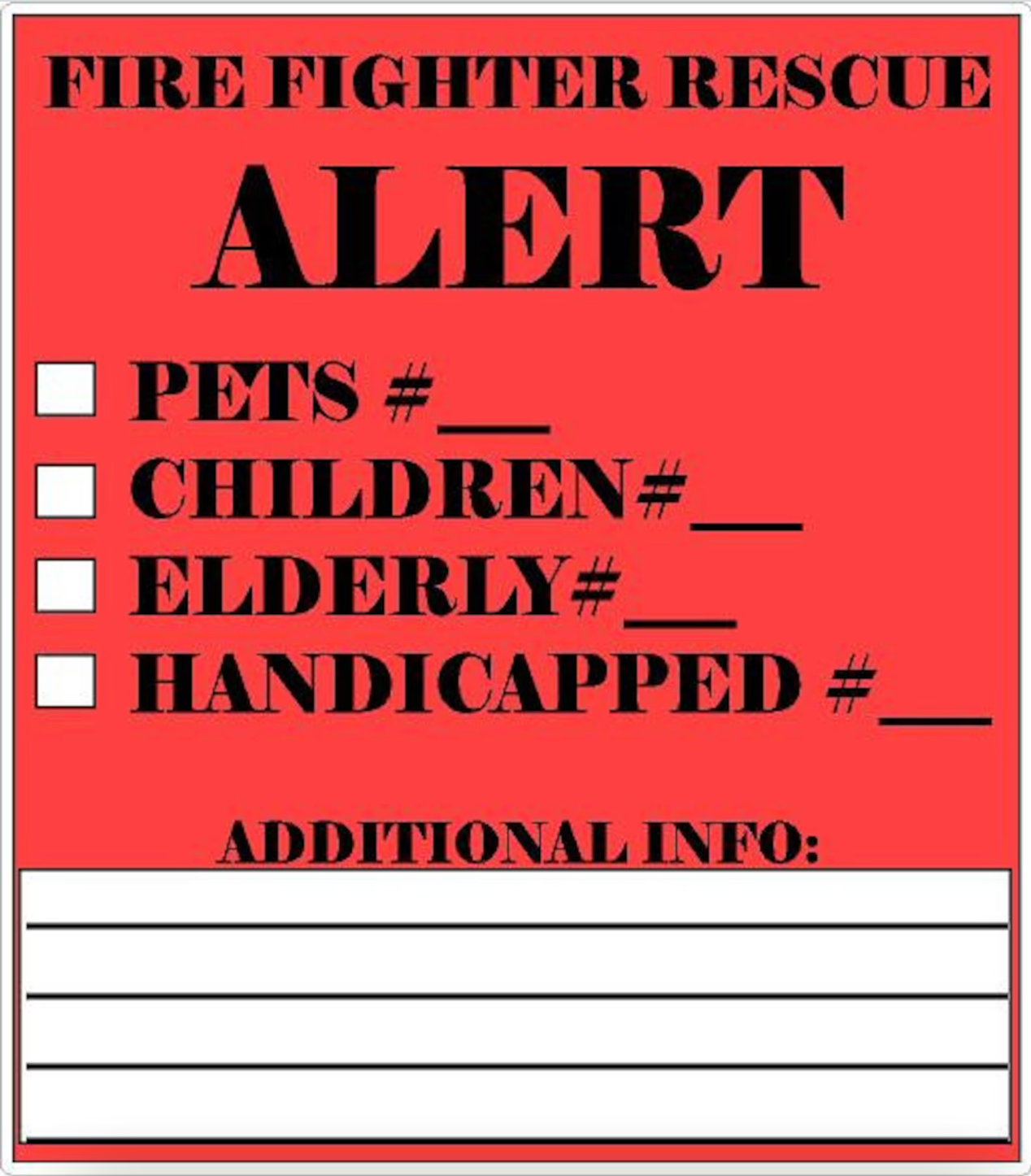
This fire rescue alert is a matte vinyl sticker that comes in five sizes and two material options. During a fire, you may not have time to clearly communicate who else is in your home. Farley Raines says putting firefighter rescue alert stickers on your outside windows and doors can instruct the team on who may still need to be rescued. "Firefighter rescue alert stickers placed on windows help firefighters locate children, the elderly, disabled residents and pets," she said.

Get it from PhoenixGraphicsDecal on Etsy for $4.25+.

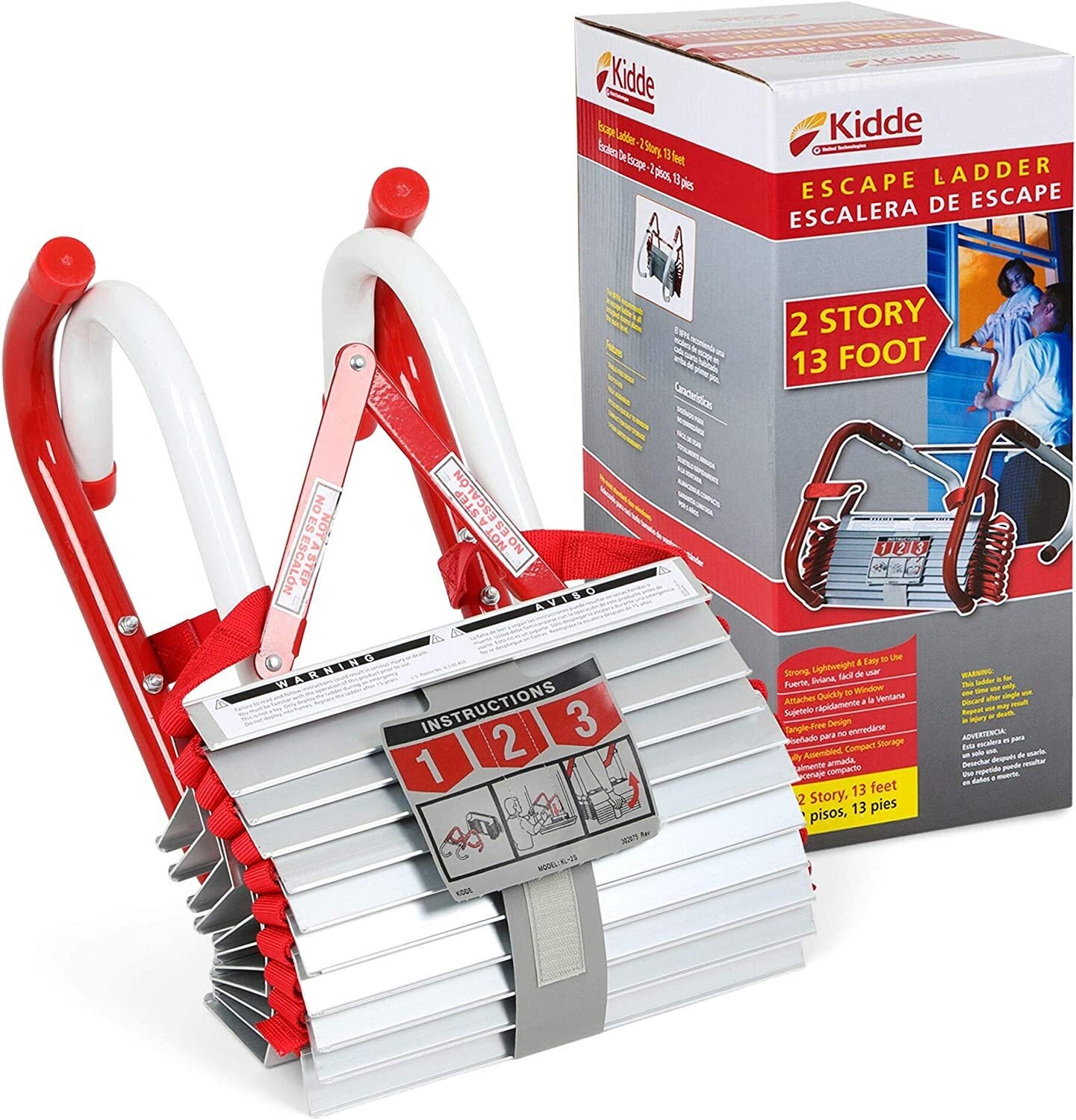
"Fire escape ladders provide a simple, easy-to-store way to help ensure that you and your family get out safely in the event of a house fire," Farley Raines said. "If you live in a two- or three-story home, you should have one ladder in every occupied room on floors above the main level."

This tangle-free fire ladder measures 13 feet and can hold up to 1,000 pounds.

Get it from Amazon for $53.99 (also available in a larger size).

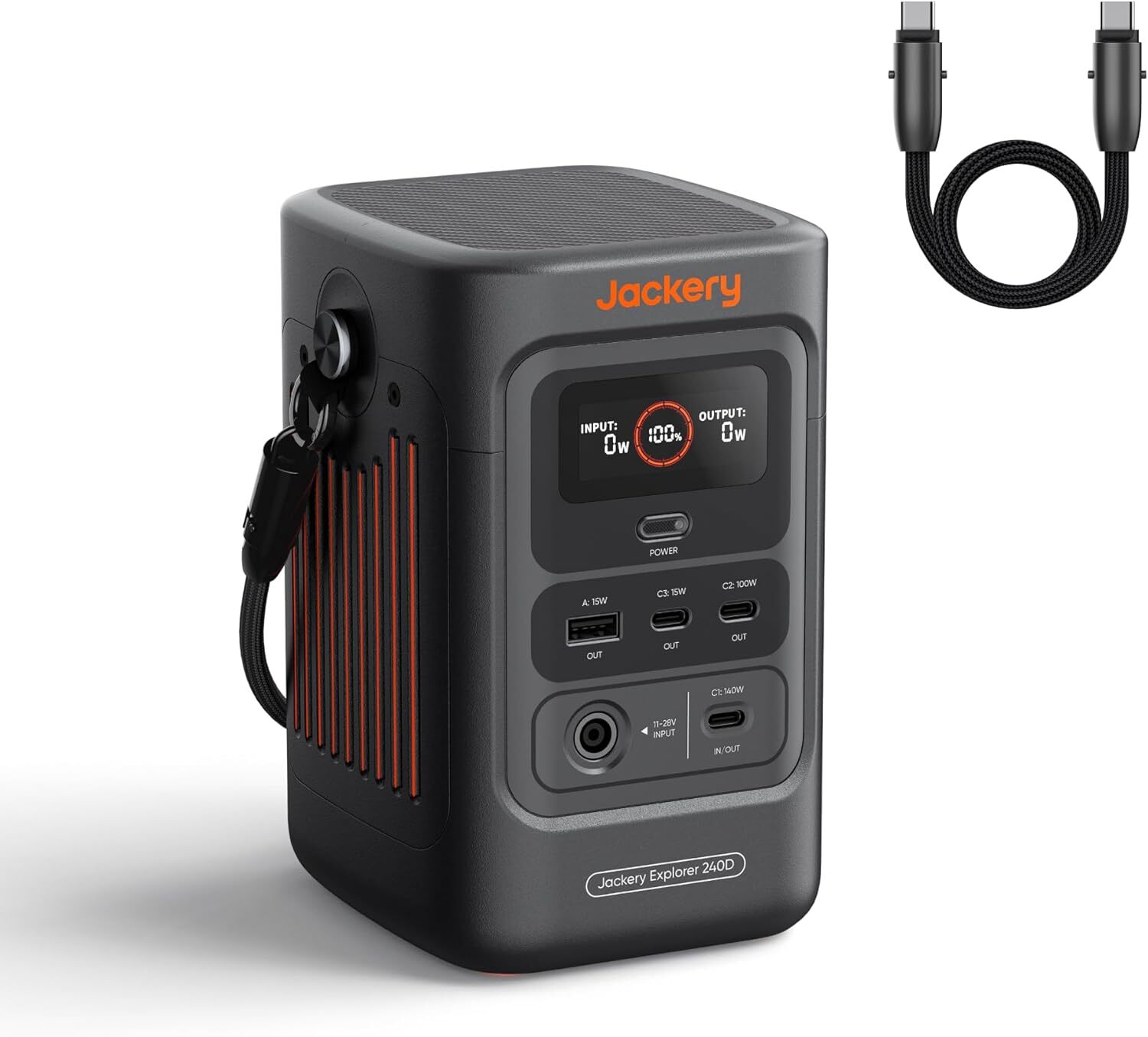
From this editor's favorite brand, the Jackery Explorer 240 portable power station, is beloved by reviewers for its ability to power electronics in an emergency and the light weight (under 7 pounds). It features an AC outlet and two USB-A ports, so you can plug in up to three devices at once. You also don't have to worry about the power station itself running out of juice if your home loses power or you have to evacuate; you can charge this using your car outlet, or Jackery's own solar panels, which you can buy separately.

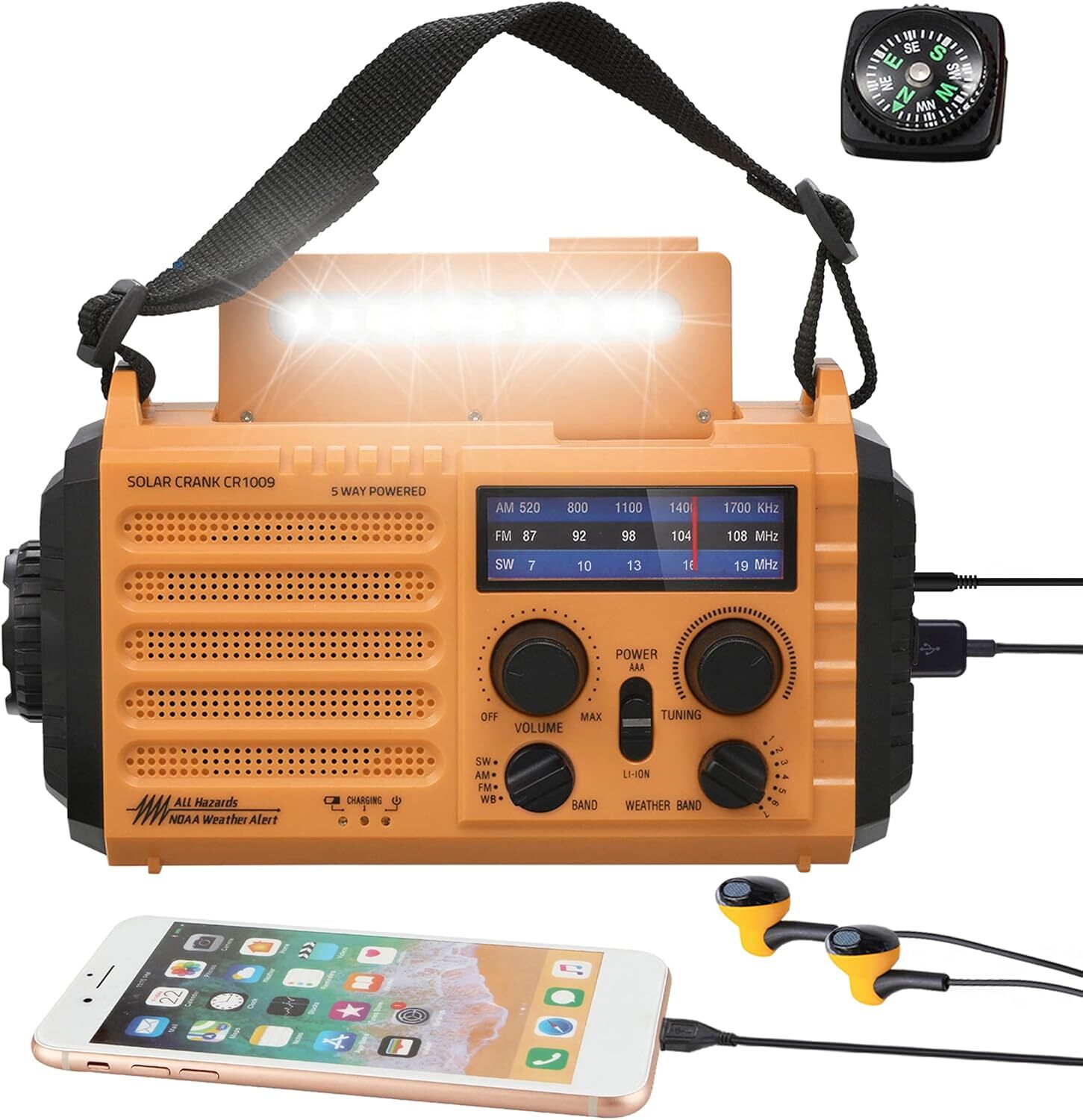
This hand-crank weather radio comes equipped with seven pre-programmed NOAA weather stations so you can remain up-to-date on important weather changes. But that's not all: The radio also features an LED flashlight, reading lamp, SOS alarm, compass, headphone jack and emergency cell phone charger with USB input.

Promising review: "I live in Sonoma, California. In 2017 I had to evacuate, not prepared very well. Then this year, 2019, after a little "shake 'em up" I decided to better prepare so I bought this emergency radio. I didn't have to evacuate the Oct. fire but the power was out for a week. I'm really glad I had this little radio for updates and company." —hippyrick

Get it from Amazon for $32.39+ (available in 11 colors/styles).

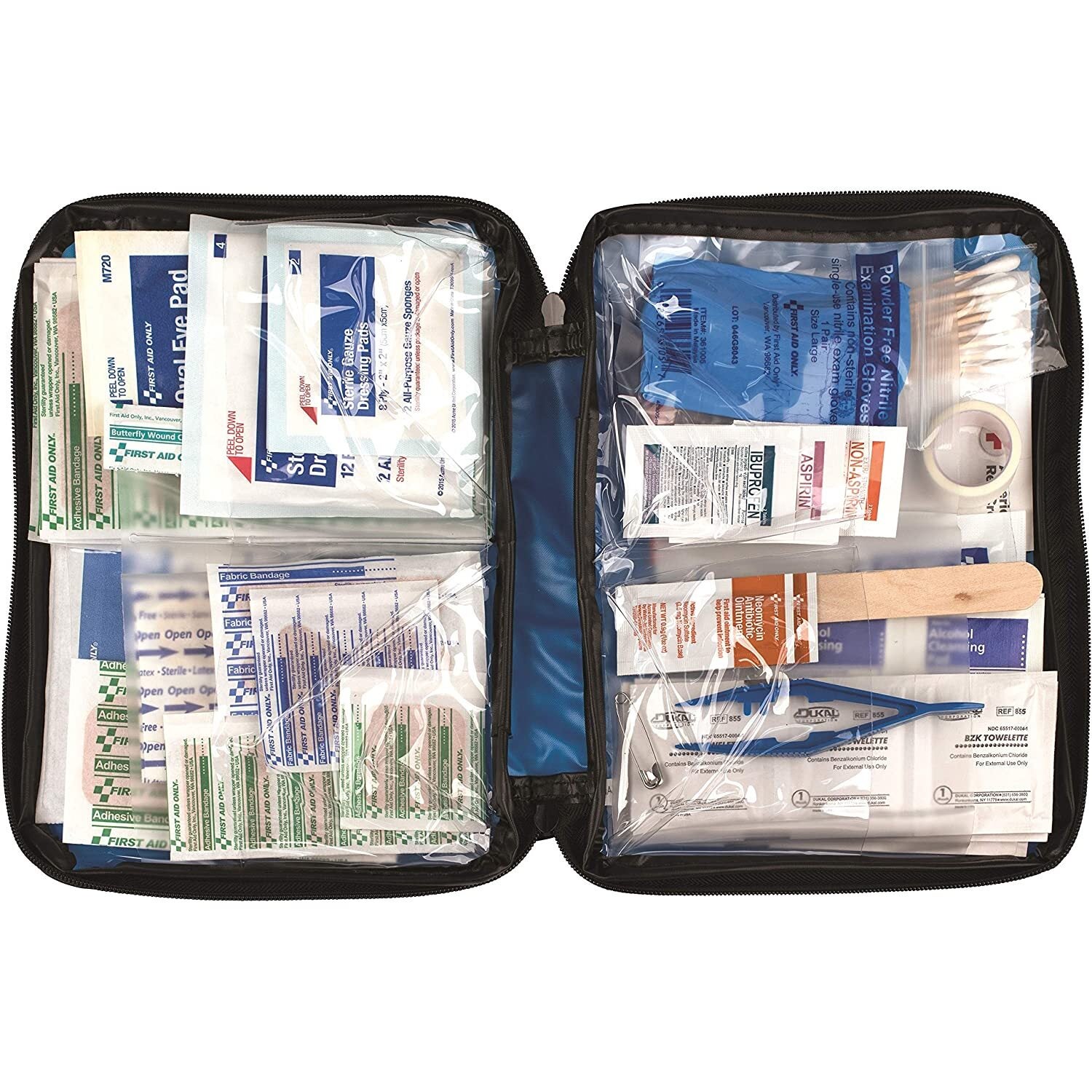
As Heggie says, every family's to-go bag will look different. Still, he shares that a first-aid kit is something all families will be glad to have. This one contains everything from bandages to ibuprofen tablets.

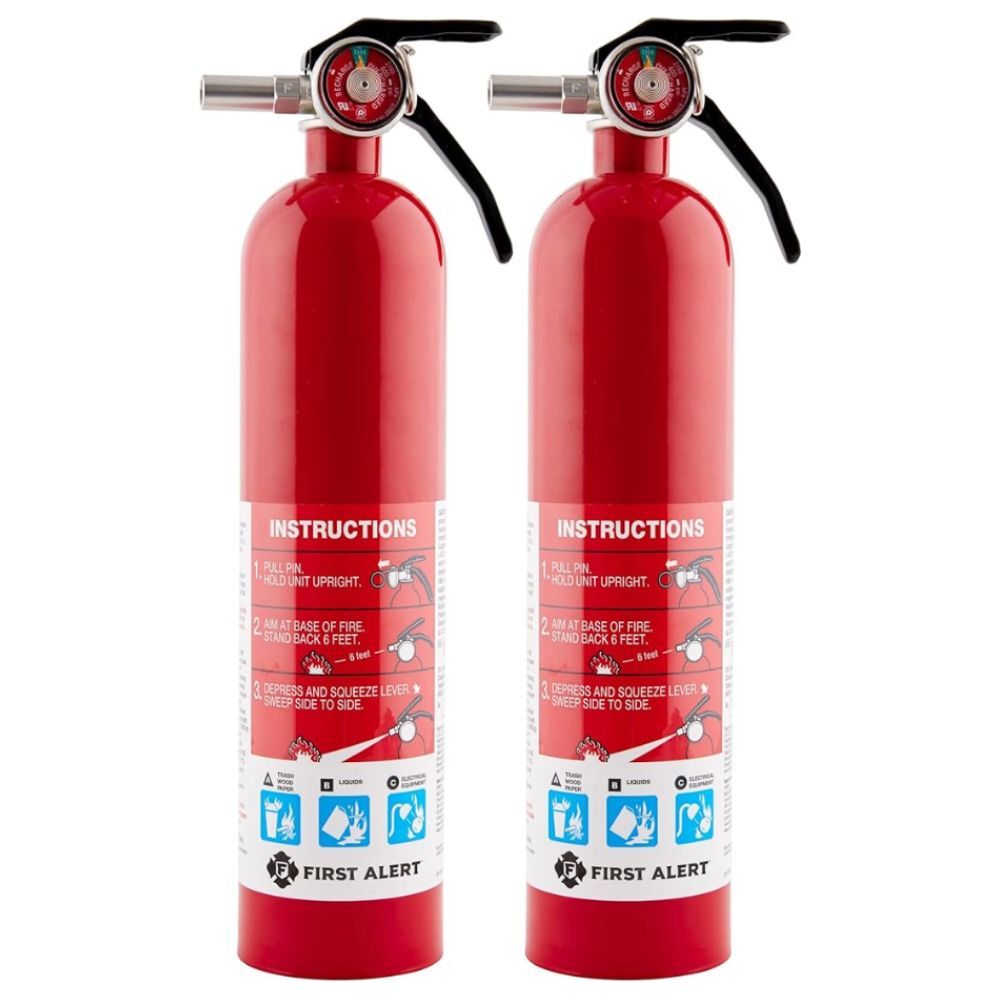
Kozo advises keeping two home fire extinguishers — one by the kitchen in the event of a small kitchen fire and one in your bedroom if there's a fire near where you or your family is sleeping. However, he's explicit when he says a home fire extinguisher is a tool to help you safely exit your home — not completely put out a house fire.

"We don't recommend you try to act as a firefighter and put out this huge fire," Kozo said. "After about 45 seconds or so, the fire's gonna be beyond your control. That extinguisher, you'll be able to knock down just enough fire where you'll be able to get out safe or maybe get to your children's bedroom or something like that."

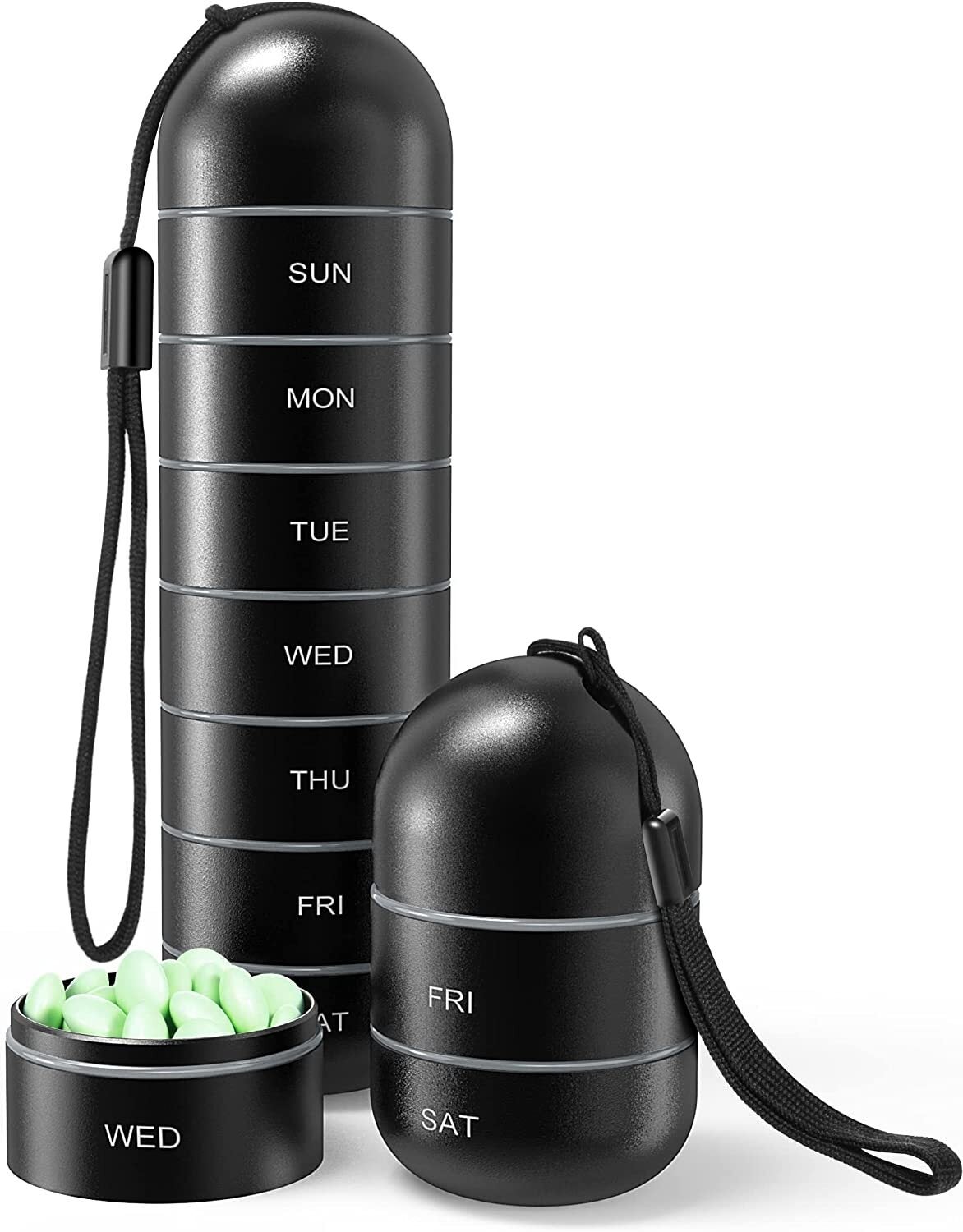
Keep your prescriptions ready and protected with this waterproof and moisture-proof pill organizer. It has slots for every day of the week and a carrying handle, so it's easy to grab quickly.

Get it from Amazon for $19.99+ (available in 12 colors).

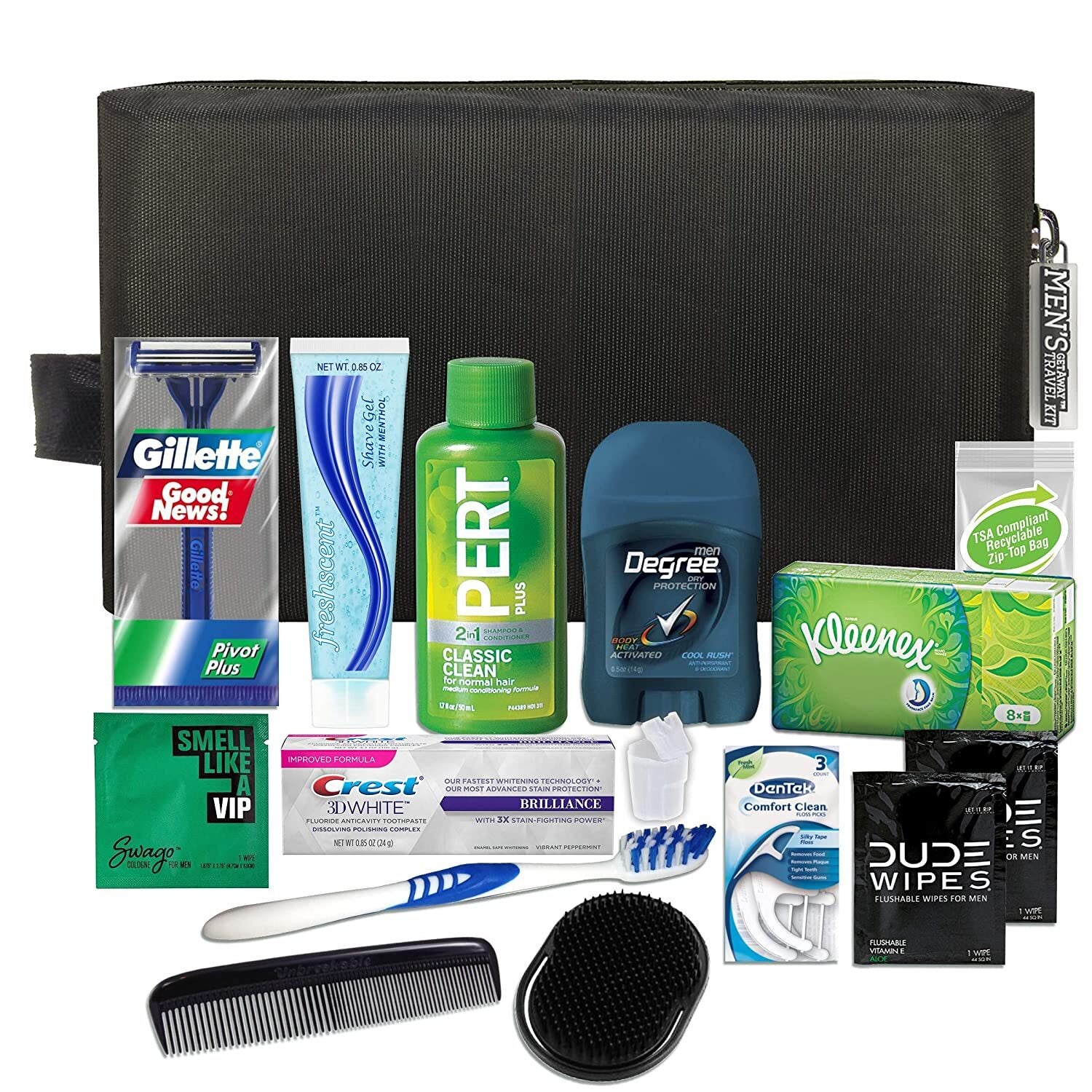
In addition to first-aid supplies, Heggie says you'll want to have some toiletries for you and your family. Rather than running around the house finding things in the moment, this kit has everything you need including deodorant, toothpaste and a razor.

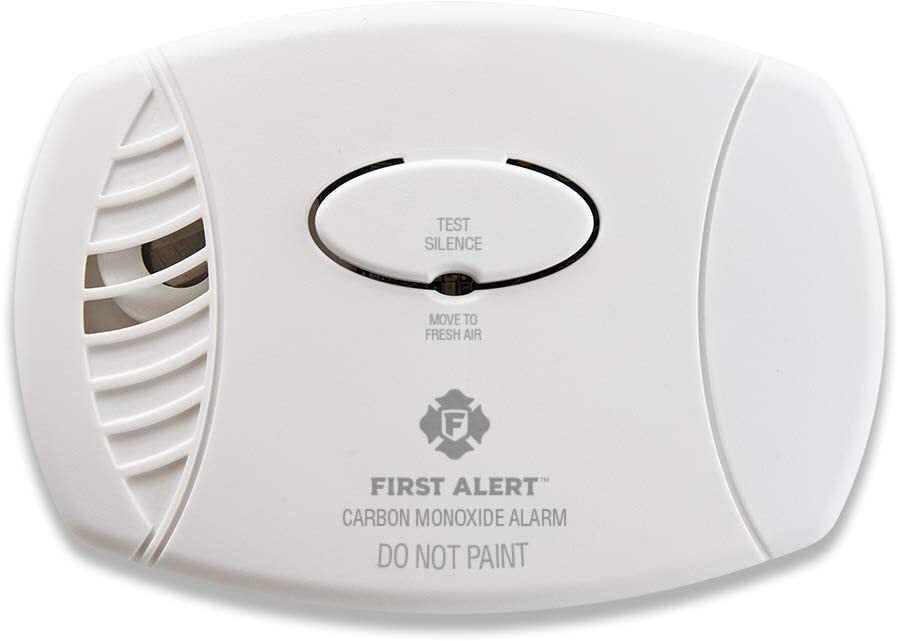
In addition to smoke alarms, Kozo urges you to have a carbon monoxide alarm on every level of your home.

"Install carbon monoxide alarms to alert your family to this invisible, odorless, colorless gas before it’s too late," Farley Raines told us. "A small amount of carbon monoxide can poison or kill a person if it is breathed in over a long period of time — such as overnight while sleeping."

This carbon monoxide alarm lasts up to five years and uses a 9-volt battery.

Heggie urges you to keep food and water for your human family in your to-go bag. He also recommends packing everything your pet may need, like their food and medications or an extra leash. This is a set of two collapsible food and water bowls that stack easily and make an instant space for your pet to eat and drink on the go. You can get these bowls in two sizes.

Get a two-pack from Amazon for $3.98+ (available in four sizes and 15 color combos).

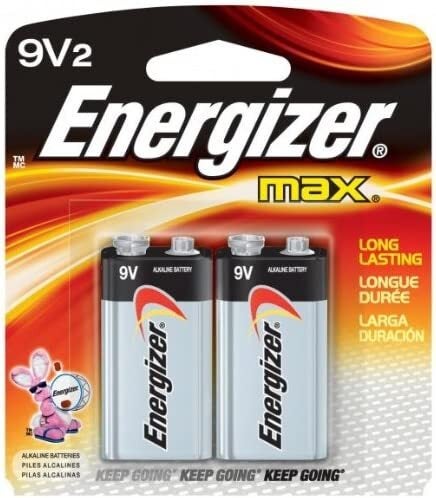
"If you have battery-powered smoke alarms, replace the batteries at least once a year," Farley Raines said. "Check the batteries when the time changes from standard to daylight saving each spring and then back again in the fall."

Many smoke and carbon monoxide detectors (like the two we listed) use 9-volt batteries; this two-pack from Energizer has a five-year shelf life.

Reviews for this post have been edited for length and/or clarity.