yahoo Press
Unilever’s Food Exit Could Finally Finish Its Long Reinvention
Images
1 / 5
2 / 5

3 / 5

4 / 5
5 / 5
Unilever has spent years reshaping its portfolio, but selling its food business would mark a decisive break with its past. A deal with McCormick would accelerate its pivot toward higher growth, higher margin categories and leave behind one of the pillars that defined the company for decades.

Unilever confirmed that it has received an inbound offer from McCormick for its foods business and that discussions are ongoing, while cautioning that there is no certainty a transaction will be agreed.

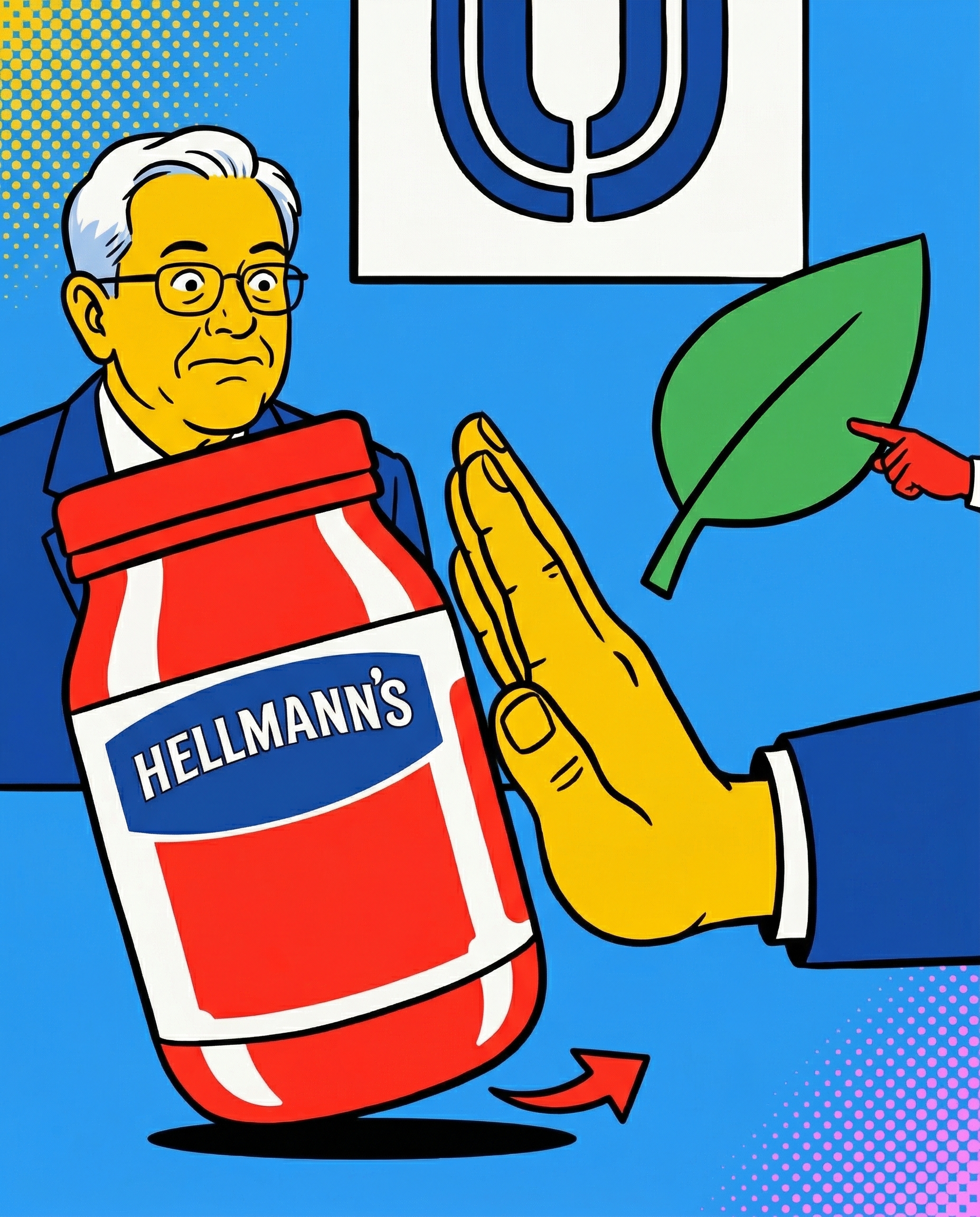
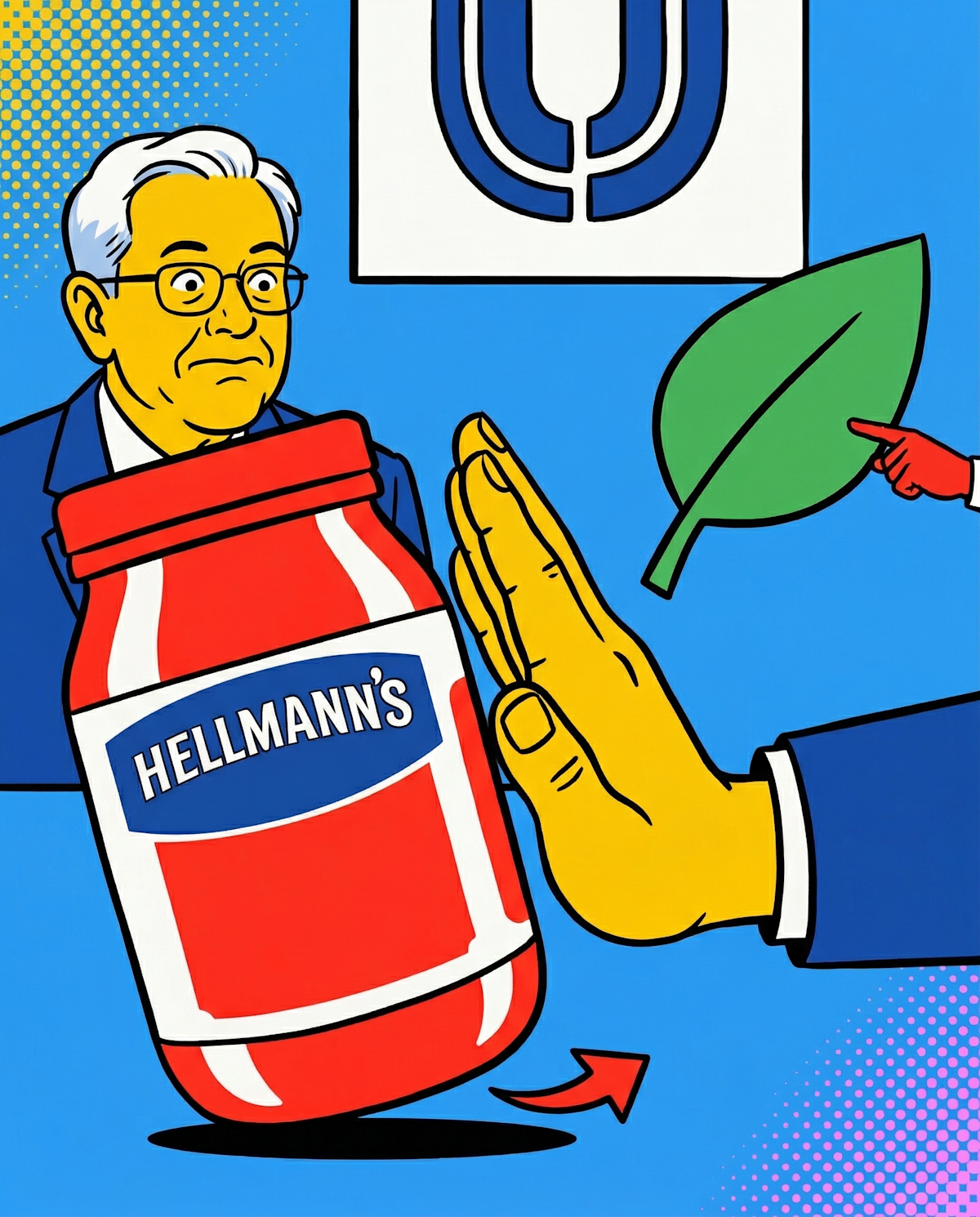
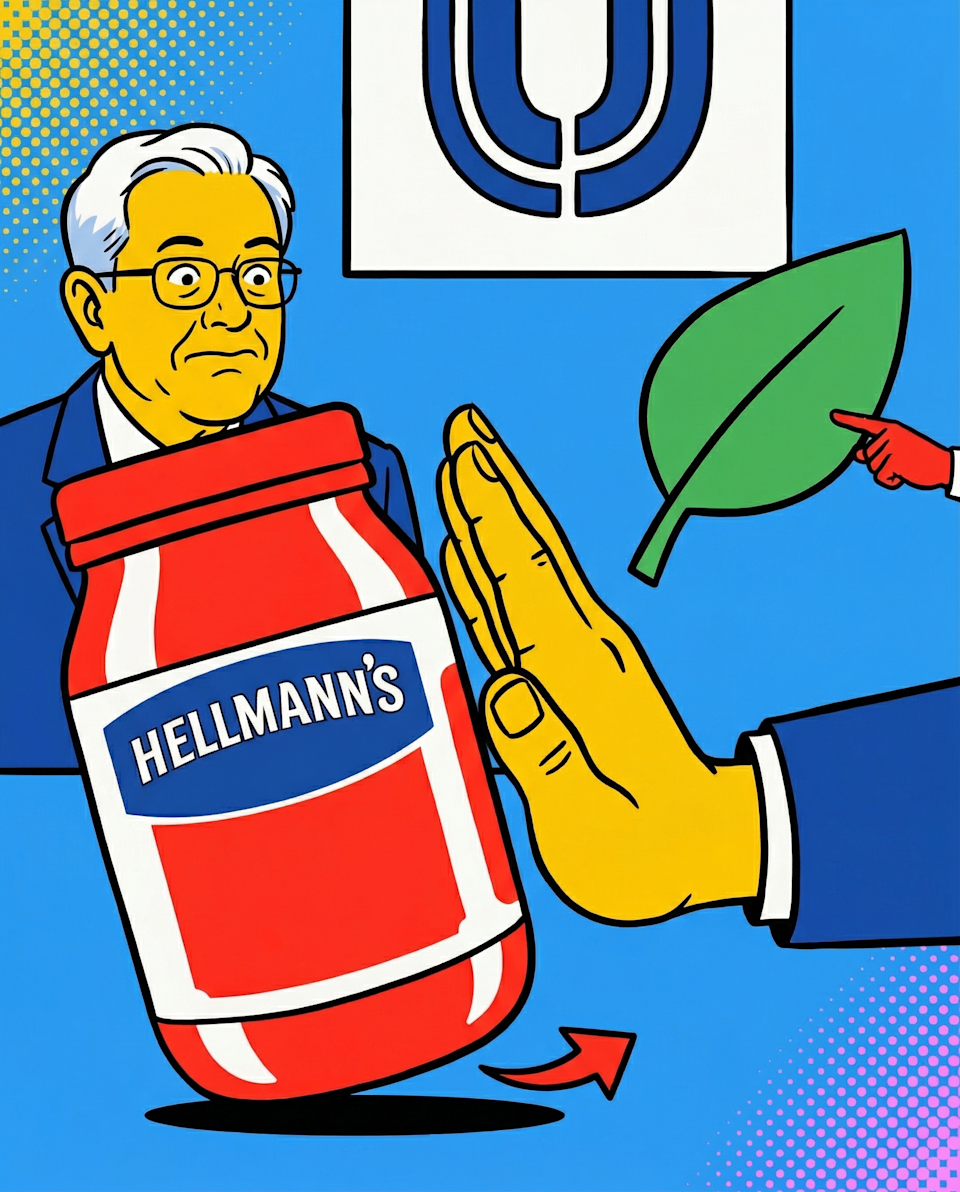
The unit includes some of Unilever’s most recognizable brands, including Hellmann’s, Knorr and Marmite. Analysts have suggested the business could be worth tens of billions of dollars, making this one of the most significant potential transactions in the consumer goods sector in recent years.

The move follows a long period of portfolio restructuring. Unilever has already exited spreads, reduced its exposure to tea and spun off its ice cream division. It has also trimmed smaller brands in an effort to simplify operations and focus on areas with stronger growth prospects.

Despite those changes, food remains a substantial business. In 2025, the division generated €12.9 billion (about $15 million) in revenue and €2.9 billion in operating profit. That scale highlights the significance of any potential sale. This is not a marginal asset. It is a core part of the company that is now being reconsidered.

For McCormick, the opportunity is equally transformative. The U.S. group, known for spices, sauces and seasonings, is significantly smaller than the Unilever unit it is targeting. Any deal would likely involve a mix of stock and cash and could require a more complex structure to bridge the gap in size.

The industrial logic is clear. McCormick would gain global scale in condiments and cooking products, along with access to Unilever’s distribution networks in emerging markets. Unilever would gain financial flexibility and a clearer strategic focus under its current leadership.

This is ultimately about what kind of company Unilever wants to be.

For much of its history, Unilever operated as a broad consumer goods conglomerate, spanning food, household products and personal care. That model offered diversification and stability, but it increasingly sits at odds with how investors value companies today.

Markets now tend to reward focus. Businesses with clear growth narratives and strong margins attract higher valuations, while diversified groups often trade at a discount. Within Unilever’s portfolio, beauty and personal care stand out as faster growing and more profitable segments, with stronger pricing power and greater exposure to premium trends.

Our analysts just identified a stock with the potential to be the next Nvidia. Tell us how you invest and we'll show you why it's our #1 pick. Tap here.

Food, by contrast, is a steadier but less dynamic category. It faces pressure from private label competition, cost inflation and changing consumer preferences. While it remains cash generative, it does not carry the same growth profile or strategic appeal.

That tension has been building for years. Investor pressure has played a key role, with shareholders pushing for a simpler structure and improved performance. Leadership changes have reinforced that direction, with the current management team placing greater emphasis on higher growth categories.

A sale of the food business would signal that this strategic shift is complete. It would mark a move away from the traditional conglomerate model toward a more focused consumer brand company centered on beauty, wellbeing and personal care.

For McCormick, the transaction represents a different kind of bet. The company has built its identity around flavor and seasoning, positioning itself as a specialist within the broader food industry. Acquiring Unilever’s food assets would significantly expand its scale and global reach.

However, that ambition comes with risk. Integrating a business of this size would be complex, particularly given the geographic breadth and operational differences involved. Financing the deal could also stretch McCormick’s balance sheet, depending on how it is structured.

There is also a broader industry context to consider. Large consumer goods companies are increasingly reshaping their portfolios to focus on higher growth areas. Unilever’s potential move fits within that trend, reflecting a shift in how value is created and measured across the sector.

The immediate focus will be on whether Unilever and McCormick can agree on terms and structure a deal that satisfies both sides.

If an agreement is reached, attention will quickly turn to execution. Unilever will need to demonstrate that it can reinvest proceeds effectively and deliver stronger growth in its remaining businesses. McCormick will face the challenge of integrating a much larger operation while maintaining financial discipline.

If no deal materializes, the strategic questions will remain. Unilever has already signaled its direction of travel, and the pressure to continue simplifying its portfolio is unlikely to fade.

Either way, this moment feels significant. Unilever is moving closer to a clear identity. The only question is whether it is ready to let go of the business that helped define it.

One stock. Nvidia-level potential. 30M+ investors trust Moby to find it first. Get the pick. Tap here.