yahoo Press
SEC Approved XRP ETFs That Let You Ride The Crypto Boom
Images
1 / 4
2 / 4

3 / 4

4 / 4
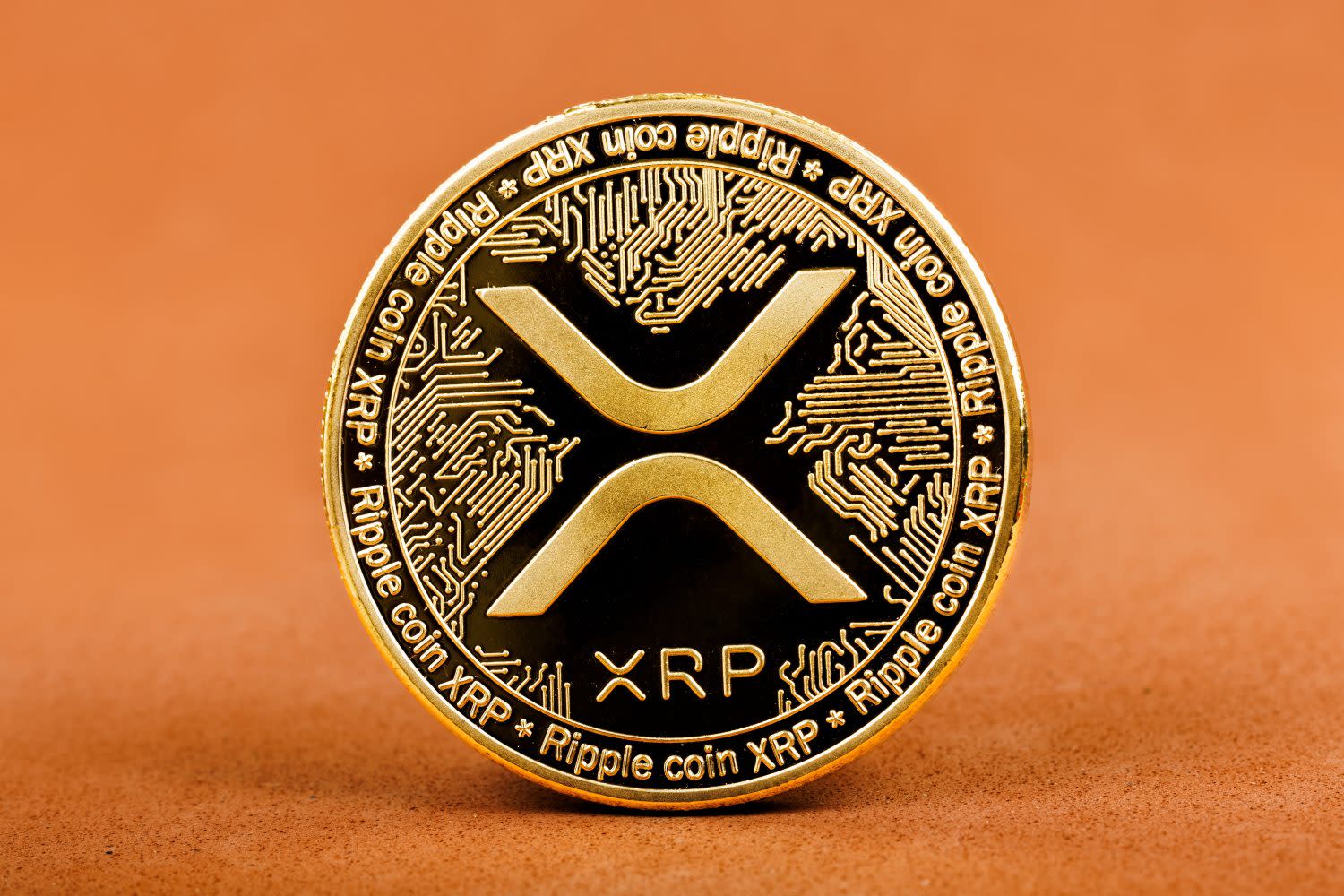
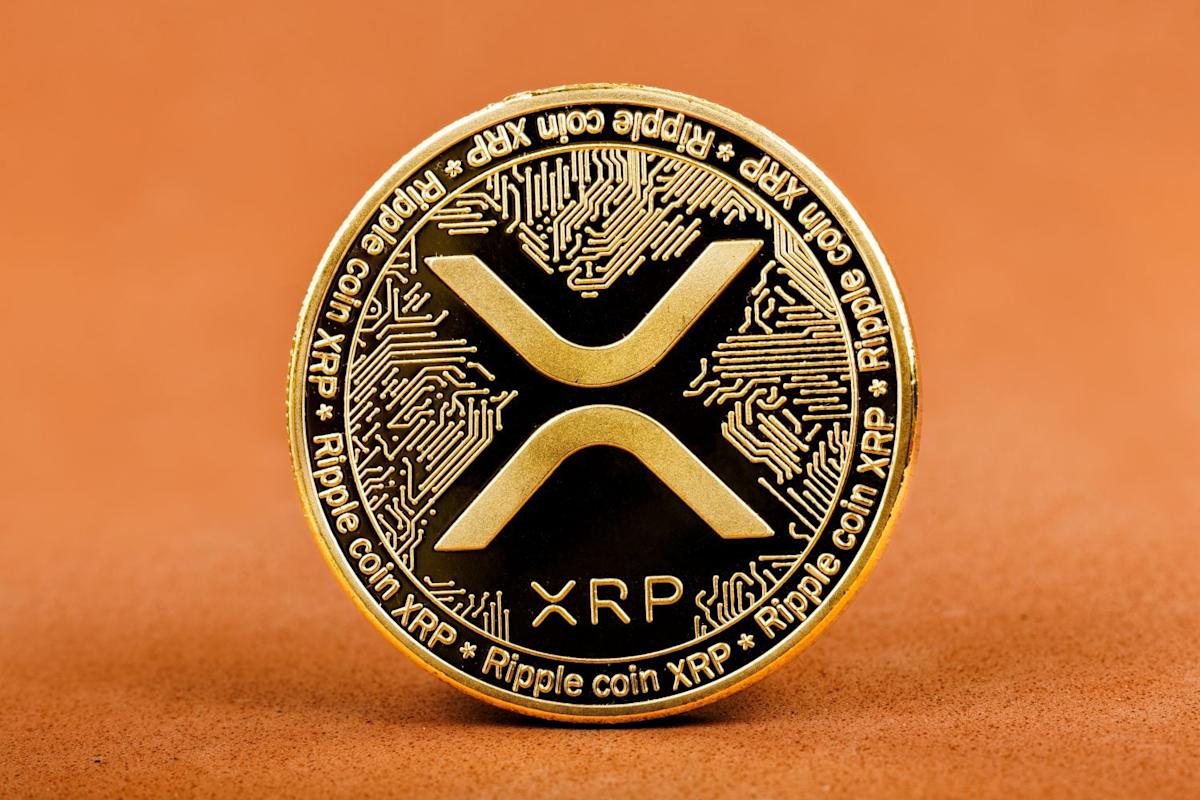
For years, XRP (CRYPTO: XRP) has existed in a kind of regulatory purgatory as Ripple's long-running legal battle with the SEC cast a shadow over the entire asset, keeping institutional money on the sidelines and leaving retail investors with limited, often inconvenient ways to get exposure. Thankfully, this chapter is now closed and the SEC's approval of spot XRP ETFs marks one of the most significant developments in crypto's ongoing push into mainstream finance. Best of all, it opens the door for everyday investors to participate in XRP's next move without touching a crypto exchange.

XRP (ticker symbol: XRP) has emerged from regulatory purgatory following the SEC’s approval of spot XRP ETFs, marking a significant milestone in crypto’s institutional adoption and enabling retail investors to gain exposure without using crypto exchanges.

Six new XRP ETFs now compete across a range of fee structures, with Franklin Templeton (XRPZ) offering the lowest expense ratio at 0.19% through May 2026, while Rex-Osprey (XRPR) charges 0.75%, creating annual fee differences of up to $675 per $100,000 invested.

A recent study identified one single habit that doubled Americans’ retirement savings and moved retirement from dream, to reality. Read more here.

Ultimately, timing matters most of all, as XRP has re-emerged as one of the most actively traded digital assets, boosted by regulatory clarity, growing adoption in cross-border payment systems, and renewed appetite for crypto exposure across investor categories. The infrastructure that held back Bitcoin and Ethereum ETFs for so long no longer applies here, as the path from regulatory approval to product launch has moved quickly, and the competitive landscape is already taking shape.

As it stands right now, six funds stand out, and range from ultra-low-cost options to higher-fee structures that may offer specific advantages depending on where and how you invest. Here's what each one looks like and how the fee structures compare heading into the second quarter of 2026.

Read: Data Shows One Habit Doubles American’s Savings And Boosts Retirement

Most Americans drastically underestimate how much they need to retire and overestimate how prepared they are. But data shows that people with one habit have more than double the savings of those who don’t.

Franklin Templeton enters the XRP ETF race with the most aggressive fee structure on the list. The Franklin Templeton XRP ETF (NASDAQ:XRPZ) carries a 0.19% expense ratio, which is currently waived entirely through May 31, 2026, meaning investors are paying no management fees right now.

Franklin Templeton has made low-cost digital asset products a deliberate strategy, and this fund is a reflection of that. This said, once that waiver expires, the 0.19% will still undercut every competitor on this list by a meaningful margin. For cost-sensitive investors planning to hold for any significant length of time, the math here is hard to argue with.

21Shares has been one of the most active players in the global crypto market for years, giving the 21Shares XRP ETF (NYSE:TOXR) a level of operational credibility that newer entrants cannot match. The expense ratio currently sits at 0.30%, competitive without being the cheapest option available.

For advisors and institutional investors who value an issuer with a long track record in digital asset products across multiple markets, the 21Shares XRP ETF is a natural consideration. The fee is reasonable, and the infrastructure behind the fund is well-established.

Bitwise has built its reputation specifically around crypto-focused investment products, and the Bitwise XRP ETF (NYSE:XRP) carries the same focused approach. The expensive ratio sits at 0.34%, just above the 21Shares offering, but still within a very competitive range.

Bitwise's investor communications and crypto-specific expertise tend to appeal to investors who want more than just price exposure, and the firm is known for clear, research-driven commentary on digital assets. Even the ticker itself, XRP, is about as clean as it gets.

Grayscale is the most recognized brand in crypto investment products, and the Grayscale XRP Trust ETF (NYSE:GXRP) carries that institutional familiarity. One important note for investors looking at this fund right now is that the fee waiver that had been in place expired on February 24, 2026. As of today, the fund is charging its full expense ratio of 0.35%.

That 0.35% fee puts the Grayscale XRP Trust ETF in the middle of the pack on cost, and the Grayscale name still carries weight for certain custodial and institutional use cases. But investors comparing this investment against other options on this list purely on fees will find it harder to make the case, particularly now that the waiver period has closed.

Canary Capital has been an active participant in the wave of crypto ETF launches, and the Canary XRP ETF (NYSE:XRPC) is part of that push. The expense ratio of 0.50% is higher than that of the first four funds on this list, which puts some pressure on it to differentiate on factors beyond price.

For investors already familiar with Canary's other products or working within platforms where the Canary XRP ETF has specific availability advantages, it remains a legitimate option. At this fee level, though, it's competing against a lower-cost offering that essentially provides the same exposure to the same underlying asset.

The Rex-Osprey XRP ETF (NYSE:XRPR) carries the highest expense ratio on this list at 0.75%, more than four times what at least one other fund charges and roughly double the midpoint of the competitive range. Rex-Osprey has positioned some of its products around specific structural features or distribution advantages that may justify the premium for certain investor profiles.

This said, for investors making a straightforward decision about XRP exposure, the fee gap demands a compelling reason to choose this fund over lower-cost alternatives. Unless there's a specific platform, tax treatment, or structural consideration at play, the cost differential is significant enough to matter meaningfully over a multi-year holding period.

Ultimately, on a $10,000 investment and a $100,000 investment, the difference in fees across all of these funds can be quite notable. Before accounting for any price movement, you might pay as little as $75 per year, or as much as $750 annually just in fees alone. For most investors, the decision on which investment to make focuses mainly on which issuers are available on their platform and what the fee looks like after any waiver periods expire.


Most Americans drastically underestimate how much they need to retire and overestimate how prepared they are. But data shows that people with one habit have more than double the savings of those who don’t.

And no, it’s got nothing to do with increasing your income, savings, clipping coupons, or even cutting back on your lifestyle. It’s much more straightforward (and powerful) than any of that. Frankly, it’s shocking more people don’t adopt the habit given how easy it is.