yahoo Press
Connecticut researchers now know why COVID is no longer infecting animals
Images
1 / 10
2 / 10

3 / 10

4 / 10

5 / 10

6 / 10
7 / 10

8 / 10

9 / 10

10 / 10
Caroline Zeiss doesn't know how wild white-tailed deer and white-footed mice in Connecticut contracted COVID-19.

"That's the million-dollar question," she said. "Nobody knows."

What Zeiss does know is that mice, deer, minks, cats, ferrets and other species are not getting COVID-19 as much as they used to.

Zeiss is a veterinarian and professor of comparative medicine at the Yale School of Medicine. She's been working with Guillermo Risatti – a professor at the University of Connecticut's department of pathobiology and veterinary science, and director of the Connecticut Veterinary Medical Diagnostic Laboratory – to track the incidence of COVID-19 in wild and domesticated animals in Connecticut.

The goal of their study, the results of which were published in the journal Nature late last year, was to better understand how viruses move between human and animal populations in the hope of learning how to better predict and control that transmission. They said they learned that while COVID-19 was prevalent in wild animals during the height of the pandemic, later variants such as the omicron strain were less suited to animal hosts.

Many viruses can and do infect both humans and animals, a process called zoonotic transmission. Zeiss called them "generalist viruses." There is a variant of influenza, for example, called "bird flu," which Zeiss said "is probably the largest pandemic in history in animals and is still going on."

Coronaviruses, too, often move from animal species to humans. Though a subject of debate, the current scientific consensus is that SARS-CoV-2, commonly called COVID-19, originated in Chinese bat populations and was transmitted to humans at the Huanan Seafood Market in Wuhan, China.

"We have a whole host of coronaviruses in animals and people, and some are very host-specific, because they've evolved," Zeiss said. "I think SARS-CoV-2 is evolving to become a human-specific virus."

The white-footed mouse, according to Zeiss, is the most common rodent species found in Connecticut. But how those mice contracted COVID-19 and transmitted it to each other, and to other species, remains a mystery.

"The state's literally covered with mice," Zeiss said. "There are about 20 million mice in the state, but they occupy these very small territories, so they're not spreading it beyond the 0.25-kilometer square that they're living in."

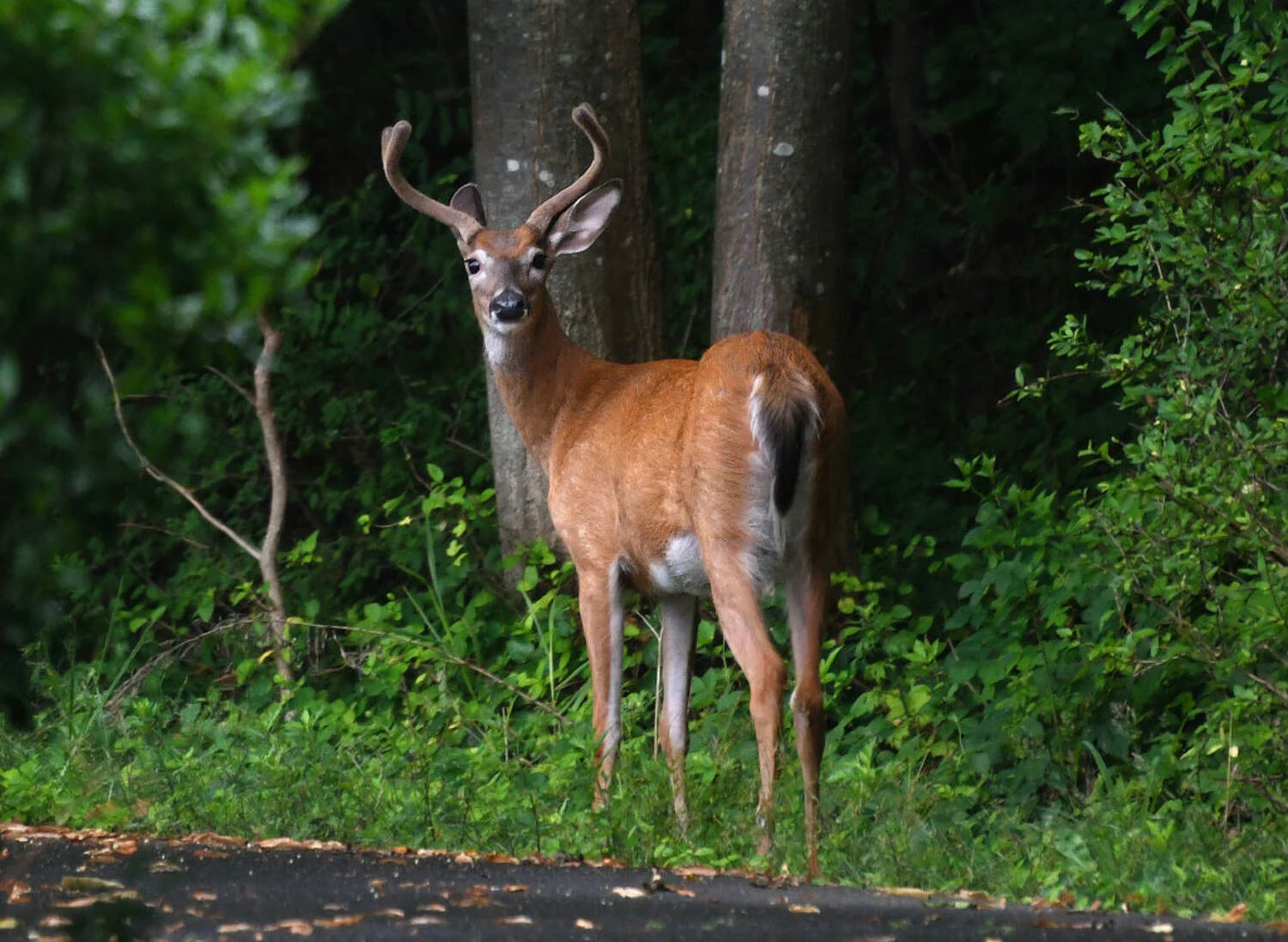
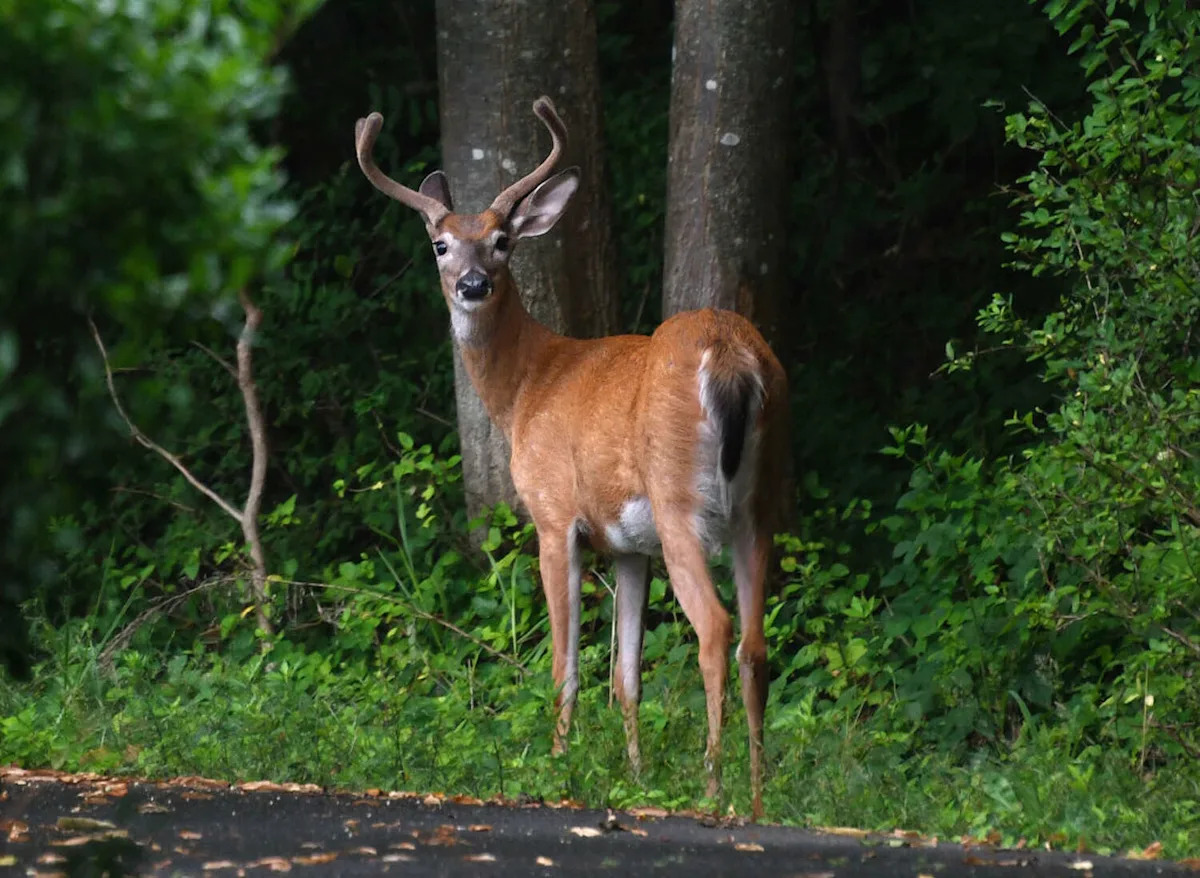
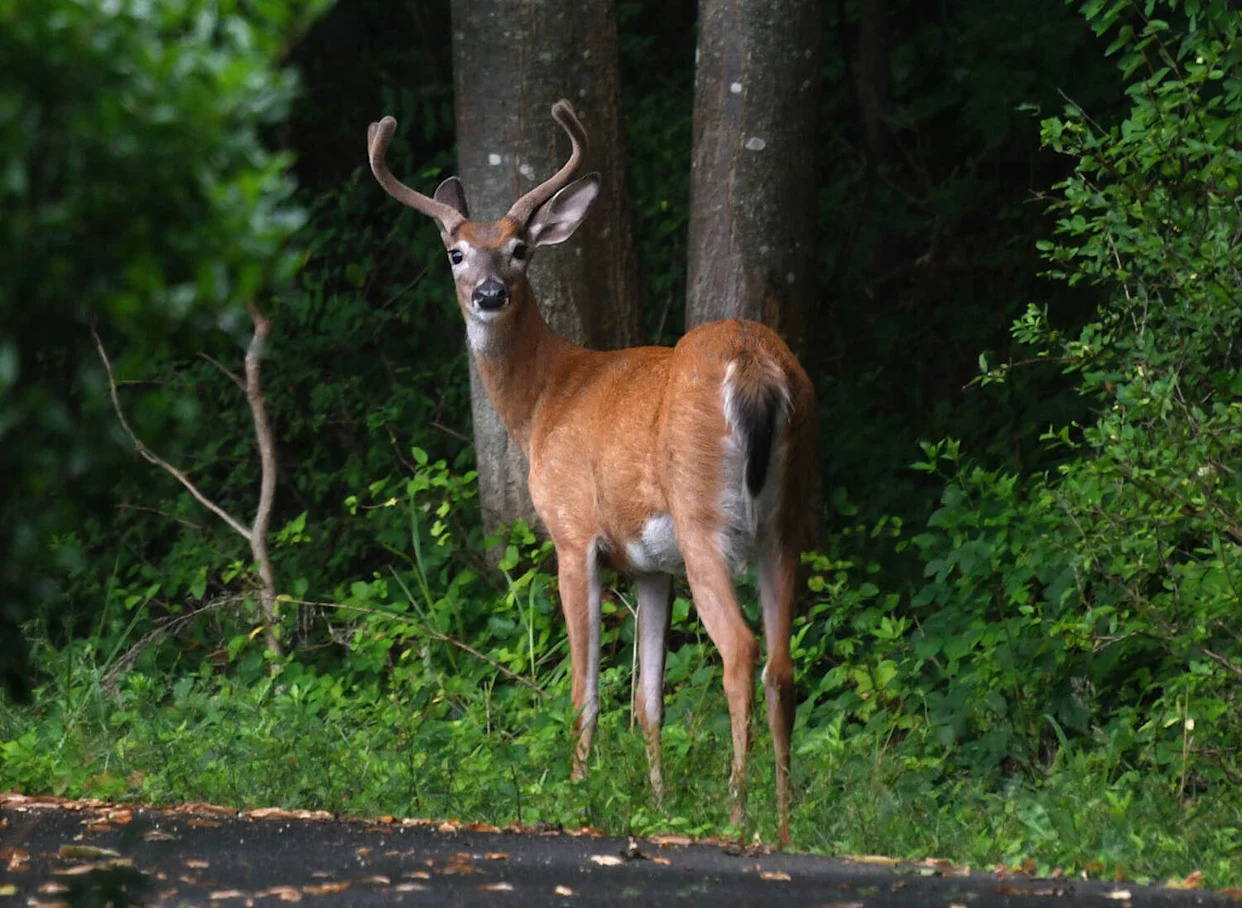
Two white-tailed deer tested positive for the coronavirus in New Jersey in 2022, and Connecticut began testing the state's deer population for COVID-19 soon after.

"We know that mice and deer have a relationship when it comes to transmission of other diseases like Lyme disease," Zeiss said.

Risatti, as director of the Connecticut Veterinary Medical Diagnostic Laboratory, routinely tests species for disease.

"We receive animals because, most of the time, people want to know the cause of death," he said.

Ultimately, Zeiss and Risatti tested 889 animals from 28 different species, including domestic dogs and cats, various types of mice, bobcats, ferrets, fishers, weasels, pigs, sheep, raccoons and even one wallaby, which tested negative for COVID, they said.

Animals often get the same symptoms as humans when they contract COVID-19, though it's usually not as severe and rarely fatal, they said. It can be different depending on the species. Mink, for example, are very impacted by COVID-19 infections, they said.

For the most part, though, "they don't die," Zeiss said. "In the lab, the rodents could lose a bit of weight."

Previous studies had detected both active disease in wild and domestic animal populations, and evidence the virus previously had infected some animals but was no longer active.

Zeiss and Risatti's findings differed.

"We did not detect active SARS-CoV-2 infection in any species," they said, though the researchers did identify some species that previously had contracted COVID-19.

The virus has declined in humans, too, though it hasn't gone away. There have been more than 30,000 confirmed cases of COVID-19 in Connecticut over the past year, according to the state Department of Public Health. There have been 179 deaths in the state attributed to COVID-19 over the same time period.

Zeiss and Risatti have concluded that the virus has evolved to infect humans as its preferred host, leaving animals to get other diseases.

"This apparent decline in rates of animal infection or exposure may reflect reduced affinity of later SARS-CoV-2 variants for nonhuman hosts," their study says.

"I remember the beginning of the pandemic, we were like, ‘What is this coronavirus? It's really weird. It's really strange," Zeiss said. "Now we see it's behaved like every other coronavirus that has emerged as a new virus and infected several species, and then settled upon one species."

This article originally published at Connecticut researchers now know why COVID is no longer infecting animals.