buzzfeed Press
Motown And Its Legacy Were Instrumental To American Music Culture, Here's How
Images
1 / 20
2 / 20

3 / 20
4 / 20
5 / 20
6 / 20
7 / 20
8 / 20
9 / 20
10 / 20
11 / 20
12 / 20
13 / 20
14 / 20
15 / 20
16 / 20
17 / 20
18 / 20
19 / 20
20 / 20
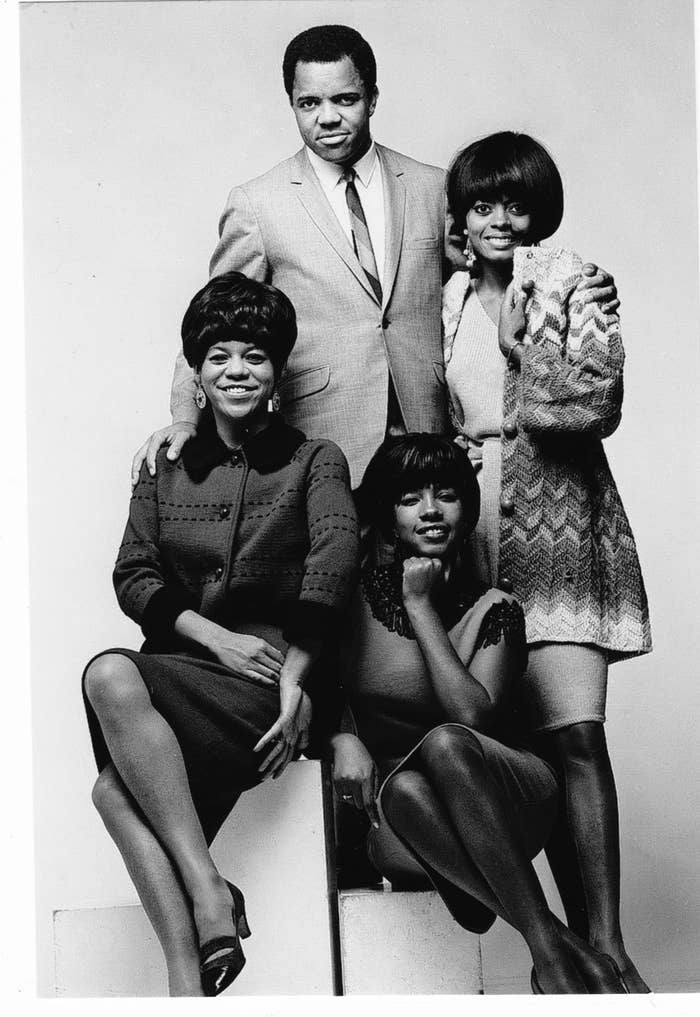
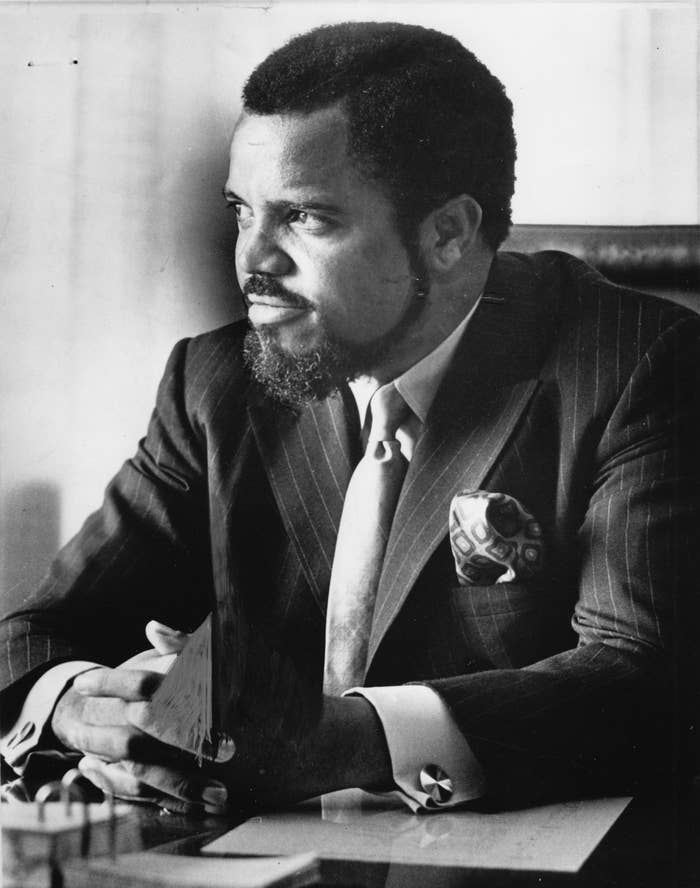
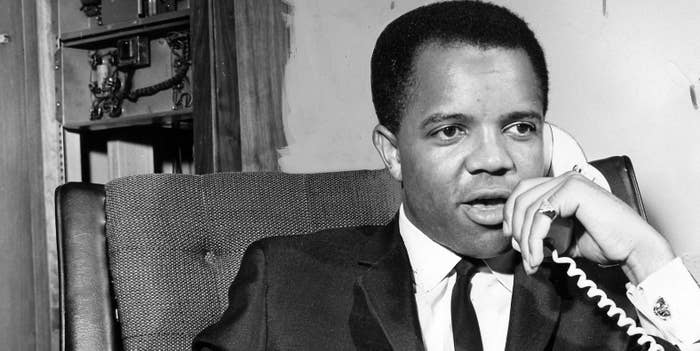
Born in 1929, Berry Gordy Jr. began his music career writing songs for artists like Etta James in the late-1950's. He then officially founded Motown Record Corporation and began launching the careers of solo artists like Stevie Wonder and groups like the Marvelettes and the Supremes.

Gordy pushed for strict quality control of the physical records that were distributed at the time. He also ensured that they were optimized to produce high-quality sound in car radios, not something that all other labels prioritized at the time.

Music and its artists were heavily segregated through the 1950s. Gordy recognized the importance of using music to unify people, especially young listeners. While blending different music styles was important for producing high-quality sound, the record label also recognized that these elements would attract white teens who listened to pop music.

The fusion of gospel, pop, R&B, and soul contributed greatly to the success of Motown Records. It allowed its writers and artists to create songs that were catchy and appealing to younger listeners, particularly Black American youth throughout the 1960's who could finally become a focal point for music advertising.

From the 1960's through the 1970's, Motown launched the careers of many musicians. Stevie Wonder, Gladys Knight, the Supremes, the Commodores, and the Jackson 5 were some of the many hit-makers who found great success during this time period.

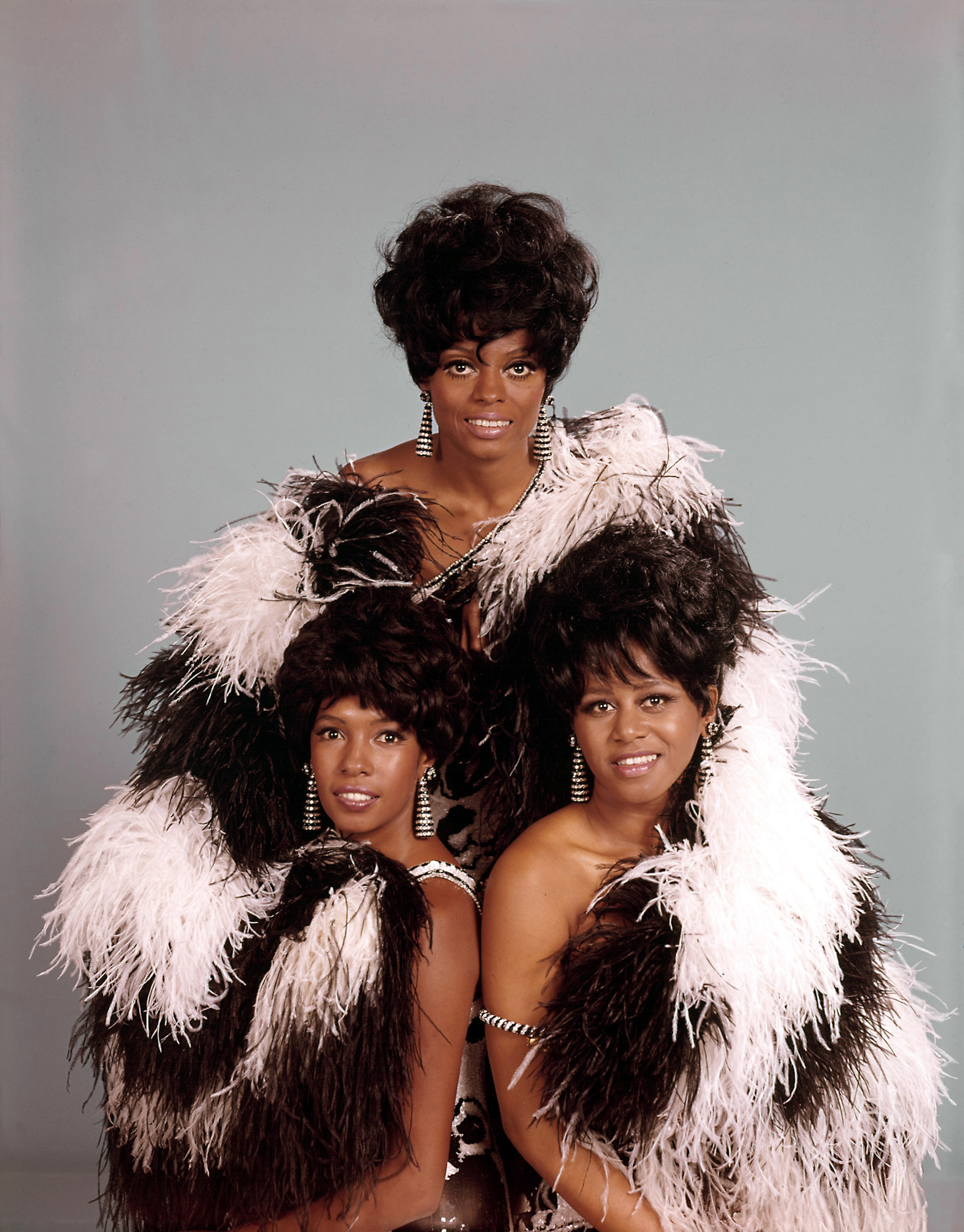
The Supremes were Motown's first female singing group who went on to great success, becoming the second-most successful group of the decade behind The Beatles.

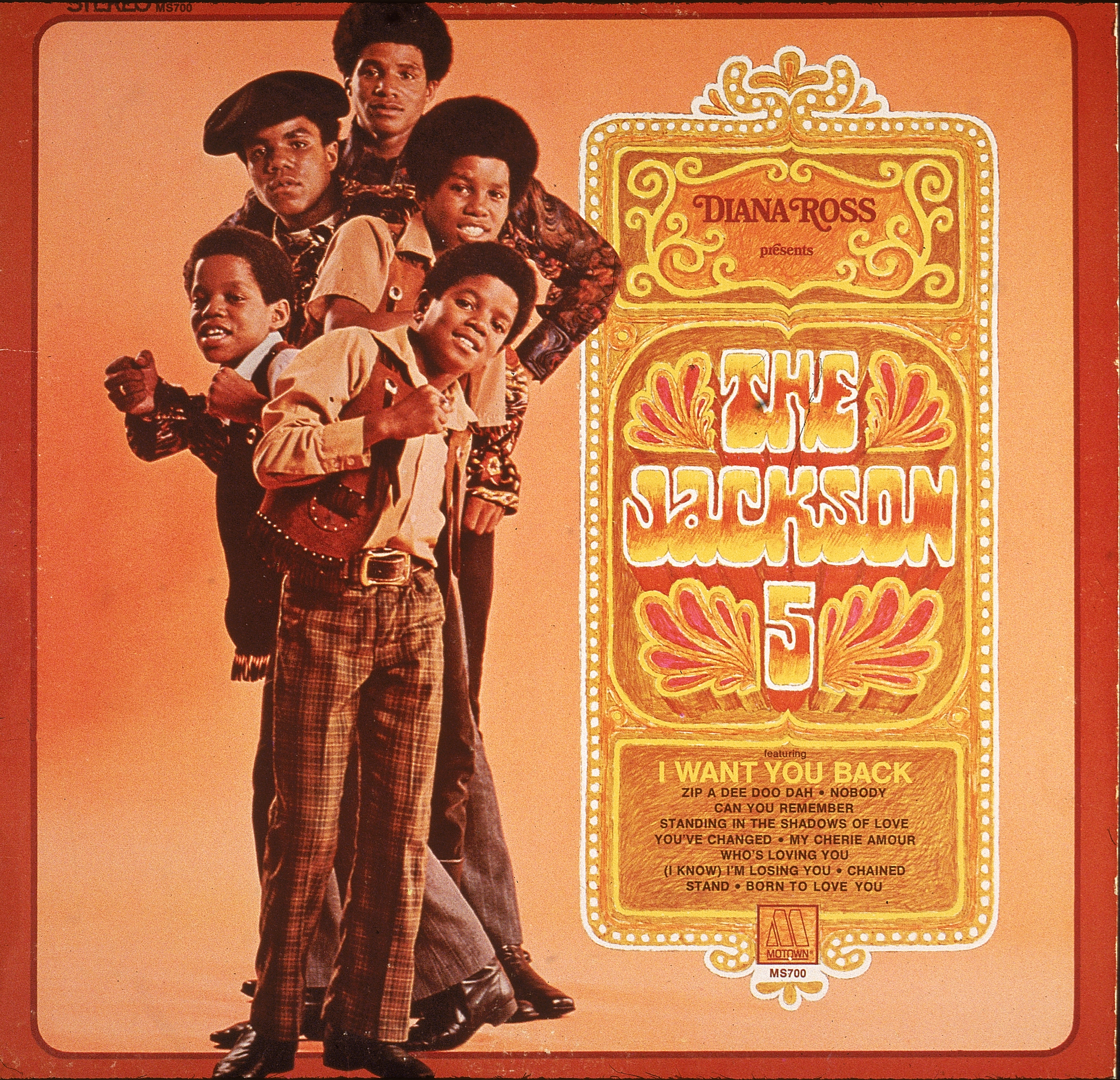
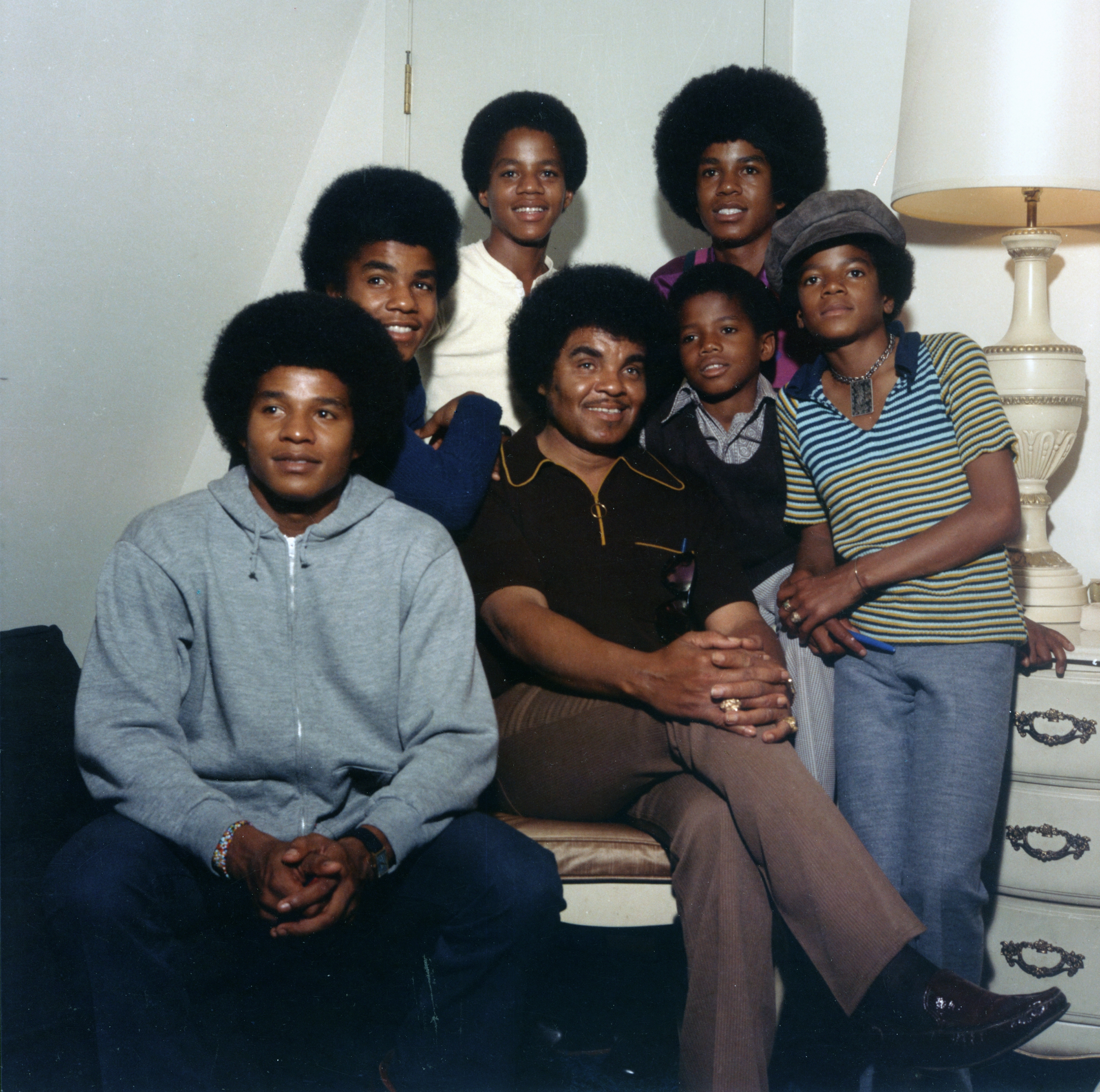
Signed to Motown Records in 1961, the Jackson 5 made history as the first act to have their first four singles reach Number 1 on the charts. Appealing to fans of all ages, their success as a group paved the way for others to follow, while also laying the foundation for their own solo careers. One particular member went on to become one of the biggest music superstars of all time: Michael Jackson.

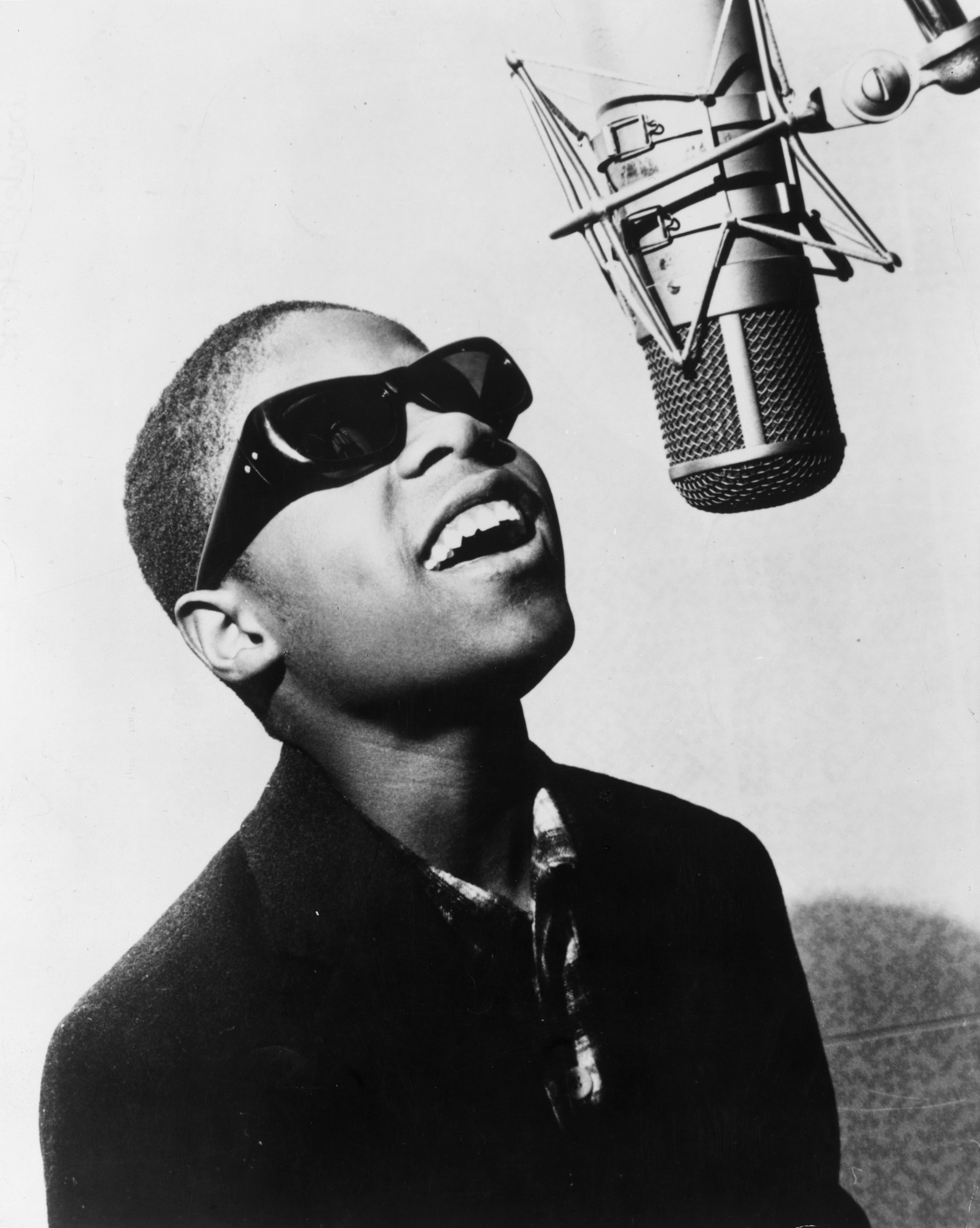
At only 11 years old, Stevie Wonder signed to Motown. He made it big two years later with his first #1 hit single Finger Tips, Part 2 in 1963.

Motown's initial success enabled some of its breakout stars to leave their groups and build award-winning solo careers. But Motown's growth didn't stop at the music industry. It also branched out into the film industry in the early 1970s after opening offices in Los Angeles, CA. Between producing its own films and booking its music artists for other studios' productions, Motown left its mark on the film industry throughout the 70's and 80's.

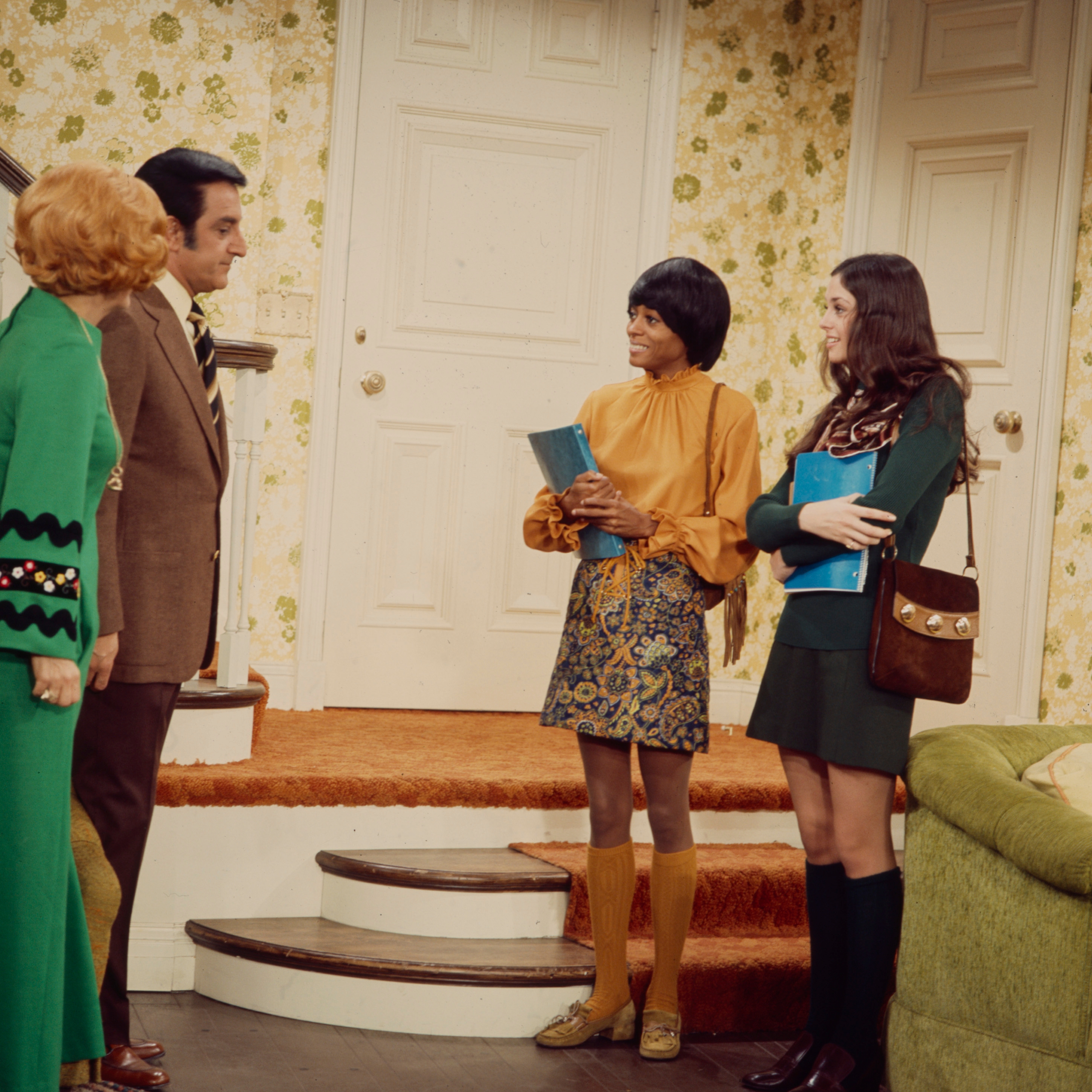
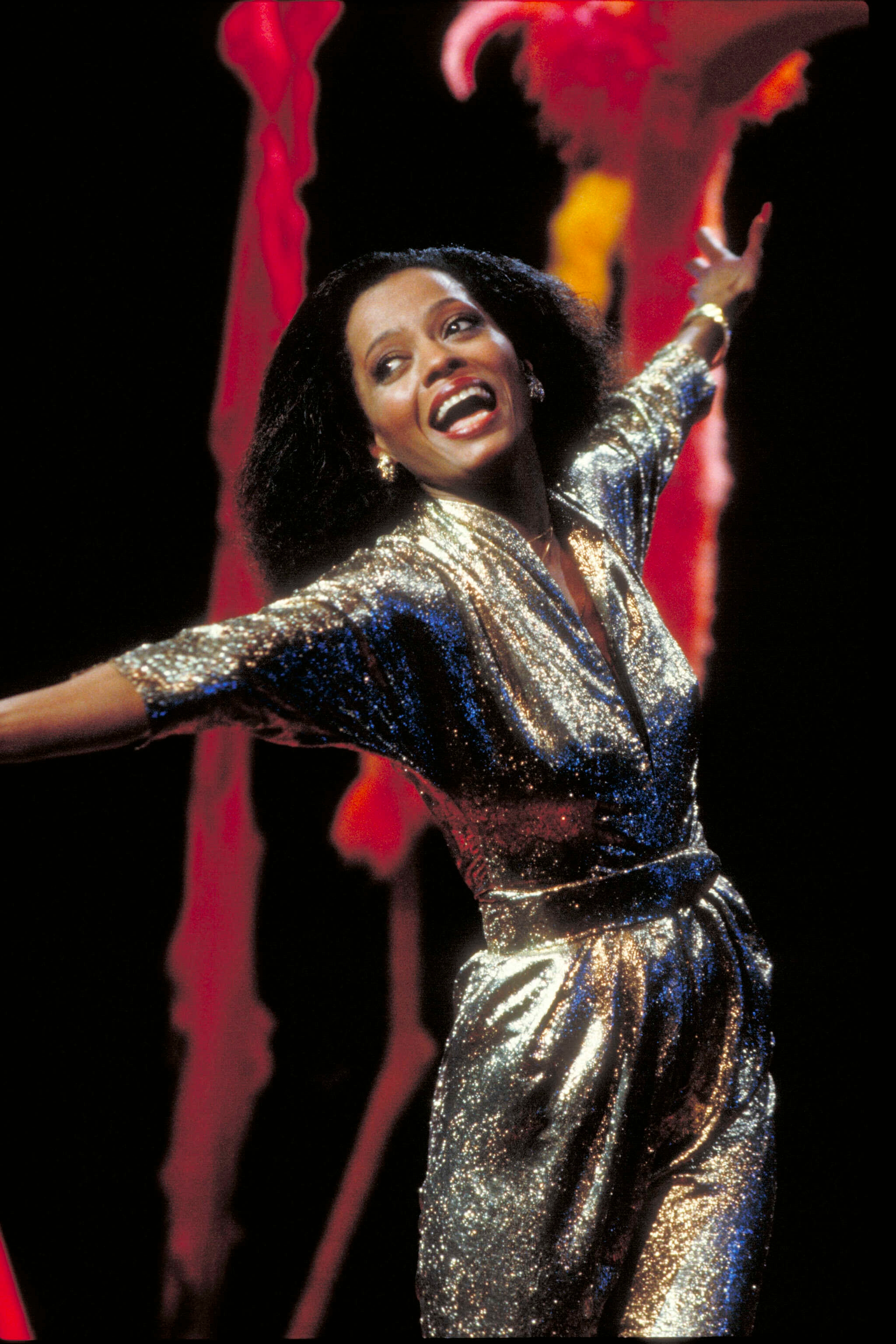
Diana Ross, The Supremes' lead singer, earned an Academy Award nomination for her lead role as Billie Holiday in the studio's 1972 film Lady Sings the Blues. She would later have a daughter who we know as actress and producer Tracee Ellis Ross.

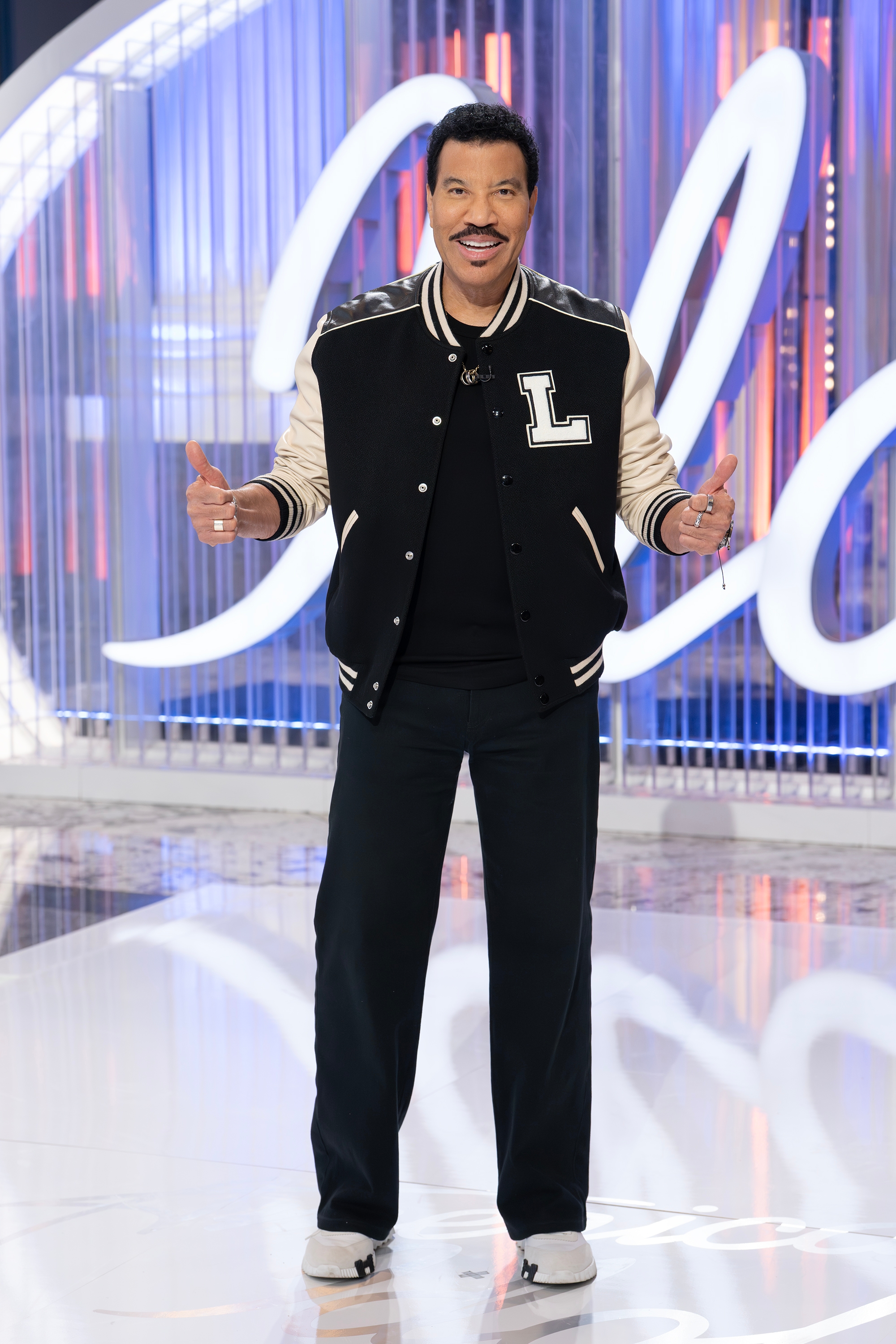
Lionel Richie found success within the group the Commodores during the 1970s. Creating massive hits that achieved international success, they had a distinct funk and soul sound. In the early '80s, Richie pursued a successful solo career and began collaborating with artists like Diana Ross. Decades later, his influence continues to shape the next generation of music listeners with his current role as one of the main judges on American Idol.

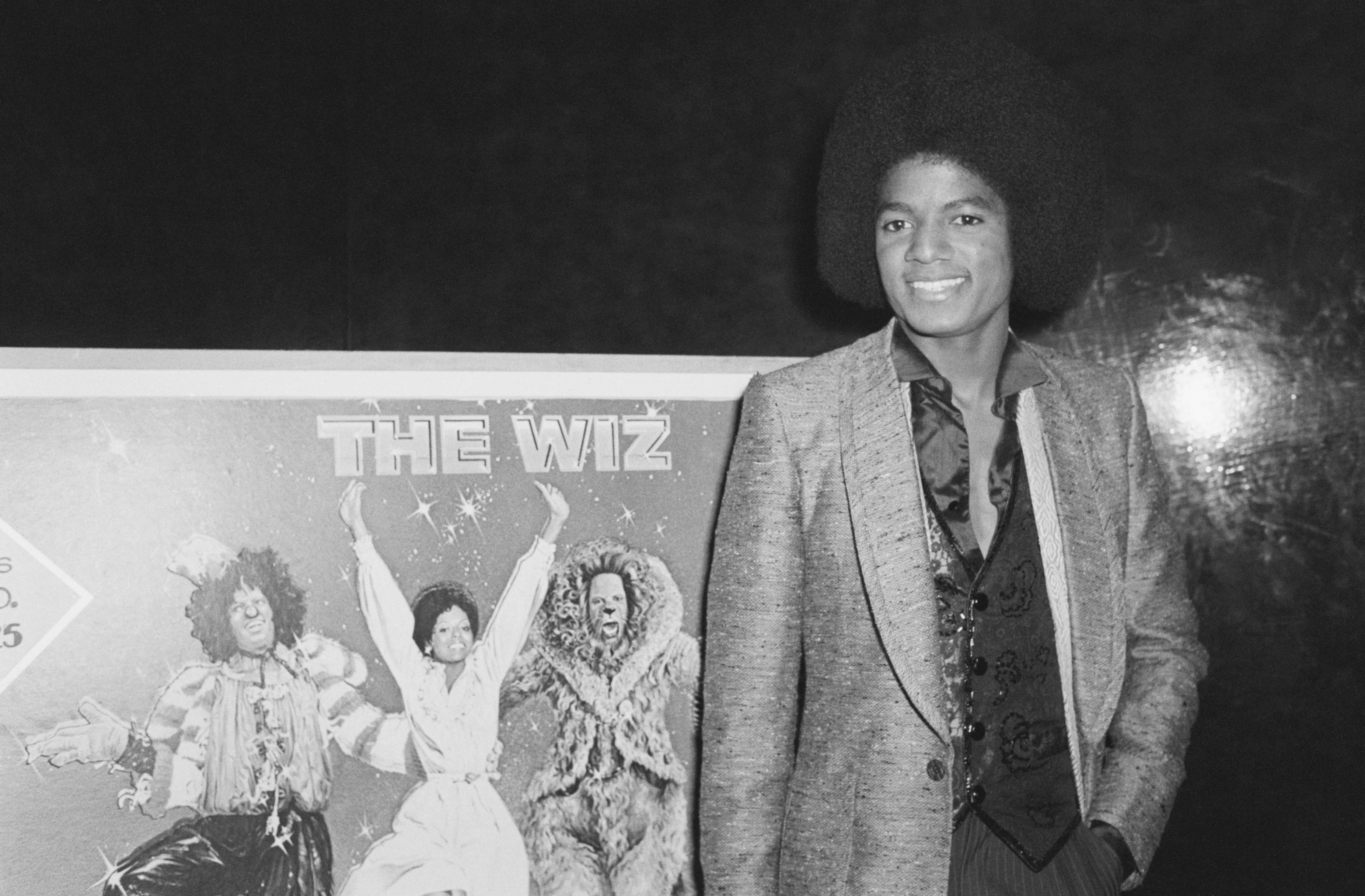
A NY-inspired spin on The Wizard of Oz, Diana Ross starred in The Wiz musical as Dorothy. With a supporting cast that included Michael Jackson, Lena Horne, and Richard Pryor, this film was a bold spin on a classic story that placed popular Black artists front and center on the big screen.

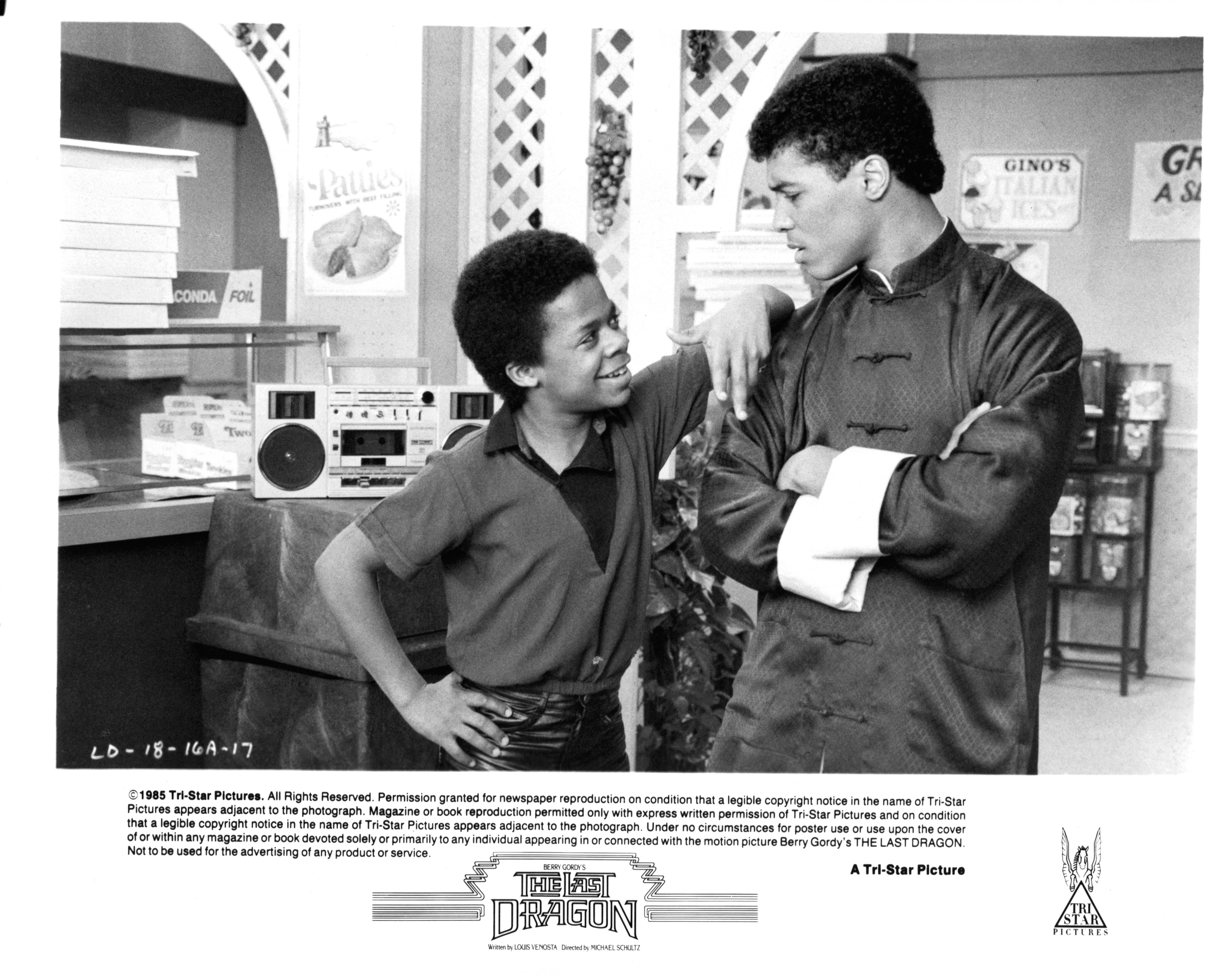
The Last Dragon is another Motown production that put a spin on a popular genre that rarely saw Black actors included in. Martial arts films were all the rage, and stars like Bruce Lee gained mainstream attention in the West. The Last Dragon leaned into being a whimsical tale that showcased the community's appreciation of martial arts and its impact on the culture.

As the 80s came to a close, other music companies were establishing themselves with bigger acts and international pull. Struggling to maintain its relevance, Gordy sold Motown to MCA in 1988, and after further changes, Motown eventually became part of Universal Music Group. With hip-hop and the evolving R&B genres taking over the 90s, Motown found itself trying to keep up.

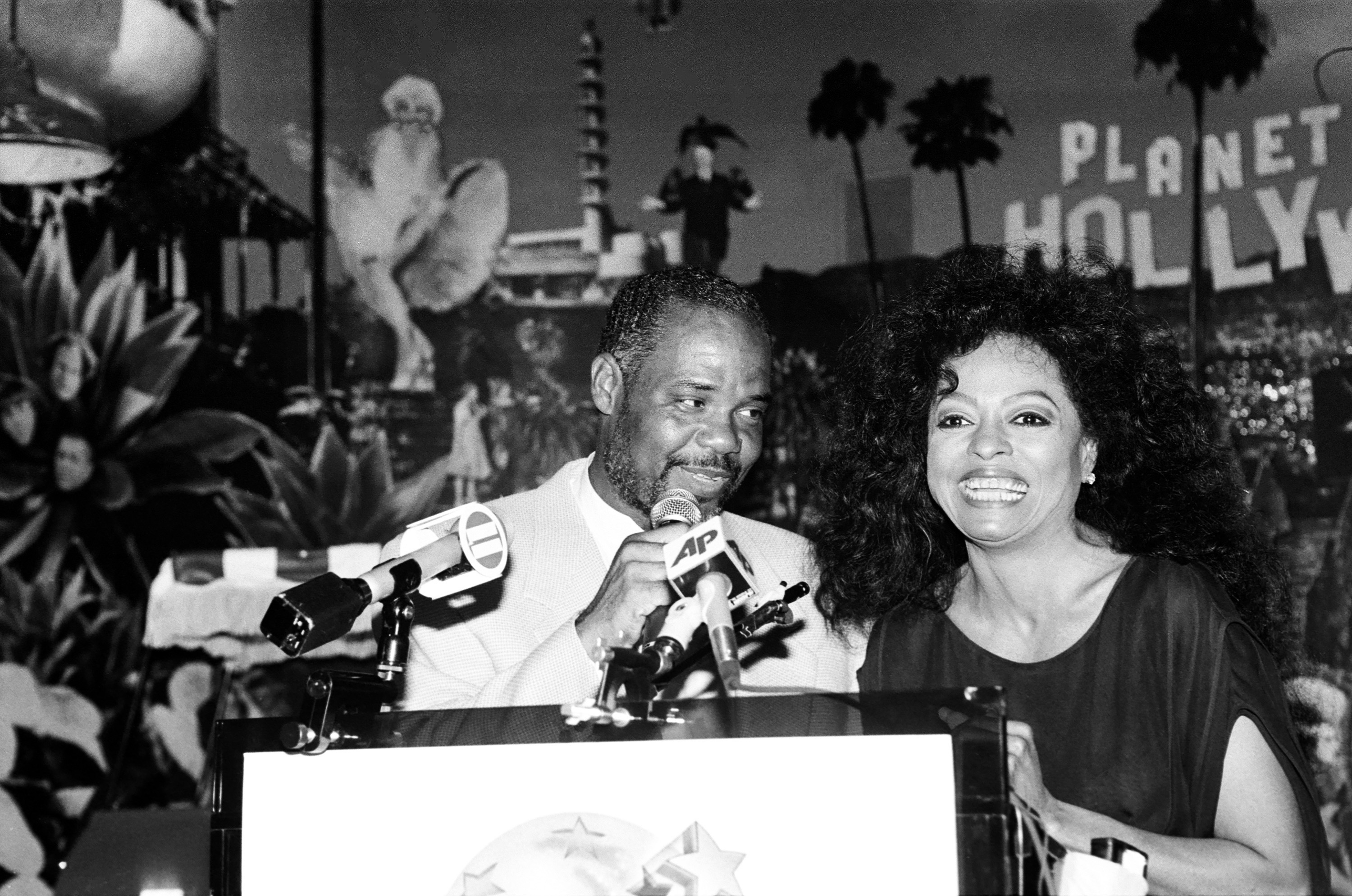
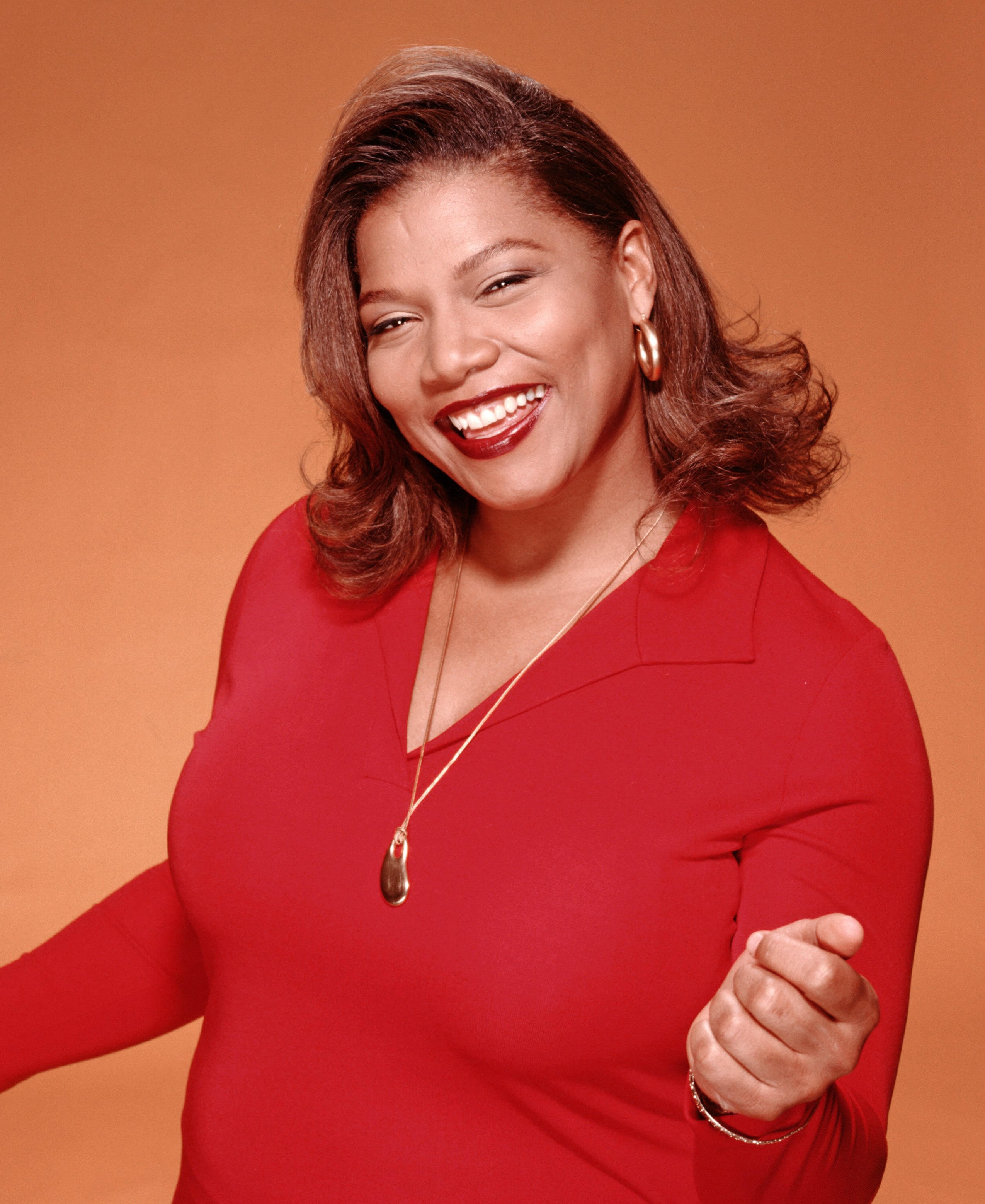
Jheryl Busby was head of MCA's black music division when Motown became a part of the company. Signing acts like Boyz II Men and Queen Latifah helped Motown's legacy stay in the game as music trends shifted.

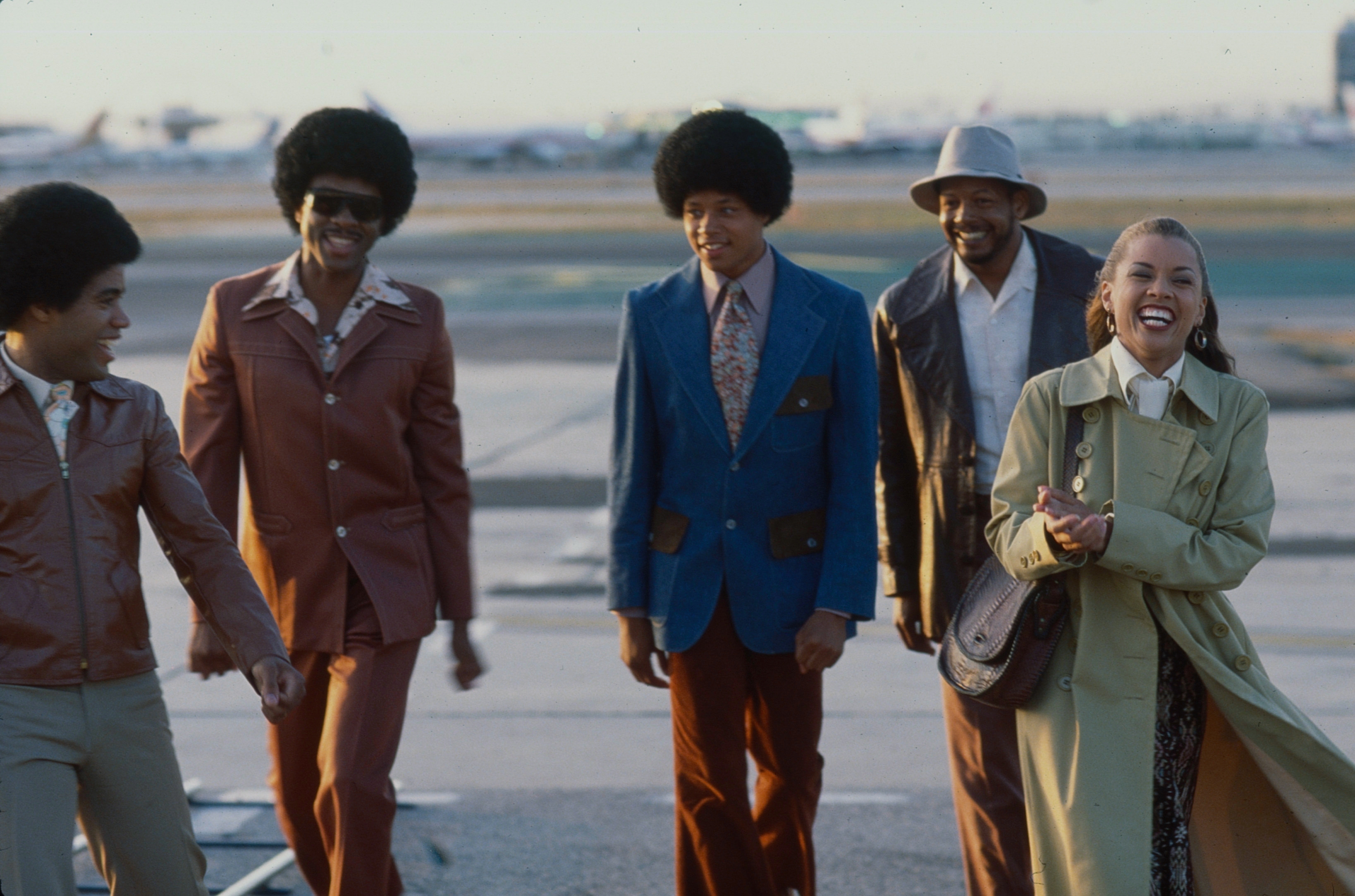
This five-part miniseries delved deep into the lives of the Jackson 5 family. Since Motown produced it, they were able to include first-hand accounts and knowledge in the story's details. It went on to be nominated for four Emmy awards, winning one for Outstanding Individual Achievement in Choreography.

After signing with Motown, Queen Latifah released her 1993 album Black Reign, which resulted in a Grammy Award for its single U.N.I.T.Y. In 1998, she then released her fourth album Order in the Court with the record label.

Fully leaning into today's current trends among younger demographics, Motown has kept its relevance alive. With Grammy Award-winning artists from hip-hop and R&B, it continues to find success in the music industry.

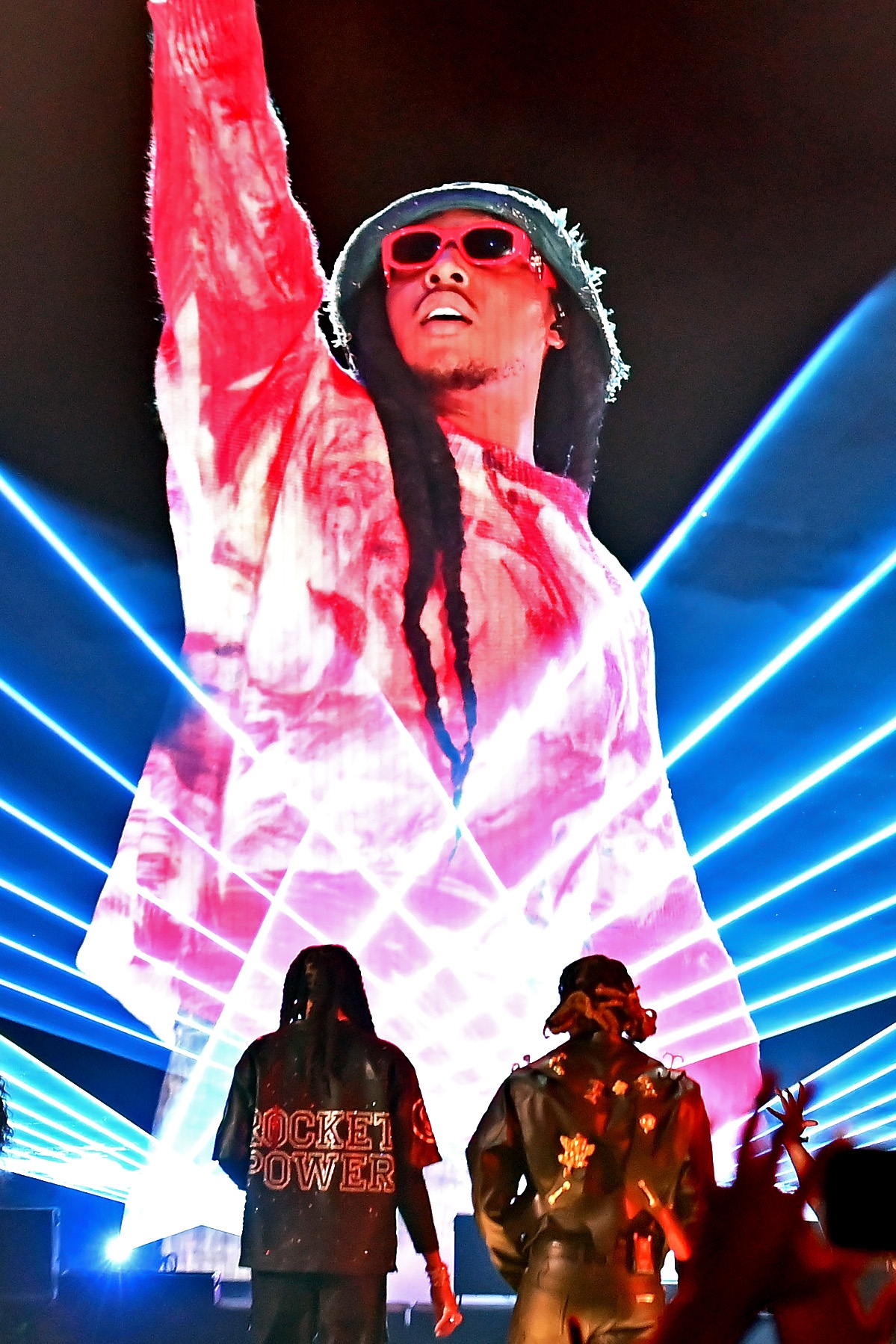
Rappers Takeoff and Quavo were signed to Motown, where they released solo and group projects that include one album under the name Unc & Phew.

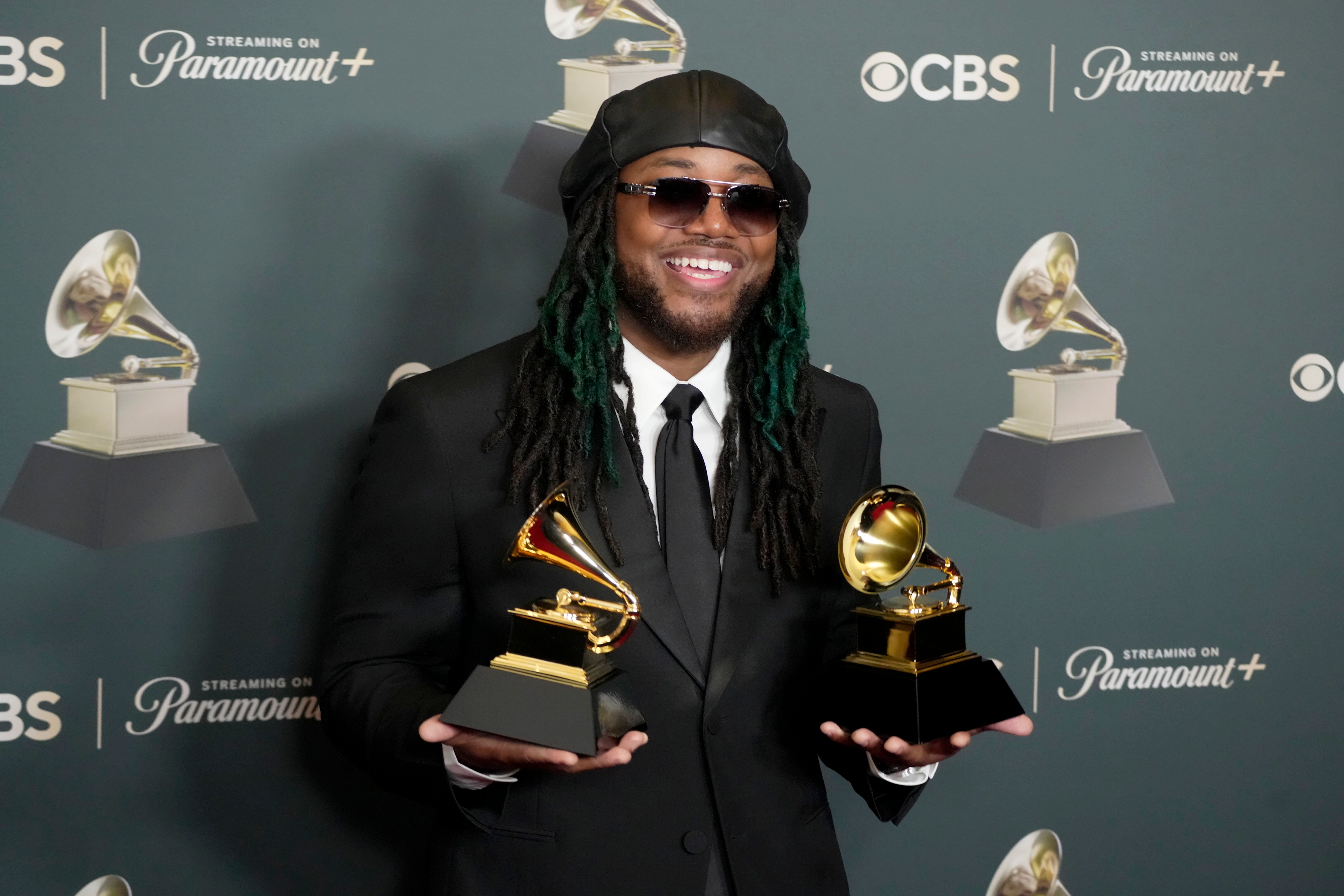
Contemporary singer/songwriter Leon Thomas is currently signed with Motown Records. His career started as a child with roles in productions like The Lion King on Broadway, where he played Young Simba. In recent years, he has won three Grammy awards and has worked with artists like Ariana Grande and Kodak Black.

R&B singer Brandy signed with Motown in 2022. No stranger to success with a well-established R&B career since the 90s, she released Christmas with Brandy in 2023, which was her first Christmas album. Recently, she performed the National Anthem at the 2026 NBA All-Star Game.