buzzfeed Press
"We Don't Know Any Black People Like That": Black Films That Were Ahead Of Their Time For Hollywood
Images
1 / 16
2 / 16

3 / 16

4 / 16
5 / 16
6 / 16
7 / 16
8 / 16
9 / 16
10 / 16
11 / 16
12 / 16
13 / 16
14 / 16
15 / 16
16 / 16
"We don't know any Black people like that." That's what a distributor told Kathleen Collins in 1982. She died before her film was ever released.

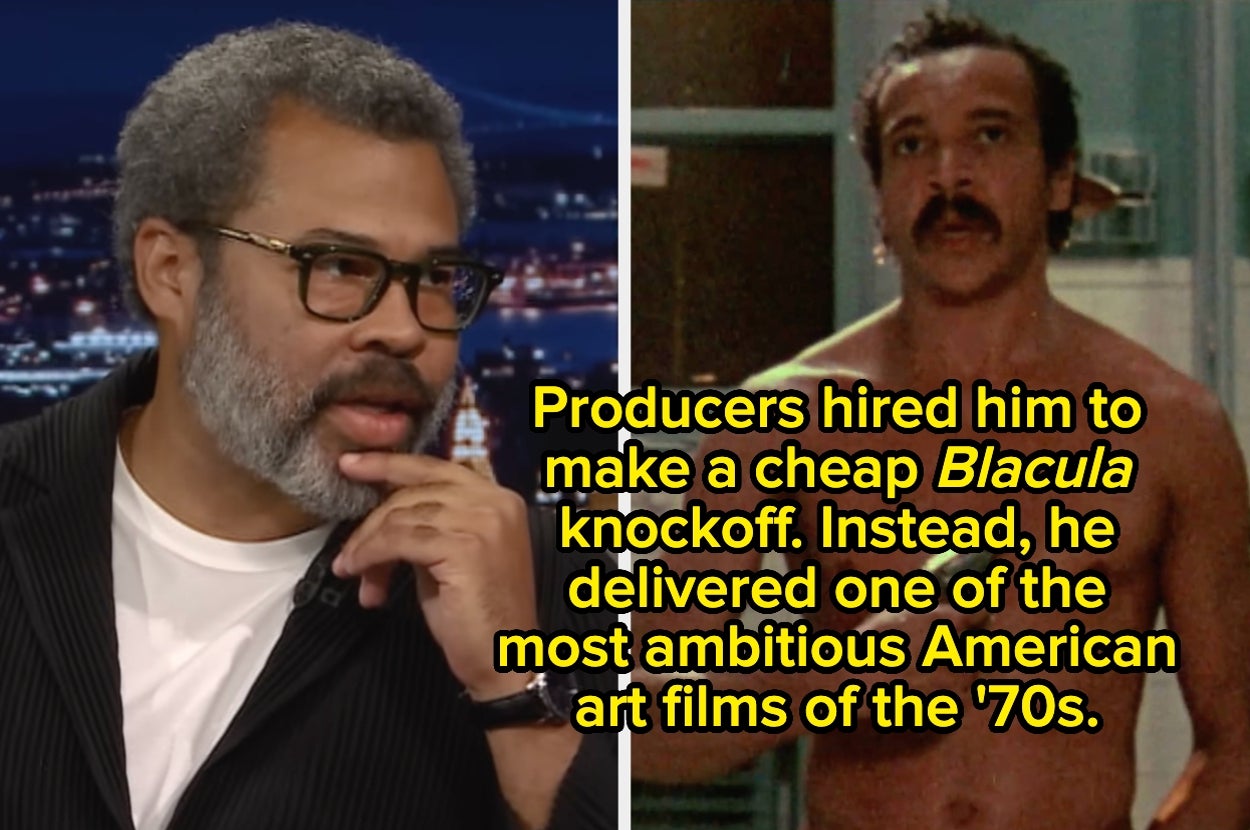
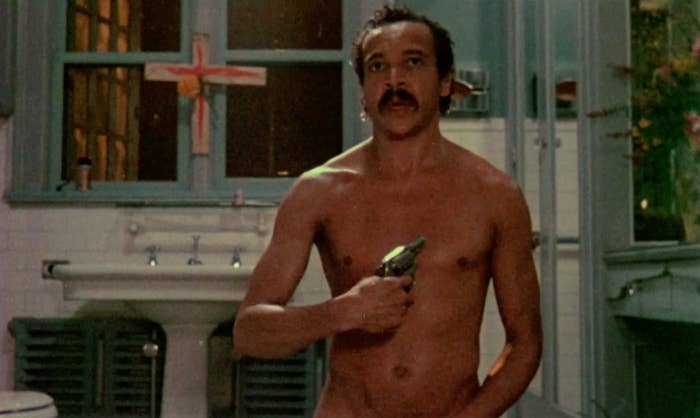
Producers hired playwright and actor Bill Gunn to make a cheap Blacula knockoff. Instead, he delivered one of the most ambitious American art films of the 1970s. Dr. Hess Green (Duane Jones, the star of Night of the Living Dead), a wealthy Black anthropologist, is stabbed with an ancient African ceremonial dagger and develops an unquenchable thirst for blood. When his assistant's estranged wife Ganja (Marlene Clark) arrives, the two begin a passionate, doomed romance tangled in addiction, spirituality, and cultural dislocation.

The studio was furious. They recut the film as the grindhouse quickie Blood Couple and buried Gunn's original version. For decades, the real Ganja & Hess was essentially a lost film — whispered about by cinephiles who had caught rare festival screenings. Julie Dash cited it as a direct visual influence on Daughters of the Dust. Spike Lee remade it as Da Sweet Blood of Jesus in 2014. In 2024, the original was finally restored and selected for the National Film Registry, half a century after its creation. It won the Critics' Choice prize at Cannes in 1973, yet most American audiences have still never heard of it.

Streaming on Criterion Channel, Kanopy, Hoopla

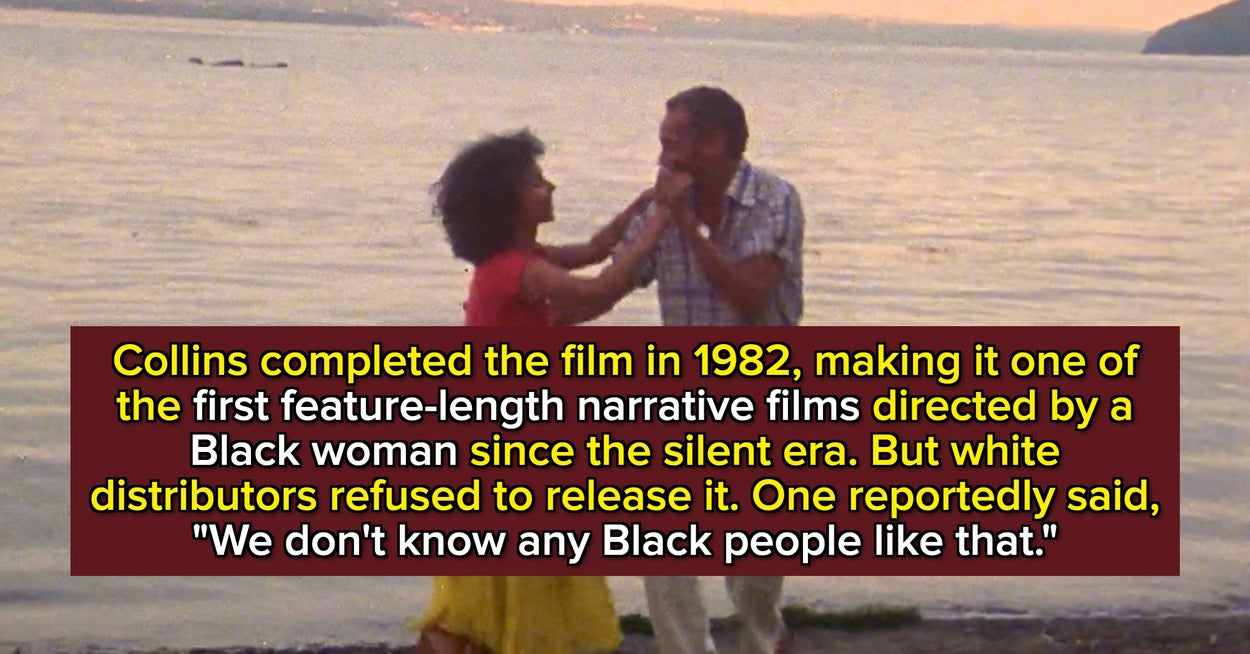
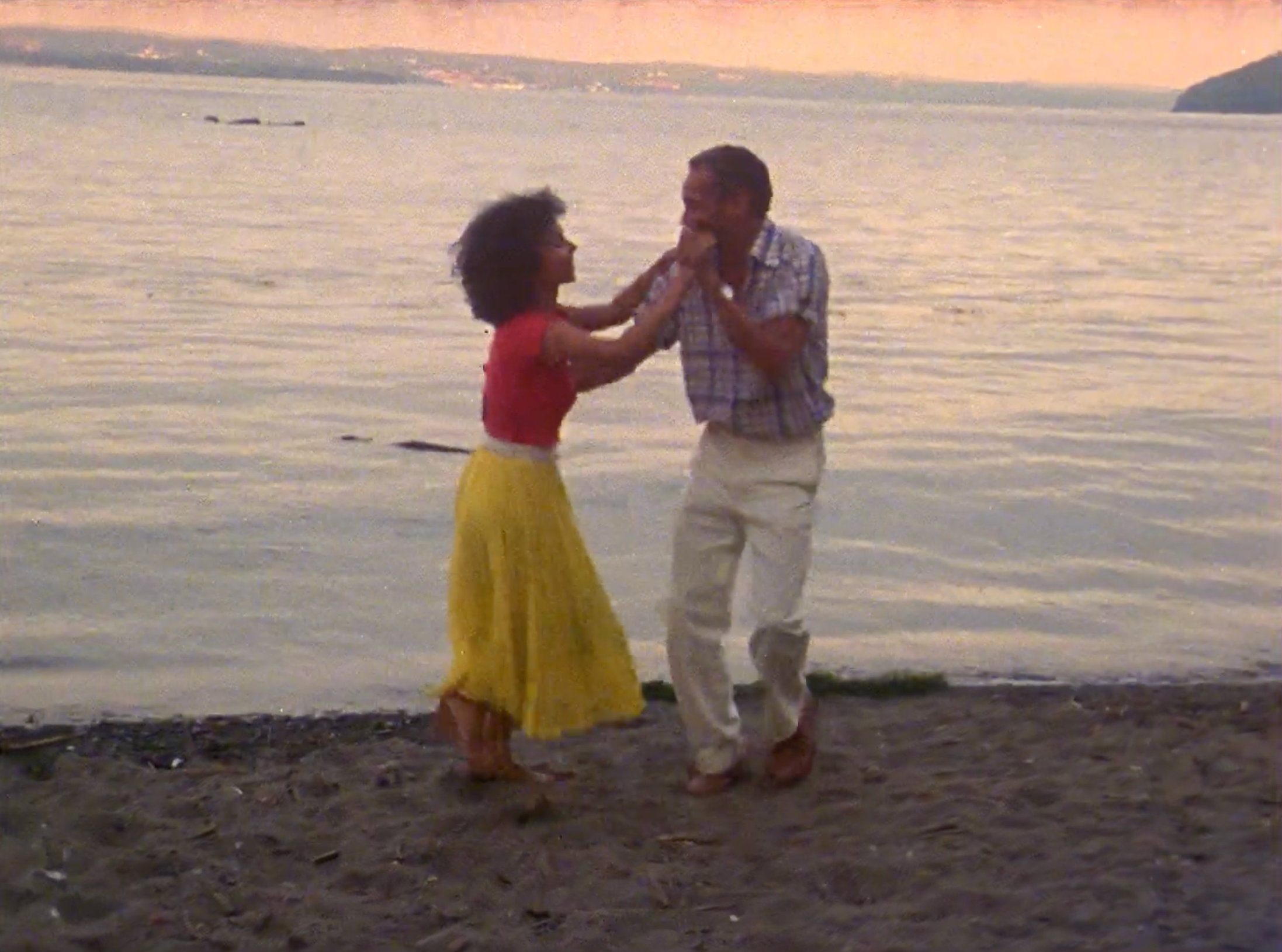
Sara (Seret Scott), a Black philosophy professor, spends the summer upstate with her painter husband Victor (Bill Gunn, the director of Ganja & Hess, here acting). While Victor chases creative inspiration and flirtations with his model, Sara pursues her own intellectual quest — researching "ecstatic experience"— and finds unexpected liberation through an acting role in a student film. What sounds like a quiet domestic drama becomes a razor-sharp exploration of intellect, desire, and the interior lives of Black women that Hollywood almost never depicts.

Collins completed the film in 1982, making it one of the first feature-length narrative films directed by a Black woman since the silent era. However, white distributors refused to release it. One reportedly said, "We don't know any Black people like that."

Collins died of cancer in 1988 at age 46, and the film vanished. Her daughter, Nina Collins, discovered the negatives in 2013. Milestone Films restored and released it in 2015 to rapturous reviews. It was selected for the National Film Registry in 2020.

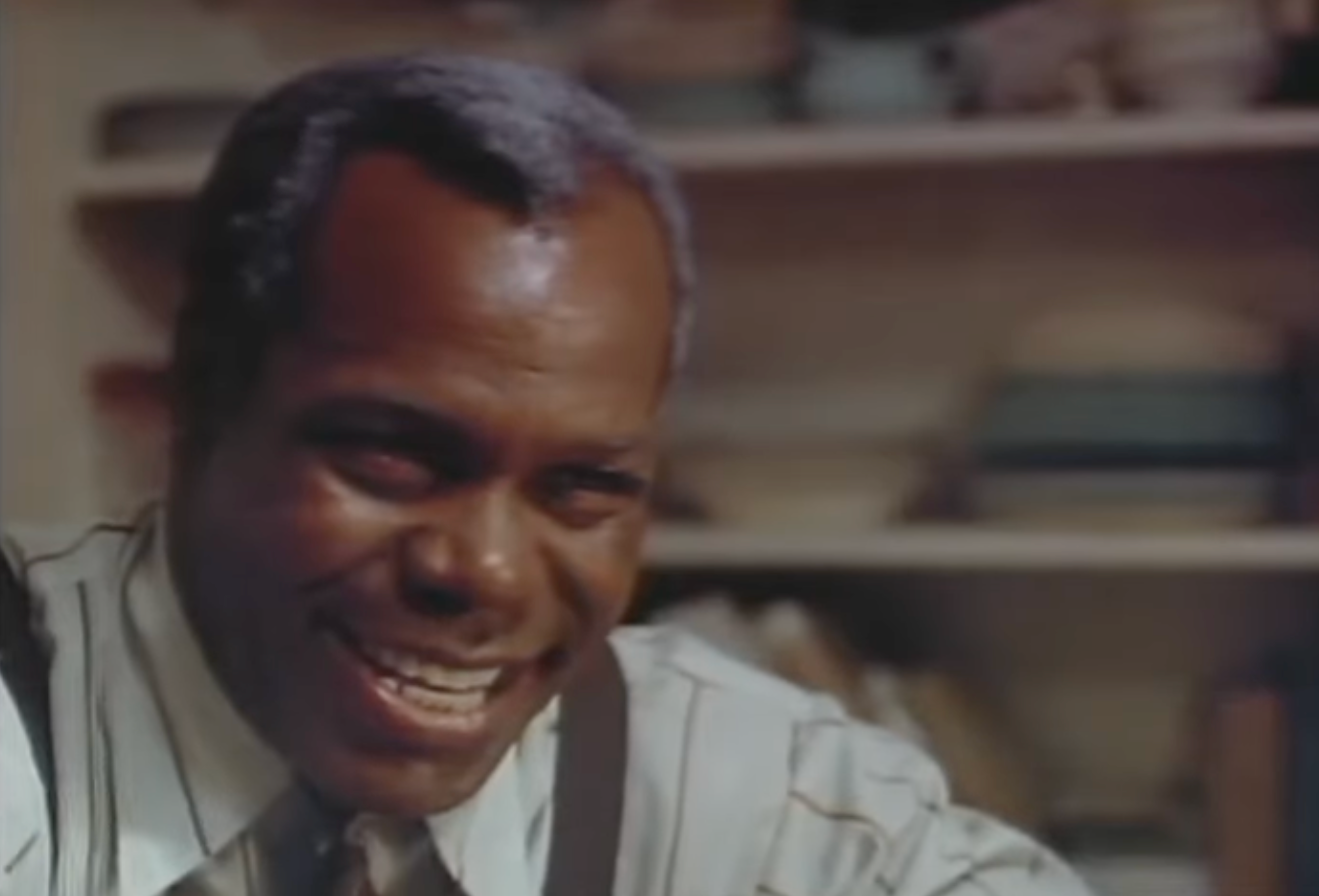
Harry Mention (Danny Glover, also the film's executive producer) shows up unannounced at the South Central Los Angeles home of an old friend from the South. He's charming, warm, full of folk wisdom and good stories. He's also, in some half-literal, half-metaphorical sense, the devil. His extended visit slowly poisons the household, exposing fault lines between generations, between Southern roots and Western ambition, between tradition and modernity. Burnett weaves African American folklore, magical realism, and domestic drama into something that feels genuinely unlike any other American film.

The New York Times once called Burnett "the nation's least known great filmmaker," and this is his most heartbreaking case study in neglect. To Sleep with Anger won four Independent Spirit Awards — Best Director, Best Screenplay, Best Male Lead, Best Supporting Female — and was universally acclaimed by critics. But its distributor gave it virtually no marketing, and it vanished from theaters.

Burnett later received an Honorary Academy Award in 2017, and the film was added to the National Film Registry that same year. It remains Burnett's most accessible and emotionally devastating work — warm, funny, creepy, and profound.

Free on Tubi; also available for rent on Apple TV, Prime Video

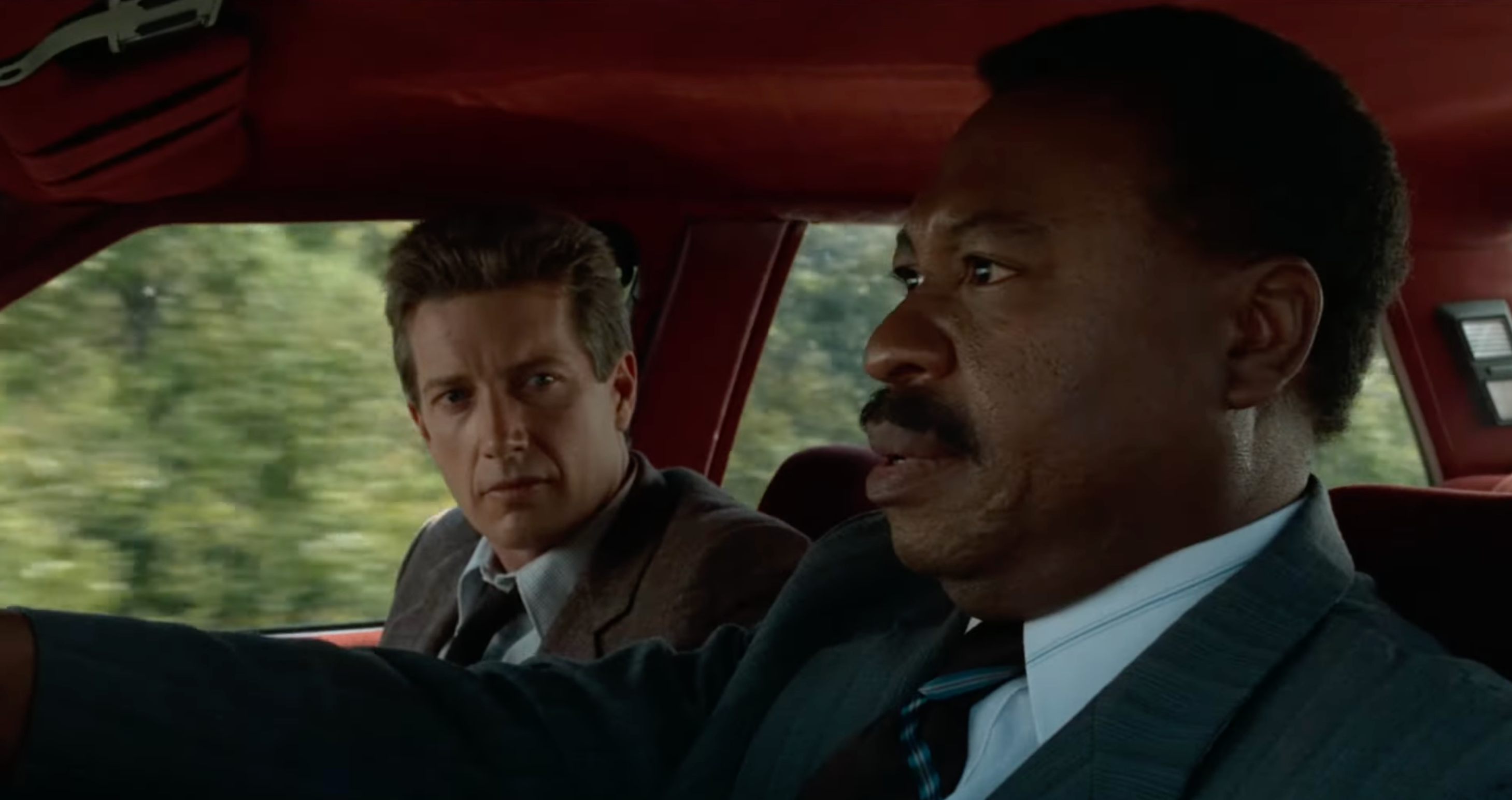
Three criminals — including a young Billy Bob Thornton, who co-wrote the screenplay — flee Los Angeles after a brutal drug robbery and head toward a small Arkansas town called Star City. The local police chief, Dale "Hurricane" Dixon (Bill Paxton), is eager to prove himself to the big-city LAPD detectives tracking the fugitives. Though the film begins as a conventional crime thriller, it steadily reveals itself as something far more complex: a devastating exploration of race, class, secrets, and the American South that earns its shattering final act through patience and misdirection.

Columbia Pictures nearly dumped it straight to video, but critics rescued it. Gene Siskel named it his favorite film of 1992. Roger Ebert championed it relentlessly. Carl Franklin was immediately recognized as a major talent, though Hollywood never fully gave him his due — he went on to direct the excellent Devil in a Blue Dress (1995) before being largely sidelined into television. One False Move holds a 93% Tomatometer with an 8.5/10 average rating, numbers that rival any thriller of its decade. It's the rare film that gets better with every viewing, as early scenes take on entirely new meaning once you know the truth.

Available to rent on Prime Video, Apple TV, Fandango at Home

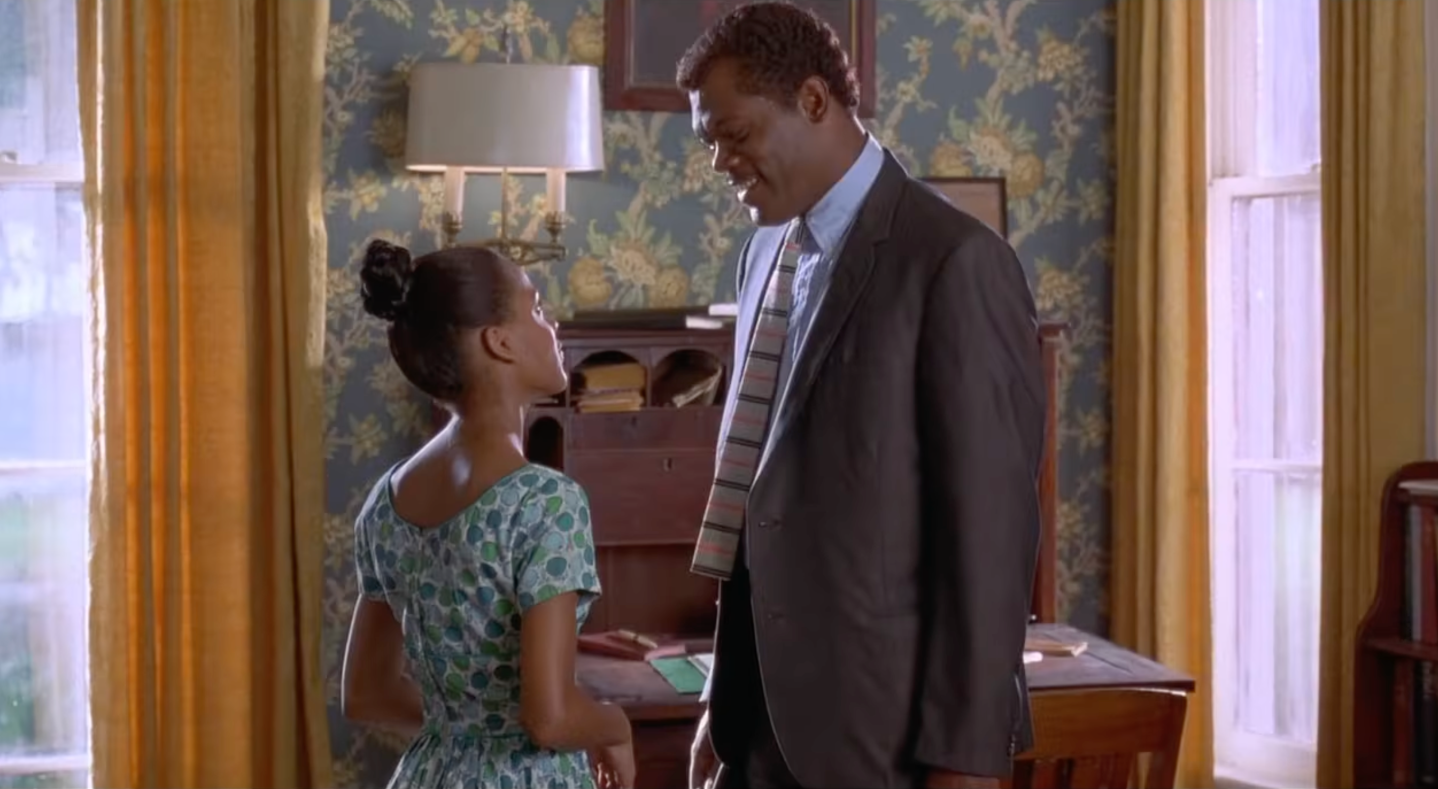
In 1960s Louisiana, 10-year-old Eve Batiste (Jurnee Smollett in a star-making turn) witnesses something she doesn't fully understand about her father Louis (Samuel L. Jackson), the charming, philandering family doctor. That glimpse — and the unreliability of what she actually saw — sets off a chain of betrayal, voodoo, and tragedy within her affluent Creole family. Kasi Lemmons drenches every frame in humid atmosphere, Spanish moss, and spiritual dread, creating a Southern Gothic world where memory itself is the most dangerous force.

The film was the highest-grossing independent film of 1997 and earned near-universal acclaim. Roger Ebert named it his favorite film of that year. Yet the Oscars completely ignored it. Lemmons' debut features extraordinary performances from its ensemble — Lynn Whitfield as Eve's elegant, suffering mother; Debbi Morgan as the clairvoyant Aunt Mozelle; a young Meagan Good; and Diahann Carroll as a conjure woman. In 2018, the film was selected for the National Film Registry and is now in the Criterion Collection. It was also cited as a direct influence on Beyoncé's Lemonade and Beasts of the Southern Wild.

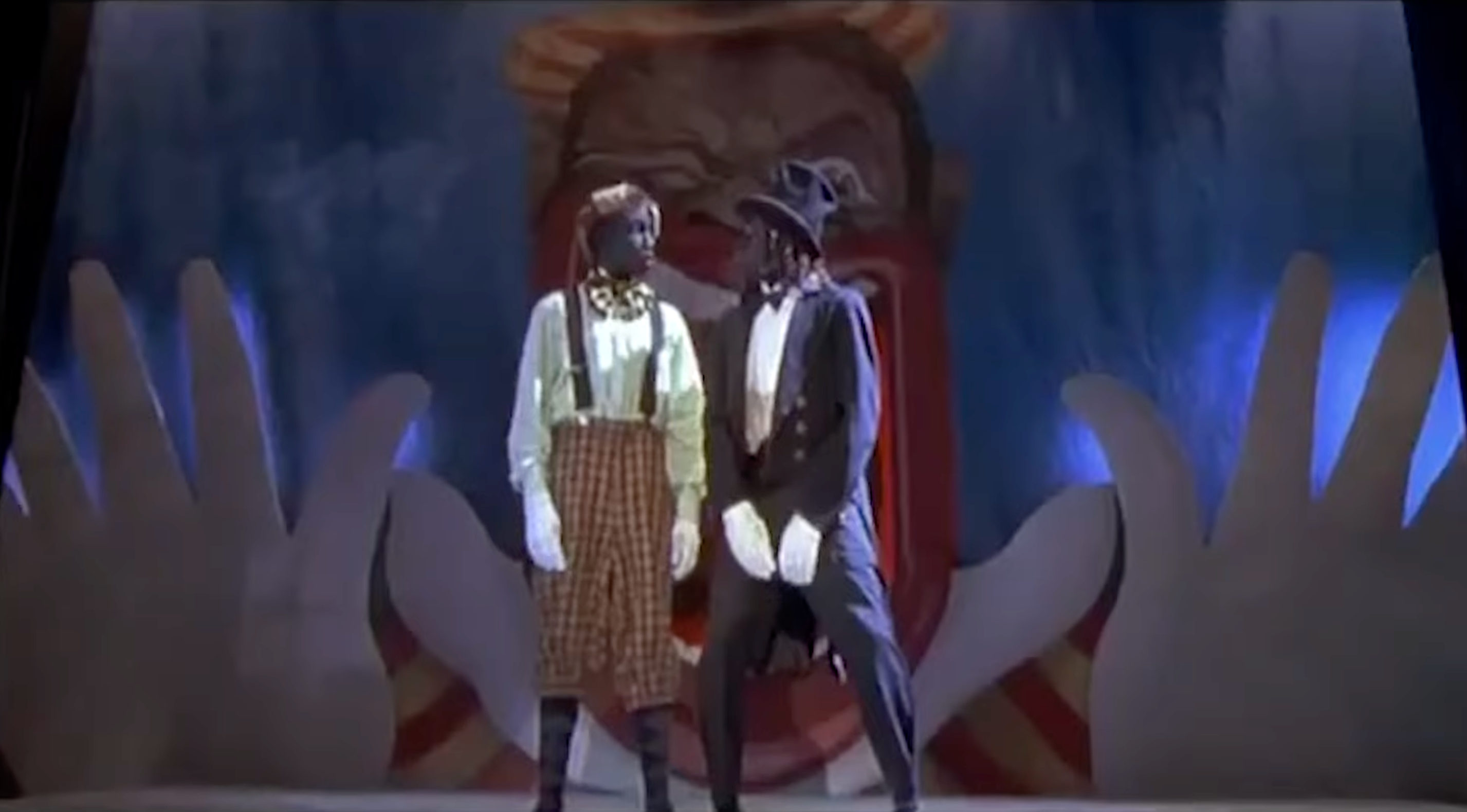
Pierre Delacroix (Damon Wayans), a Harvard-educated Black television writer, is fed up with his white boss rejecting his ideas. In an act of sabotage, he pitches the most offensive concept imaginable: a 21st-century minstrel show, complete with Black performers in blackface, set on a watermelon patch. His plan to get fired backfires spectacularly when the show becomes a massive hit. What follows is Lee's most savage, uncomfortable, and misunderstood work — a satire of American entertainment's appetite for racial degradation that felt heavy-handed in 2000 but now, in the age of algorithmic content and viral debasement, looks prophetic.

Critics were sharply divided upon release. Many called it messy and overwrought. It grossed just $2.2 million at the box office. But Bamboozled has undergone one of the most dramatic critical reappraisals in recent memory. It has since entered the Criterion Collection, and filmmakers and scholars increasingly call it Lee's most important film.

The cast — Wayans, Jada Pinkett Smith, Savion Glover, Tommy Davidson, Mos Def, Michael Rapaport, and Paul Mooney — also delivers fearless work. The film's closing montage of real minstrel imagery throughout American media history remains one of the most devastating sequences Lee has ever assembled.

Rotten Tomatoes: 54% (original reception)

Available to rent on Amazon, Apple TV, Fandango at Home

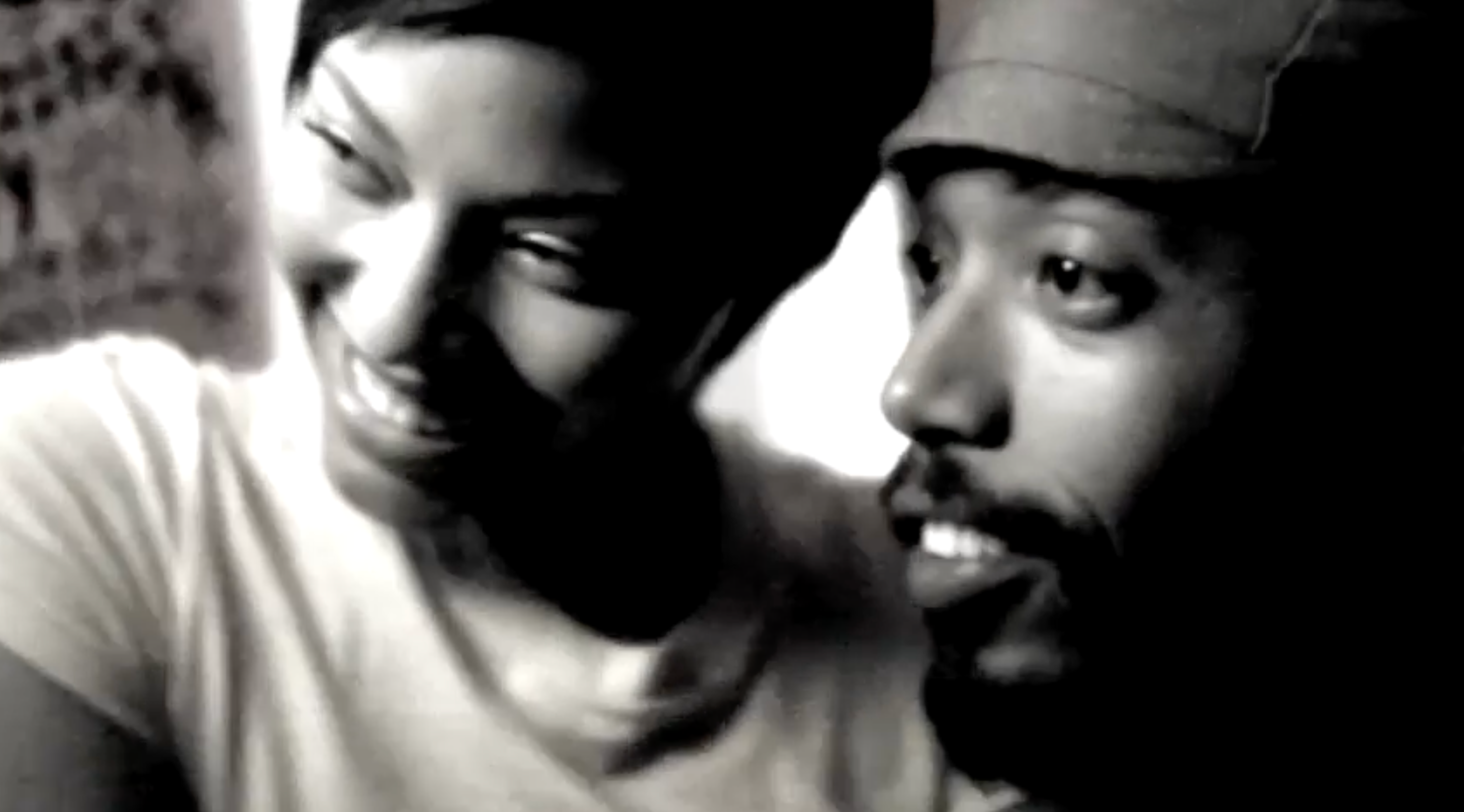
After a one-night stand, two Black twenty-somethings — Micah (Wyatt Cenac) and Jo' (Tracey Heggins) — spend a woozy, meandering day wandering San Francisco together. They debate gentrification, Black identity in a city where African Americans make up only 7% of the population, and whether what's between them is real or just proximity. Shot on digital video in 15 days for $15,000, the film is a lo-fi romance with an intellectual sharpness that presages everything Jenkins would later accomplish.

Jenkins was 28 when he made it, and the film premiered at SXSW in 2008, earning warm reviews — Roger Ebert gave it 3.5 out of 4 stars — before essentially disappearing. When Jenkins won the Oscar for Moonlight eight years later, Medicine for Melancholy became a fascinating artifact — proof that his lyrical sensibility and gift for capturing Black intimacy were fully formed from the start. It's now in the Criterion Collection. For anyone who loves Moonlight or If Beale Street Could Talk, this is the origin story, leaner, rawer, and quietly devastating.

Streaming on AMC+, MUBI, Tubi (free); Criterion Channel

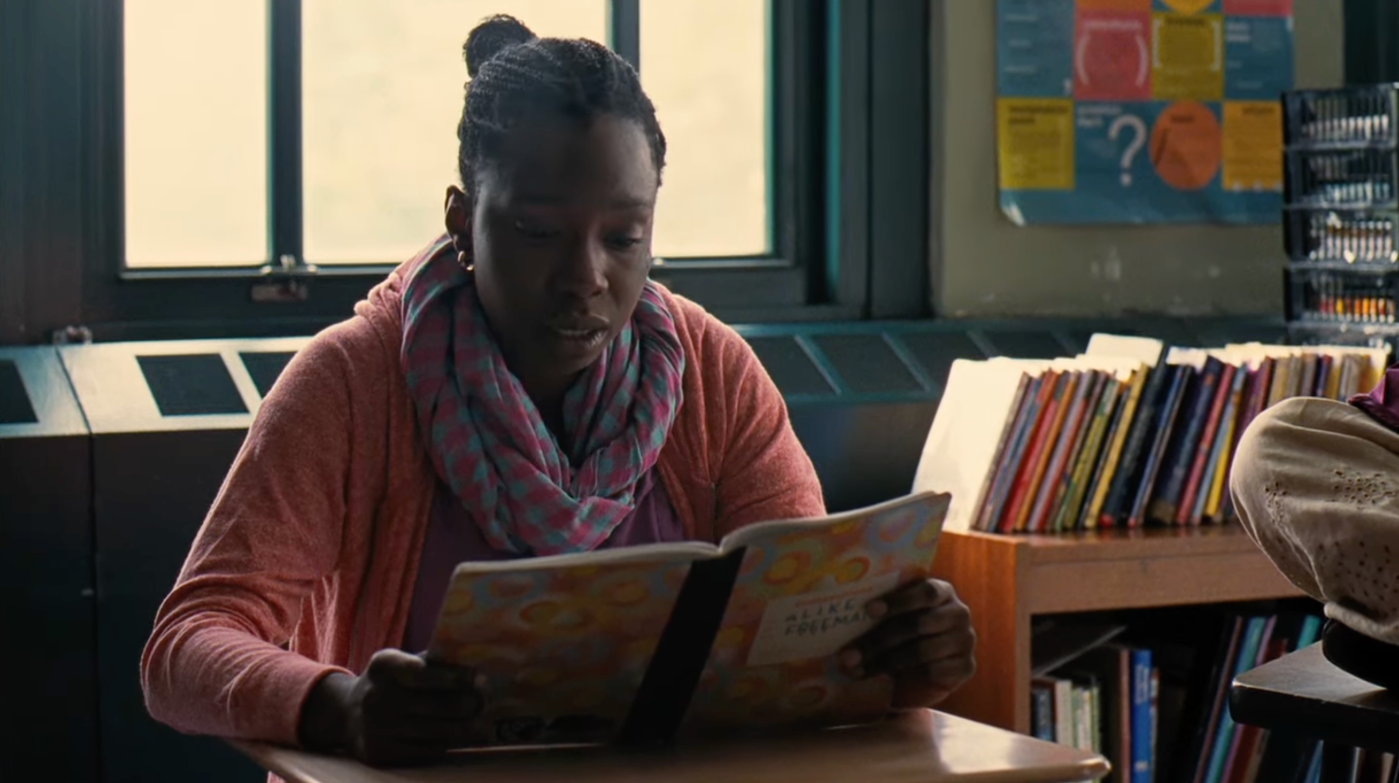
Alike (Adepero Oduye in a luminous performance) is a 17-year-old aspiring poet in Brooklyn, secretly exploring the lesbian club scene while navigating a hostile home life — a disapproving mother (Kim Wayans), a conflict-avoidant father, and the enormous pressure to be someone she's not. Rees, drawing from her own experiences, crafts a coming-of-age story of extraordinary tenderness and specificity, lit by Bradford Young's now-signature neon-drenched cinematography.

Produced by Spike Lee and developed from Rees' NYU thesis short, Pariah debuted at Sundance to rapturous reviews. Oduye's performance was called one of the best of the year. The film earned 95% on Rotten Tomatoes and a 79 on Metacritic — yet it grossed only $750,000 at the box office. It remains one of the finest queer coming-of-age films ever made, and one of the most emotionally honest depictions of a young Black woman's interior life in American cinema. Rees went on to direct Mudbound (2017), but Pariah is her purest and most personal achievement.

Available to rent on Apple TV, Prime Video, and Fandango at Home

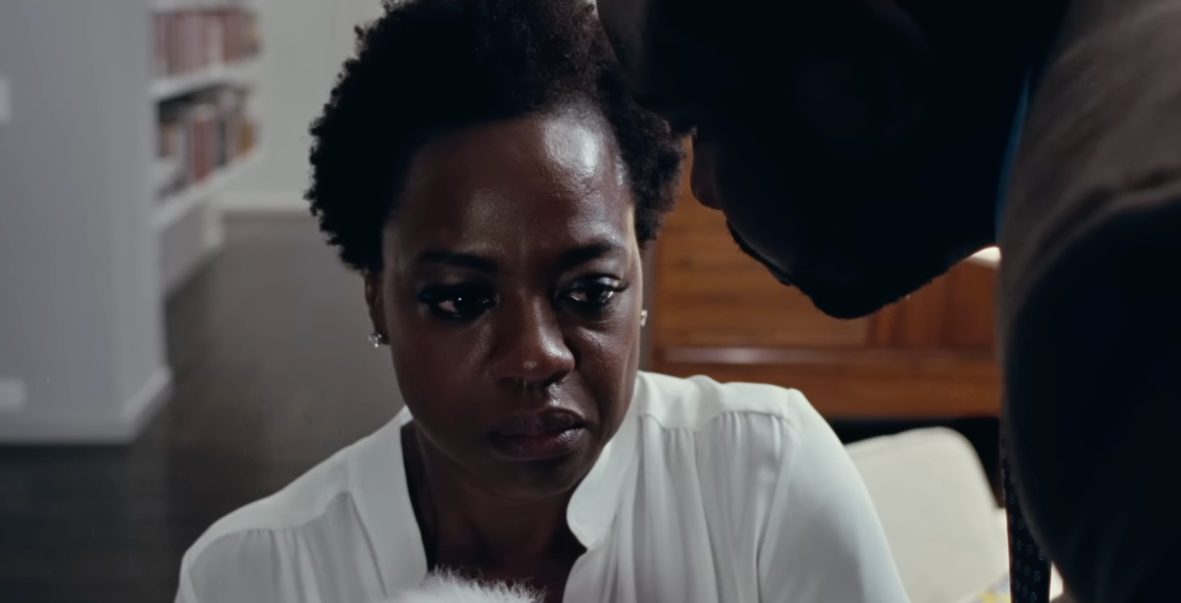
After their criminal husbands die in a botched robbery, four Chicago women with nothing in common — led by Veronica (Viola Davis) — must execute the heist their husbands left behind to pay off a terrifying crime boss. Co-written by McQueen and Gillian Flynn (Gone Girl), the film uses the architecture of a heist thriller to deliver a scathing portrait of Chicago's political corruption, racial gerrymandering, and class warfare. Daniel Kaluuya is menacing as a ruthless enforcer, and Elizabeth Debicki delivers a breakout performance as a woman shedding her victimhood in real time.

Widows earned a 91% Tomatometer, an 84 on Metacritic, and landed on dozens of critics' year-end top 10 lists. But none of it mattered commercially. It grossed just $76 million worldwide against a $42 million budget, crushed by Fantastic Beasts and Bohemian Rhapsody in its opening weekend. The Academy also ignored it completely — zero nominations. McQueen himself said audiences "weren't ready yet." It's the rare star-studded studio film — Davis, Kaluuya, Colin Farrell, Liam Neeson, Robert Duvall, Cynthia Erivo, Brian Tyree Henry — that deserves a second life through word of mouth.

Available to rent on Amazon, Apple TV, Fandango at Home

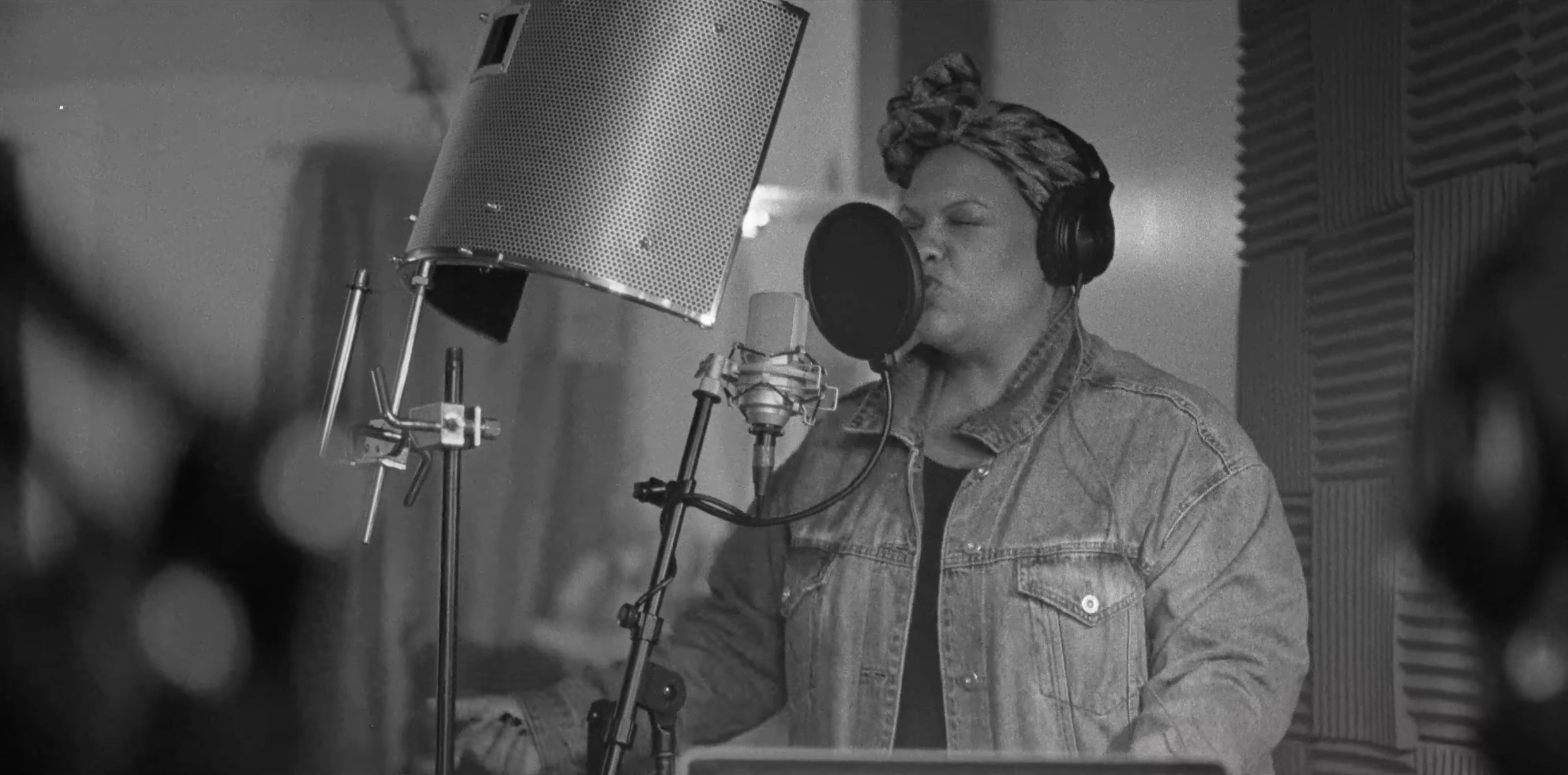
Radha (Blank, playing a fictionalized version of herself) is a once-promising New York playwright approaching 40 with no produced work, a stalled career, and a theater industry that wants her to sand down her voice for white comfort. Her solution: reinvent herself as a rapper. Shot in gorgeous black-and-white 35mm by Eric Branco, the film is at once a hip-hop origin story, a takedown of institutional gatekeeping in the arts, and a joyful, profane self-portrait of creative stubbornness.

Blank won the Directing Award at Sundance 2020, and the film arrived on Netflix to near-universal acclaim — its 99% Tomatometer makes it one of the best-reviewed films on this entire list. And yet, partly because of the pandemic and partly because Netflix's algorithm buried it beneath flashier fare, it never penetrated mainstream consciousness. The Forty-Year-Old Version is the rare comedy that is genuinely funny, genuinely moving, and genuinely angry in equal measure. It's a film about what it costs to make art on your own terms, especially when the industry would prefer you didn't.